Why Cold Foam Keeps Frothing Up Coffee Menus
The airy topping has become a staple at coffee bars, but its rise reflects deeper changes in what drinkers want—and who they are.
By Taylor Hayes5 min read
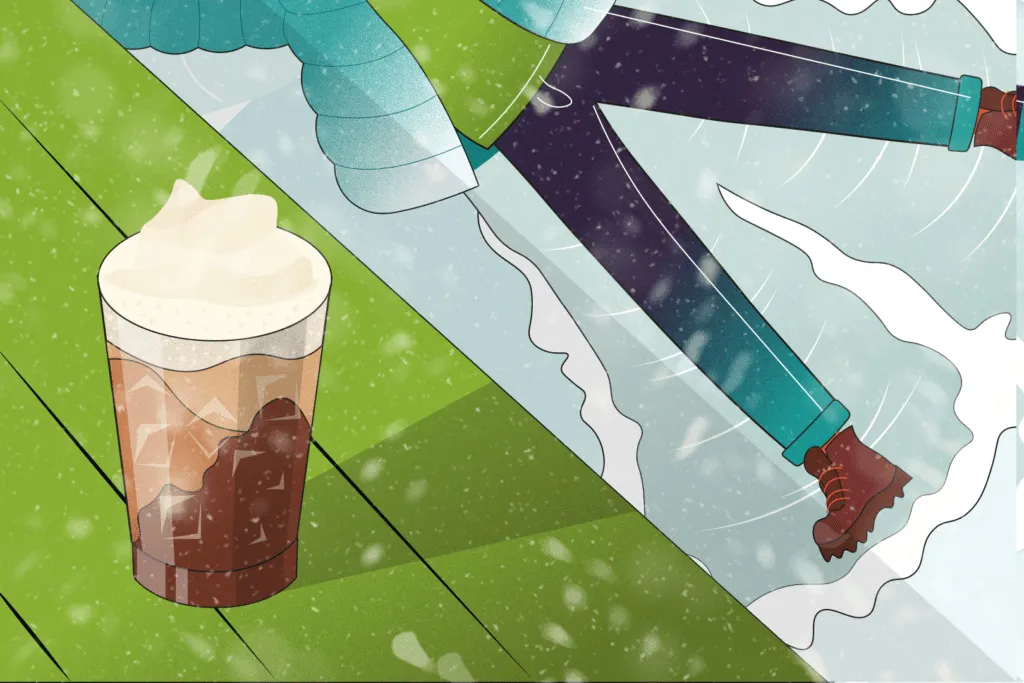
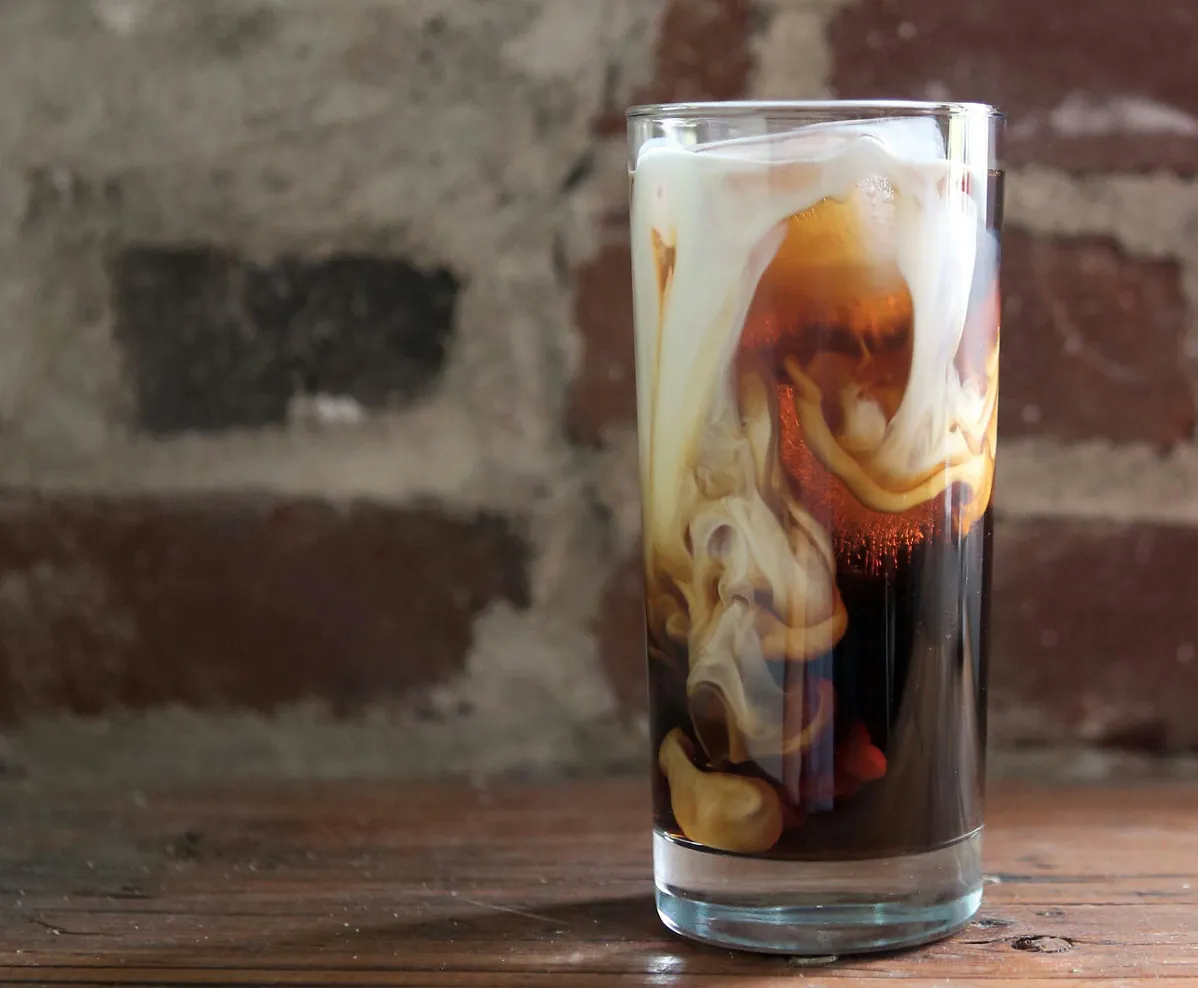
Cold foam—milk that's whipped with air but no heat, usually spooned over cold brew—has become a menu fixture at specialty coffee shops across the United States. Its appeal is easy to see: it's cool, creamy, and lightly sweet, a silkier, less heavy alternative to whipped cream that adds both texture and flavor to a cold drink.
But why has such a simple addition taken off now? The answer seems tied to the broader surge in cold coffee consumption. Blended coffee drinks have been on US menus for decades, yet according to the National Coffee Association's 2017 consumer report, something shifted in the mid-2010s: people began drinking cold coffee at a faster clip. By 2021, Starbucks reported that three out of every four drinks it sold were cold rather than hot.
Since then, spending on cold coffee beverages has surpassed spending on hot coffee. Summer was once the season for cold brew and chilled drinks, but now customers order cold beverages all year round. In September 2022, the National Coffee Association's semi-annual report noted that 30% of polled coffee consumers had drunk a cold coffee beverage in the past day—a substantial rise over previous years.
As cold coffee grows more popular, the range of cold options keeps expanding. Still, the question remains: is cold foam just a passing trend meant to keep up with shifting coffee habits, or does it have staying power?
Where It Came From, Where It's Headed
Starbucks often gets credit for inventing cold foam in 2014, but it's more likely the chain stumbled onto something baristas had been doing for years. Peter Giuliano, executive director at the Coffee Science Foundation, recalls experimenting with blended cold milk as a coffee topping when he worked as a barista in the 1990s.
"Milk wants to foam under all sorts of circumstances," he says, explaining that many experimentally minded baristas have probably figured out they could create silky, foamy milk without heat using various tools—you can even try this at home with cold milk and a French press. The mission to replicate the foamy texture of hot lattes in cold drinks has been ongoing for decades.
Consumer research shows that as [consumers] get younger, there’s increasing acceptance of cold coffee.
peter Guiliano
Foam has always been integral to the coffee experience, and it seems the popularity of cold foam is at least partially driven by younger coffee drinkers. "Consumer research shows that as [consumers] get younger, there's increasing acceptance of cold coffee," says Giuliano. These consumers are also highly engaged on social media, popularizing beverage fads more quickly—you can discover things like cold foam by scrolling Instagram or TikTok versus walking into a cafe and asking a barista.
Younger consumers aren't just ordering more cold drinks—they're also changing the way we order all specialty items. Giuliano mentioned that younger consumers have a strong desire for crafted beverages, which he defined as "drinks assembled creatively by a barista." Crafted beverages feel more complex than simply pouring a glass of cold brew—think cocktails or signature beverages you might see at coffee competitions. Giuliano points out that "cold foam is a new ingredient" perfectly positioned to meet this growing demand for crafted drinks.
Although Starbucks likely didn't invent cold foam, it helped popularize the topping. They first introduced cold foam at its Seattle Reserve location and slowly rolled it out at locations across the US until it was available nationally in 2018. Initially, cold foam came only on specific drinks, like the Cold Foam Cascara Cold Brew. But after enthusiastic consumer response, Starbucks made cold foam an available add-on for any drink. Today the company has six standard cold foam flavors, from chocolate to matcha to salted caramel, that can be added to any beverage.
Specialty coffee shops have been slower to adopt cold foam (cold foam is not as ubiquitous an option at independent shops as at Starbucks), but they have been quick to innovate on the idea. At The Bake Shop in Williamsburg, Virginia, Brittany Sims wanted to offer patrons cold foam but make an option all drinkers could enjoy. "We used oat milk [for our cold foam] so consumers can have a non-dairy option," they said. While Starbucks makes their cold foam to order, The Bake Shop stores its oat milk cold foam using a refrigerated nitro canister.
Sims helped implement cold foam onto The Bake Shop's menu (they've since left the cafe), and it's available as an add-on for any drink. "We had a few people ask for it on hot drinks and, while we didn't necessarily say no, we'd very often caution them because it will dissipate faster–plus the temperature difference is weird," Sims says.
In addition to using oat milk, The Bake Shop also rotates cold foam flavors seasonally. "Different flavors get really drastic reactions," says Sims. "Options like mint cold foam or blueberry—people either hate it or love it."
The Perfect Cold Topping
Though cold coffee sales are increasing now, there was a time when cold coffee wasn't a popular option. Coffee sales used to drop during the summer as people avoided coffee drinks altogether during hot weather. "When I was at Counter Culture in 2008, coffee sales would go way down in the summer. That's when we started putting effort into teaching customers how to make iced coffee better," Giuliano remembers. The growing popularity of cold coffee has helped stabilize seasonal sales for coffee businesses.
While talking about younger consumers, Giuliano mentioned the importance of "Instagram-worthy" drinks. Drinks "that seem like a concoction or a dessert are Instagram-worthy. [And] cold drinks in clear cups and are much easier to take a photo of," he says, specifically citing Dalgona Coffee, a whipped coffee trend that took social media by storm during the early months of the COVID-19 pandemic. Instagram and TikTok are overflowing with videos of light-colored cold foam sinking into dark-colored coffee–videos only possible with clear cups used primarily for cold drinks.
I believe that by 2030, 50% of coffee consumed in the US will be drunk cold. There’s nothing pointing the other way. There’s no groundswell for hot beverages.
Peter Giuliano
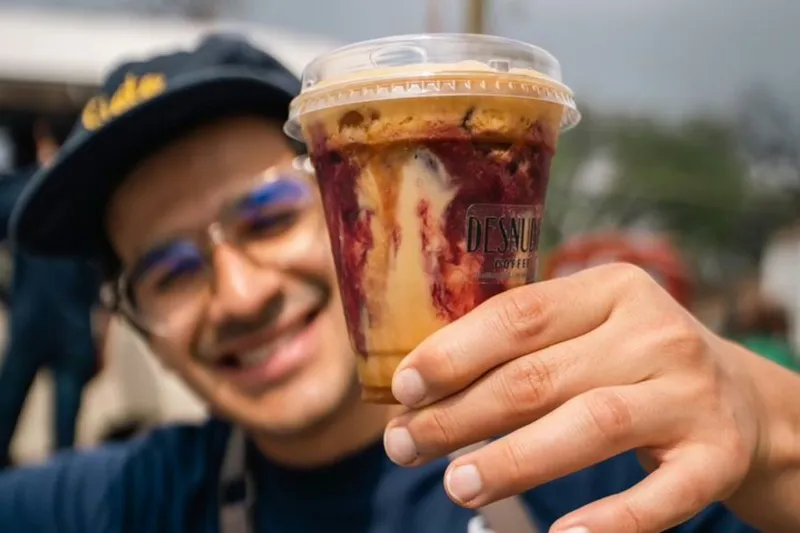
As the business case for cold drinks—and cold foam—becomes increasingly apparent, adoption has picked up pace, and people are getting more creative with their cold foam concoctions. Kumquat Coffee in Highland Park, Los Angeles, has been offering their Cloudy (with a Chance of Peanuts) since 2019; the cold brew is topped with a sweetened cold foam flavored with real peanut butter. In August 2023, Supersweet Tattoos & Coffee introduced their Chocolate Cold Foam Cold Brew, describing it on Instagram as "it's giving chocolate sundae in the best way."
Guiliano's insights suggest that cold foam is the answer to the coffee industry's long-standing question about how to make cold coffee more palatable to more people. Consumers' marked shift toward cold coffee beverages seems to be here to stay. Cold coffee sales have been increasing steadily year after year since 2016, and in general, coffee consumption among Americans is at an all-time high.
"I believe that by 2030, 50% of coffee consumed in the US will be drunk cold," Giuliano concluded. "There's nothing pointing the other way. There's no groundswell for hot beverages." This feels huge: hot coffee might be the niche product twenty years from now, and cold coffee the standard. So if you haven't tried it yet, give it a chance! Cold foam is more than a decadent addition to your coffee menu—let it be a door to creativity, whimsy, and delight.