Going Digital: A Practical Guide to Hosting Coffee Events Online
When in-person gatherings became impossible, one North Carolina festival team moved its programming to social media and drew hundreds of viewers worldwide. Here is what they learned about coordination, promotion, sponsorships, and technical prep.
By Rowan Wilson4 min read

The pandemic pushed the specialty beverage world to rethink its gatherings
Events have long been a cornerstone of the specialty beverage community. Trade shows, latte art competitions, and similar in-person gatherings create space for networking, education, sales, skill-building, and stronger relationships among peers. Once the pandemic took hold, though, the viability of these formats came into question.
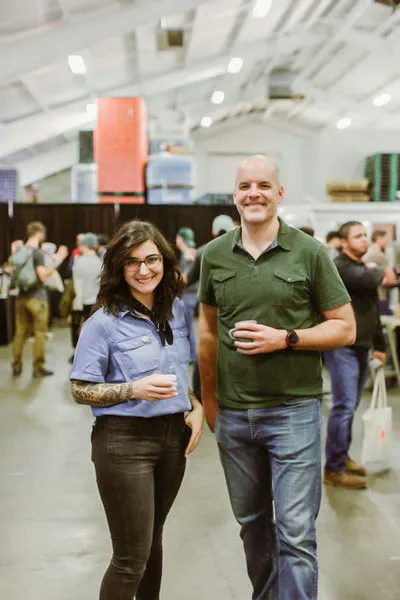
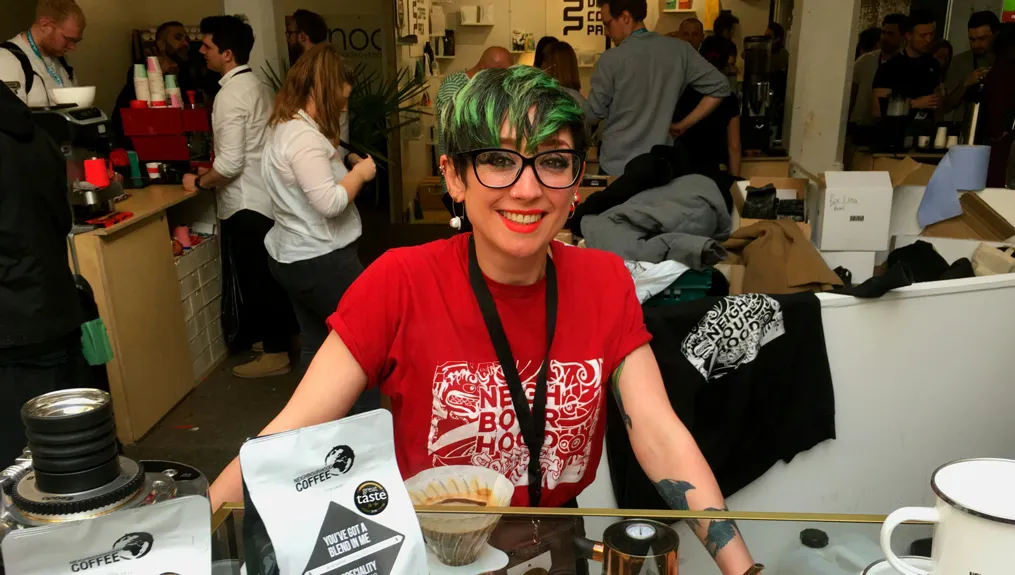
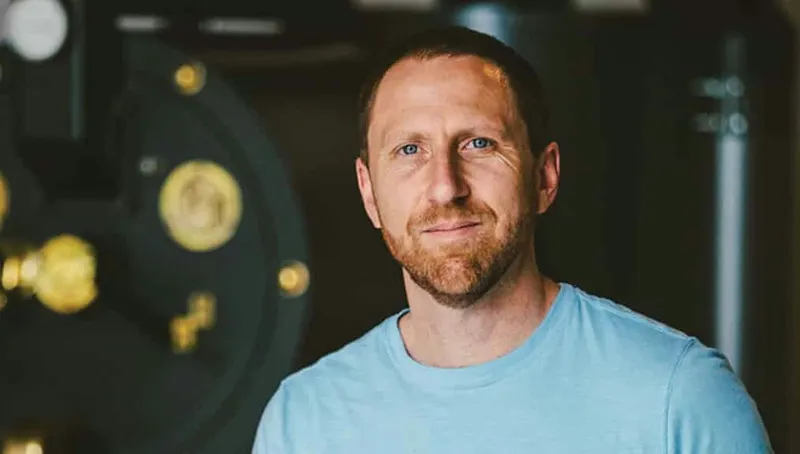
Diana Mnatsakanyan-Sapp and Matt Dudley.
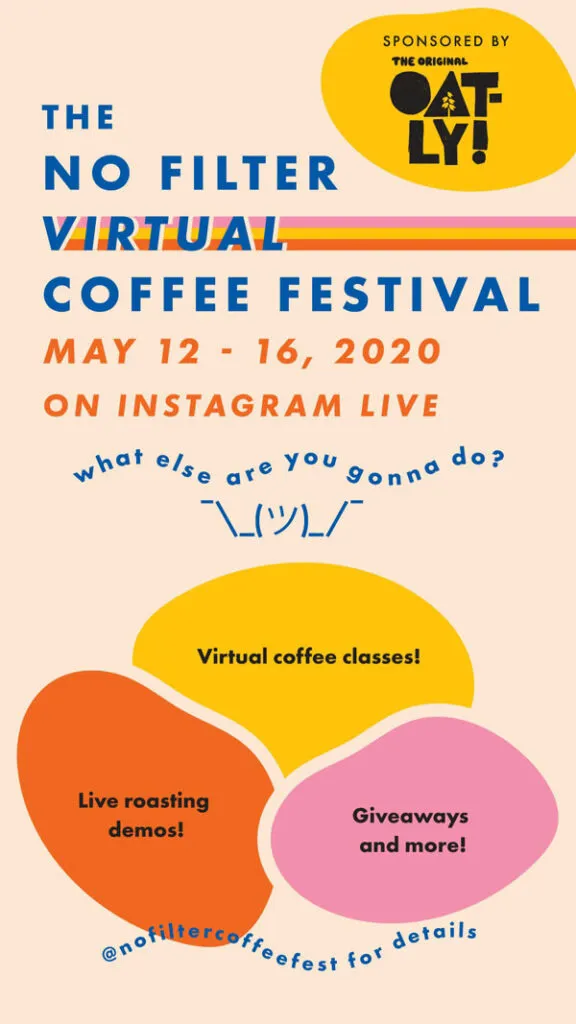
Even so, some organizers managed to make digital platforms work for them. The team behind No Filter Coffee Fest (previously called POUR Coffee Festival) in Charlotte, North Carolina, put on an entirely virtual edition via Instagram Live, attracting over 700 participants from around the globe.
After the pandemic interrupted plans for the in-person festival and vendors were refunded—leaving the organizers feeling they were "back at square zero"—Diana Mnatsakanyan-Sapp says she and co-creator Matt Dudley wanted "to draw attention to the people that had already agreed to do our 2020 fest."
"Coffee people are struggling, and consumers could be reminded why…supporting local businesses is important," she says.
So between May 12 and May 16, coffee professionals and roasters across the Southeast took to the platform to cover subjects including the coffee price crisis, sustainability, coffee cocktails, and digital roasting. According to Mnatsakanyan-Sapp, individual sessions drew 50–90 viewers, with some joining from Canada, the United Kingdom, and Ukraine.
Hosting an event online carries many advantages. Most importantly, it can include people who would otherwise be unable to attend—whether for financial, physical, or other reasons.
"COVID-19 is forcing us to all live in our homes and it's limiting our mobility and our ability to go out," Mnatsakanyan-Sapp says. "We're being shown all the ways in which our society is not inclusive to people who maybe have limited mobility, or limited access to transportation…or have different developmental needs."
Online programming can also bring producers face to face with consumers. Athens, Georgia-based 1000 Faces Coffee collaborated on a joint Instagram Live session with Felipe Croce of FAF Coffee Brazil.
"He literally was standing in a coffee field," Mnatsakanyan-Sapp says. "The average consumer is never going to have the opportunity to go to a coffee farm, will probably not have the option to talk to a coffee producer. But in that moment, they were there on a coffee farm, listening to a coffee producer talk about his experiences as a coffee producer during COVID-19—that is so powerful."
"We should be doing things to try to connect with everyone who wants to learn and grow and connect with other people in the coffee industry," she adds.
What follows are some pointers for building a digital event that works.
ALIGN YOUR TEAM BEFOREHAND
- Contact vendors and presenters early so everyone is clear on what is expected of them before the event begins.
- Spell out the logistics: how long each presentation should run, which materials participants need to prepare or supply (slides, handouts, and so on), and any login credentials.
- Make promotion a shared effort. Give every participant the event flyer or promotional assets so the visuals stay consistent, and circulate everyone's social media handles so participants can tag one another while spreading the word.
SPREAD THE WORD WIDELY
- Lean on press releases. Mnatsakanyan-Sapp suggests identifying "the people that you think are going to be able to communicate your story to your audience fast," then visiting their website, locating the Contact Us page, and emailing a press release to the right address. (Not sure how to write one? Help is available.)
- Use grassroots outreach to connect with organizations in your region or groups that can readily reach your target audience; share artwork and key details with them so they can help promote.
- Seek out sponsors. Mnatsakanyan-Sapp notes that although she works as an Oatly representative, companies like Oatly set aside funds for sponsorships and community support within their marketing and events budgets. Don't hesitate to approach a company for swag, prizes, or other promotional assistance. "It may be intimidating to reach out to larger companies, but those companies are in the business of supporting the industry and its people, no matter how small you think your event may be," she says.
MASTER THE TECHNOLOGY
- Get comfortable with whichever platform you choose. For Mnatsakanyan-Sapp that meant Instagram Live, which she had never used before. "Use the platform that you're going to ask other people to use, both as a viewer and as a presenter, so that you can know what each experience will be."
- Assign one person solely to watch for problems during each presentation—"someone who is not a presenter, not the videographer, but someone watching who can give feedback about if they need to adjust the camera lens, speak louder, etc."
- Remember that the camera may flip your content. Using a device's front camera mirrors images, and as Mnatsakanyan-Sapp recalls, "Some presenters spent all this work on visuals that became basically unreadable."
- Then there are the fundamentals she calls "obvious basics: having good lighting, being in a quiet environment with no distractions, speaking loudly and slowly, enunciating, and moving in almost slow motion—because there's always a lag!"