Culinary Uses for Tea: A Chef's Approach to Cooking with Leaves
Karl Holl, culinary director at Smith Teamakers in Portland, explains how he treats tea as a pantry ingredient, using it to season, brine, and infuse dishes from granola to kimchi.
By Reese Ross3 min read
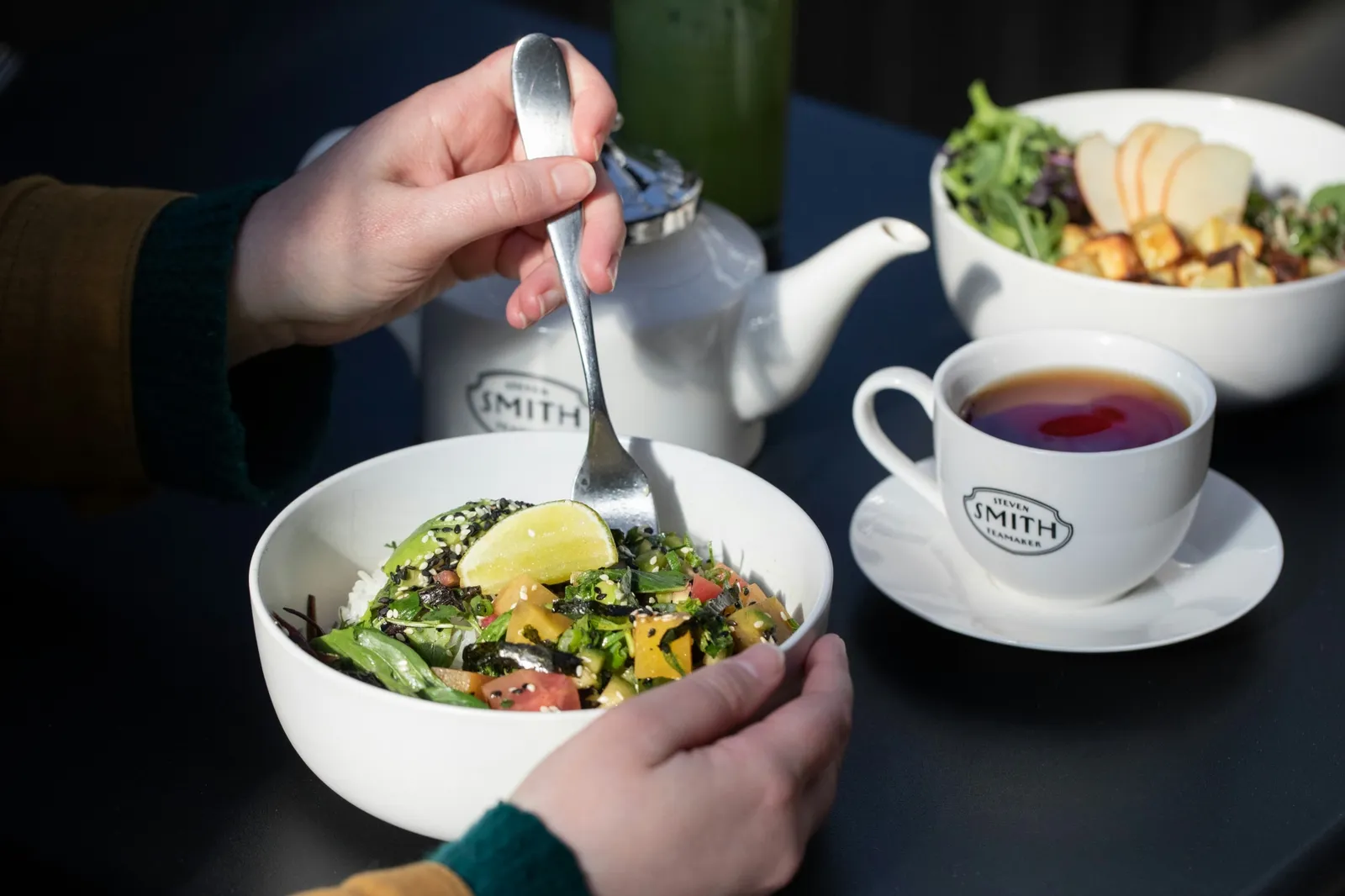
Karl Holl wants people to see tea as something more than a drink.
Certain teas are best enjoyed in a cup, but others can lift both sweet and savory cooking. Using tea in the kitchen goes well beyond matcha-frosted cupcakes, chai-spiced cookies, or Earl Grey ice cream. Jasmine, oolong, and other teas can find their way into baked goods, broths, marinades, and spice blends. At Smith Teamakers café, a vegetarian restaurant in Portland, OR that opened about a year before this writing, Culinary Director Karl Holl—named Portland Monthly Magazine’s 2018 Chef of the Year—designed a menu that incorporates tea into every dish.
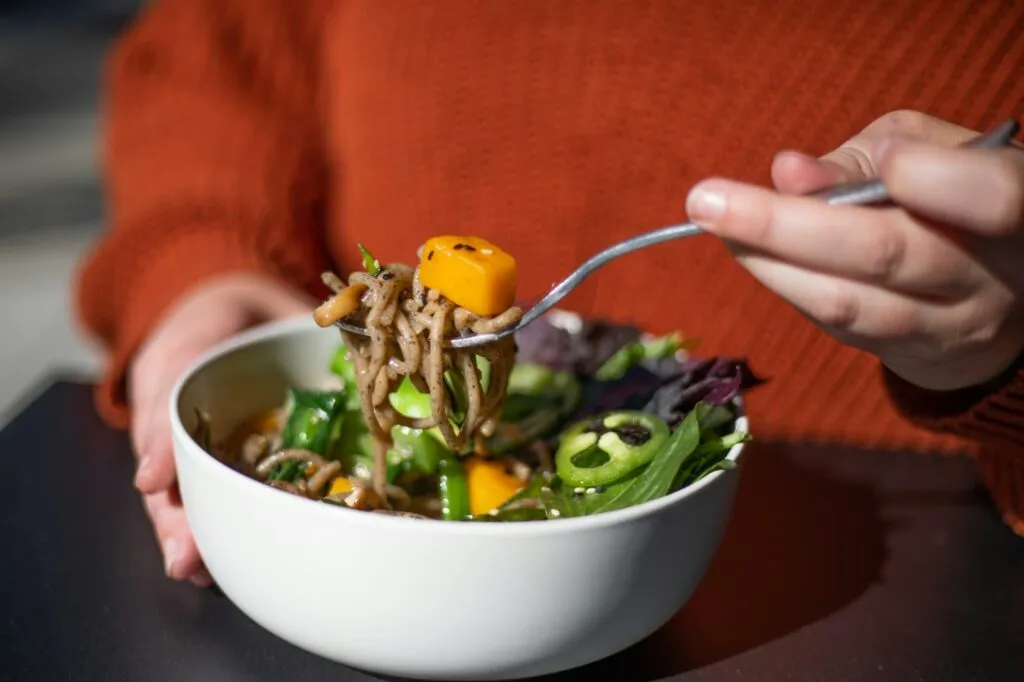
“I’ve always had a deep appreciation for ingredients, so when I approached tea as an ingredient in my pantry versus a beverage, it all clicked,” Holl says. “I didn’t think much of tea until I did my first tea tasting with Smith’s. It was like a light bulb went off. I was blown away.” Holl started to think of teas as a library of flavors, which led him to build a food program centered on tea as an ingredient.
Tea in the Kitchen
Just about any tea can be used for cooking—including the tea bags already in your cupboard. “Every tea has its place in a culinary capacity. It’s all about applying it in a way that makes sense,” Holl says. Tea will not transform a dish entirely. Its role is to add a light seasoning or infuse flavor.
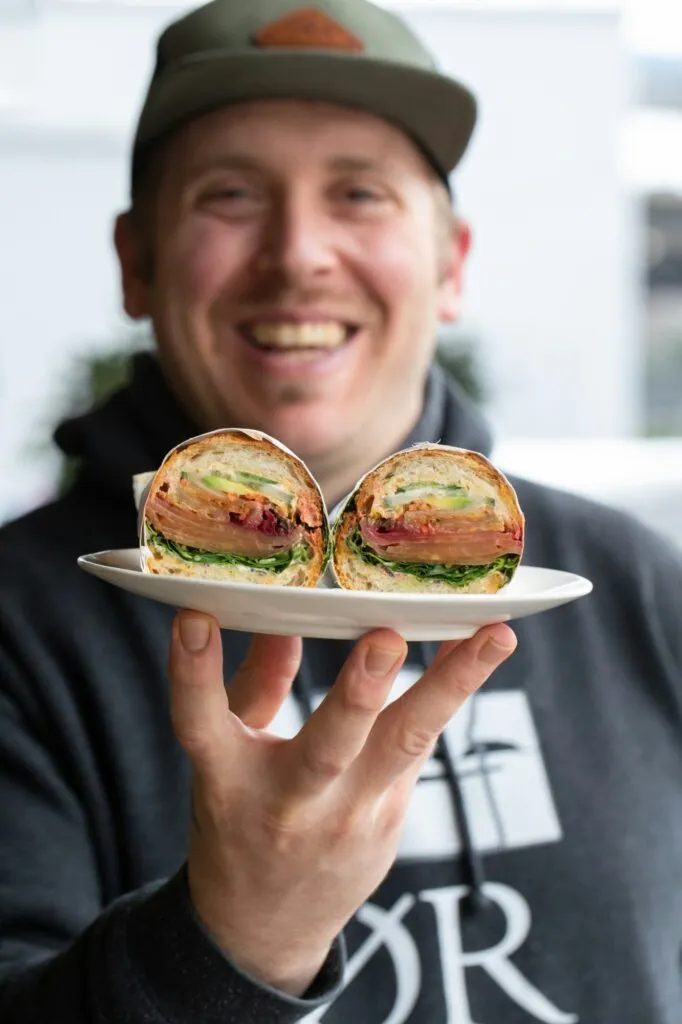
Holl’s first approach was to use tea as an aromatic. “Many classic preparations of food rely on aromatics. I lean on the techniques, but instead of using herbs or spices, I use tea,” he says. “Tea is a delicate ingredient, so I’m always delicate when cooking with it. Think of tea as an accent, like a seasoning. Start with a small amount and then build to taste,” he says.
A common mistake when cooking with tea is over-steeping or using too much. “Start with a little and work your way up like a spice. Follow steeping guides — three minutes for green and five for black/herbal teas. If the tea doesn’t come through enough, lengthen the time. If you over-steep, it can impart bitter notes,” Holl says.
Dishes That Use Tea
What excites Holl is drawing on tea’s many facets to add flavor and pushing how people perceive tea. He uses tea the way chefs use spices. He blends chai into powder for hazelnut chocolate granola, roasts beets in jasmine tea for beet poke, soaks overnight oats in breakfast tea, plumps raisins with cinnamon tea, folds chamomile tea into compound butter, ferments whole spent tea leaves for kimchi, and grinds turmeric tea in a spice grinder before blending it into noodles.
Infusing tea into jam is an easy entry point. “Earl Grey and berries are a match made in heaven. It adds a citrus and floral element to the jam,” Holl says. Cook the fruit down with cane sugar. In the last 20 minutes, steep the tea in a metal strainer.
One of the simplest substitutions is to use tea instead of water when steaming vegetables or cooking lentils. Holl cooks quinoa in sencha green tea. “I love working with the beautiful green briny flavor. It lightly perfumes the quinoa to take on a more savory flavor,” he says.
Lately, his favorite technique has been brining ingredients in tea. “I’m constantly inspired by Zheng Shan,” he says, referring to a smoked black tea from China. “We’re brining mushrooms in it for the Banh Mi. Brining is a really powerful way to impart flavor from tea into ingredients. I like the smokiness this tea lends to an ingredient without having to grill it,” Holl says.
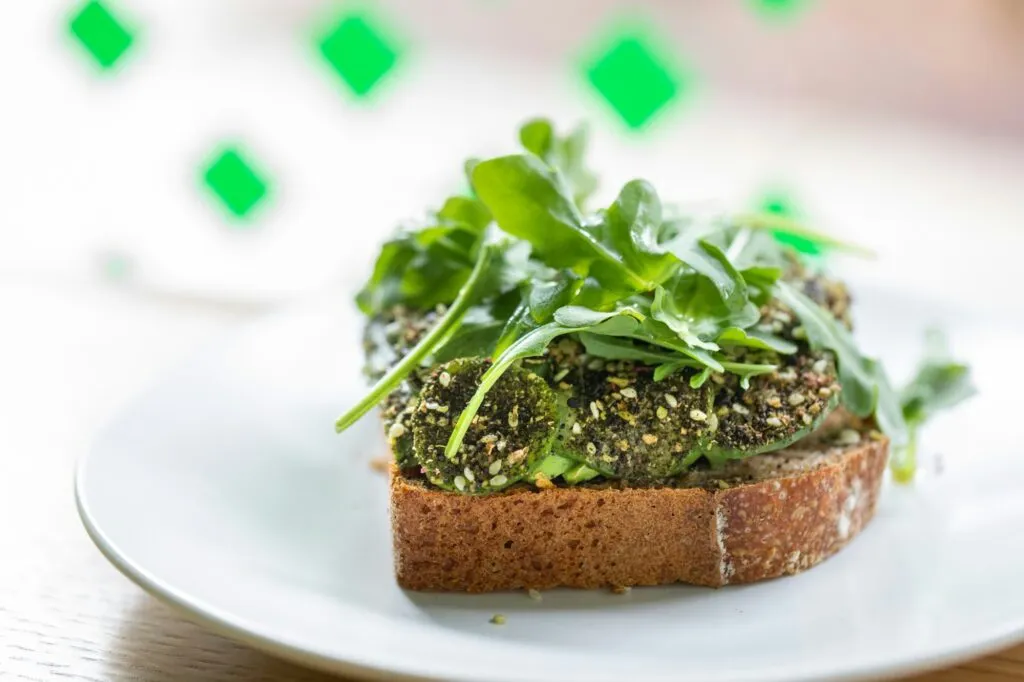
To make a tea blend, grind the tea to the consistency of a ground spice, then mix in salt and pepper. The “Peppermint Everything Spice” sells out daily and is used to season avocado toast. “Once people try it, they walk away having that same ah-ha moment I did.”