Beyond the Roast Date: Rethinking What 'Fresh' Means in Coffee
Roast dates on bags shape how many of us judge quality, yet sensory tests and barista experience suggest older coffees can still deliver. Here's why the industry's freshness assumptions deserve a second look—and how careful brewing and roasting choices can keep good coffee out of the bin.
By Jamie Scott4 min read
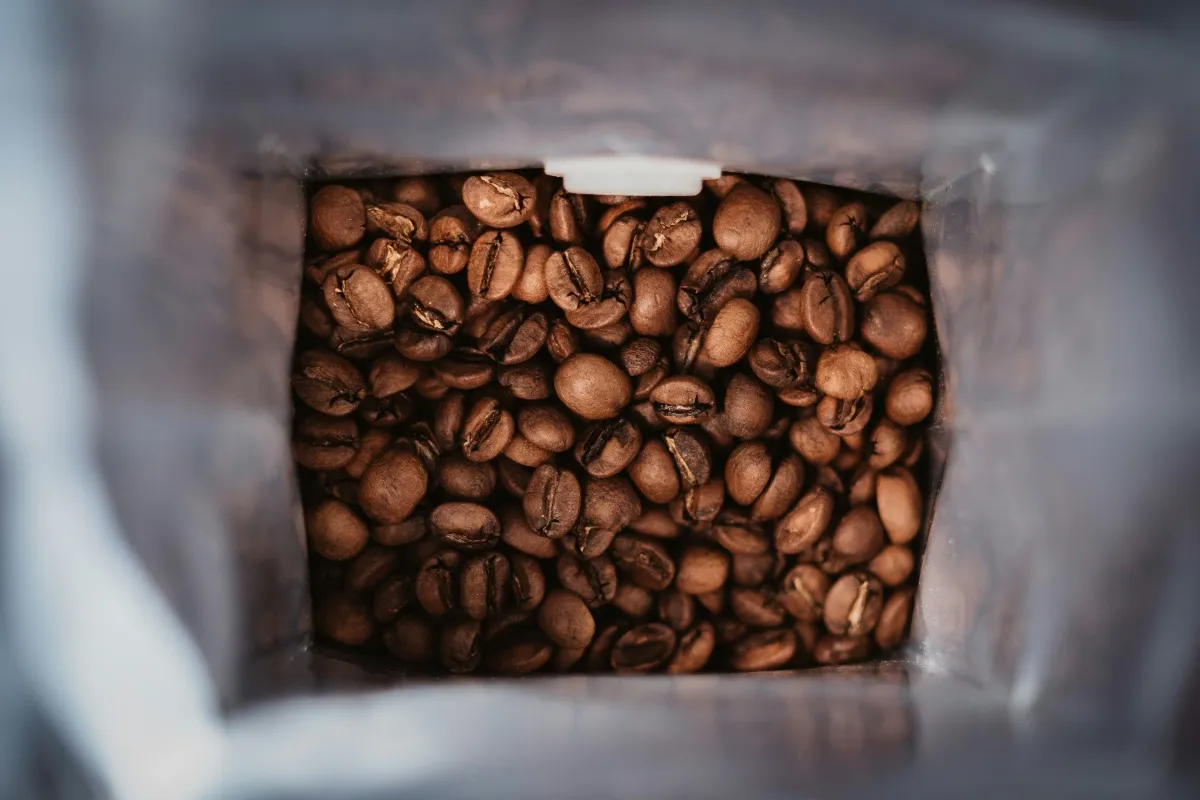
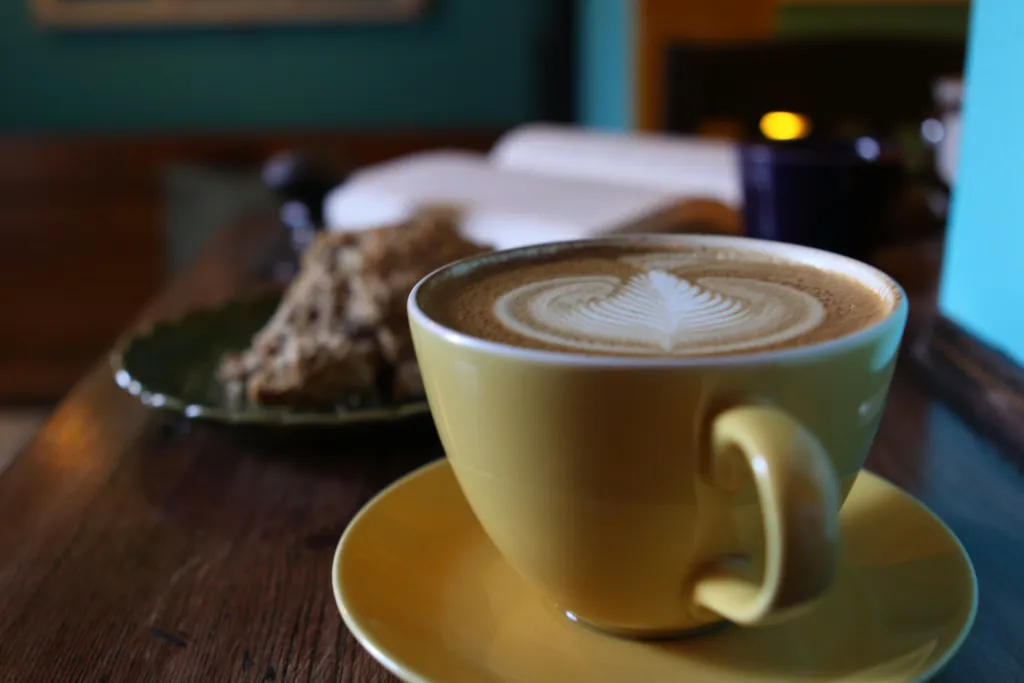
A good cup of coffee. Talk of freshness runs through advertising, through how we describe what we serve in shops—it's even embedded in the name of a certain coffee publication. Everyone is chasing the best cup, and for a lot of people, freshness is shorthand for quality. But what if chasing freshness has led us to overlook flavor?
My first lesson on coffee and age came from a manager who tossed beans three weeks off roast, saying they were past their peak. From then on, the dates printed on bags carried weight, and I started noticing how a coffee's roast date tracks with how it tastes. Aging does change flavor, and coffee shifts when oxygen, temperature swings, and humidity get involved. Even so, beans weeks or months off roast can hold onto flavor, and there are techniques for coaxing good results out of a coffee regardless of its age.
Brian Gumm of Ross Street Roasting in Tama, Iowa, summed up the conventional wisdom: “I heard the standard line from specialty coffee folks: any coffee within 2-4 weeks of its roast date is ‘fresh-roasted’ and anything beyond that, not so much.” I was once told espresso shouldn't be older than two weeks, drip should fall in the 2-4 week window, and anything past that belonged in cold brew or under milk and sugar. Yet plenty of assumptions about how coffee ages are just that—assumptions. It's time for the industry to rethink freshness and to find ways to use and reveal the flavors coffees develop as they age.
Time Doesn't Strip Away All the Flavor
James William of Cupboard Coffee, an app that lets coffee farmers share their stories, remembered that early in their career they “used to think that a coffee was protected from the aging process by its miracle one-way valve.”
We're taught that age and flavor move in lockstep, and much of how coffee is talked about and packaged reinforces that. Bags use one-way valves to keep contents fresh, pour-overs get marketed as the freshest expression of top-quality coffee, and products like Atmos Canisters minimize air exposure to preserve freshness. Yet in chasing freshness—or really, a good-tasting cup—we often pass up good cups that are right in front of us.
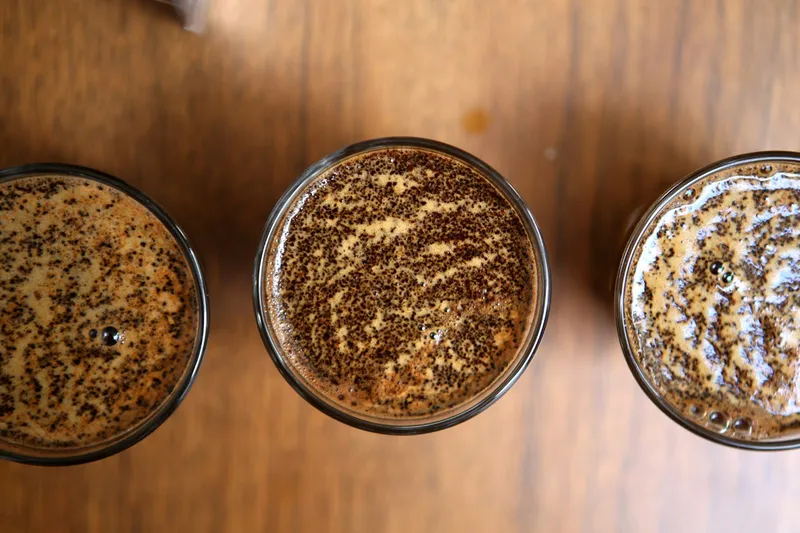
Jay Cunningham, who spent 20 years at Intelligentsia Coffee in Chicago and now directs sales at DOMA Coffee in Post Falls, Idaho, remembered a blind tasting staged to assess quality and taste. He tasted alongside Chris Kornman, who just released a book called Green Coffee: A Guide for Roasters and Buyers, and the coffees on the table had all been roasted on different dates. “the results shocked us—our sensory team scored some coffees that were a month or older the same as a week off roast. So I became a little less uptight about the roast dates.”
Veronica Grimm, Founder and Chief Glitter Officer at Glitter Cat Barista, a training program and event organizer for marginalized baristas, remembered finding a coffee more than a year old and brewing it with outstanding results. “It showed me that a lot of the age rules I had been taught are old and often steeped in the elitist culture we keep trying to move away from.” The notion that coffee is disposable and older beans should be discarded is something many baristas absorb—and it leaves people rejecting anything more than a few weeks past its roast date.
William's experience echoes Grimm's. William received a coffee from South African Barista Champion Winston Douglas: an Ethiopia Guji two or three months off roast. Brewing it left them stunned, because it “still tasted incredible.” Beliefs about when a coffee “should” taste best take root in baristas and customers early. A simple taste test, though, shows that many coffees remain enjoyable and delicious.
Creative Approaches to Age
Conversations about drinking old or aged coffee overlap heavily with conversations about waste. “As a coffee farmer, I understand that just the fact there is coffee in our cups is a miracle, considering how hard it is to produce, import, roast, and brew,” said Karla M. Boza Carbonell, Q Grader for Finca San Antonio Amatepec in El Salvador. With that miracle and the long process behind it in mind, how do we handle old coffee without wasting it?
The simplest way to waste less coffee is to brew it. Niki Tolch of Not Caffeinated Enough said, “I’ve also had luck in changing up the brew method on an older coffee and getting some of that original goodness back in my cup.” Baylee Engberg, General Manager at Guilder Cafe in Portland, Oregon, and Managing Director at #Shestheroaster, shares that view.
She pushes coffee professionals to get inventive with older coffees by “adjust[ing] a recipe rather than throwing away our coffee.” That might mean turning older coffee into cold brew, as many already do, or switching to a brewer that draws out different flavors. A French Press, for instance, can add body, while a Kalita Wave can lift bright notes from a coffee that tastes flat.
On the roasting side, Engberg had more to add: “Honestly, sell smaller bags… Re-profile your past crop. Buy larger quantities from one producer and repeat buy… Commit to drinking the whole f***ing bag.”
Engberg champions getting creative with past crop coffee—green, unroasted coffee that goes unsold or isn't roasted before it reaches its prime. (This varies by green coffee, but generally most people roast green coffee within a year of harvest.)
In September 2021, she even featured a past crop coffee in a special release with Glitter Cat for their Roaster Spotlight program. “My professional opinion is that each crop of green coffee has a ‘sweet spot’ when it’s tasting best. This sweet spot isn’t always when it’s freshest.”
A cup that tastes delicious and honors the long journey from bean to cup is what many in specialty coffee work toward. There are general guidelines for coffee, yes, but questioning our assumptions is how we cut waste—and it can produce surprising results. Acting responsibly in the coffee industry means making personal choices and pushing for larger, lasting changes across the trade.