Coffee's New Twist: Why Fruit Is Making Waves in Your Cup
Coffee shops across the US are experimenting with fruit-forward flavors, and the trend shows no signs of slowing down.
By Hayden Hall3 min read
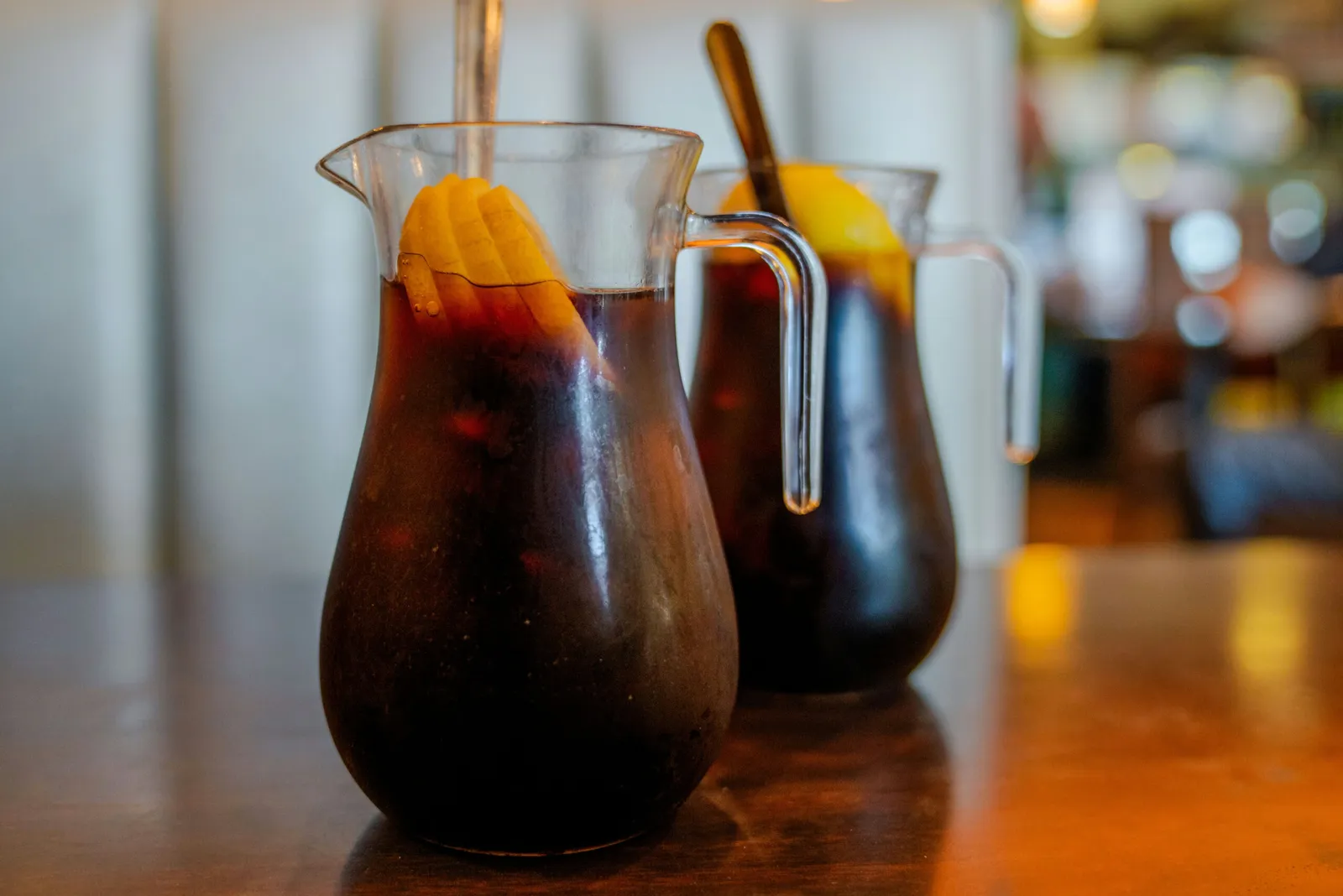
Fruit and coffee might seem like an unusual pairing, but a growing number of cafés are betting on it. I’ve been watching this trend take shape for years, ever since I first encountered it in coffee shops across Taiwan, Japan, and Hong Kong. One memory stands out: ordering an iced americano in Taipei and watching the barista reach for orange juice instead of water. That moment stuck with me.
Now, the trend has made its way to the United States. Data from consumer intelligence platform Tastewise shows that social media conversations about fruit-flavored coffee jumped by more than 23% over the past year—a sign that drinkers are increasingly curious about beverages that blend fruit-forward flavors with a sense of novelty. From what I’ve seen on the ground, more cafés than ever are crafting signature drinks with fruit syrups, juices, and purées.
A Peach of a Drink
Be Bright Coffee in Los Angeles is one of them. Founder Frank La, who won the 2024 United States Barista Championship, says the café’s strawberry-themed menu—offered for a limited time around Valentine’s Day—was its most popular seasonal menu of the year. The lineup included a strawberry cheesecake latte, a strawberry-dipped chocolate mocha with strawberry cold foam, and a strawberry matcha dream (a matcha latte crowned with strawberry cold foam).
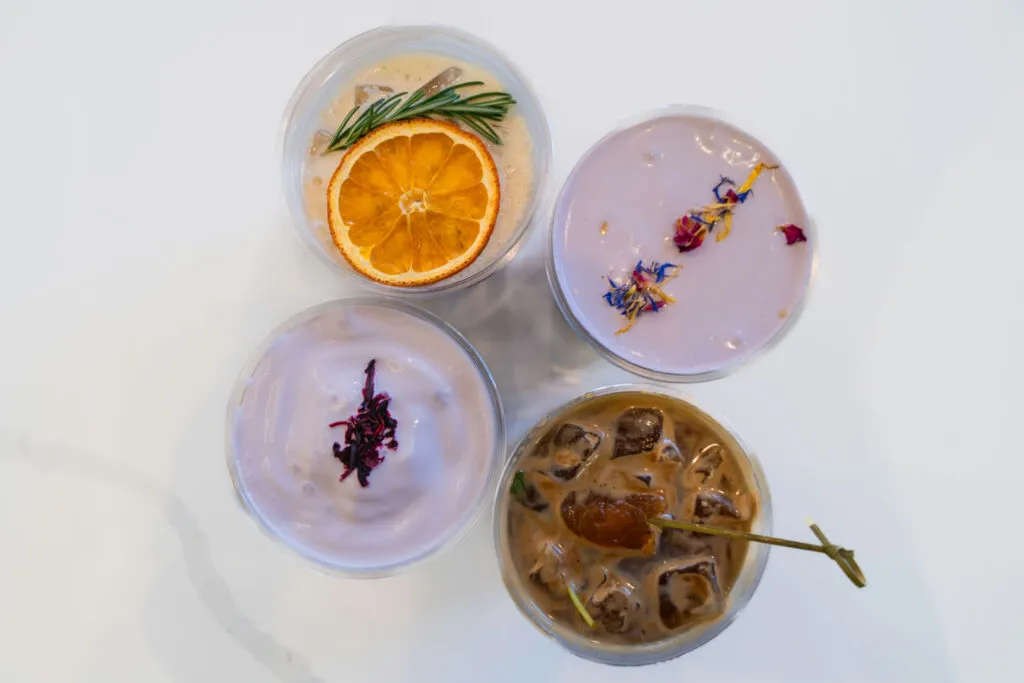
As La explains, incorporating fruit into coffee takes more consideration than simply adding pineapple chunks or apple slices to a drip coffee. “When using fruit as an ingredient with coffee, balancing sweetness, acidity, and bitterness is important,” he says. “Since espresso on its own has some acidity and some bitterness, fruit can be made into a syrup or reduction to amplify the fruit flavor in the drink but also lend sweetness and acidity.”
Take the orange blossom espresso tonic on Be Bright’s summer menu: it uses orange zest to brighten the drink, while tonic water brings a subtle grapefruit-like bitterness and sweetness. In the strawberry cheesecake latte, strawberry milk adds sweetness and acidity to cut through the richness of the mascarpone cold foam on top.
“We like to build drinks that use fruit to create balance in a drink, rather than to see it be the loudest, most prominent ingredient,” La explains. “We’re always trying to add just enough to see how it makes the drink delicious, but stop just before it becomes too much.”
For fruits that lose acidity once cooked down—dates, bananas, or apples, for instance—La recommends balancing the drink with a splash of citric acidity, such as yuzu or lemon juice.
California-based Verve Coffee Roasters has also noticed growing interest in fruit-inspired coffee drinks over the past year. “We started exploring this category by brewing a fresh take on a raspberry mocha, embracing fun pops of color and garnishes, and, of course, always starting with real fruit,” says Lyndia McGauhey, Verve’s vice president of coffee training and brand licensing.
Verve deepened its exploration of the trend this past year with the launch of an orange creamsicle latte made with housemade vanilla citrus syrup, along with a strawberry cold foam iced latte. “We find the trick is to balance sweetness with acidity, and always incorporate an element of depth, like chocolate, cream, or milk,” McGauhey says. Verve has plans to introduce more fruity coffee drinks this summer.
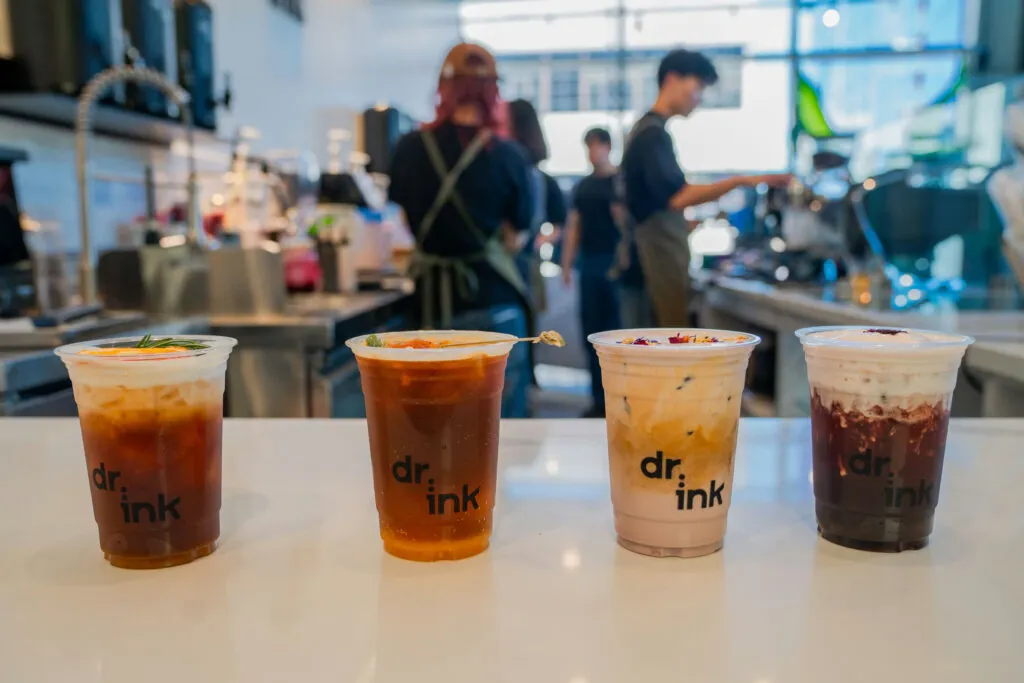
Serena Yang, founder of Dr. Ink in San Jose, has also embraced fruit-forward coffee drinks, drawing inspiration from fruit cocktails she tried on trips to Bangkok and Seoul. “We were really impressed by how bartenders were thoughtfully layering flavors; playing with texture and aroma; and using fruit in creative, balanced ways,” she says.
Yang says she always begins with the coffee—its flavor notes, body, and acidity—and builds from there. “For example, a juicy, floral Ethiopian cold brew might pair beautifully with orange or white peach purée,” she says. “While an Ethiopian and Colombian blend espresso might call for a creamy citrus or berry-based topping to provide contrast. Texture is also key. We consider how the drink will feel, not just how it tastes, to create a more complete and satisfying experience.”
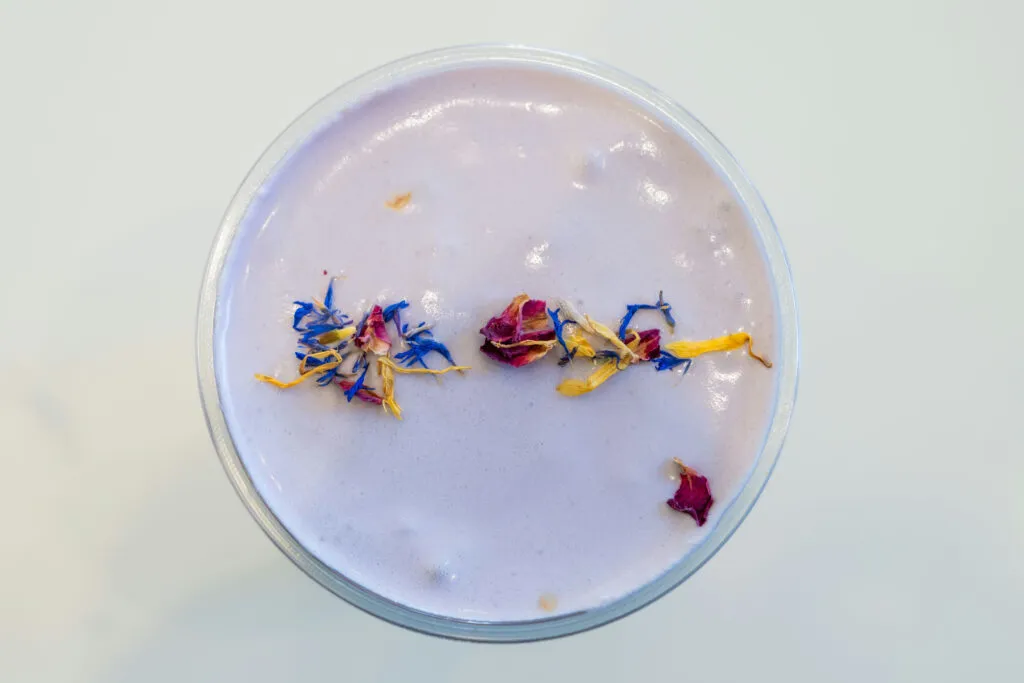
Current menu favorites include an espresso tonic with apricot purée and a latte with blueberry cold foam. Cold brew with orange purée and oat milk foam is another refreshing summer pick. Yang works with local California farmers whenever possible, which she says really intensifies the fruit flavor.
“It’s fun to experience coffee through a brighter, more seasonal lens,” she says. “We were inspired by how naturally certain fruits pair with high-acidity coffees—like citrus and tropical fruits—and how they can highlight or contrast a coffee’s origin characteristics.”