Kin Coffee: Small Roaster, Big Zero-Waste Ambitions
Gregory Salmon and Kate Frost of Kin Coffee, a small roastery in Kent, have learned that sustainability demands constant tweaking—from glass jars to compostable mailer pouches—and they keep adjusting as better options emerge.
By Finley Green5 min read
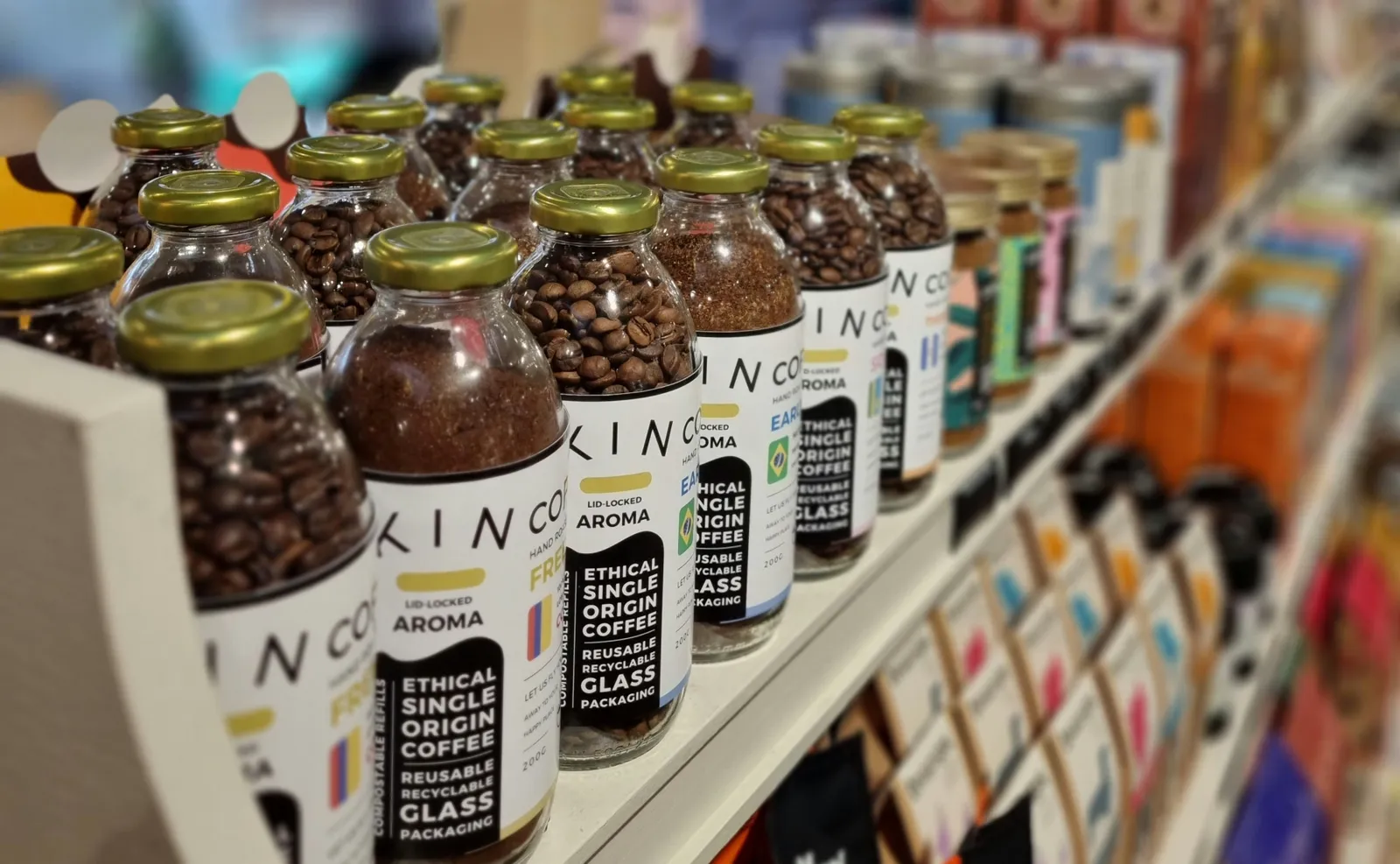
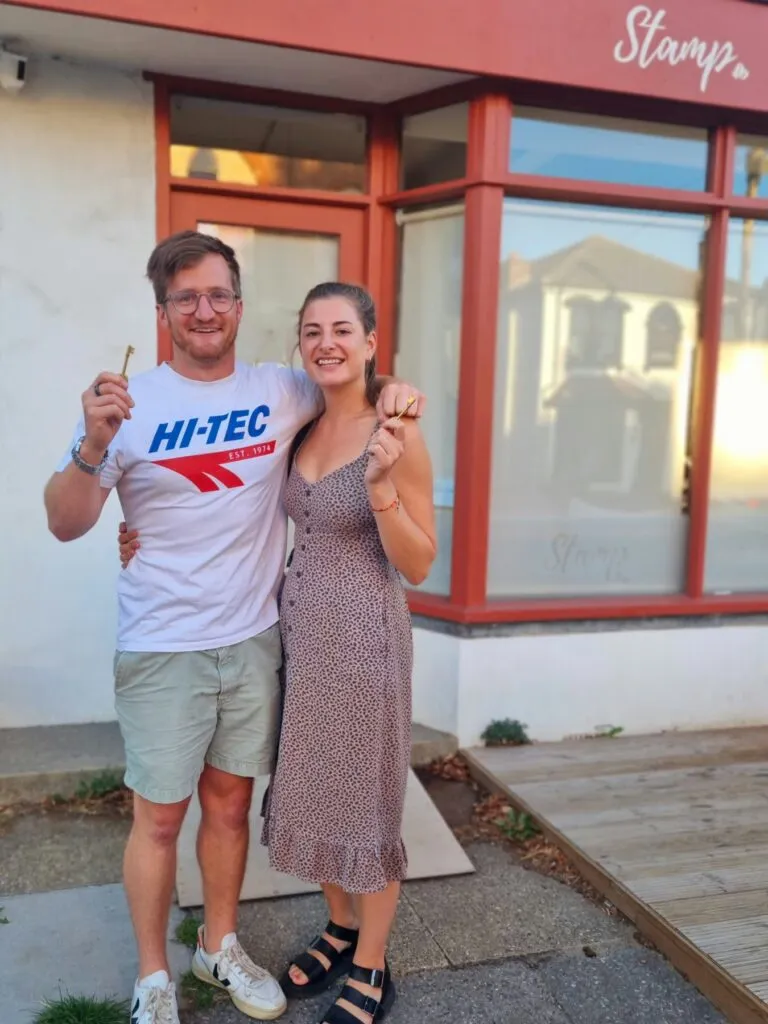
Kin Coffee, a small roastery in rural Kent, UK, began operating as the COVID-19 pandemic took hold. The founders, Gregory Salmon and Kate Frost, started out in a repurposed shed in a family member's garden and have since been working through the practical challenges of building a sustainable business. In October 2021, The Times (London) included Kin among five UK coffee brands to watch, highlighting its whole bean and ground coffee sold in reusable glass containers.
According to Salmon, progress has required "extensive research and being a bit bullheaded." Some fixes are straightforward, such as shredding used cardboard for shipping packaging, or turning old burlap bags into bags, pillows, and seat covers. Other issues, like finding environmentally friendly packaging, have proved harder to resolve.
Solving the Packaging Puzzle
Before selling at local farmers' markets, Salmon and Frost were set on using recyclable packaging. They began with plastic pouches labeled "fully recyclable," only to learn that the material was level 4 recycling (low-density polyethylene, or LDPE), which needs a specialist facility. This led to considerable "wish-cycling," Salmon says: many customers saw the symbol on the bag, assumed it was fully recyclable, and put it in their home recycling bins without realizing it required specialized treatment.
Wish-cycling—putting items that cannot be recycled into recycling—is a global issue. A 2021 survey by the UK-based Waste and Resources Action Programme (WRAP) found that 85% of UK households placed one or more items in their recycling that they assumed were recyclable. In 2019, 25% of US households did the same. When non-recyclable items are wish-cycled, recycling plants face contamination, and loads often end up in landfills. Climate scientists say improper recycling is becoming a global crisis with a significant effect on greenhouse gas emissions.
Salmon and Frost therefore knew they could not stick with their original coffee bags. After extensive research, helped by Frost's experience in a glassware import business, they chose milk-bottle-style glass jars that can be recycled or reused.
Glass, however, brought its own problems. "The key problem with glass is it's really difficult to get anything with a valve," Salmon says. Frost adds: "And we didn't want any glass bottles exploding on retail shelves." Freshly roasted coffee releases gas over time, and a one-way valve is needed to keep pressure from building inside the glass.
The first valves they bought were a mistake, Frost says: thick plastic stick-on valves attached to the jars' metal lids, which could not be recycled at home. The valves also required considerable manual work—punching a hole in each lid and attaching the valve with food-safe glue.
Frustration drove change. "We knew there were these sticker valves we wanted, but you had to order 78,000 at a minimum," Frost says. "But we were very persistent" and kept requesting samples to test. When the samples finally arrived, "that was the game changer."
The new valves, Flexis™ One-Way Coffee Valves, use 90% less plastic than the standard hard valve and are very thin, with a three-layer secure seal. The full container is now fully recyclable and reusable; some customers report using the jars for home food fermentation.
In Search of Better Packaging
Kin also needed a small, lightweight pouch for its monthly subscription service, which sends coffee by mail. A biodegradable pouch proved cheaper to mail than a glass jar, and customers could pour the ground coffee or beans into their Kin jar. The plastic pouch they first chose is home-compostable and made from cellulose derived from renewable wood pulp, but this eco-friendly option had drawbacks.
The compostable bags take about six weeks to break down. Decomposition is slower in winter, while summer heat makes the bags oily and speeds up the process. If the bags get wet, the packaging breaks down—a major problem if coffee is still inside, since it must be decanted immediately. Still, as Frost and Salmon point out, if the bags end up in landfill, they are not adding more plastic to the ground. Salmon calls eliminating that bit of plastic "the key takeaway: it's the best we can do at the moment."
Since the initial interview with Kin, the company has switched to another solution for mail-order customers and farmers' market buyers: paper pouches. The change came after Kin searched for larger paper pouches for wholesale clients. They looked for a paper bag with a compostable valve for wholesale use and found that paper coffee bags presented the same valve problem as glass jars: finding a degassing valve that the end user can recycle was problematic here too.
Frost stresses that they have approached each new challenge "one problem at a time" while continually looking for better eco-friendly products as they come to market.
Through The Bag Broker UK, Kin found the paper coffee bags it now uses for retail and larger bags for wholesale. Made from compostable kraft paper, wood pulp, and sugarcane sealant film, the bags are produced with non-fossil fuels and are fully compostable at home and with industrial food waste (though not recyclable). "They're the only place in the world that does them," Salmon says, "as far as I'm aware."
Packaging for the Future
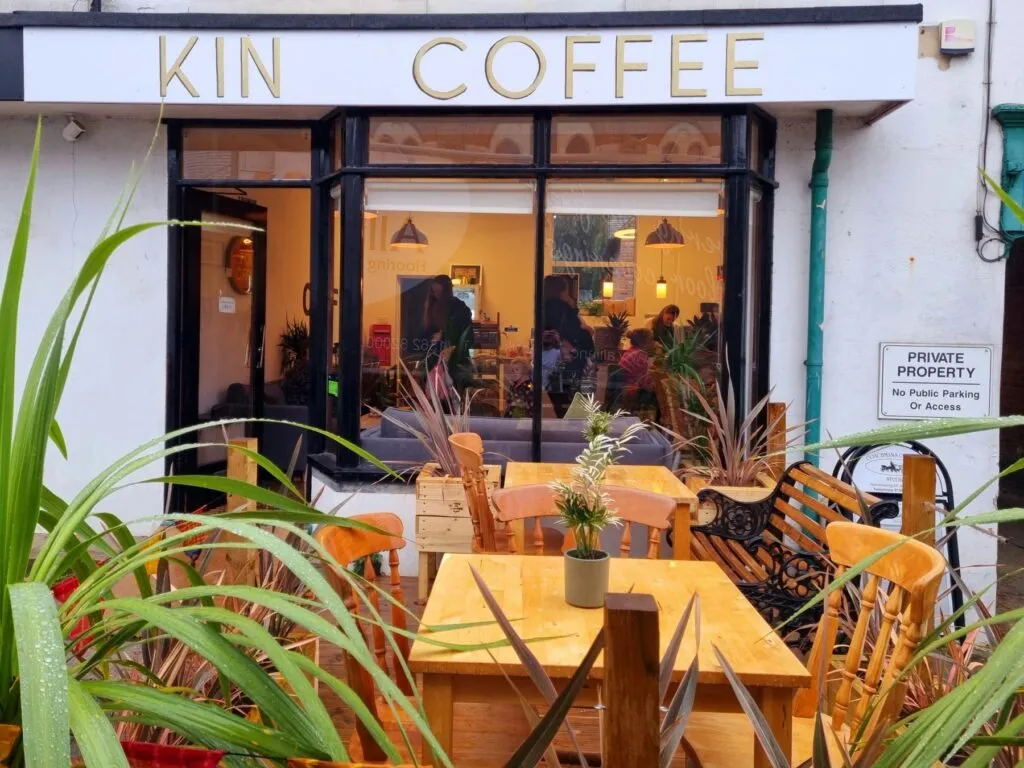
What do Frost and Salmon envision for Kin's future? They have just moved operations from the garden shed into a coffee shop with a roasting facility. They will continue their environmental efforts while watching industry changes. They plan to start recycling coffee grounds into coffee bricks through a company like Bio-bean and are investigating a larger, more environmentally friendly roaster—but they are taking things one step at a time.
They see a lot of movement in packaging options, including compostable and recyclable plant-derived bags. "We're not alone in what we're feeling," Frost says. "There's definitely been a movement to get coffee bags into something that, for the end user, is easily recycled and composted. You start from the beginning, make those small steps, and everything adds up."
The pair will keep setting high standards for Kin. "We're almost at the point of being zero waste," Salmon says. They compost all their chaff, recycle all cardboard, use spare burlap coffee bean bags in the garden for planting tomatoes, and even sell them to people who want them for sack races at home.
"As long as you've got a clear guiding light of what you're after," Salmon says, "you'll find the solution."