Building a Local Hub: Five Strategies for Café Owners to Cultivate Community
Operators of independent coffee shops share how they connect with neighbors, involve staff, and respond to feedback to create a welcoming gathering place.
By Casey Adams5 min read
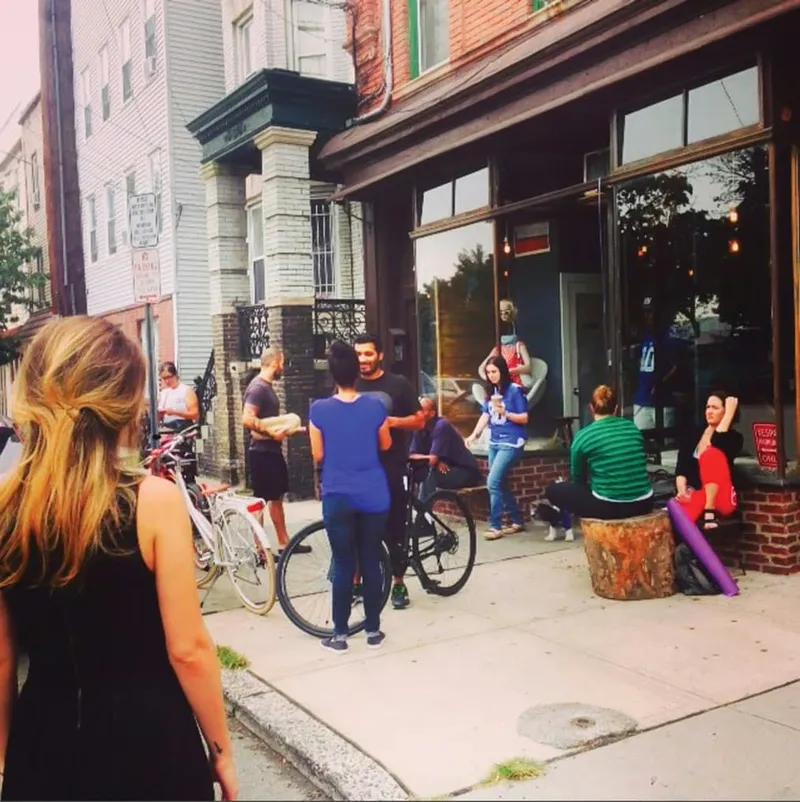
A café's appeal goes beyond what's in the cup. Patrons visiting independent coffee shops often seek an experience they'll remember, not just a freshly brewed beverage. To stand out, smaller establishments are increasingly focusing on creating a sense of community around coffee.
When starting a new café, how can you discover what your neighborhood truly wants? We asked business owners who have turned their coffee shops into community anchors for advice on nurturing that connection.
Connect Face-to-Face with Your Neighbors
According to Mike Schroeder, co-owner of Oddly Correct Coffee Roasters in Kansas City, nothing replaces being physically present to build communication with your community. He advises against depending solely on digital tools—social media or online forums—and suggests fostering in-person relationships whenever possible.
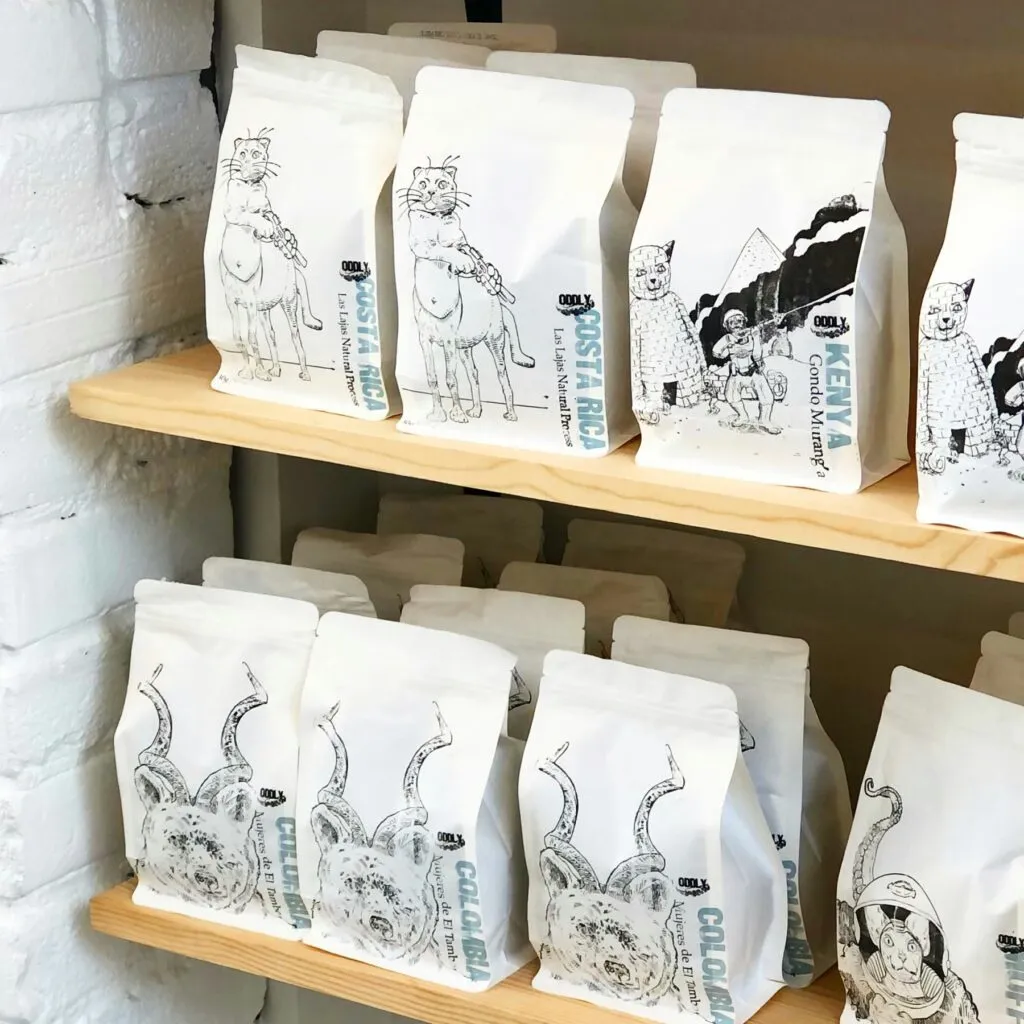
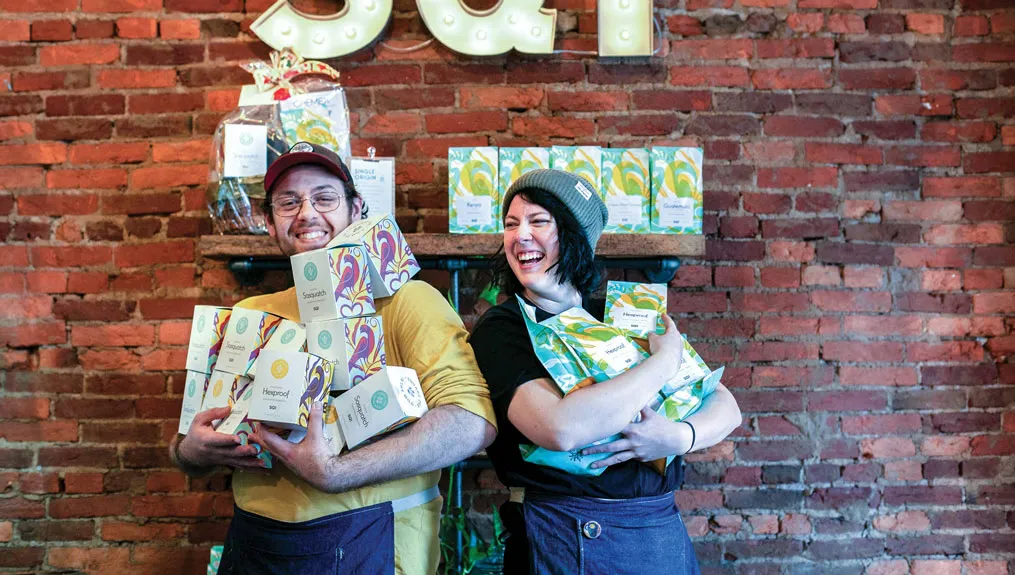
Oddly Correct
Many businesses today use social media to engage their community in an accessible way. While an online presence is valuable and often necessary, it may not give you a full picture of your local community; instead, you might only interact with those who choose to engage with you.
Schroeder explains that social media's insular nature can sometimes provide a curated set of views and perspectives. His team instead gets involved by hosting neighborhood association meetings at the coffee shop, visiting the local community garden, and shopping at neighboring businesses.
Depending on your location, you might be able to walk down the street and meet other businesses in your community. Schroeder shares that when Oddly Correct moved from its downtown location and reopened in the residential community along Troost Avenue, speaking with business owners from nearby restaurants helped leadership be more thoughtful about their impact on the neighborhood.
“We were going to expand our food offerings, so we talked with other businesses about their menus,” he says. “We didn’t want to come in and offer a similar item as someone who’s already here, so we changed some of our plans for menu items. We didn’t want to step on anyone’s toes.”
Engage Early (And Often)
One way to establish yourself as a community-focused business is to get involved in community events early—perhaps even before you feel ready. Amanda-Jane Thomas and Shanita Nicholas officially opened the doors to Sip & Sonder in 2019, but they started inviting the community into their space as early as September 2017.
“We opened our space up before we were really done. There was still drywall on the floors and walls to be built, but we started having programming in our space while we were still building,” says Nicholas.

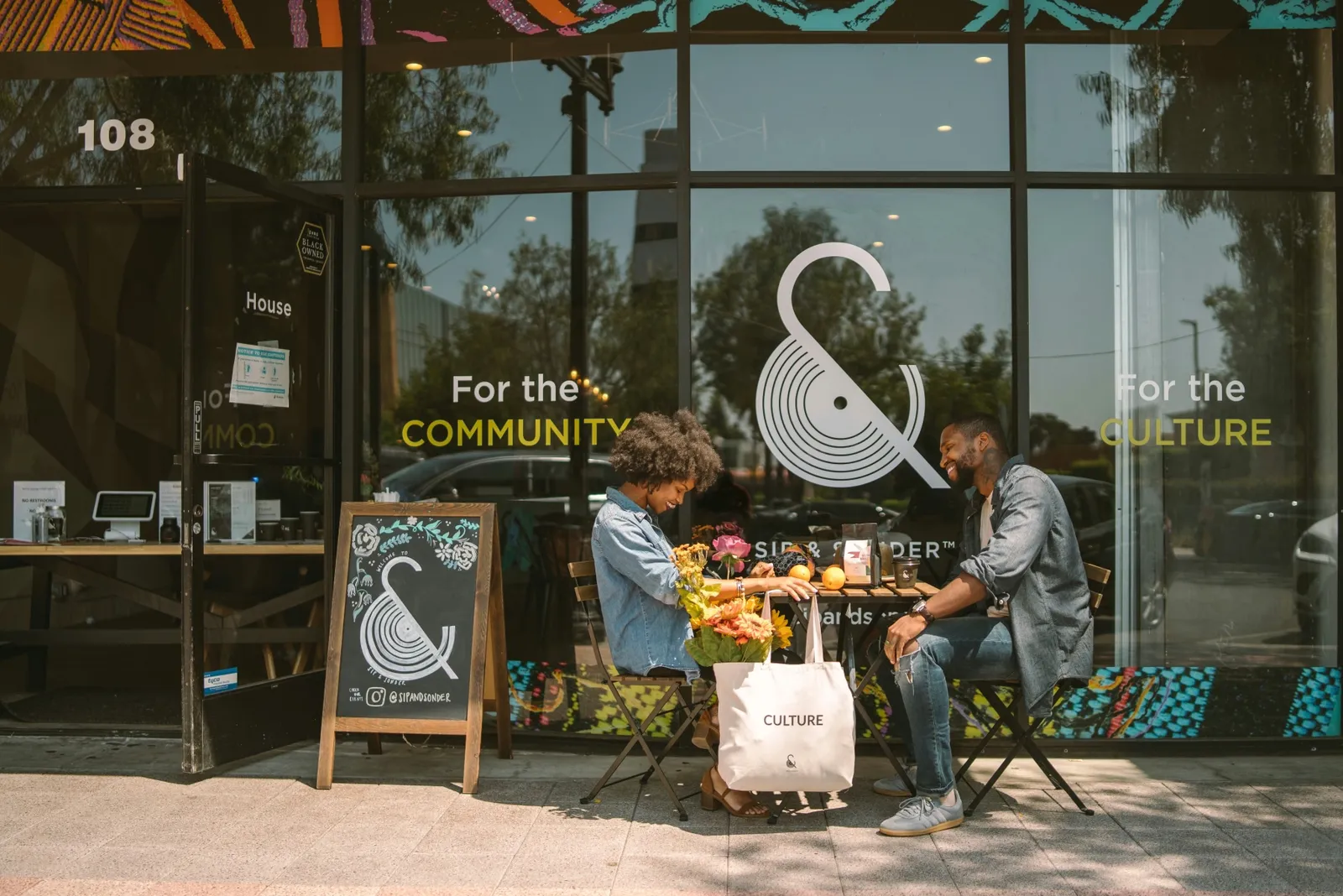
The founders of Sip & Sonder
In the beginning stages of launching their Inglewood-based coffee shop, the two business partners wanted to create a gathering space for entrepreneurs in their local community. Their original menu included beer and wine products, but those plans quickly changed after the early conversations with future customers.
“We would’ve had to close off the space to people under the age of 21. After hearing what that space could mean to the community, we wanted to make sure that it kept that integrity,” explains Nicholas. That’s how the duo decided to make Sip & Sonder a family-friendly space for their community.
Get Your Team Involved
Running a busy café can be demanding for baristas, especially during peak times, but Thomas says it’s crucial to make every interaction with customers fantastic.
“People come in and want to talk with our baristas from anything related to coffee to everything else,” says Thomas, “whether that’s programming, things they want to see happen, or questions they have about ways to collaborate.”
Thomas adds that fostering an environment that encourages organic conversations is key because a lot of communication with the community happens naturally inside their physical space.

Sip & Sonder
Shroeder agrees that creating a culture where employees feel involved can foster community and connection. Baristas might grab food or drinks in the neighborhood after their shift, so your staff is likely already interacting with community members.
“Any café owner will tell you that finding time to actually get out and go to places is really difficult,” says Shroeder, “but having an invested staff is great for that because they visit the other places close by and support their businesses. They do a lot as far as bringing back what’s happening in the area.”
Be Receptive to Feedback
Feedback is one of the most valuable resources for any café. As a business owner, you must be able to take constructive feedback, both from customers and from your community.
“I am so appreciative every single time feedback comes through. I extend an offering back of a thank you and free item on their next visit, but I think it’s about that openness to receiving it. Because I find that it comes from a positive place of ‘I want you to grow and succeed.'” says Nicholas.
Being open to feedback is a quality that never goes away, advises Thomas. “As long as you remain in the service industry, people will have opinions, and it’s up to you to listen.”
Work in Another Coffee Shop
You need to know as much as possible about running a coffee shop before you open a café, according to Eric Nicol of Loyal Coffee in Colorado Springs. He’s one of the owners of the barista-owned and operated coffeehouse, which started as a collaboration between six members of the community.
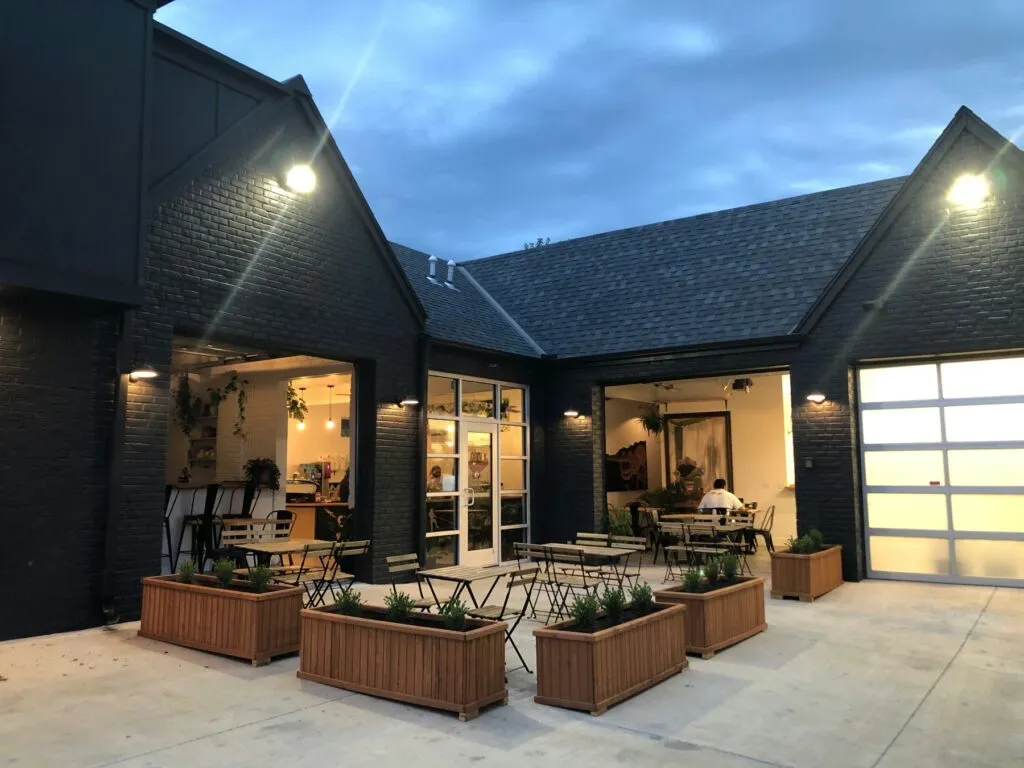
Oddly Correct
“All of us had worked at coffee shops in Colorado Springs over the last several years. Some of us more than others, but in general, we had already built a level of community,” says Nicols, “we didn’t learn how to run a business, necessarily, but we did learn how to operate a coffee shop in the community that we were in.”
He recommends business owners get experience from behind the counter before opening a store. “If you’ve never worked in the industry before or haven’t spent time working in the area that you’re in, I think you should,” explains Nicols.
Or you should find somebody with barista experience and work with them, even if they’re hired on as an employee or contractor, Nicols adds.
Community engagement is an active process. It requires business owners to continuously work to understand their neighbors’ needs, seek feedback, and collaboratively build up their fellow businesses.
A café doesn’t exist without customers, and the best spots to visit are the places well-loved by the locals surrounding the shop.