Building a Budget That Fits Your Business
Entrepreneurs share practical approaches to managing money—from cost calculation and goal setting to forecasting and trimming expenses—so you can steer your business with confidence.
By Taylor Hayes9 min read
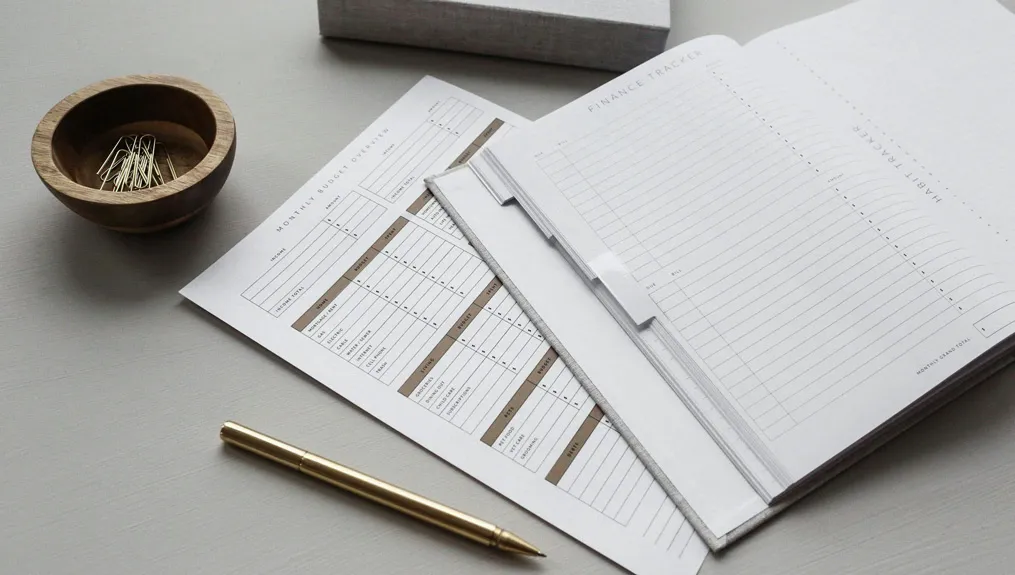
Money is rarely the simple part of launching or running a business. Some coffee and tea business owners rely solely on personal experience to handle their finances; others have been operating for years and still want to try something new with their profits. But budgeting doesn’t have to be an obstacle. The entrepreneurs below offer practical advice and strategies.
Start by Understanding Your Costs
A basic spreadsheet—or even pen and paper—can help you see how much money comes in and how much goes out. The key is to begin visualizing the numbers.
Bola Sokunbi founded Clever Girl Finance, an online platform and community that offers personal finance and accounting courses. Sokunbi, who is also an author, posted a YouTube video aimed at business owners titled “Starting A Business The Right Way: How to Create A Simple Business Budget,” which has drawn thousands of views.
To get started with budgeting, Sokunbi recommends at minimum listing every essential expense required to keep your doors open and grouping those that recur each month. That way, she says, you can learn to look beyond the raw numbers.

Budget Tips for Shops from Clever Girl Finance:
- Identify your business goals and include them in the budget
- Treat recurring costs as the foundation of your budget to keep operations running
- Set up an emergency fund
- Break down sales sheets by product to see which items sell and which don’t
Bola Sokunbi. Photo by Caroline Beffa Photography
If you’re launching a new business, startup costs should also be included, she says.
“Once you factor in startup costs, you can determine how long it may take to recoup them by taking the startup costs and dividing them by six months, a year, and say, ‘Okay, now I know how much extra I need after my essential costs are covered to recoup starting costs,’” says Sokunbi.
Business finances, like personal ones, can rise and fall, she adds. You should track the costs that keep your business running, and over time also set aside a specific amount for emergencies such as economic downturns or slow seasons.
“Build a line in the budget that has a goal to set aside a fixed amount every month,” says Sokunbi. “Have a business backup. For example, business may be slow and instead of letting parts of your team go, you can continue to pay them. Or maybe you will need to upgrade your equipment. By doing this, this makes you rely less on debt in uncertain times.”
Clarify Your Business Goals
While digital tools like QuickBooks and Microsoft Excel are useful for budgeting, Sokunbi says your goals as a business owner matter just as much.
“Those programs will tell you how much you made, how much taxes you owe…but they don’t really align with what your goals and objectives are,” she says.
“Say I want to make $500,000 this year, or I want my business to be profitable by June,” she continues. “That is where budgeting comes in. This is where business owners need to be proactive and not to rely on that software. Those tools can’t read your mind.”
By setting aside money through budgeting, you can gradually turn goals into reality or develop a repayment plan for capital you’ve borrowed to reach them.
“Think of it as you are telling your money what you want it to do for you and your business, based on your plans and your goals and objectives for your business to be not only profitable, but to grow,” she says.
Budgeting can certainly feel daunting in the coffee and tea industry. Sokunbi notes that many people enter the field because of their passion for coffee, with finances the last thing on their minds—just like entrepreneurs in any other sector.
“[Many people are] trying to leverage a business as a way to get ahead, but there might be aspects of finances in their personal life that they don’t even understand,” she says. “And so it makes it even more so difficult and more so uncomfortable to have the conversation from a business perspective.”
Forecasting Matters Just as Much
Sahra Nguyen founded Nguyen Coffee Supply in Brooklyn in 2018. Her company imports green coffee directly from producers in Vietnam, offers single-origin roasts and more, and sells to consumers through its website.

Sahra Nguyen (right) visiting coffee farms in Vietnam.
After several years of ownership, her key takeaway is: budget—but also remember to add financial projections.
“The closer you stay to your numbers, the more control you’re going to have over your business and the more empowered you’re going to be as a business owner and entrepreneur,” says Nguyen.
She believes that outlining a financial model—summarizing a company’s expenses and earnings in a spreadsheet that can be used to calculate the impact of a future event or decision—can help businesses project or forecast what future finances will look like.
“You can always find the formula that works best for you,” says Nguyen. “It’s also about how much you want to walk away with like, do you want to make a profit? Are you looking to just break even? I think staying flexible is important, and financial modeling allows you to easily shift your budget and prices if you need to.”

Sahra roasting in Brooklyn (left), and at Essex Market in NYC.
For a new business, a financial projection can estimate spending based on recurring costs and how much you hope to earn from sales, helping you determine outcomes. This can show bankers or investors your path to repaying loans, growing, or sustaining your business. And for those who have been in business for a while, projecting can mean staying on track or making profitable—or even bigger—moves.
Review, Then Review Again
Actively reviewing your budget and projections can make a real difference for the future.
“Look at your prior month’s budget, even your last six months of spending,” says Sokunbi. “There are so many incredible insights and many people will shy away because they think they are not making enough money, but there are so many golden gems and nuggets in your history of your business.”

Two of Bola Sokunbi’s books on finance.
To begin, Sokunbi suggests examining your business’s past budget, past expenses, and past spending, then identifying the largest areas and determining whether that spending is necessary. It also reveals, based on revenue coming in, what is making you money and what is not.
“You might find the biggest bulk of spending is your coffee, and that is okay, but you might find that you are spending more on coffee cups than you should be,” she says. “Or…let’s say you have 10 different types you offer, you may find that there are actually two coffee products that are your top sellers that are bringing in so much money for you, but you have high expenses on the other eight products, [which] is another opportunity for you to cut back on your spending for those eight products….Put more of your spending towards the products that are doing well for you to try to earn more money. How can you adjust things, is there opportunity to save more so that you can widen that gap between your revenue and your expenses, which essentially is your profit.”
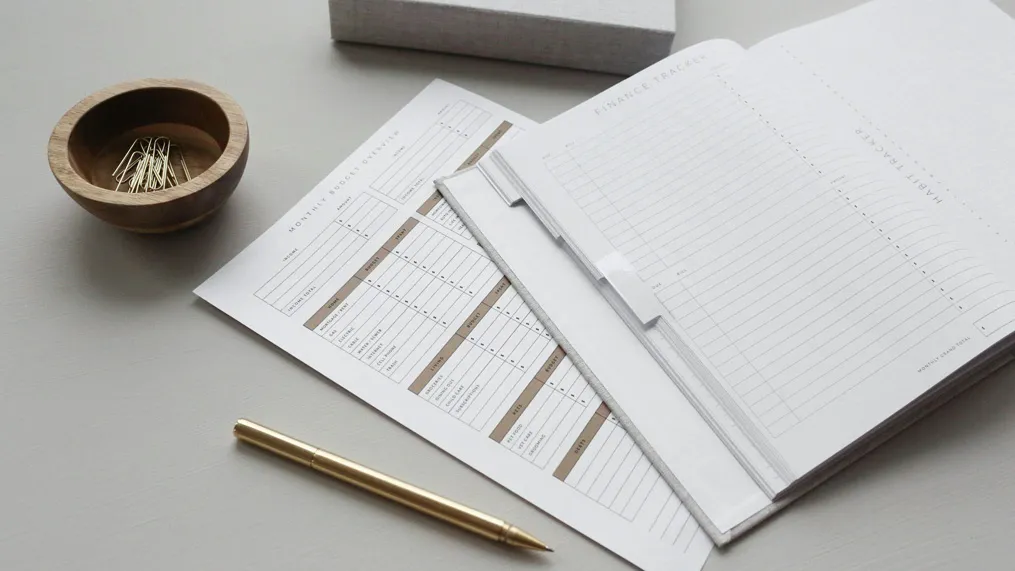
Financial Projecting 101
- Use last year’s sales numbers as the basis of your projected sales numbers
- Find free projecting spreadsheets online to begin to play around with your numbers
- Check in often, and remember these numbers are educated guesses
Invest in Marketing
Marketing can add significant expense to your ongoing business costs, but it can be well worth it to boost foot traffic and/or digital traffic.
Nguyen handled her own marketing when her business started and has recently outsourced it as her company grew over the years.
“I have the unique advantage as a super creative person and someone with a background in media, so I created all of it,” she says. “For those who do not own their marketing, it is very important to invest in because it is a big opportunity to connect with your audience, and it is a place to have first contact with potential customers.”

Nguyen Coffee Supply understands the strength of good marketing.
Nguyen also suggests taking out a small loan up to $1,000 as a trial for experimenting with applying marketing services to your business plan.
“If you do that, I would say be mindful how it will affect your cash flow because paying it back will take partial revenue each day,” says Nguyen. “Ask how marketing could bring value to your company, whether it is new customers, and set goals so you feel you’re getting value out of it since it can be hard to put a direct ROI on marketing.”
No Shame in Starting Small
Running a bare-bones operation to start could mean faster profits and growth.
Janine Awan and her husband Saadat Awan of Woodcat Coffee in Los Angeles started with limited furniture and a limited menu. After gaining awareness in the community, the couple was able to afford to do more.

Janine and Saadat Awan of Woodcat Coffee.
“A lot of businesses take out loans and just want to finish the place,” says Janine Awan. “We had nothing on the walls. We barely even had tables and chairs. We just were like, let’s start, let’s start appealing to the neighborhood and proving to them that we know what we’re doing….Six years later, we’re doing great. We just started roasting this year, which is going to help us save even more money.”
The Awans, like Nguyen, also drew from past professional experience to boost their business. Saadat is trained in MEP (mechanical, electrical, plumbing) engineering, while Janine is a professional designer and illustrator.
“We have been DIY from the start with Woodcat,” says Janine. “That is probably my biggest piece of advice, that if you are brick and mortar, you do not have to have all the things right away. Start small.”

Coffee bean packaging at Woodcat Coffee.
During times of uncertainty, like with the COVID-19 virus, finances can be tight, and working with a limited, stripped-down budget can happen.
“What are those recurring costs that you need to have in place at the very least that will still give your customer that amazing experience, but will not put you over budget and eat into your profits?” says Sokunbi. “Emergency funds set aside [during budgeting] can help you weather the storms during those times, or low seasons.”
Hungry Bunny Virtual Donut Shop in Wichita, Kansas, opened up in March, just as the United States saw COVID-19 cases rise. Its owner and creator, Khloe Hines, lost her previous job during this time, and decided it was time to launch a longtime dream of hers to own an online-based doughnut shop.

Khloe Hines opened Hungry Bunny Virtual Donut Shop in March.
Everything came out of her personal pockets in the beginning, says Hines. She does her own grocery shopping for the business, makes her own stickers, sends packages, does local deliveries—you name it, Hines does it.
“Don’t be afraid to ask for help, when it comes to the budgeting aspect of running a business,” she says. “Find a mentor, or a colleague, or even a friend that is willing to assist you with record keeping and bookkeeping.”
Even keeping a notebook can make a difference in tracking items and finances starting out, suggests Hines.

Dead Velvet donuts from Hungry Bunny Virtual Donut Shop’s Halloween seasonal menu.
“It’s always kind of bumpy being an entrepreneur and a small business owner, but I believe these things help a lot,” she says.
“Budgeting…is not about perfection, but it’s about having one in place and trying to work through it every month,” adds Sokunbi. “And then very importantly, assessing the prior month to determine what went wrong, what went wrong, what can be, what can be improved upon, and what can be done differently.”