Coffee and Tea Brands: The Strategic Value of Unconventional Alliances
How coffee and tea businesses can use cross-brand partnerships to expand reach, reinforce values, and offer customers something novel—with lessons from both successful collaborations and cautionary tales.
By Jordan Evans5 min read
When two brands join forces, the outcome can exceed what either could achieve independently. A notable example is the 2019 partnership between toy maker LEGO and the hit Netflix series Stranger Things, which produced a set based on the show’s iconic Upside Down. The collaboration doubled as promotion for the new season and highlighted LEGO’s creative capacity. Such cross-brand alliances can be just as effective in the coffee and tea sector. A well-conceived partnership can help businesses accomplish goals beyond their solo reach, differentiate themselves, and connect with new audiences.
Successful collaborations can deepen customer loyalty, build credibility, or tap into an existing fan base. Yet they don’t happen by chance—they demand effort, intentionality, and meticulous planning to deliver something that feels genuinely new. An inspiring collaboration is less about dividing ownership and more about a unified team creating something distinctive.
Why Collaborations Add Value
Effective cross-brand collaborations begin with two or more businesses that share objectives or principles. They needn’t operate in the same sector; what matters is a common thread that unites them behind a new offering or enables mutual promotion.

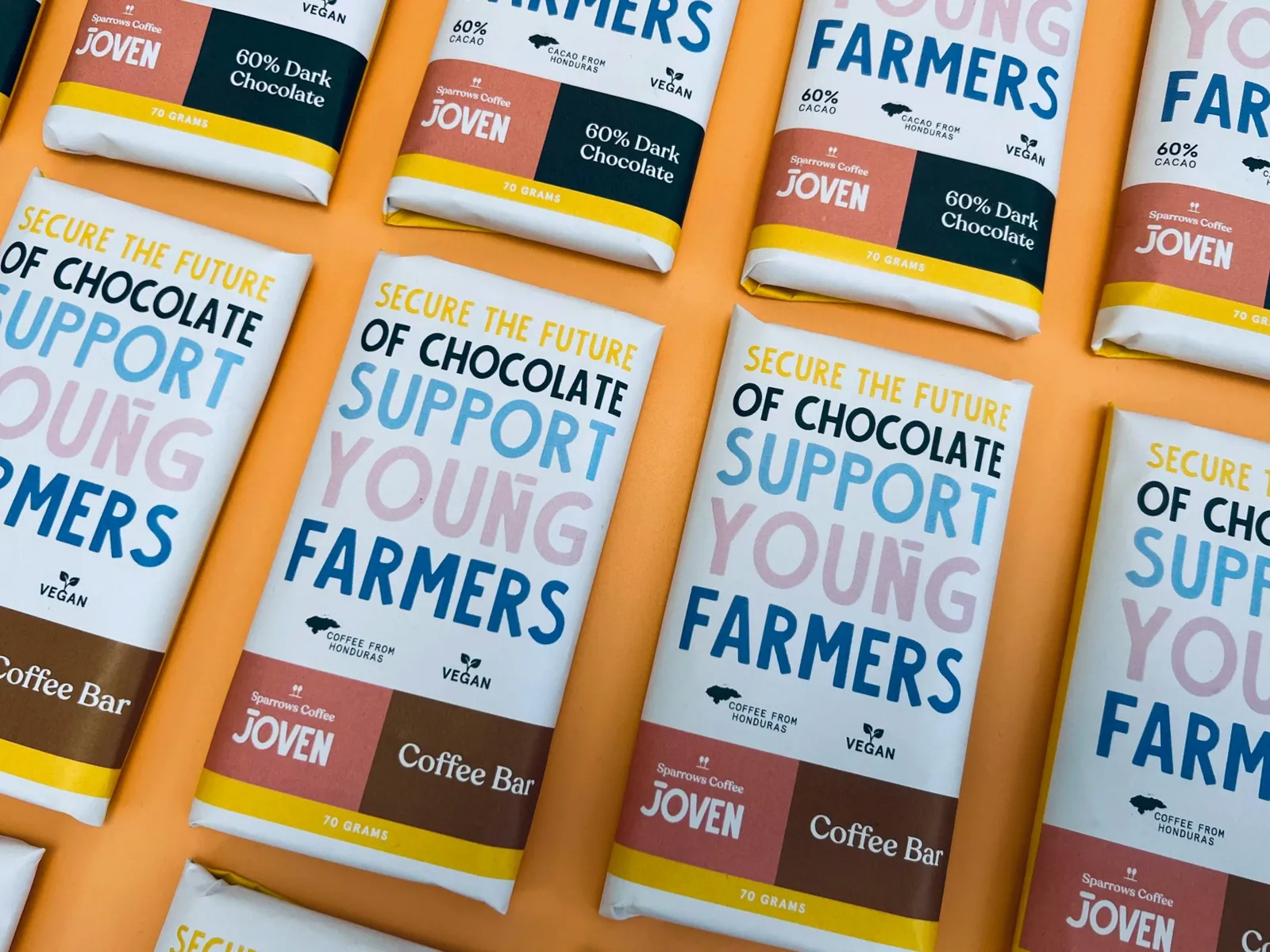
Collaborations can take numerous shapes. In February 2022, Welsh coffee roaster Hard Lines Coffee partnered with Dutch chocolate company Tony’s Chocolonely to send 150 complimentary co-branded chocolate bars to customers who ordered coffee as part of a Valentine’s Day promotion. The bars carried Tony’s Chocolonely typography alongside Hard Lines’ artwork, including its signature coffee mug logo in pink, white, and red.
Matt Jones, co-founder of Hard Lines, explains that the two brands united around a shared dedication to quality and craftsmanship, and the partnership introduced them to a new audience. “[A good partnership] allows you to put your brand in front of people who wouldn’t usually have seen it or heard of you before,” Jones says. “Collaborating with Tony’s has been a great promo tool for us—they are a good brand with a like-minded audience and great reach, so I’m glad we did it.”
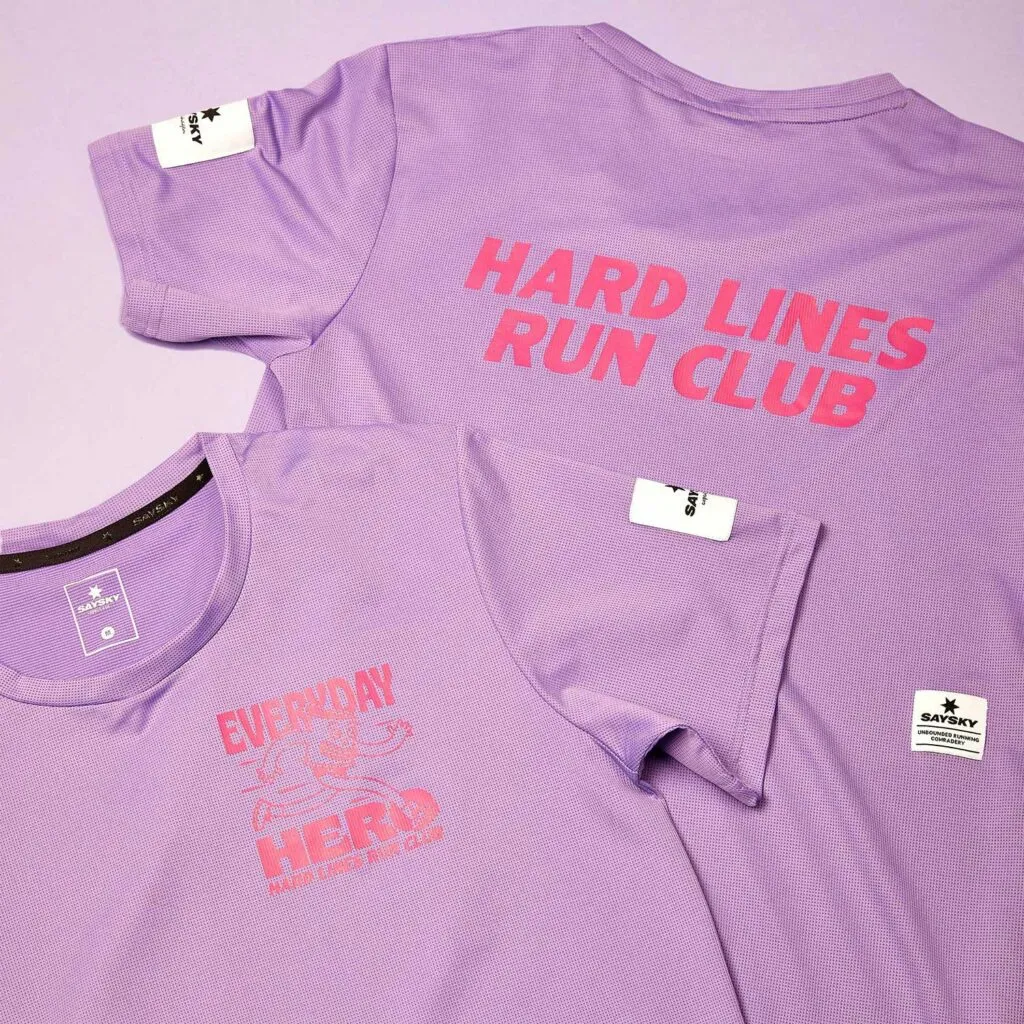
The enthusiastic response to the Valentine’s campaign spurred Hard Lines to pursue further collaborations. They soon joined with SAYSKY, a performance running apparel brand, to produce co-branded running shirts. The fit was natural: Hard Lines had recently launched a running club, and SAYSKY sought a new platform to display its gear. Members of the Hard Lines running group were eager to wear the new apparel at events and regular runs. The collaboration not only reinforced ties between the two brands but also promoted both by exposing them to potential new customers.
Finding the Right Fit
Not every partnership centers on co-branded products. Sometimes collaborators create something entirely new. Joven Coffee of Grand Rapids, Michigan, teamed up with Atucún Chocolateria to develop a first-of-its-kind bar made from coffee beans, extracted cocoa butter, and organic cane sugar. Joven’s mission is to support young farmers worldwide, and the coffee and cocoa butter for the bar came from Abraham Pacheco (age 23) and Ivan Pineda Gamez (23). The collaboration with Atucún yielded a unique, innovative product and reflected both brands’ commitment to highlighting youth-focused farming.
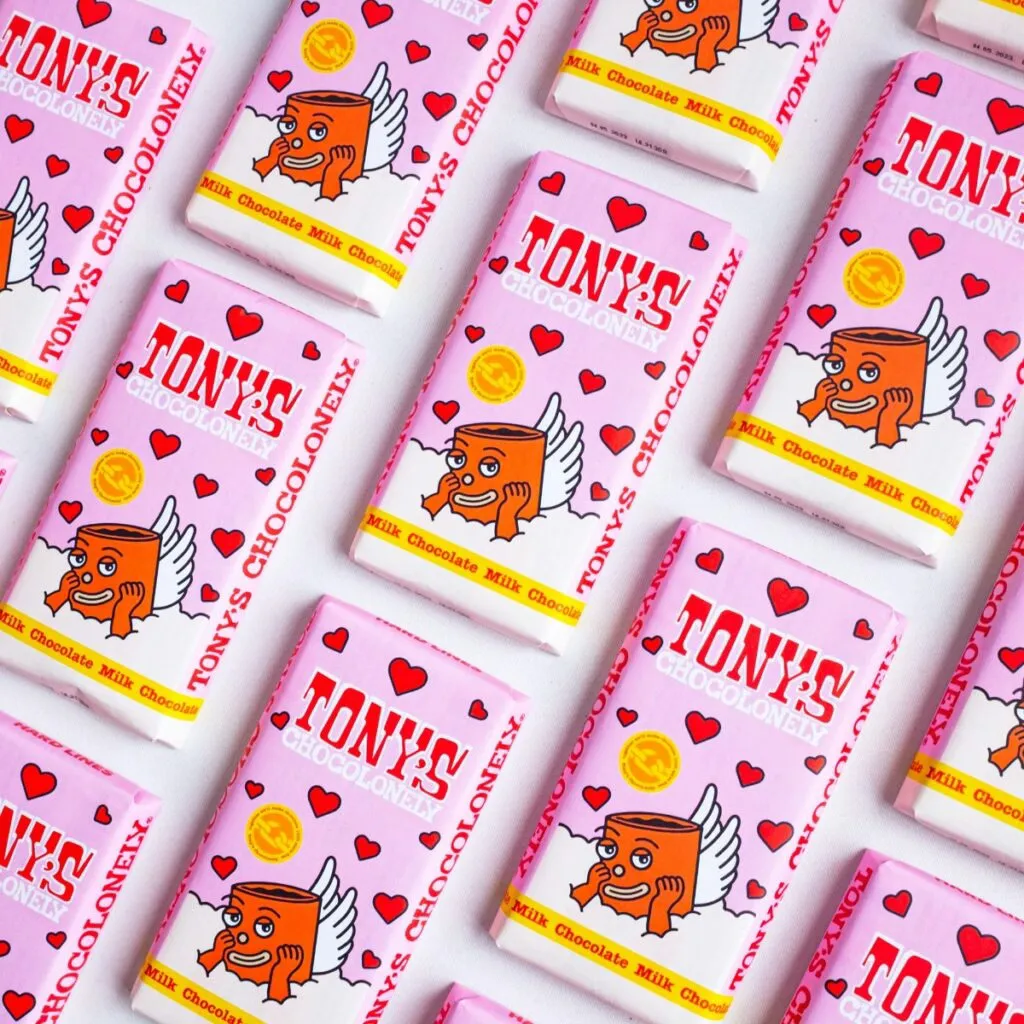
Frankie Volkema, founder of Joven Coffee, says the initial concept for a coffee bar came from the Atucún team. “We realized that by collaborating with them, we had the opportunity to create a unique product and ultimately something that the coffee marketplace hasn’t seen before. The bar’s launch has been incredibly successful so far because of how unique it is at its core. The bar is super delicious and a new, fun, and really convenient way to enjoy coffee in dessert form—no matter your routine.”
Another approach is co-marketing, where brands jointly promote each other’s products. In 2021, Chinese tech brand HONOR collaborated with Malaysian coffee chain ZUS Coffee to offer ZUS rewards to customers who bought selected smartphones from the HONOR 9 series. The offer coincided with ZUS Coffee’s first anniversary and included free ZUS Drip Bags and a free latte with each purchase of the latest HONOR smartphone. The scale of this collaboration was considerable: earlier that year, HONOR’s 9X series had surpassed 10 million units sold since its launch in late July 2019, and ZUS Coffee operated 180 stores across Malaysia at the time. By joining forces, both brands could access each other’s customer bases and reach potential new buyers. HONOR connected with a younger demographic, while ZUS Coffee enhanced brand awareness.
When Partnerships Work—and When They Don’t
For any cross-brand collaboration, the key is that the partnership must make sense for every brand involved. The aim should be mutual benefit and resonance with each brand’s target audience.
Jones of Hard Lines stresses the importance of selectivity. “It’s got to work for both parties, and responsibilities and workload have to be shared,” he says. “We’ve found it works really well when both parties bring a different perspective to the collaboration.”
Regardless of whom you partner with, establishing clear standards and boundaries—and having a solid exit strategy—is essential. When Starbucks and Kraft Foods teamed up to distribute Starbucks coffee in grocery stores, they likely didn’t anticipate a courtroom battle. The partnership deteriorated when Starbucks terminated the contract, claiming Kraft Foods was not meeting its standards. Starbucks ultimately had to pay nearly $2.8 billion for ending the deal prematurely. While this illustrates a failure between two giant brands, having safeguards and clear goals can help navigate difficulties and provide exit pathways if needed.
Volkema attributes Joven’s successful collaboration with Atucún to shared values—even if they aren’t always immediately apparent. “When we started working with Atucún, we didn’t even realize that the same sustainability crisis facing young coffee farmers extended to the cacao industry as well. Once we realized that, we knew we had to find a way to get involved with cacao and the end product: chocolate,” she says. “We also would say that brand collaborations should be fun, so find another company you enjoy working with. That’s certainly the case for us with Atucún!”
Partnerships should be exciting and leave room to create something beyond what one brand can achieve alone. “Brand collaborations should be fun,” Volkema says, “so find another company you enjoy working with. That’s certainly the case for us with Atucún!” A successful collaboration requires planning and brainstorming to ensure the final product or service will be embraced by consumers and yield positive results.
The encouraging news is that abundant examples exist for inspiration, and there’s no limit to what two brands can accomplish together. If you’re considering a collaboration, pursue it—but do your research and select a partner that aligns well with your business.