Building a Visual Identity for Your Café Through Photography
First impressions often happen online, so it's worth learning how to take attractive, on-brand coffee photos—even with just a phone—to draw in customers and show off your shop's character.
By Reese Ross5 min read
My first encounter with a café used to be through its Instagram feed—if I spotted latte art there, I’d make the trip. Back then, I was just getting into coffee and living in a small town where any option besides Dunkin’ meant at least a twenty-minute drive. A sharp rosetta in a photo told me the café took its drinks seriously, and it helped me feel confident that my gas money wouldn’t go to waste on a disappointing cup.
Nearly ten years on, I know—and often preach—that latte art isn’t the only sign of quality, but the core point still holds: photography is vital for a café. Images are the visual part of your brand that stays with people. They shape customers’ choices, communicate who you are and what you value, convey the feel of your space, and help promote and showcase new menu items. If someone looked through a kaleidoscope of your coffee business, what mix of colors, objects, people, and places would appear?
Start With a Clear Purpose
A camera phone is all you need to begin improving your photography. But a little intentionality is what first separates an amateur from a professional. Tohm Ifergan is the owner and brand manager of Dayglow Coffee, a nationally recognized coffee brand with locations in LA and Chicago. Ifergan also runs a popular online subscription and says a significant share of people discover Dayglow through its Instagram account, which has more than 50,000 followers.
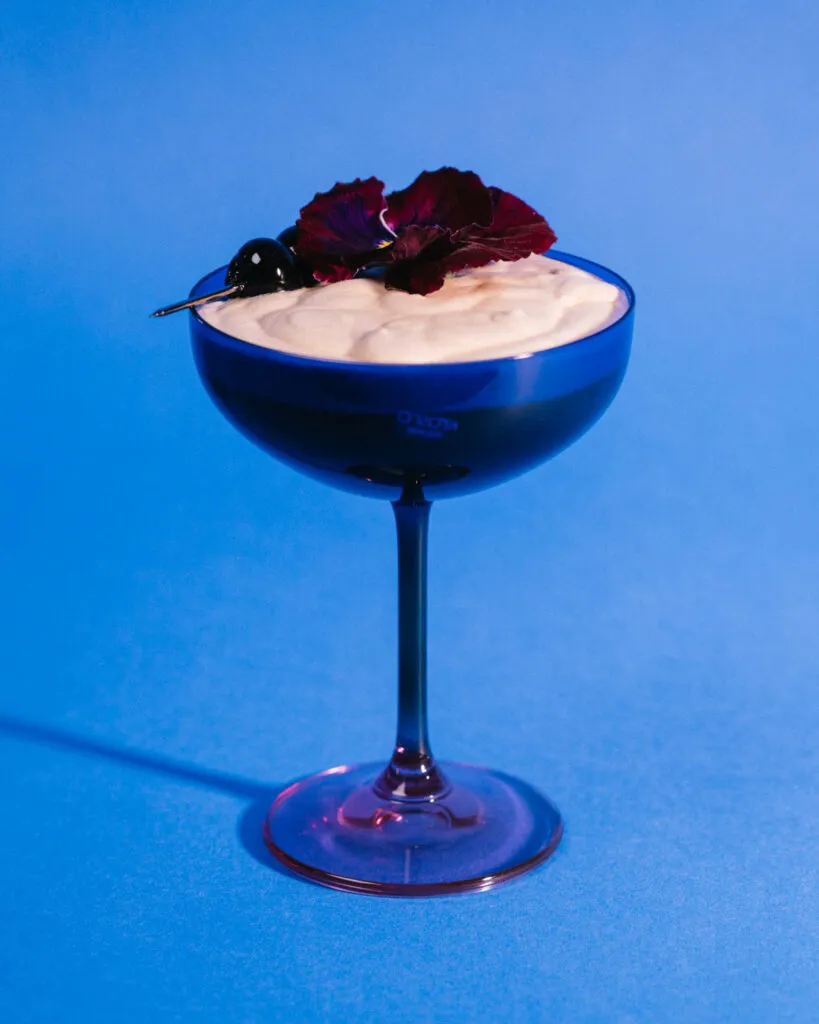
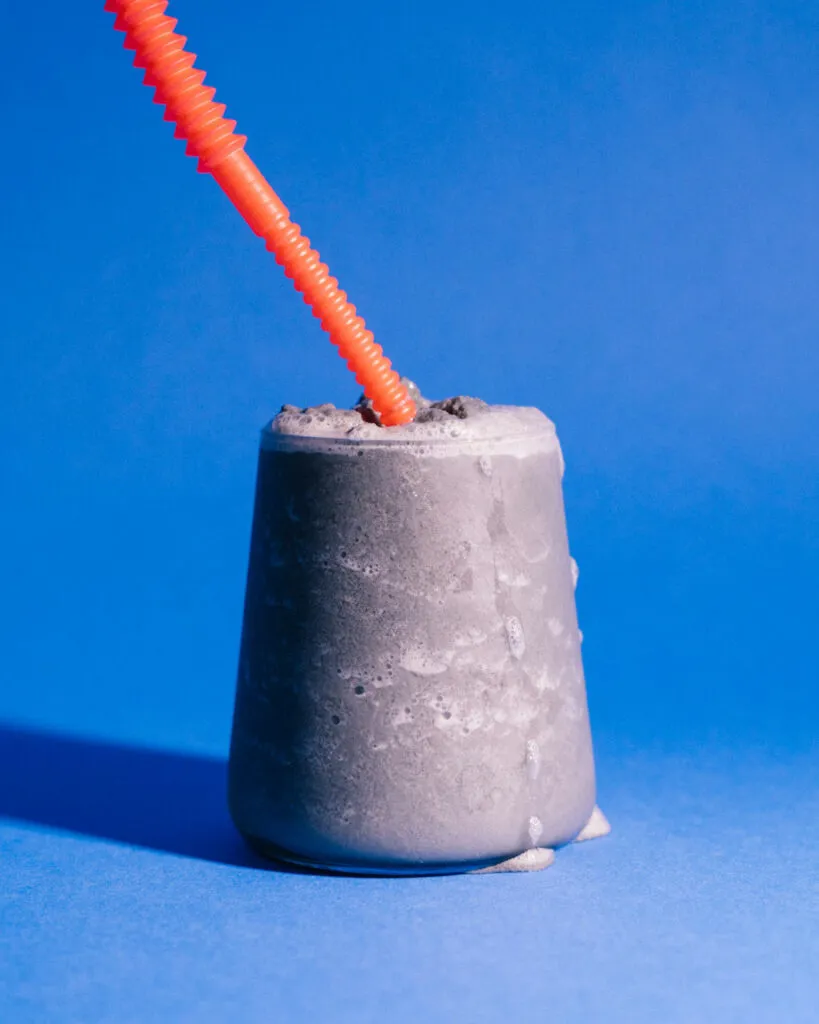
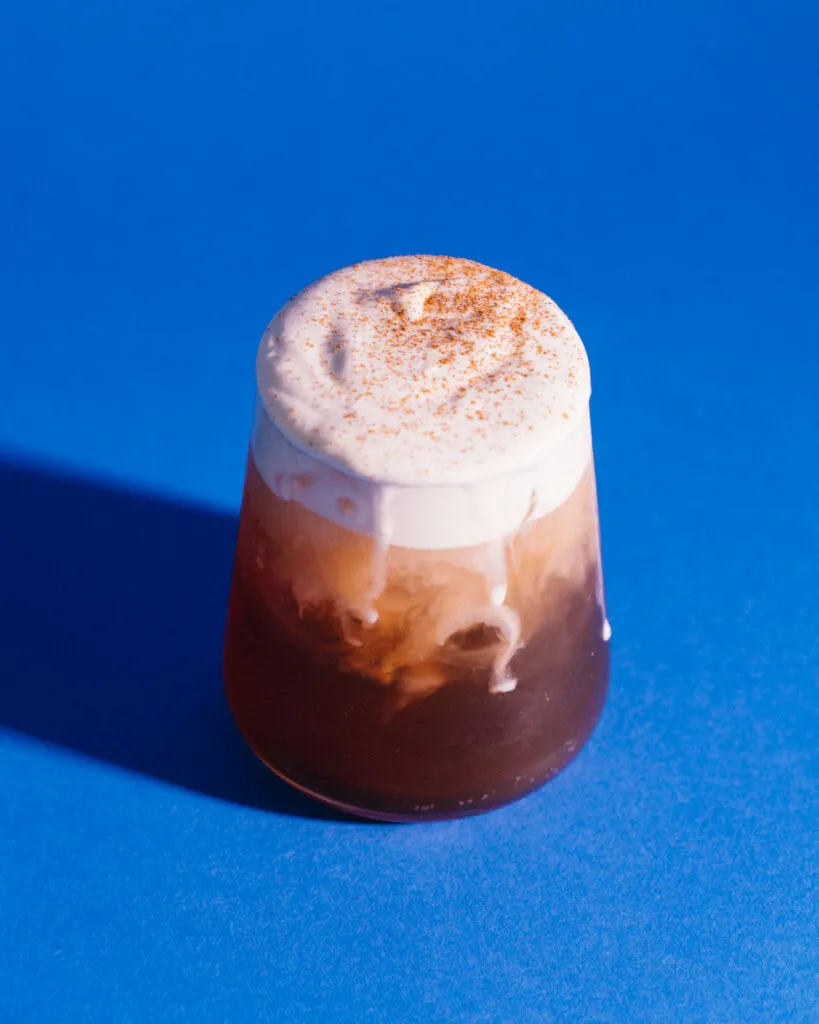
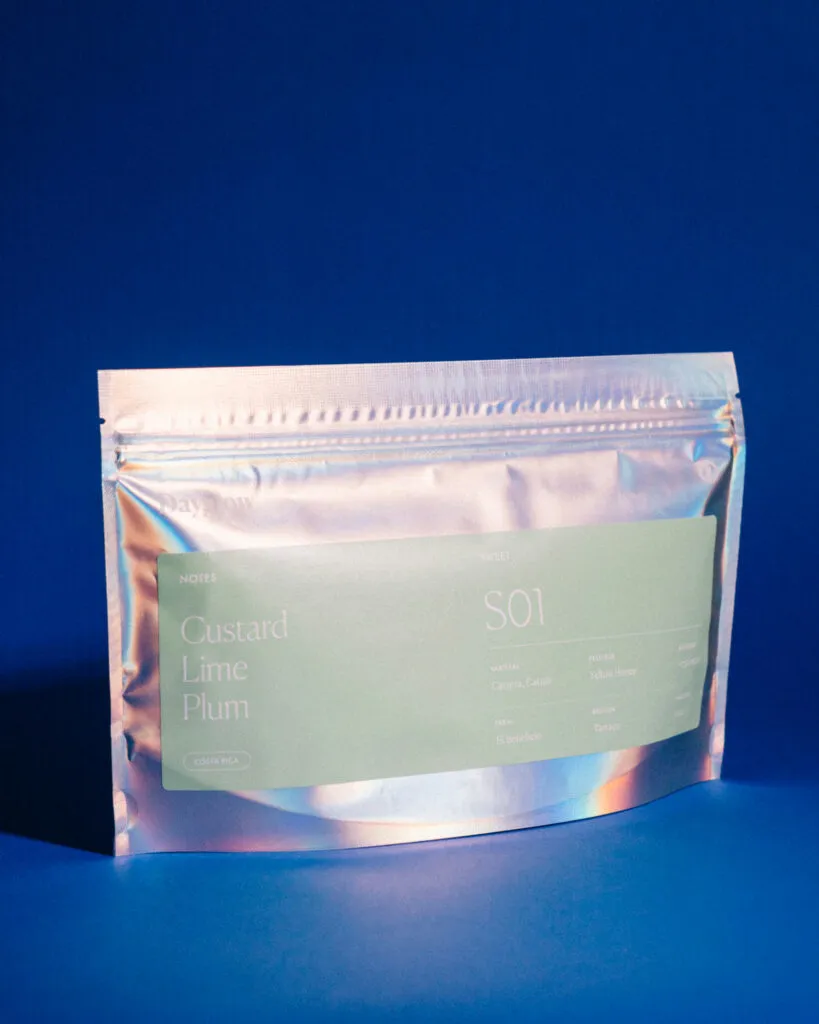
Courtesy of Dayglow
“I knew right when we opened, I wanted to be a more national brand,” Ifergan said, rather than just building a regional presence. From the start, his vision was to offer a curated collection of coffees from international roasters, with online sales as the main focus. Although Dayglow has four café locations across LA and Chicago, Ifergan wanted to avoid tying the brand’s visual identity to a physical space. “I always want to highlight the products as much as possible,” he said.
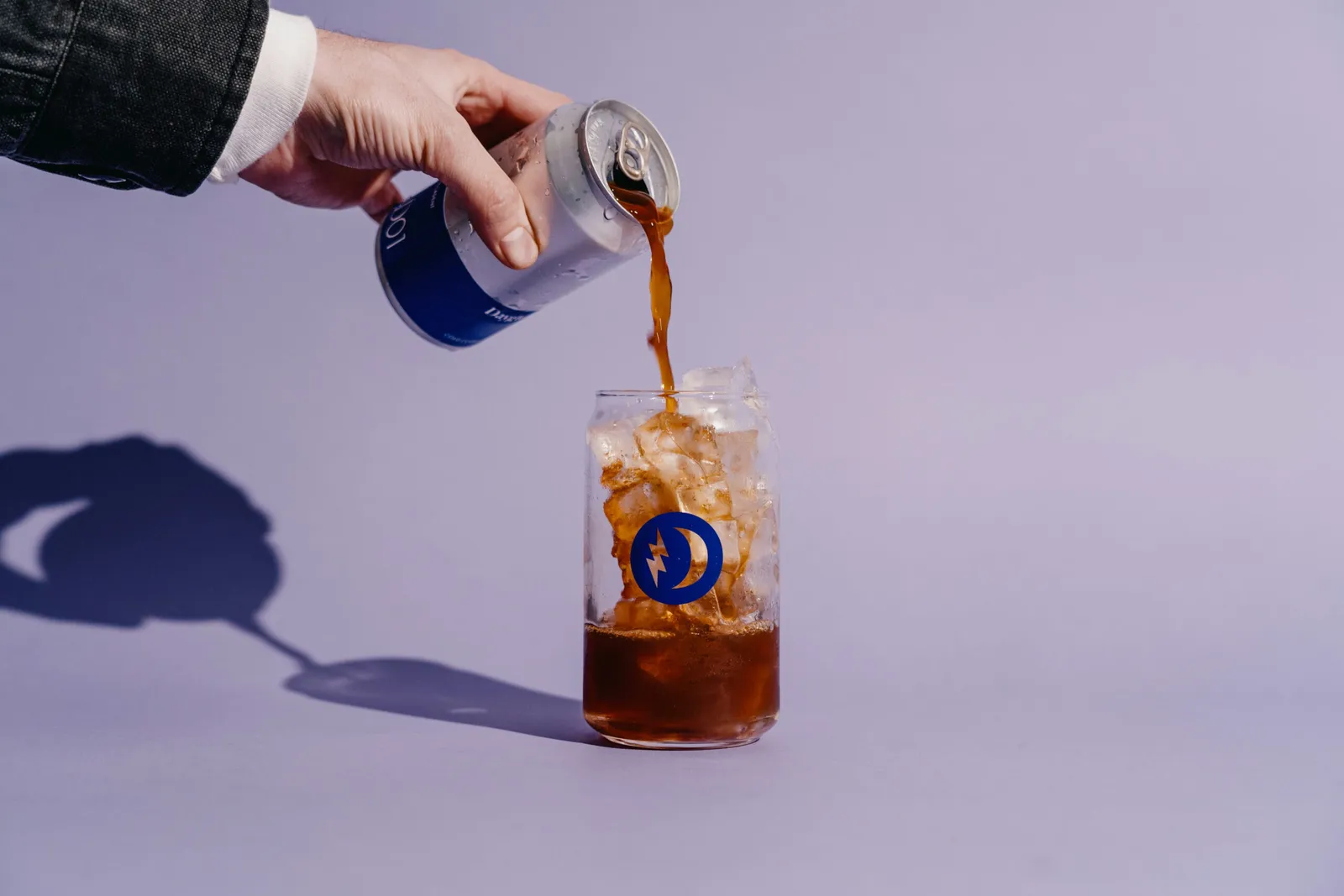
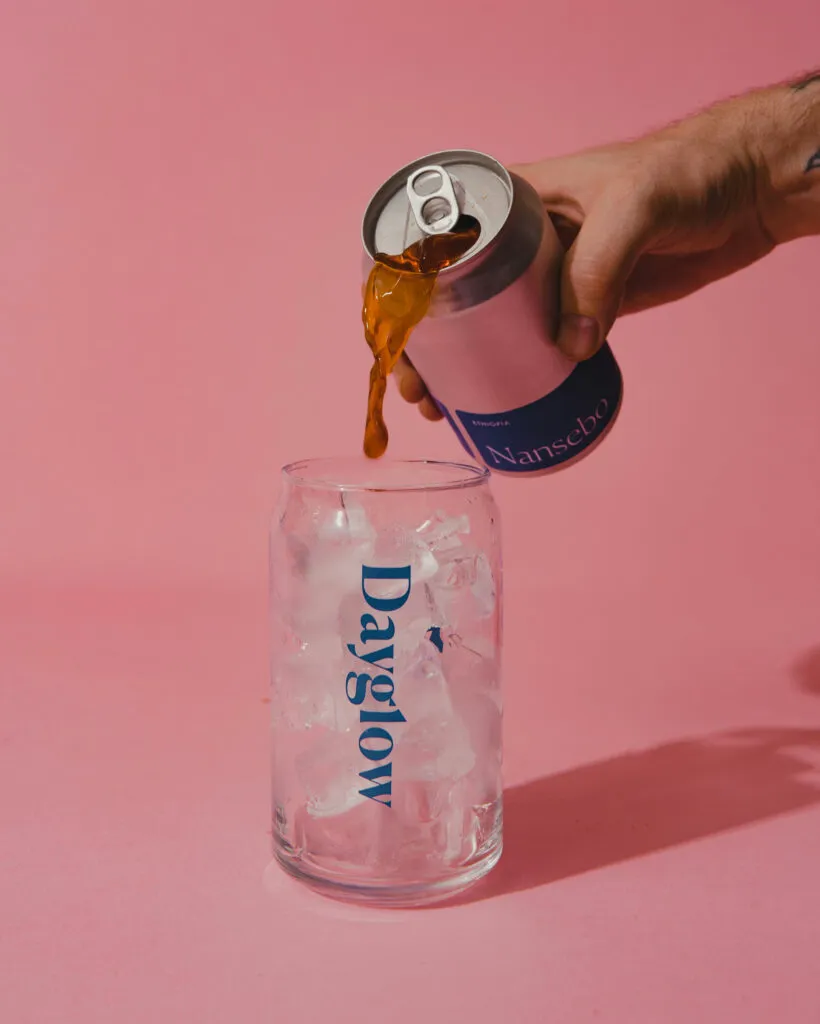
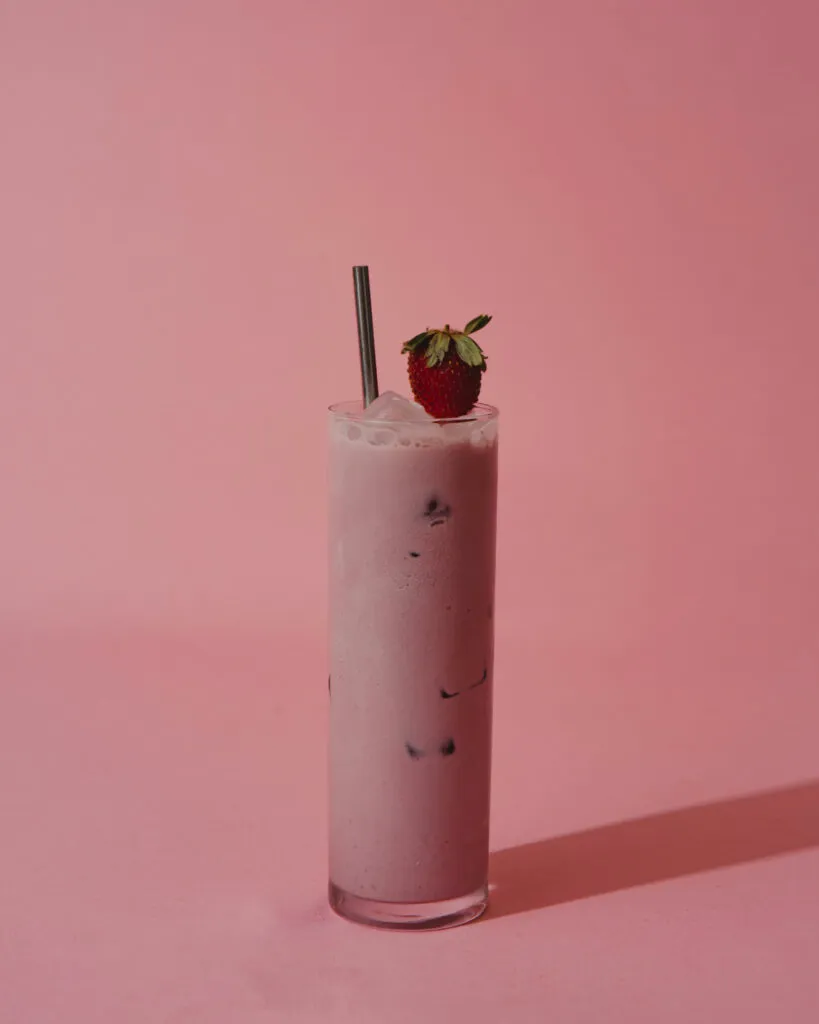
Dayglow’s Instagram grid is a colorful showcase of product photography. Holographic retail bags, café drinks, and pastries are presented alone on solid-color backdrops that shift with the seasons. As you scroll, the mood changes from a set of crisp product shots on a soft lavender background to another set on stark, deep cobalt blue. One image shows a perfect cortado in high definition, filled just slightly over the rim to create a pillowy surface, with a single stream of milk running down the side of a smoke-tinted Gibraltar glass. The drink seems to float on a marigold backdrop, while shadows keep it grounded in space and time.
“Our approach is to make the product feel dramatic,” he said. “The framing, the distance, the item, the lighting, the contrast, the shadows—every aspect of it matters.”
Ifergan works with his longtime friend and photographer John Kingston to plan, shoot, and edit photos. Kingston had no experience photographing coffee at first, but Ifergan trusted his eye and skill for product photography. The approach has been highly successful, earning Dayglow several recognitions for best social media and consistently driving national online sales for its coffee subscription.
Deciding Whether to Hire a Professional
Bringing in a professional is a reliable way to get high-quality images, but a clear brand vision is essential. Before you contact a photographer, it’s wise to prepare a content strategy, a shot list, and a budget.
Luke Wright is a freelance photographer and the social media coordinator for La Colombe, a coffee roastery with locations throughout the United States. When working with a brand, Wright says clear expectations help him deliver his best work.
“Are they trying to have me hang around for a minute and do a few photos for their Instagram, or will it be a more long-term partnership,” he said. “I also want to know where they’re trying to go and who their audience is.”
Courtesy of Dayglow
Wright asks potential clients to list other brands they admire. “That gives me a frame of reference of who you’re trying to be and who you see yourself as a brand,” he said. “It doesn’t even have to be coffee-related.”
Ifergan said he also seeks creative inspiration outside the coffee world. “Truthfully, there aren’t many coffee brands that inspire me for photography,” he said. Instead, he looks to advertising agencies like Blood Orange, which works with large brands such as Smarties and Daisy to style and shoot high-contrast, colorful product imagery.
For both Dayglow and La Colombe, photo shoots are planned months ahead. Shot lists focus on whatever is in season and on any upcoming product launches or events. To minimize waste and maximize efficiency, Dayglow tries to capture as many photos as possible in a single session using the same product, Ifergan said.
“It’s the most sustainable way to do product marketing,” he said. “And the best bang for your buck.”
A professional photographer is a significant investment. Whether you’re shooting in a studio or on location, and whether you need additional lighting, props, or styling, photographers charge roughly $100 to $300 per hour. Have this conversation early, Wright advised.
“Freelancers are often working paycheck to paycheck, and sometimes paychecks don’t come in for ninety days,” Wright said. “Being timely and very clear about how the photographer will get paid is wonderful.”
The Do-It-Yourself Approach
If your budget doesn’t allow outsourcing photography, there are still many ways to succeed on your own. As a baseline, Wright recommends keeping the brand vision front and center—being mindful of on-brand colors, lighting, and setting.
“I want to make sure our overall presence is very cohesive,” he said. “Someone should be able to look at it and be like, ‘Ah, a La Colombe photo.’”
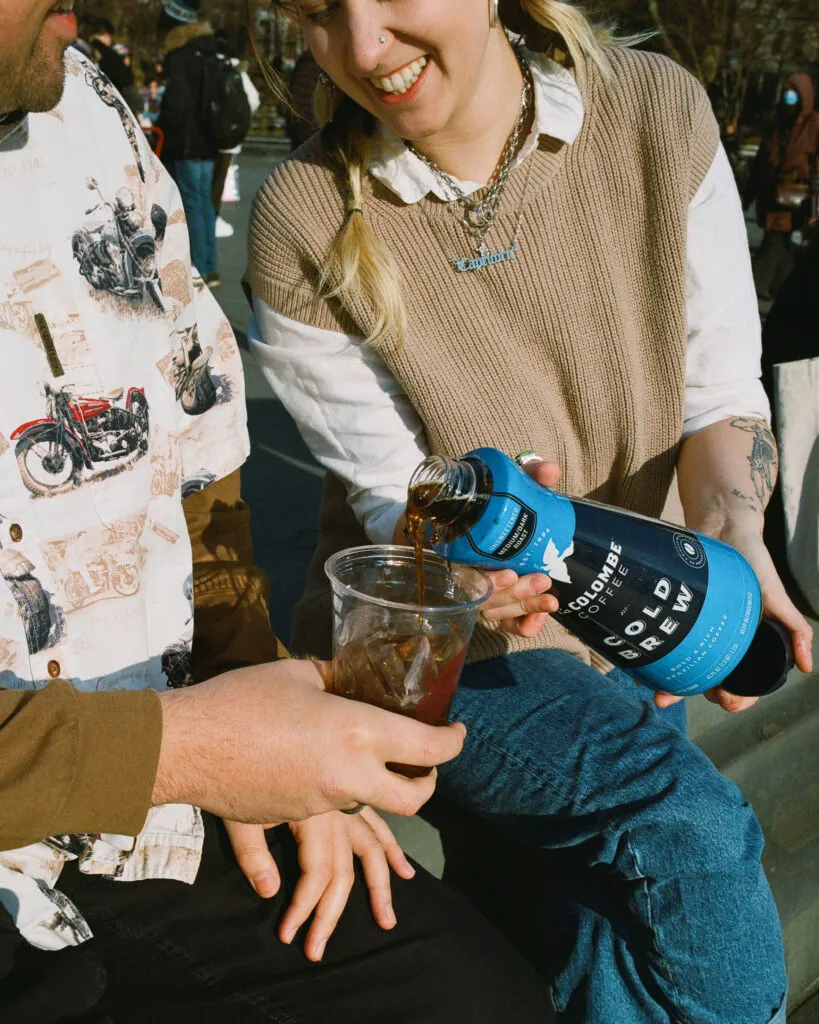
Photos by Luke Wright
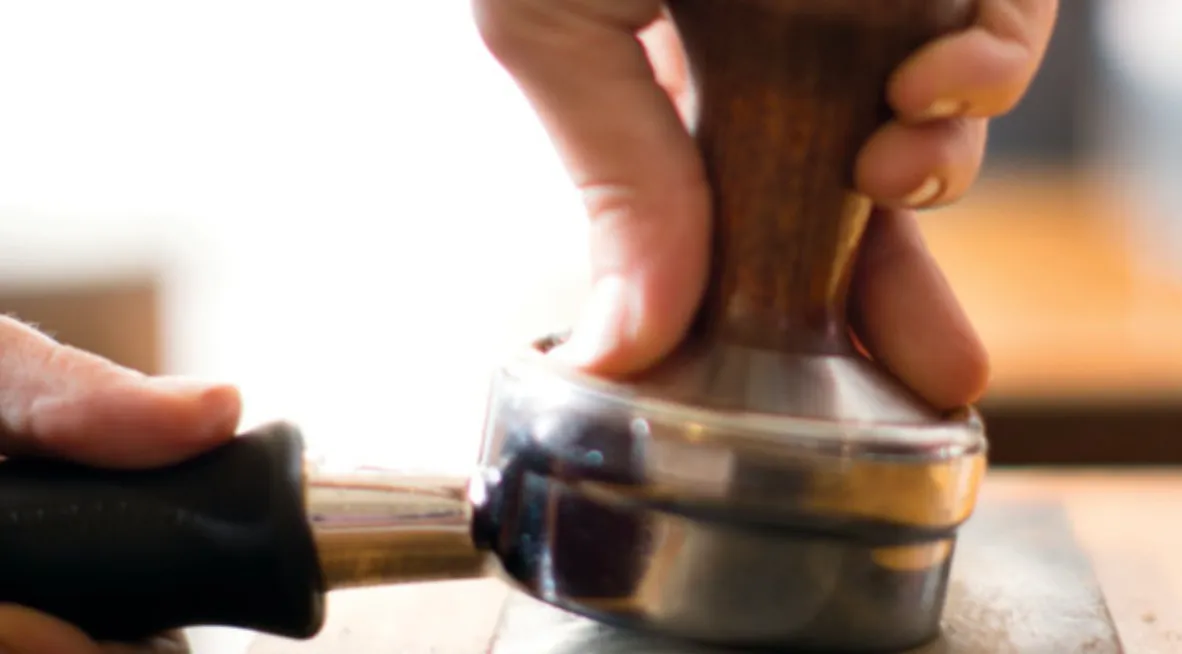
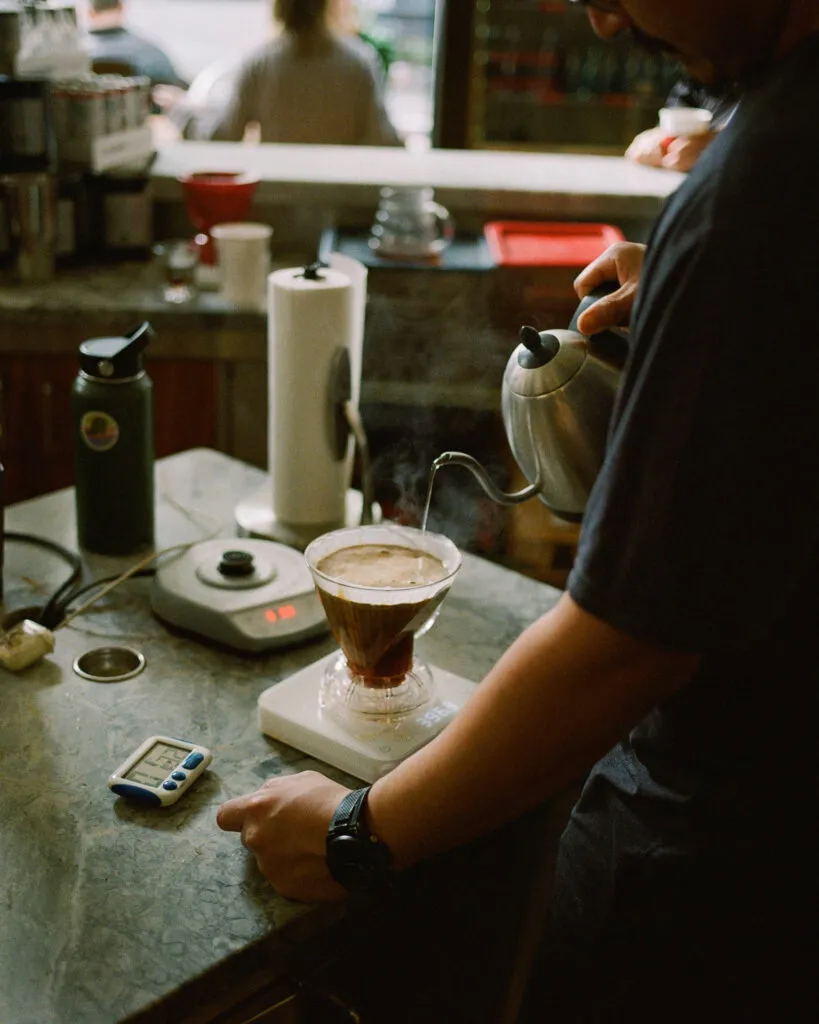
Next, Wright suggests checking for cleanliness and technical accuracy. If he’s photographing a barista pulling a shot, he’ll first wipe away stray grinds on the counter, make sure the portafilters are rinsed and clean, and only snap a picture of the most level tamp.
“I want to be accurate and create from a place of knowledge rather than have someone dictate to me in the comments how it should look,” he said.
After nine years photographing coffee, Wright constantly finds new ways to make it visually engaging. The focus should be on taste appeal, he says.
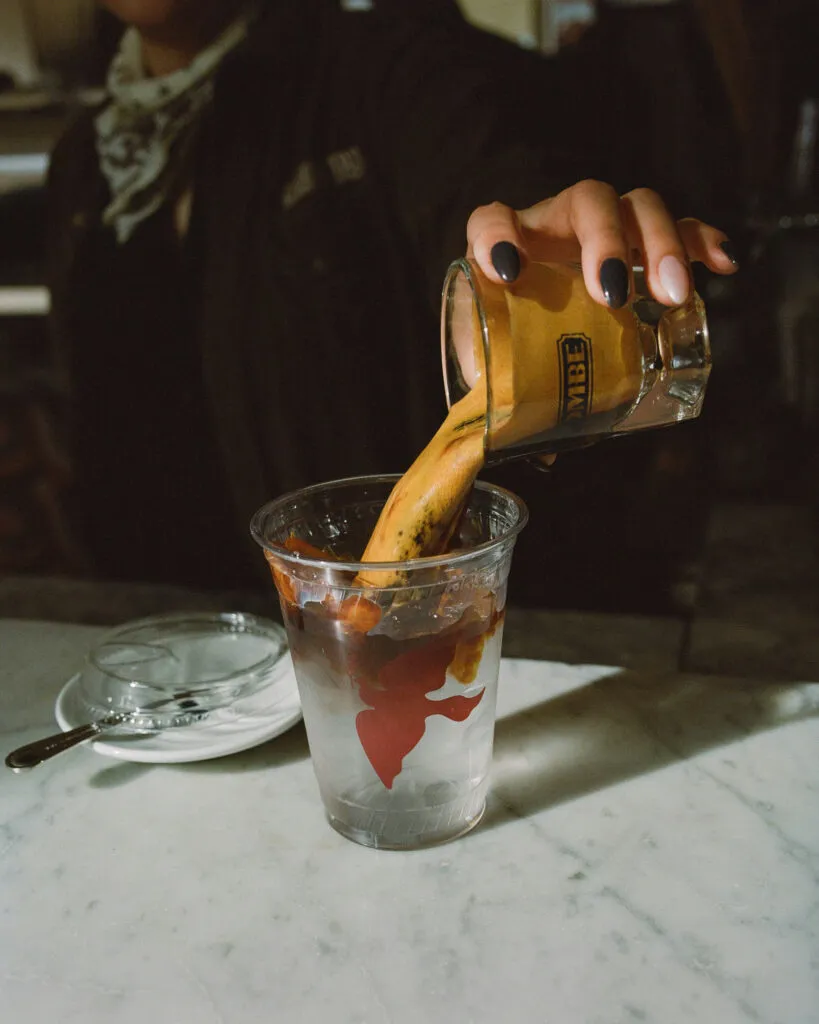
“How can I entice people to salivate at the sight of this photo?” Wright said. “It’s going to be the steam coming off the cup, the drips on the side of the glass, seeing the cream hit the coffee, especially if it’s a glass, catching the blend of the two liquids.”
No matter who takes your photos, the aesthetic should stay consistent. A strong sense of brand vision helps, as does using the same camera, filter, or Adobe Lightroom preset every time. And once you’ve mastered photography, it’s time to move on to video—that’s where the real engagement is, after all.