The Water Behind the Brew: Rethinking Cold Coffee Extraction
A Seattle roaster explains why water chemistry—especially hardness—shapes cold coffee more than many café owners realize.
By Drew Rivera3 min read
Why Water Deserves More Attention in Cold Brewing
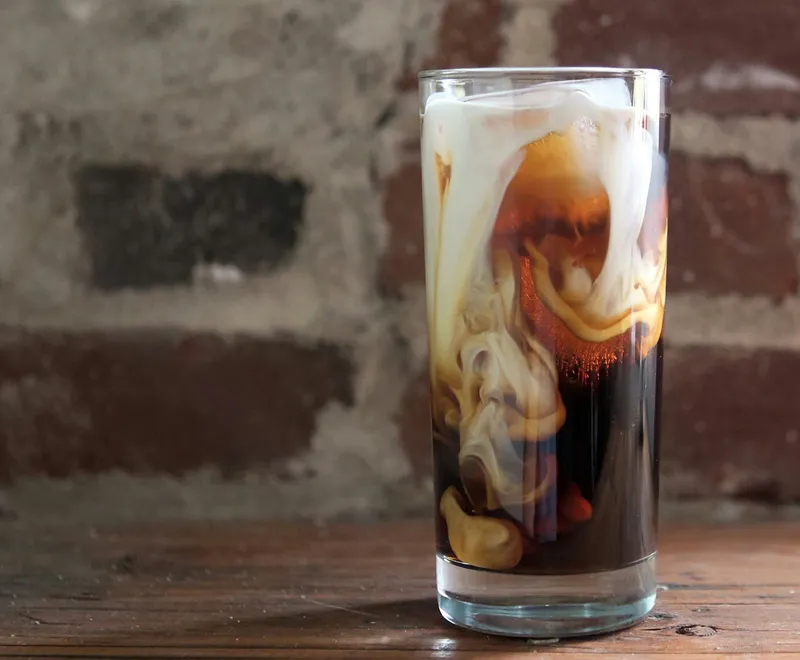
As more cold-brew products appear on shelves and menus, the methods used to produce a lively, layered cup are drawing closer scrutiny. In many cafés, cold brew remains a seasonal afterthought: grounds go into a plastic bucket for an overnight soak with no timed schedule. Yet treating the cold-brewing process with deliberate care—beginning with the water—can transform it from a footnote on a summer menu into a vibrant brewing method that merits the same attention given to hot brewing and espresso.
Location, Location, Water
Pier Coffee, a Seattle-based cold-brew company, was founded in 2013. It started as a nano-cold brewery where we tested different processes in pursuit of cold brew that kept its acidity and offered a complex flavor profile. By the time we were ready to leave the nano-brewery and construct a large-scale brewing facility, one factor stood above all others: location, location, location. Unlike choosing a site for a café, we did not need to consider density, foot traffic, or neighborhood. We only needed a place with the right kind of water.
The SCAA, individual coffee professionals, and even chemists have done incredible work recently to articulate parameters for brewing water.
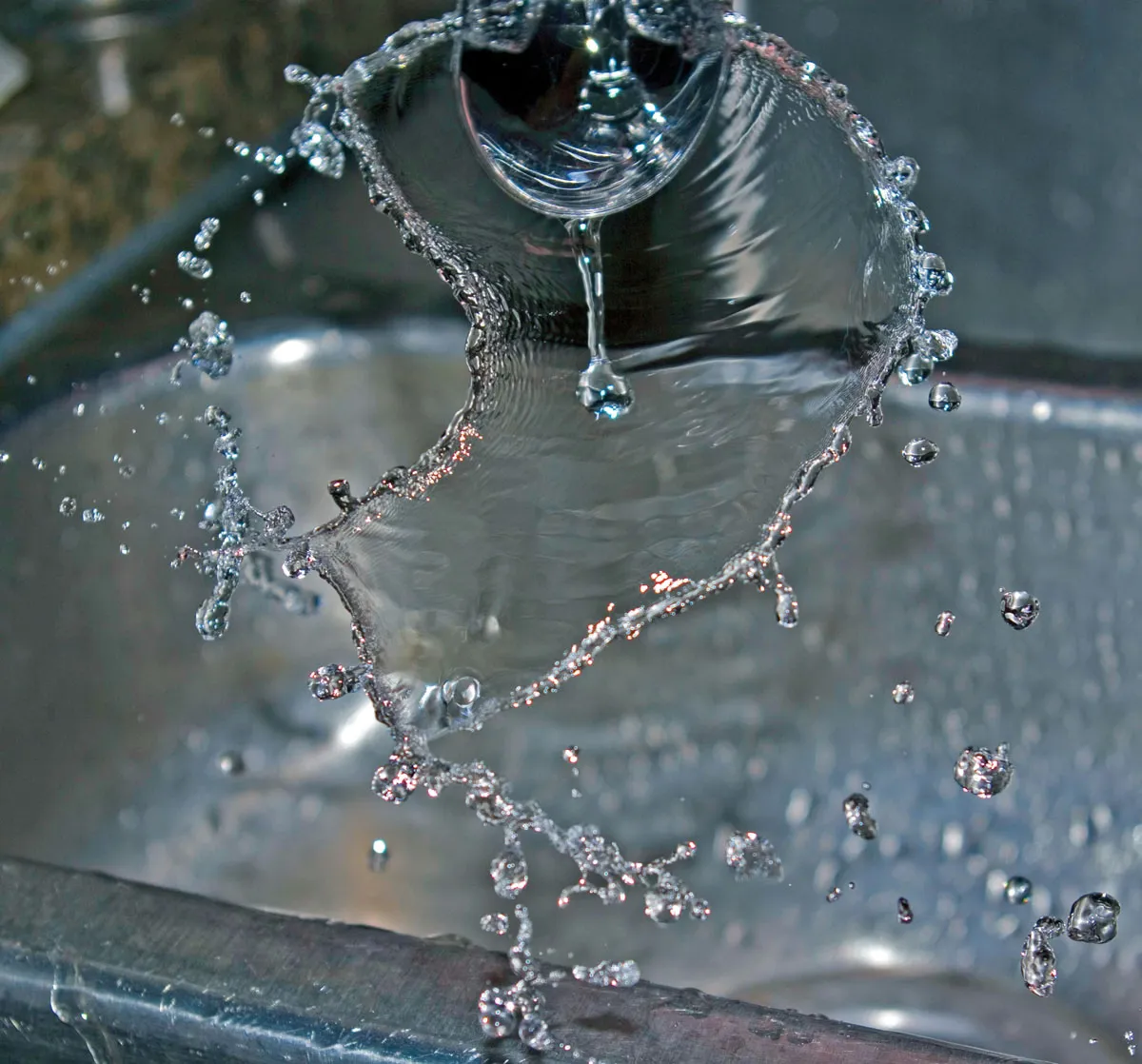
In the Pacific Northwest, water from a faucet or garden hose often tastes quite good. But at Pier Coffee, we aren’t interested in drinking the water; we want to cold brew with it. Drinking a cup of coffee means consuming both the ingredients and the chemical process that binds them. Water’s chemical components are what dissolve the coffee grounds during brewing. In hot brewing, that chemical process is aided by agitation, pressure, and of course temperature. In cold brewing, where high temperature is absent, we depend even more heavily on the water itself. The SCAA, individual coffee professionals, and even chemists have done incredible work recently to articulate parameters for brewing water. From our experience with cold brew, one key to extraction is water with hardness at the upper end of the SCAA’s acceptable range for total dissolved solids.
Soft Water, Stalled Extraction
A quick look at a US Geological Survey water quality map made it clear: if water hardness was going to determine our brewery location, we should move to Texas. (Coincidentally, there is a lot of interesting cold-brewing in Texas.) The Pacific Northwest in general, and Seattle in particular, is known for soft water. In our tests, cold-brewing with soft water seemed to stall extraction. During the early hours of brewing, extraction appeared to happen quickly. However, when the water was soft, extraction stopped before the brewing cycle finished. With hard water, our readings rose more slowly but kept climbing to a higher level by the end of the cycle. It was as if the water compounds were microscopic miners chipping away at the immersed coffee: the soft-water miners worked frantically and exhausted themselves early, while the hard-water miners chiseled away slowly and extracted more from the coffee by the end of the cycle.
We love the Puget Sound and decided to stay. To determine the best site for our brewery, we read water quality reports, called water district officials, and took samples. The Pier Coffee brewery now sits south of Seattle in a facility with water hardness as close to our target as we could find. As we continue to deepen our understanding of the relationship between water chemistry and cold brew, we keep experimenting by adjusting the water and the brewing processes.
Practical Steps for Cafés
Water quality reports are easy to find, and local municipal water officials are usually eager to share their knowledge. If you are cold-brewing in a café this summer, start by reading your water quality report and understanding the properties of the brewing tool—the water itself. This information also comes in handy when a customer who lives three zip codes away stops in to say they can’t make coffee at home taste the way it does in your café. Differences in water quality, hardness being one of them, impact the way coffee tastes even within tight geographical boundaries. Once you understand your water, run small test batches; mix water from your café with bottled water, see what happens when you use different mineral contents. Take time, pay attention, and consider your cold-brew.
Hardness of water is not the only factor for cold-brew extraction. There are also additional water qualities to track as well as pressure and agitation in the brewing process, grind size, and, most importantly, the selection of the coffee. Using all these tools in concert it is possible to cold brew coffee that retains acidity, sparkles on the tongue, and is a far cry from the dull flavor of an afterthought on the summer menu.