Reading the Room: When to Teach Customers About Coffee and When to Just Pour
A café co-founder explains how to gauge each customer's appetite for coffee knowledge, from a busy morning queue to dedicated tasting events, without turning service into a lecture.
By Alex Lee4 min read
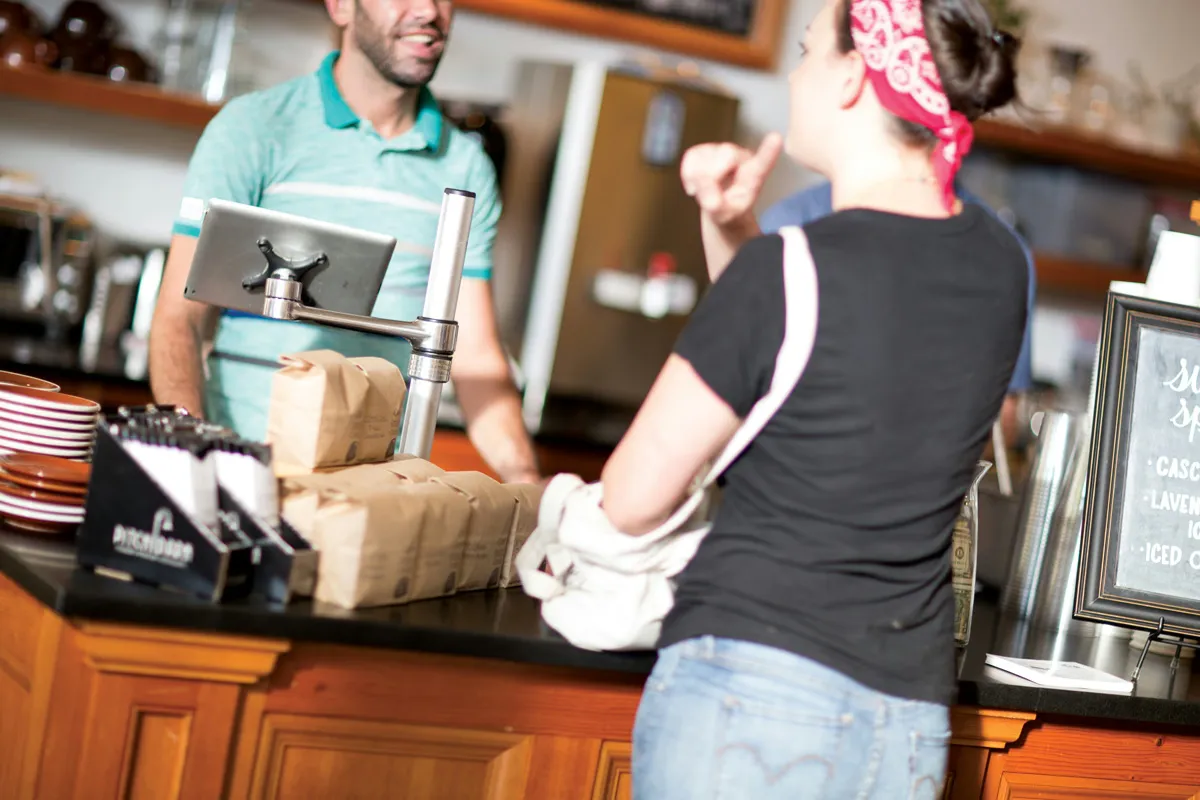
Picture a busy espresso bar at 6:30 in the morning. The line is growing, and one barista—maybe someone newly hooked on coffee—is enthusiastically describing a honey-processed Kenyan pour over to a waiting customer.
“The coffee has incredible intrinsic floral acidity instead of the everyday batch brew,” they say.
Fair enough: that coffee is genuinely exciting, and you've served it before to people who had already shown curiosity about unusual coffees. But on this occasion, the next person in line keeps checking the time, and the other baristas are growing restless.
“So, it has honey in it?” she asks.
The barista launches into the details again, far past what this customer can follow. Someone at the back of the line gives up and leaves. By the time she agrees to try the coffee—likely feeling pressured—the person behind her is glaring at a phone and typing angrily. That could turn into a negative online review. Her coworkers are irritated too: that conversation may have cost them tips.
Does that scene feel far-fetched? Or uncomfortably familiar? Baristas constantly have to judge, and judge quickly, when a teaching moment is worth taking and when the job is simply to serve coffee—and that judgment doesn't always come naturally.
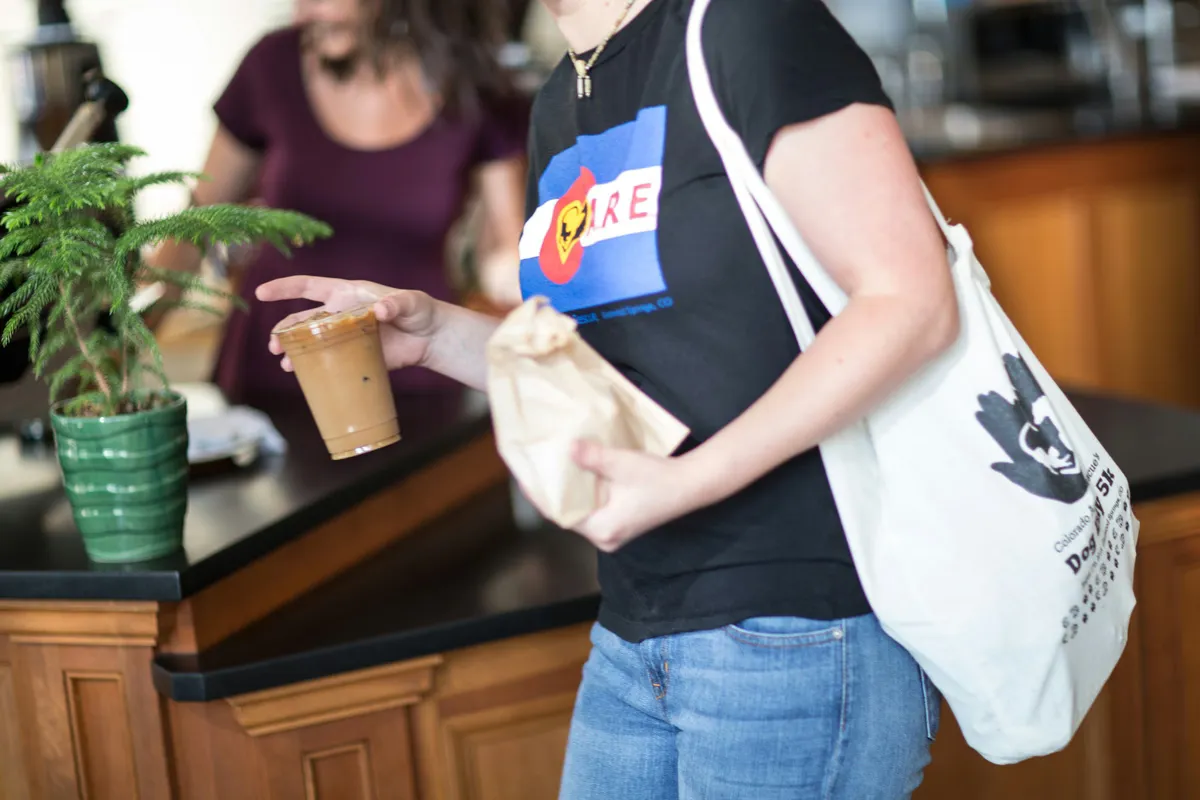
As a co-founder of Onyx Coffee Lab in Northern Arkansas, I spend a lot of time thinking about how to close the distance between serving customers coffee in a setting that feels familiar and welcoming, and giving them room to learn about how we roast and source. Here's what I've picked up.
The Line Between Informing and Over-Explaining
The urge to teach is not a flaw. It mirrors the growth of knowledge throughout the coffee industry. There's a striking gap between how much coffee our culture drinks and how much information customers can actually access—so why not pass that knowledge on whenever the chance appears?
Is that wise, though? Are customers receptive? Do you come across as condescending when you volunteer details about a coffee made with an obscure processing method? It's a delicate balance.
Educating customers can pay off in substantial ways. Chief among them is loyalty—to your coffee, your company, or your staff—which can meaningfully affect a business and bring people back.
When someone learns the nuances of flavor, or the social upside of buying coffee directly from small farmers, the result may be more frequent visits and word-of-mouth sharing with friends. In effect, that's grassroots advertising.
A knowledgeable customer base also widens the range of drinks people order: the more a customer understands about the different coffee beverages available, the more inclined they are to try them. That can make a barista's work more engaging and varied, since conversations about tasting notes or drinks start to feel natural. It can nurture a culture of curiosity, openness, and more developed taste.
Progress One Step at a Time
Engaged customers clearly benefit a business. The question is how to get there.
The place to begin is by educating yourself about coffee and about customer service in general. That sounds obvious, but the way you use that knowledge leads to step two: understanding your customer. The better you know the people who walk through your door, the better you can put what you've learned to use in a way that resonates with your community.
Most customers can absorb new facts or try unfamiliar things only a little at a time. Someone who orders a mocha every day won't suddenly be won over to a delicate V60 brew, but they might be willing to try a mocha built on a single-origin espresso that complements chocolate.
Perhaps in a few months they'll try a cappuccino—or perhaps they won't, and they'll stay perfectly content with their mocha. You need to be prepared to discuss coffee at whatever depth a given customer and moment call for, and a sound customer-service philosophy will help you find that level.
A handful of brief, easy exchanges about coffee can develop into genuine, lasting relationships with customers.
Taking Coffee Education Further
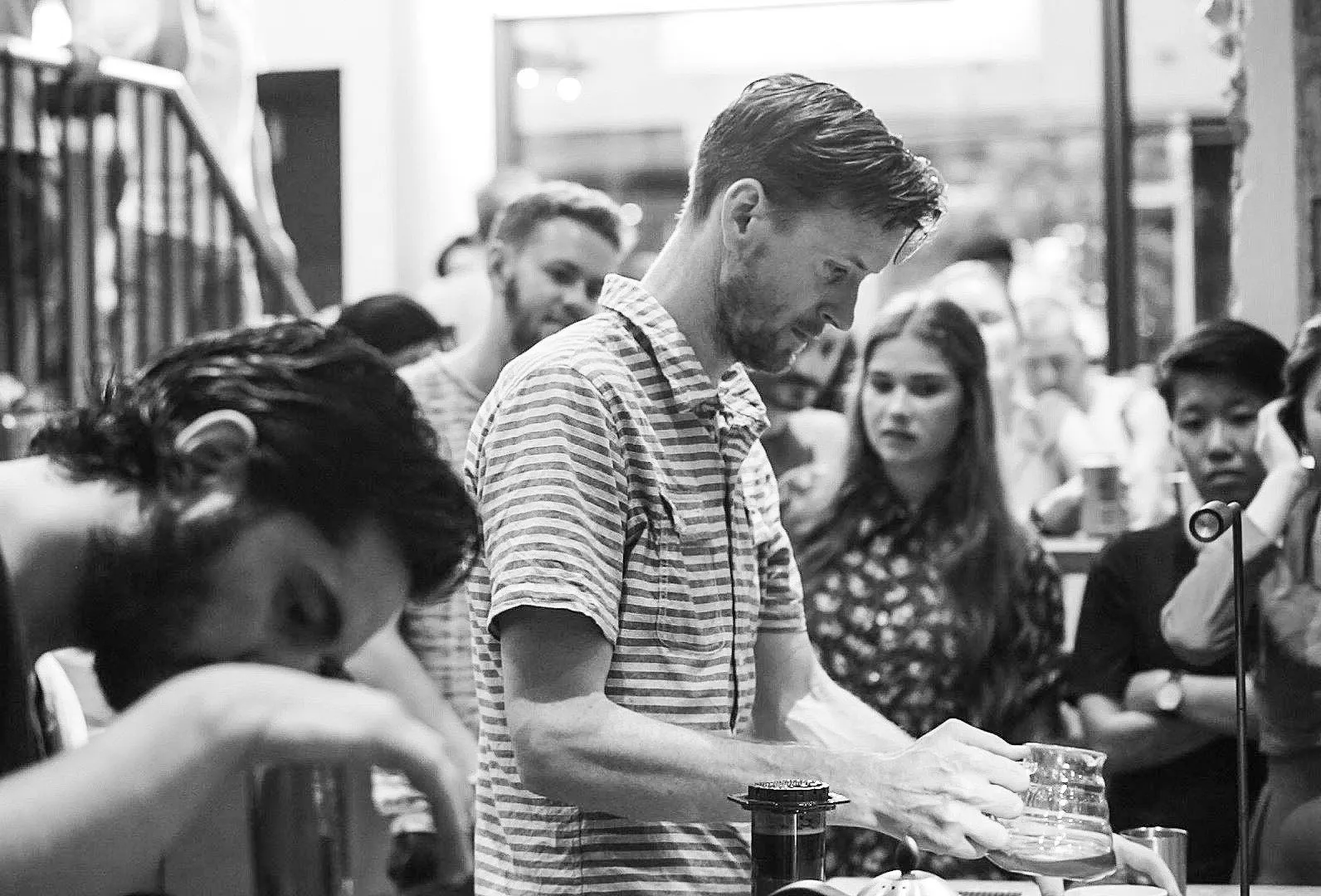
When it comes to exploring coffee in depth, it often helps to engage customers somewhere other than the usual counter conversation. At Onyx, public tastings (limited during the COVID-19 period) and online events have worked well for us.
Events like these draw customers interested enough in coffee to set aside time beyond their normal morning routine. They give you a relaxed setting for detailed discussion while letting customers learn and ask questions. Education can even be built into your business model: we've offered a few in-depth classes for a fee. In my experience, those classes produce strong results and tend to create not just regulars but friends of the shop who are eager to try new things.
Social media is another good venue for conversations about coffee. People can comment and ask questions about new offerings without feeling intimidated or hurried as they might in a café line. Online, aim for an inclusive tone in which customers choose whether to take part.
Your menu can also broaden horizons. Consider serving the same coffee two ways, such as espresso and drip. Placing them side by side invites customers to notice the differences and can help curious coffee fans find the brewing method that suits their favorite bean. Unusual coffee-based drinks can shift how customers see coffee, framing it as an ingredient that brings a new flavor to the cup.
Fundamentally, though, the simplest way to create a setting where customers can learn about coffee is to be friendly and open, and to share information suited to the person in front of you. Nobody wants a lecture, to be told they're wrong, or to be discouraged from enjoying their favorite drink.
As coffee professionals, it's hard not to share our passion with customers. But we only really improve at sharing coffee knowledge thoughtfully once we start seeing things from the customer's side of the counter.
Jon Allen is the co-owner of Onyx Coffee Lab in Springdale, Arkansas. Photos by Cory Eldridge.