The Fine Art of Dialing In Your Espresso Grind
Why minute grinder tweaks throughout the day are crucial for consistent espresso, and how to make them second nature for every barista.
By Riley Carter4 min read
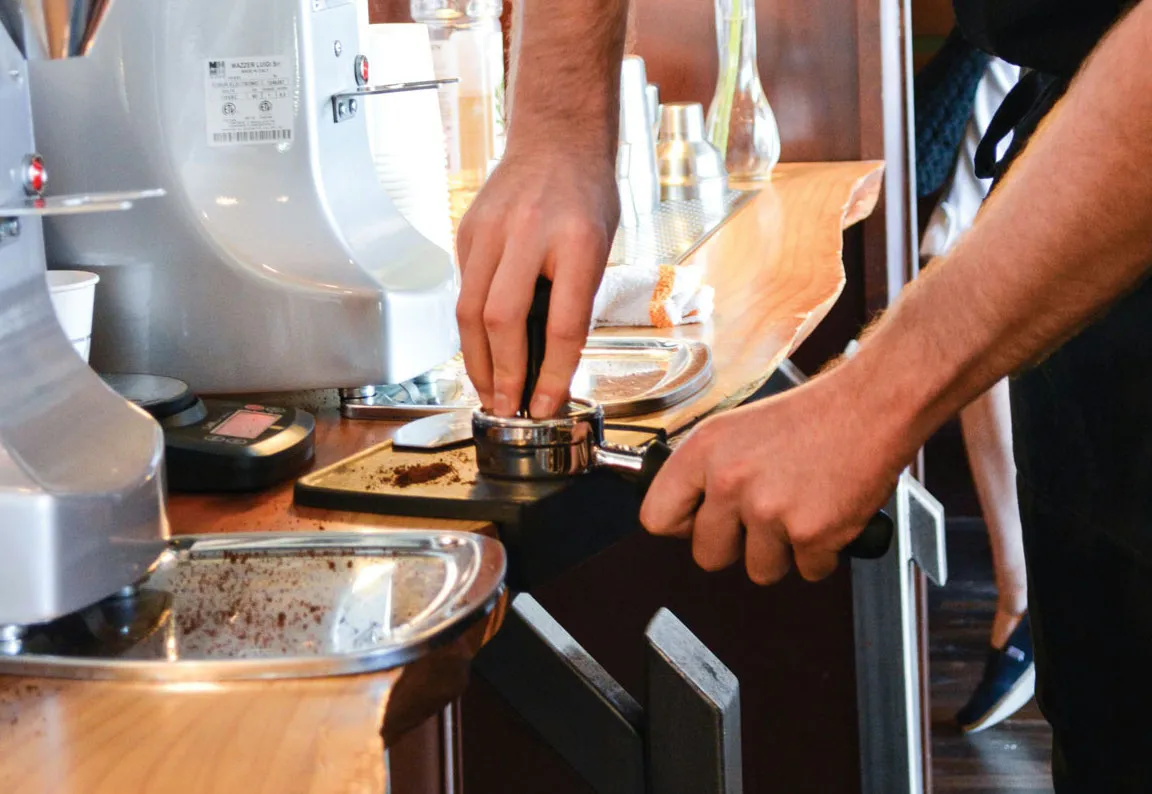
Think about how you fine-tune the shower temperature. The water is close, but you want it a touch warmer, so you nudge the dial ever so slightly toward the red H. The change is barely perceptible, yet suddenly it’s just right—not scalding, but pleasantly hot. We perform this little ritual regularly, and we won’t settle until the shower feels perfect.
That same drive for precision belongs behind the espresso machine when we adjust the grind for each shot. In the previous installment, I pointed out that several variables influence espresso quality, but few matter as much as how precisely and consistently the coffee is ground.
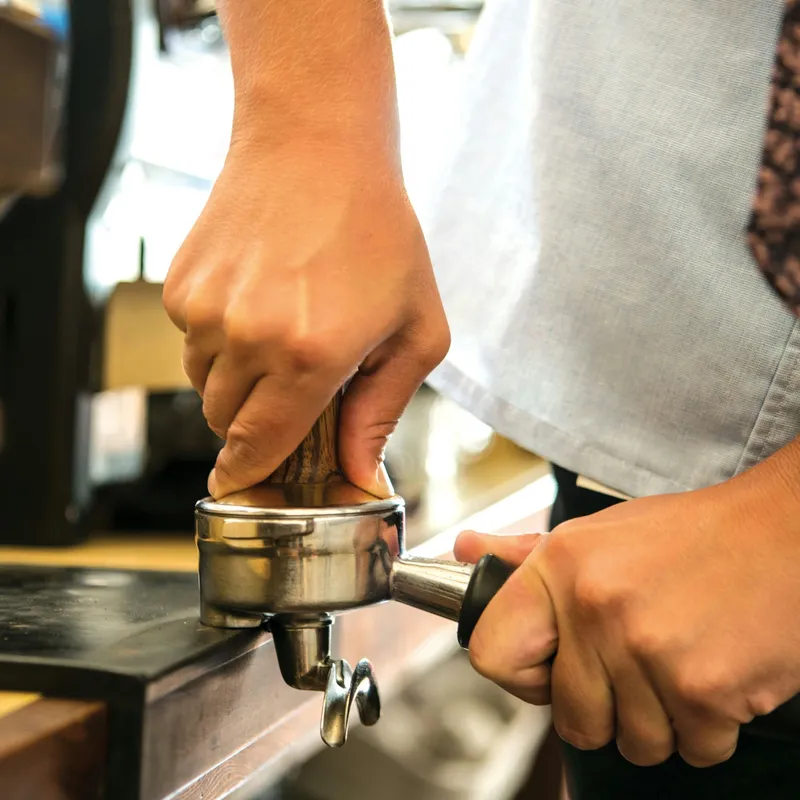
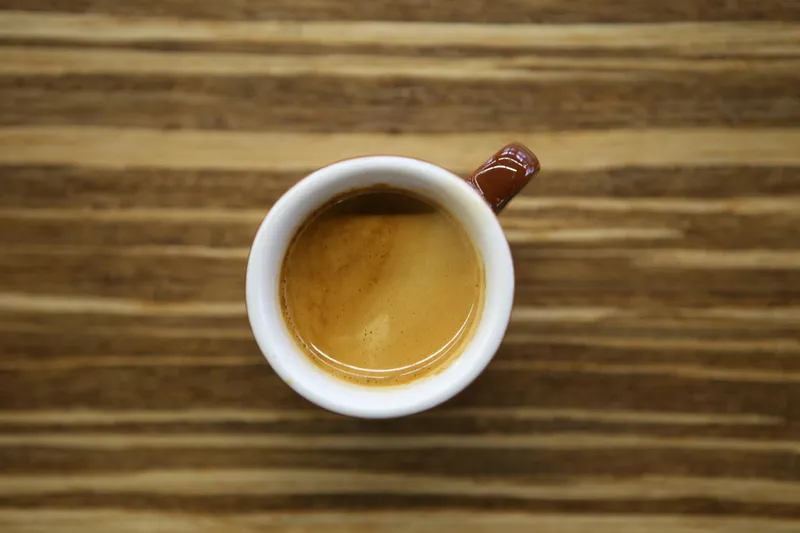
Let’s assume you’re already committed to checking the grind every morning before pulling the first shot. You’ve ground, dosed, tamped, and extracted, then made confident tweaks to land in that twenty- to thirty-second window. The espresso tastes fantastic, and you’re eager to serve it. Done, right? Not so fast.
The Education Series
Part one: training your way to excellence.
Part two: bean care.
Part three: grinding part one.
Simply “setting it and forgetting it” won’t cut it. Top-tier espresso grinders are precision instruments built for consistency and reliability, but even the finest models can’t evaluate your shots and adjust themselves on the fly. That job falls squarely to a skilled barista.
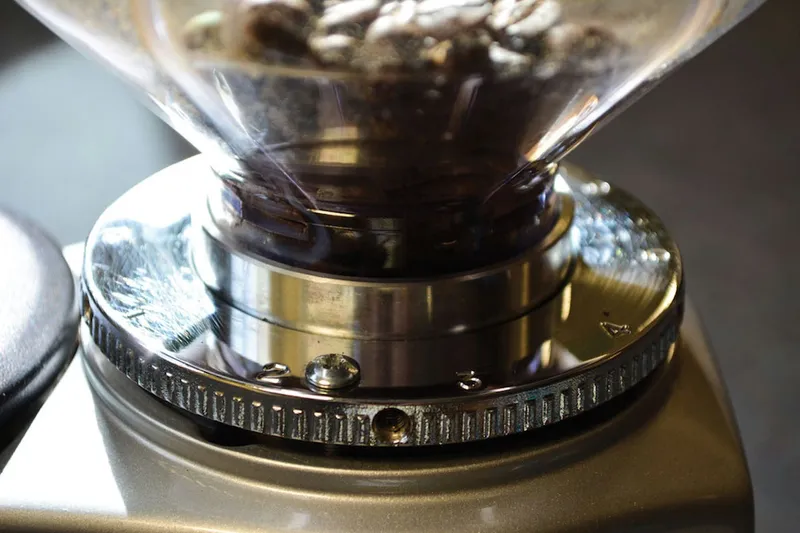
As your café’s pace rises and falls over the day, changes can occur inside the grinder that only show up in the cup. When the line grows and business picks up, the grinder works harder. The metal burrs grind more coffee more frequently, and as they do, they heat up. Heat makes metal expand, and that expansion causes the grind to become finer. Not dramatically finer, but enough to noticeably alter extraction. The finer grind slows the shot, increasing extraction and potentially producing harsh, overly bitter flavors.
A well-trained barista notices the shift in flow and color and makes a small, deliberate adjustment to coarsen the grind. The espresso returns to a steady flow, and customers never taste an off note.
Later, after the lunch rush, as the café quiets down and baristas clean up and recover, the grinder’s burrs cool. The temperature drop makes them contract from their expanded state, which coarsens the grind. But the barista had already adjusted the grind, so now this additional change makes the espresso run faster, preventing proper extraction. Instead of bitter, over-extracted shots, you get sour, thin ones—equally unpleasant in their own way. Your well-trained barista recognizes this too and corrects it with another small tweak.
Without that skilled barista confidently working the grinder, the entire morning and afternoon unfold differently. Your line inexplicably slows—at the worst possible moment!—when shots are pulling slower, and when customers finally receive their drinks, they don’t even taste right.
Beyond the café’s relative busyness, the ambient temperature and humidity in the room also affect the grind. As the café warms up, the grind changes. If a customer props open the front door on a cool, breezy morning and chilly air drifts over the grinder, the grind changes again.
Just like those temperature tweaks in your morning shower, the grind adjustments needed to counter environmental shifts are minor. And just as an uncomfortably lukewarm shower demands immediate action, decisive and timely grinder adjustments are essential to delivering the best possible flavor experience for our customers.
What do those adjustments actually look like?
First, they’re small. If you dialed in your espresso in the morning and kept an eye on it throughout the day, it shouldn’t spiral so far out of control that major recalibrations are needed. Expect to move the adjustment by millimeters up to a centimeter or two, depending on your grinder’s make and model.
Second, the more frequently you adjust, the smaller each adjustment needs to be. But frequent adjustments only happen if you’re paying close attention to the espresso. Time every shot, whether your espresso machine has a built-in timer or not! A good timer will help you catch small changes much faster than instinct alone. Twenty-four seconds doesn’t feel much shorter than twenty-six seconds, but over dozens of drinks, losing fractions of a second shot after shot can dramatically alter the espresso’s flavor without any single shot seeming noticeably different from the last.
Third, every barista responsible for making espresso should feel comfortable adjusting the grinder. If you trust them to make a latte, trust them to understand grind changes as well. You don’t want a line out the door when you need to adjust the grind, only to discover that your “grind adjuster” isn’t on shift.
It’s been said before, but it bears repeating: we don’t get many chances to make a good impression on customers. We’re lucky if we get more than one. We can’t let hesitation with a piece of equipment keep us from serving the highest quality products we can. Training all staff—baristas, shift supervisors, and managers—in the science of grind adjustment benefits everyone, but most of all, our customers.