The Blue Coffee That Tells a Story of Sumatra
Grown near a volcanic lake in North Sumatra, Blue Batak coffee reflects the resilience of smallholder farmers and the challenges they face in a changing climate.
By Alex Lee7 min read
A Journey to the Heart of Sumatra
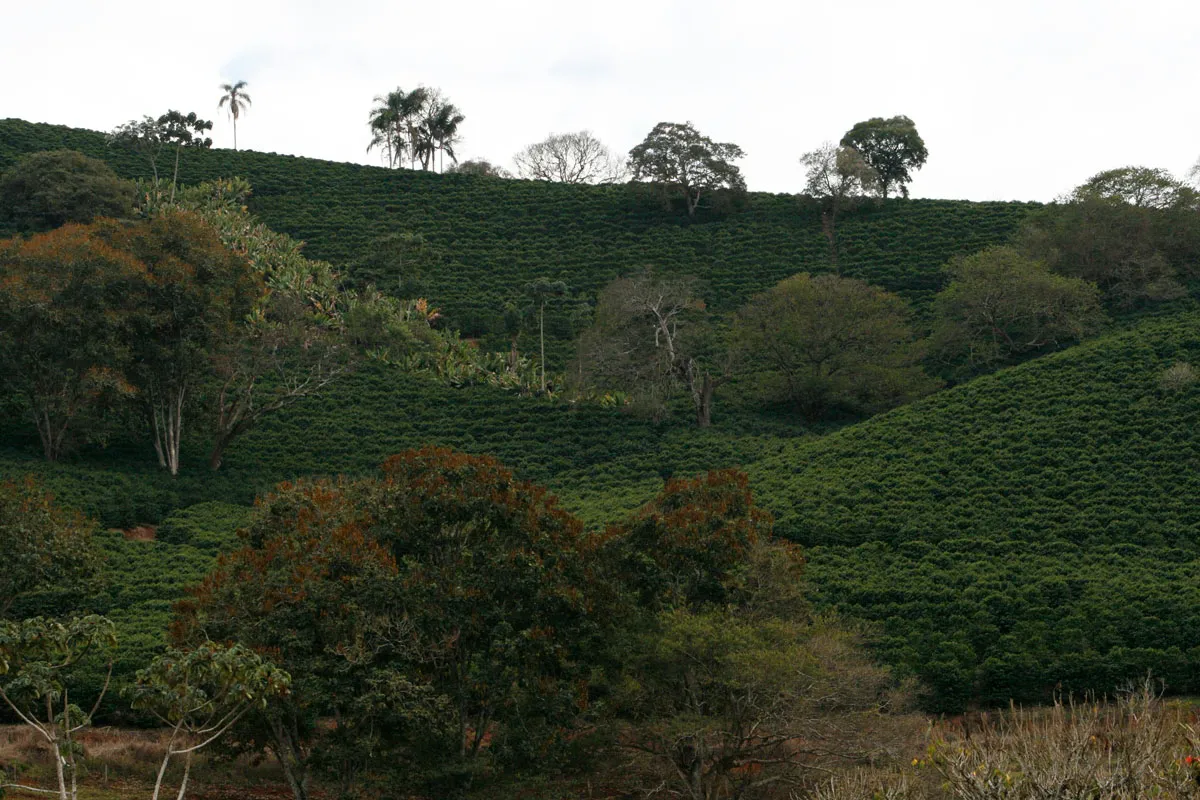
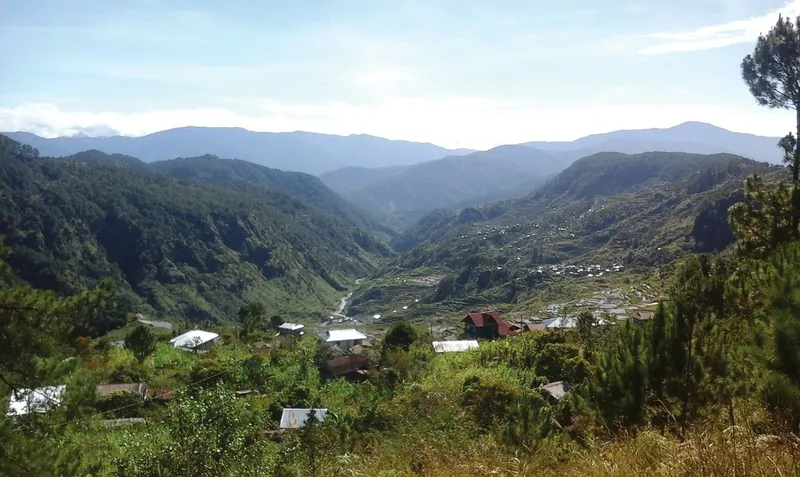
A winding road from Medan leads north through dense forest, cascading waterfalls, and dramatic volcanoes before reaching the homeland of a bold coffee with a captivating character. The seven-hour drive to Lintong twists around perilous mountain bends, finally revealing a sweeping view of the world’s largest volcanic lake. Lake Toba, deep blue and vast, stretches toward mist-covered volcanic slopes.
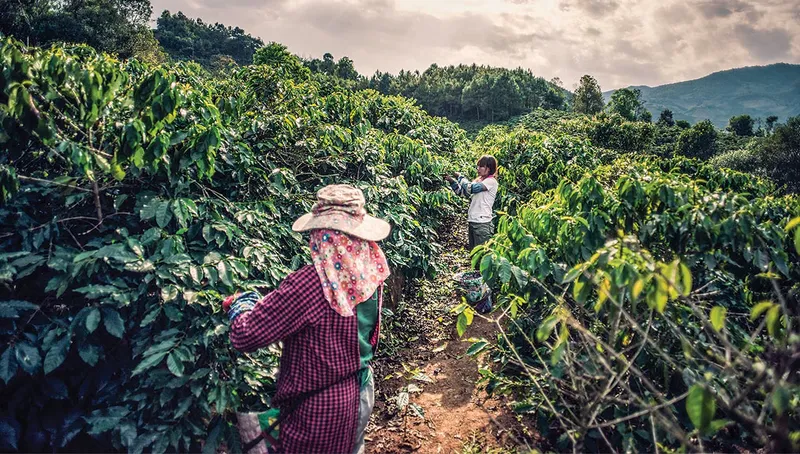
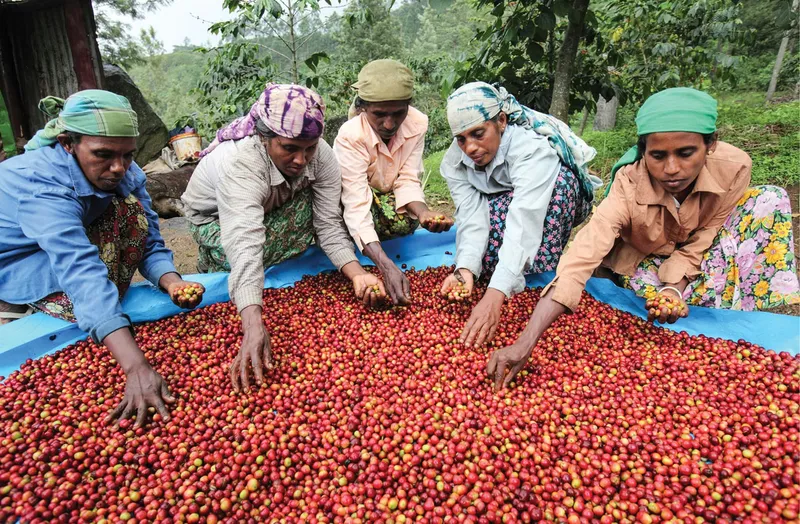
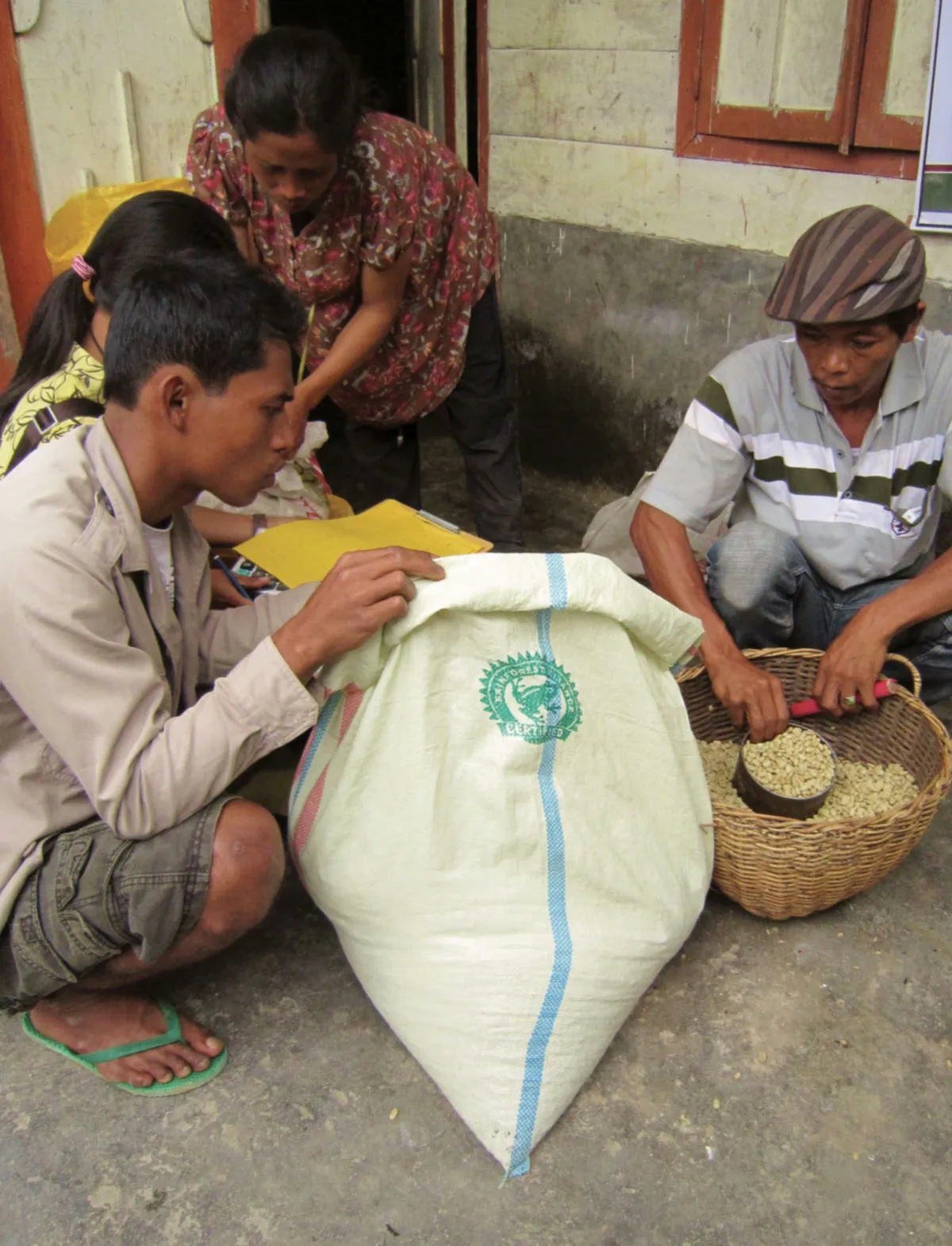
It is along the shores of this lake—formed by an eruption 70,000 years ago—that the esteemed Blue Batak coffee is cultivated. The region’s elevation, ranging from 3,200 to 5,200 feet above sea level, along with its climate and fertile soil, creates ideal conditions for specialty Arabica. Lintong Nihuta, the central town of the area, hosts a weekly market where local growers sell green coffee to buyers from nearby mills. The Lintong market is a lively and chaotic scene: Batak women cut open green coconuts, fresh fish from Lake Toba are displayed, and farmers deliver sacks of Arabica and robusta beans, along with rice and various spices. The coffee bags offer a visual mix of beans processed by different methods, but a unifying fact is that all of this region’s coffee comes from smallholders who farm one hectare or less.
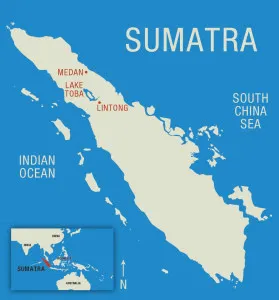
The Dutch introduced coffee to the Indonesian islands in the 17th century. Today, Indonesia ranks as the world’s fourth-largest coffee producer and yields some of the globe’s finest specialty coffees. Although the Indonesian archipelago contains 17,508 islands, coffee farms are mainly concentrated on Java, Sulawesi, Bali, and Sumatra due to favorable growing conditions. Roughly three-quarters of the country’s coffee is robusta, a variety largely used in instant coffee or consumed domestically, while most of the Arabica is exported.
Indonesia is known for some of the world’s most expensive coffees. Kopi Luwak, harvested from the droppings of the civet—a cat-like animal native to the islands—has fetched prices as high as $700 per kilogram (over $1,500 per pound). However, the coffee recently drew controversy when the BBC exposed animal cruelty in its production. “Kopi” means coffee in Bahasa Indonesia, the country’s official language, even though most people speak indigenous languages; an estimated 300 distinct ethnic groups speak 742 different languages and dialects.
Sumatra, Indonesia’s westernmost island, is home to some of the world’s most biodiverse tropical forests and peatlands. These ecosystems shelter rare and endangered species such as Sumatran tigers, orangutans, rhinos, and clouded leopards. According to the International Union for Conservation of Nature’s Red List, fewer than 400 Sumatran tigers remain, and Balinese and Javanese tigers have already vanished. Without more drastic measures to curb deforestation and poaching, the critically endangered Sumatran tiger may also disappear.
As recently as 2007, the World Wildlife Fund reported that rainforest had been illegally cleared for coffee farming in Sumatra’s Bukit Barisan Selatan National Park. Yet the coffee industry is well positioned to help improve Indonesia’s dire environmental situation through more sustainable practices. In areas where deforestation is rampant, coffee farms may become the only habitats offering shelter and food for rare bird and mammal species.
Blue Batak takes its name from the indigenous Batak people who live around Lake Toba in Sumatra. Linguistic and archaeological evidence indicates that the Batak settled in this area more than 3,000 years ago. The Batak practice a religion rich in mysticism and expressive myths, and they maintain their own script, known as the surat Batak, solely for religious ceremonies. They revere priests and gurus who practice traditional Batak medicine and are believed to possess clairvoyant powers.
Batak society is also known for the fierce tradition of ritual cannibalism, graphically documented by several famous Western explorers—including Marco Polo, who in 1292 described encounters with hill people he called “man-eaters.” Cannibalism was considered a judicial act and a way to strengthen warriors who consumed the heart and blood of other humans. This ritual likely ended in Batak society by the early 19th century.
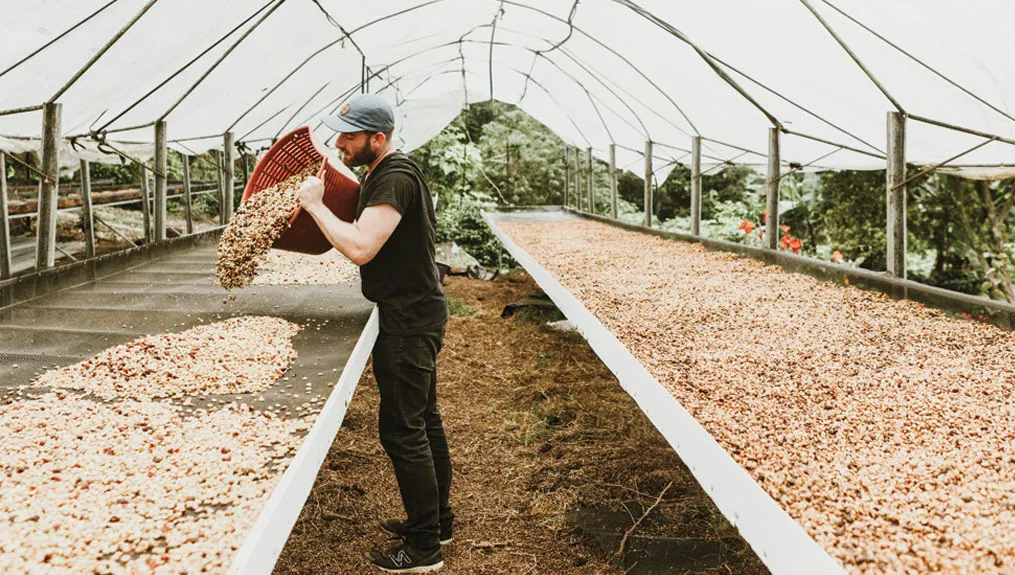
Today in North America, the Batak name is primarily associated with delicious coffee. Sumatran coffees have seen a surge in demand in U.S. and Canadian markets in recent years, driven by growing interest in single-origin specialty coffee. Coffee from Lintong is intensely earthy, setting its cup profile apart from coffees grown on other islands. That earthiness stems from the wet-hull processing method, unique to this part of the world. In this method, the pulp and mucilage are removed from the coffee cherries before their moisture content drops below 15 percent—typically when the beans are closer to 12 percent moisture.
Simply put, these coffees are hulled at a higher moisture level than usual. The Batak do not reduce moisture more thoroughly because their weather is intensely rainy and they prefer to bring coffee to market faster. Their distinctive wet-hull processing, combined with low iron content in the local soil, gives the beans their characteristic blue color.
Coffee in Lintong is harvested from October through June. The main harvest occurs in October and November, with a smaller harvest in March and April. In 2013, annual rains arrived very late and were exceptionally heavy, causing Lintong to lose most of its first major coffee harvest. Farmers have observed a steady temperature rise and shifting rain patterns in recent years that continue to harm their crops. For Sumatran coffee farmers, climate change is real and threatens their livelihoods. To prepare for greater variability in the future, farmers need to diversify their incomes and gain better access to microfinance.
Volkopi is a company working to help farmers find more productive ways to harvest coffee and generate steady incomes. Volkopi is the Sumatran division of the multinational Volcafe Group, which sources and promotes high-quality coffees from smallholders, cooperatives, and estates worldwide. Volkopi serves as an umbrella for a collective of 388 small farmers in Lintong, covering 400 hectares (almost 1,000 acres).
Elidon Sitio, who manages Volkopi’s sustainability and certification work, describes the farmers’ needs in a changing climate: “[They] live from the coffee and from the land. We must find a way to help them understand better the effects of changing climate and economics. Right now, it’s very difficult for them to survive.”
Volkopi operates a well-organized and transparent traceability system, collecting, analyzing, and documenting every green coffee bean purchased. The company monitors farmers’ output quality and helps improve their coffees over time. Sitio speaks passionately about the Volkopi farms, all of which are Rainforest Alliance-certified and meet the rigorous environmental, social, and economic standards of the Sustainable Agriculture Network (SAN). “I love working here, because we are always in direct contact with the farmers,” Sitio says.
Each smallholder produces coffee on less than a hectare. Some may sell part of their coffee at the weekly Lintong market, but Volkopi purchases most of it directly from farmers at a better price. The organization pays a consistent premium over the local market price and provides access to international markets that smallholders would otherwise lack. Additionally, farmers can access credit in the months before harvest when they need extra funds most. Through this collaboration, the quality and consistency of Blue Batak coffee from Lintong have improved drastically.
Volkopi uses Farmer Field School (FFS) techniques to organize its 388 small farmers into 16 training groups. Each group undergoes three months of training on 10 modules of sustainable agriculture aligned with SAN core principles. Farms must pass their audits to achieve Rainforest Alliance certification. Isner Manalu, project manager at Volkopi, explains, “We use the Rainforest Alliance system because it is great at empowering the farmers to make positive changes and lead on their own.”
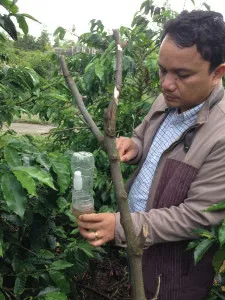
The UN Food and Agriculture Organization first implemented FFS in Indonesia in 1989. Now, more than 2 million farmers across Asia have participated in this type of training through governments, non-governmental organizations, and private companies. FFS is used to implement good agricultural practices such as integrated pest management, organic fertilization, and better waste management. Many improvements in Lintong have resulted from FFS training and Rainforest Alliance certification. Volkopi farmers have learned to make their own compost entirely from materials originating on their farms. They also use a mixture of water and ethanol in recycled water bottles to trap and remove pests instead of spraying synthetic pesticides. Certification helps guarantee that coffee farmers are paid fairly while ensuring they maintain wildlife habitats and the environmental richness of their land.
The FFS system appoints lead farmers who then train other farmers. Volkopi looks for farmers with strong character and leadership qualities to serve as leaders. Lead farmers receive an additional bonus for each new farmer they train to join the program. This has proven an efficient system for promoting sustainability in the region due to the clear economic incentive.
Women are also making strides in Lintong coffee production through this system. Two groups of Volkopi farmers consist entirely of women. Of the 388 farmers in the network, 60 are women. Four of the 16 lead farmers in the FFS system are women. In addition, all farmers’ children receive free English and environmental education classes twice a week at Volkopi. Benefits to farmers increase every year, as does the number of farmers in Lintong participating in the program. An estimated 2,700 more farmers will be trained in the FFS system in the next calendar year.
Part of Blue Batak’s appeal is its distinctive cup profile—a medium roast brings out that complexity most effectively. The coffee’s taste recalls sage, tobacco, cedar, and herbs, but these earthy flavors are balanced by chocolate tones. It is a fairly robust cup with low to medium acidity and a syrupy mouthfeel. Sometimes the coffee surprises the drinker with a layer of spiciness.
A single-origin Blue Batak may not suit every palate because of its intensely earthy flavor. Consequently, some roasters prefer to add it to a blend. Either way, the coffee is unique in flavor and aroma—certainly in its blue color, but most importantly in its story. Savoring a cup of Blue Batak can take the consumer on a journey down that winding road through misty peaks to a place where the hands of the Batak people work hard to bring their special coffee to market.