Sulawesi's Coffee and Cocoa Farmers Struggle to Recover a Month After Disaster
A month after the earthquake and tsunami, farming communities in Central Sulawesi face destroyed roads, halted trade, and uncertain futures. Here are four ways the coffee industry can support their recovery.
By Blake Reed3 min read
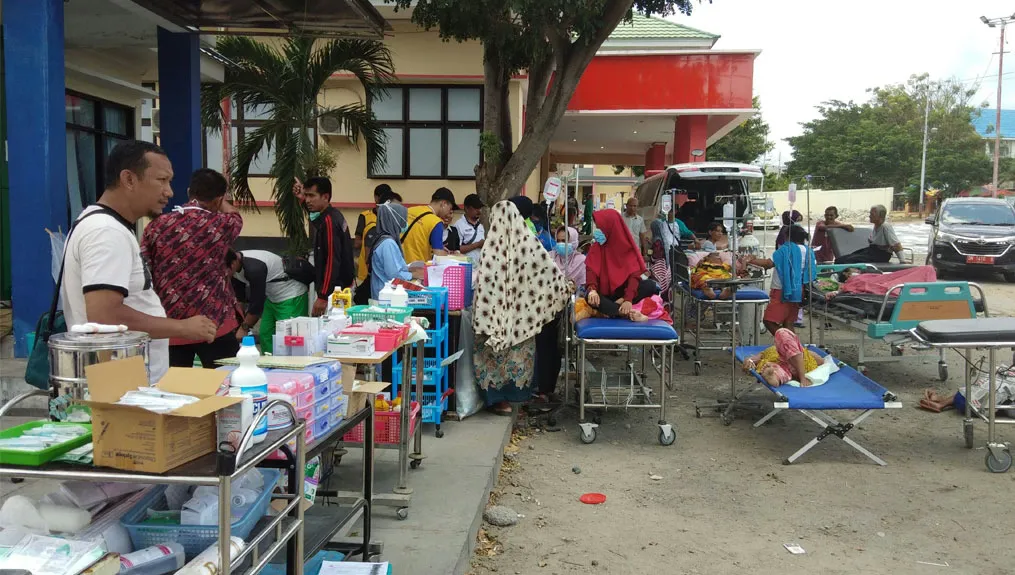
Patients receive care outside a damaged health facility in Palu.World Health Organization
On September 28, a 7.7 magnitude earthquake struck the central coast of Sulawesi, Indonesia, unleashing a tsunami and triggering aftershocks, landslides, and liquefaction. The coastal cities of Palu and Donggala bore the brunt of the destruction. In the month since, more than 2,100 people have lost their lives, 4,600 have suffered severe injuries, and nearly 700 remain missing. A Situation Report from the World Health Organization indicates that over 85,000 people have been displaced and are now living in temporary camps.
Much of the devastation in Palu has been attributed to liquefaction—a process in which water-saturated soil loses its structural integrity. Entire neighborhoods were swallowed by mud, carrying away people, homes, roads, and bridges.
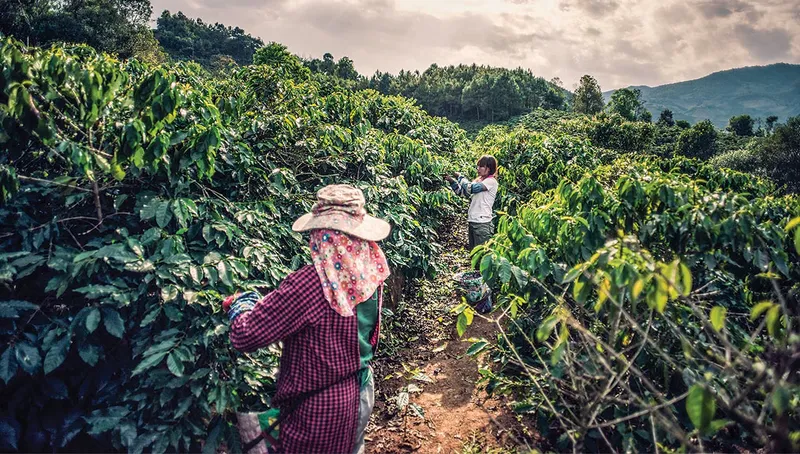
Palu functioned as the metropolitan center for coffee and cocoa farmers across Sulawesi. For many rural farmers in the province, the city’s hospitals, schools, government offices, and port are the only accessible options.
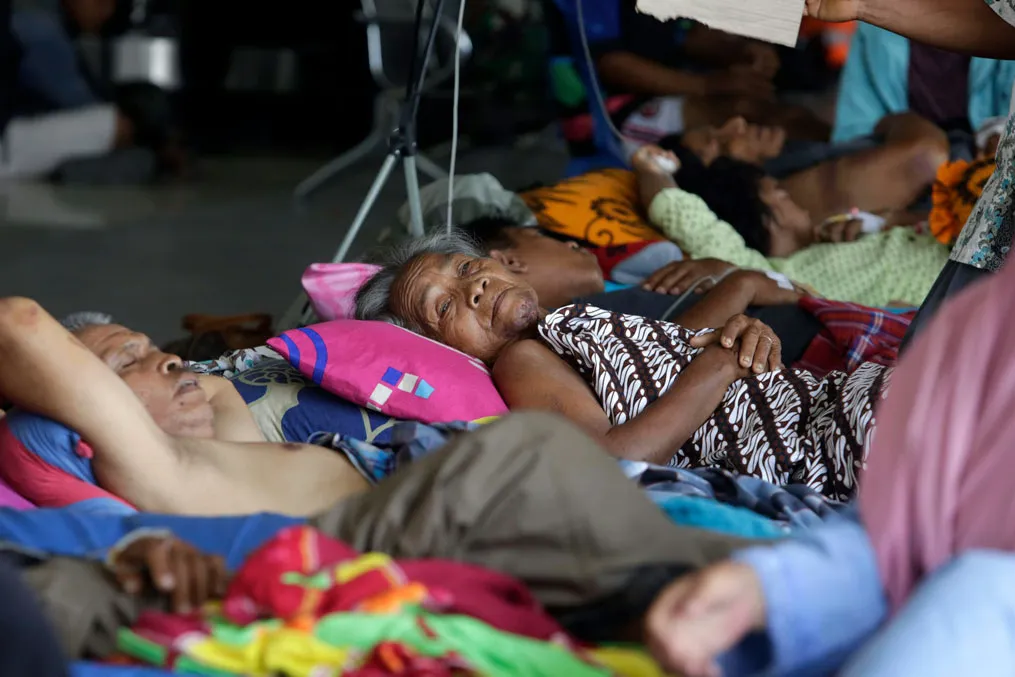
Earthquake and tsunami survivors rest while waiting to be transported by military planes at Mutiara Al Jufri Airport in Palu, Central Sulawesi, Indonesia, 03 October 2018. © EPA-EFE/HOTLI SIMANJUNTAK
“The main road is heavily damaged, which makes any activity far from normal. The farmer cannot go to market and the harvest transportation are hindered,” said Subkhi Hestiawan, a Rainforest Alliance Cocoa Program Associate in Indonesia. “It is a hard time for coffee farmers who are supposed to enjoy harvest month in October.”
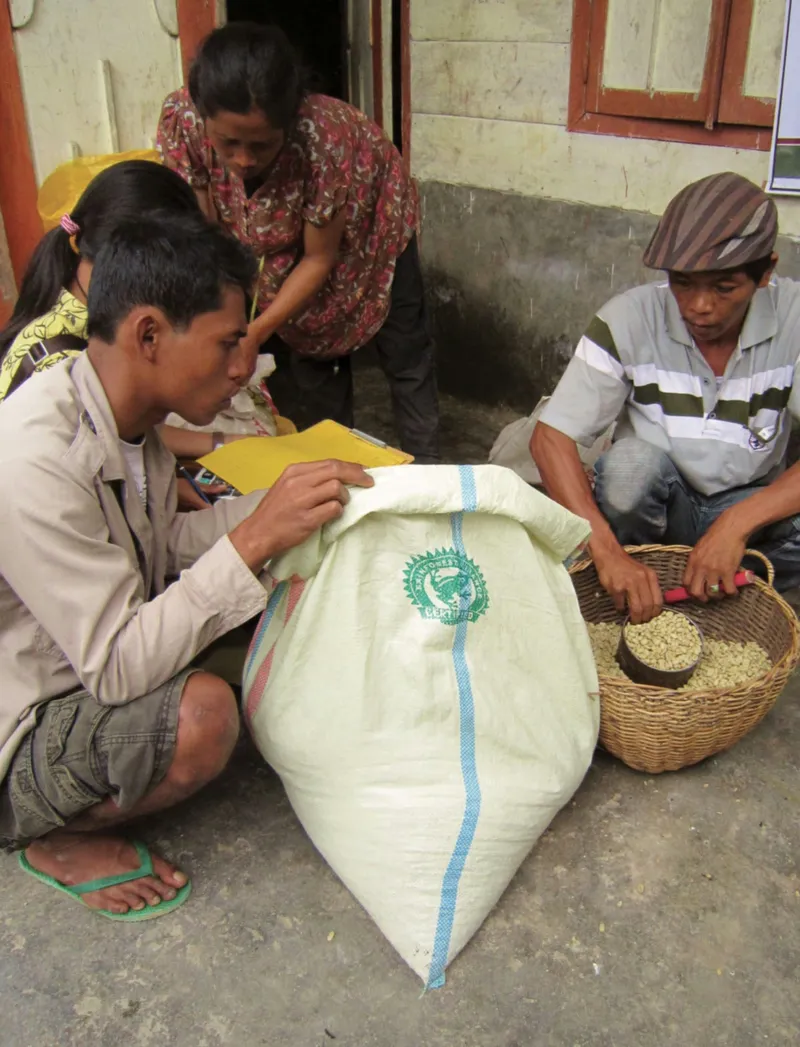
Hestiawan also noted that commodity companies operating in Palu—including Cargill, Elam, and Ecom-TMCI—have been forced to suspend operations there, leaving farmers without a way to sell their crops this year.
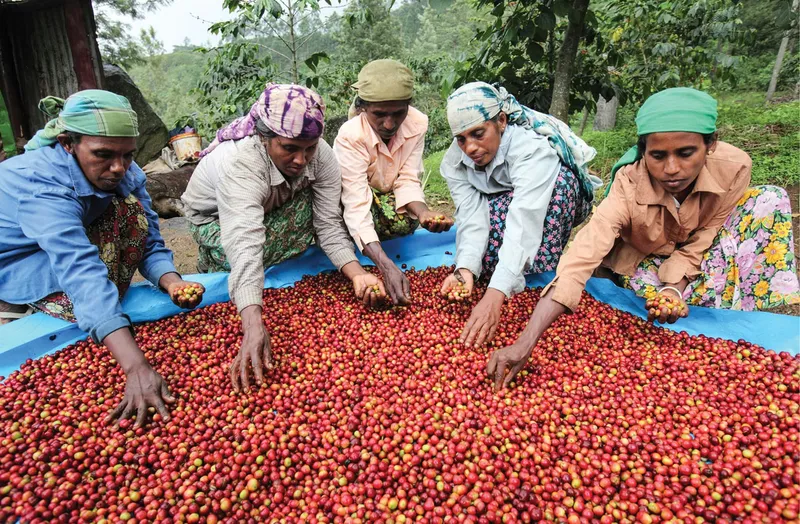
“This year’s harvest, especially coffee and cocoa, will be affected due to unharvested fruit at harvest time and uncertain climate problems,” he said. “Most problems come from halting cocoa and coffee trading-business activity. We estimate it will take at least two years to make activities back to normal.”
Many farmers are themselves displaced and grieving the loss of friends and family who were in the city when the disaster struck.
“Currently, a lot of people are in fear and prefer to stay at the rescue camps rather than going back to their homes as tremors are still happening,” said Thirza Khoe, a coffee importer with Zenith Coffee International and an Indonesian native. “They are also at the state of grieving and coming to term, realizing that they would never see their loved ones again—those who were lost during the tsunami.”
Relief efforts are currently centered on sheltering the displaced and curbing disease. The UN Refugee Agency (UNHCR) has delivered 435 tents to Sulawesi government officials and intends to donate another 1,305 tents in the coming days. Meanwhile, the Indonesian Ministry of Health is launching a disinfection campaign across Palu, Donggala, and Sigi District, which includes fogging refugee camps, spraying liquefaction zones, and disinfecting hospitals.
“The government is now prioritizing emergency response, and recovery for more lifesaving,” Hestiawan said. “The agriculture sector infrastructure are not yet priorities.”
Hestiawan outlined four key ways the global coffee industry can assist Sulawesi’s coffee and cocoa farmers in their recovery:
• Support data assessment to determine how many farmers are affected. • Support short term livelihood strategies, such as short term planting. • Support long term programs for replanting the devastated coffee and cacao plants. • Encourage the global industry to recover trading facilities in Palu.
To learn more about relief efforts, or to donate, visit the UN Refugee Agency website.
We will continue to report on developments in Indonesia.