Rwanda's Coffee Comeback: Quality, Resilience, and the Road Ahead
How a small East African nation rebuilt its coffee sector after tragedy, turning challenges into specialty-grade opportunities.
By Sam Morgan8 min read
Songs of Resilience
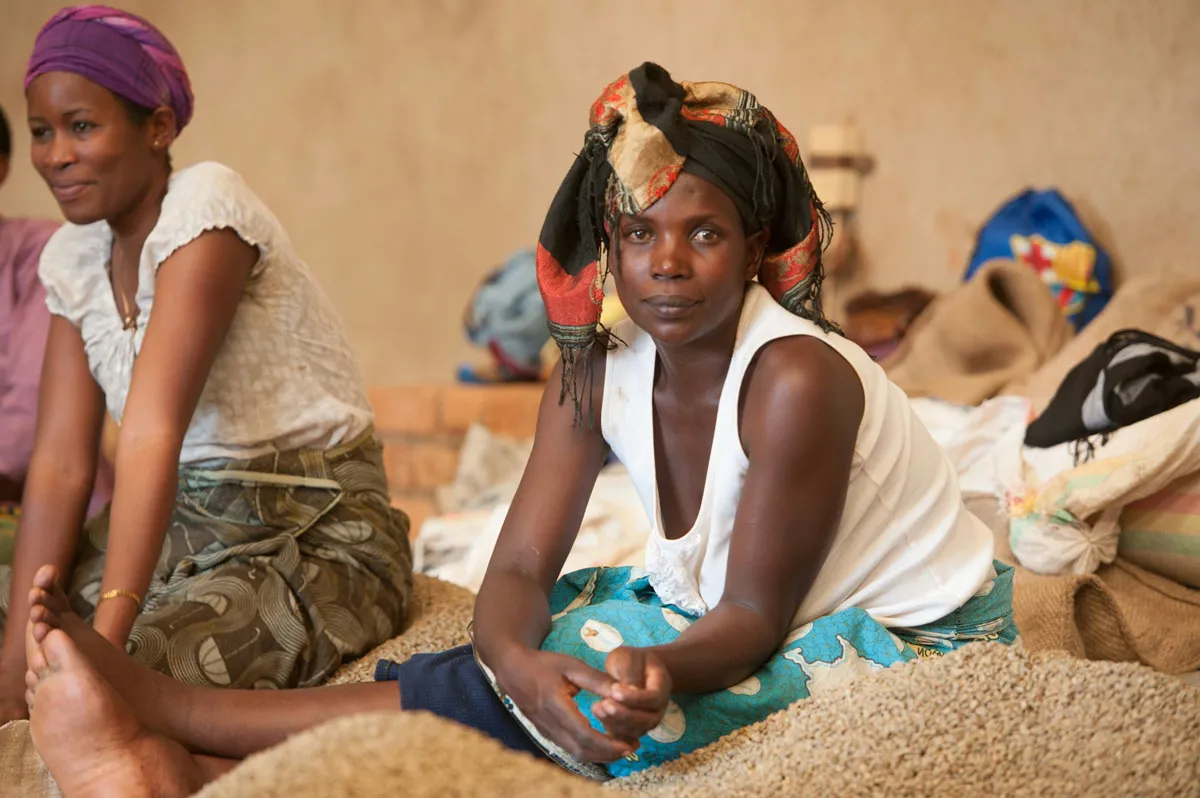
Among the coffee-growing communities I've collaborated with—particularly the women of the Nyampinga and Abakundakawa cooperatives—music is a constant companion. No sooner do we reach their farms or cooperative headquarters than a welcoming song begins. When we leave, another song expresses their gratitude. In February, my company's initiative, the Relationship Coffee Institute, organized a gathering in Rwanda that brought together over eighty female coffee farmers. Melodies filled the spaces between sessions, before meals, and during quiet moments. For these women, singing conveys joy and pride—emotions that also characterize Rwanda's coffee industry as a whole. The sector keeps expanding and innovating, and it has solidified Rwanda's standing as a significant specialty coffee origin.
Rwanda's coffees are remarkable for their complexity, distinctiveness, and nuance—on par with anything else in East Africa. A growing community of coffee professionals now operates in the country, and a few high-caliber cafés have appeared. Yet any discussion of contemporary Rwanda must confront the genocide. This year, April 7 through July 15 marks the twentieth anniversary of the 100-day period in 1994 during which approximately one million Rwandans were killed—a staggering proportion of the population. Beyond these deaths, more than two million Rwandans became refugees in neighboring countries. The priority was to restore the country politically and economically. President Paul Kagame has often emphasized the importance of economic opportunity rather than relying solely on aid. With roughly 500,000 smallholder families involved in coffee, and a largely rural population, Rwanda identified coffee as central to its economic recovery.
First Impressions and Unexpected Realities
As a social entrepreneur with a background in social enterprise, I found Kagame's philosophy aligned with my own thinking. Still, before my first visit, I harbored reservations. Would the country be dirty? What would the journey from Kigali to the coffee regions be like? After the 1994 genocide, would people be warm and welcoming, or traumatized and distant? Friends and family worried about my safety. I had heard about Rwanda's government taking novel approaches to healing and improvement—from small measures like banning plastic bags and thatch roofs to significant restrictions on press freedom and free speech. Would navigating the country be difficult? Would I be assigned "minders" to watch my every move?
On that initial trip, I landed late at night. The smell of wood smoke from cooking fires greeted me as I left the plane, and I took a shuttle into Kigali. I had expected shantytowns, an expectation reinforced by those cooking-fire smells. But the ride from the airport to my hotel showed me how wrong I had been. The road was wide, paved, and well lit. Traffic was more orderly and courteous than in most cities I've visited in coffee-producing regions. While clearly a developing economy, the main roads are free of shanties. People walked along wide sidewalks to clean restaurants. Something was clearly functioning. For a country recovering from recent genocide, things appeared to be on track.
A Geography Built for Arabica
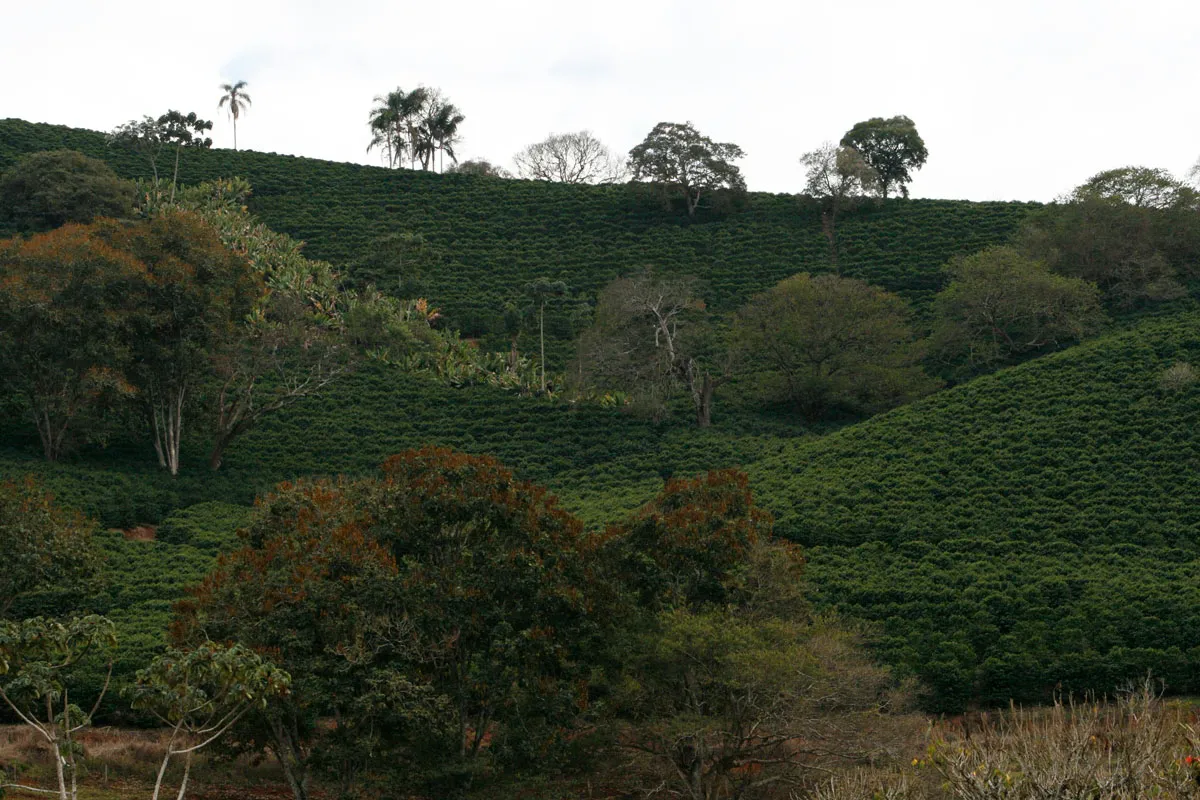
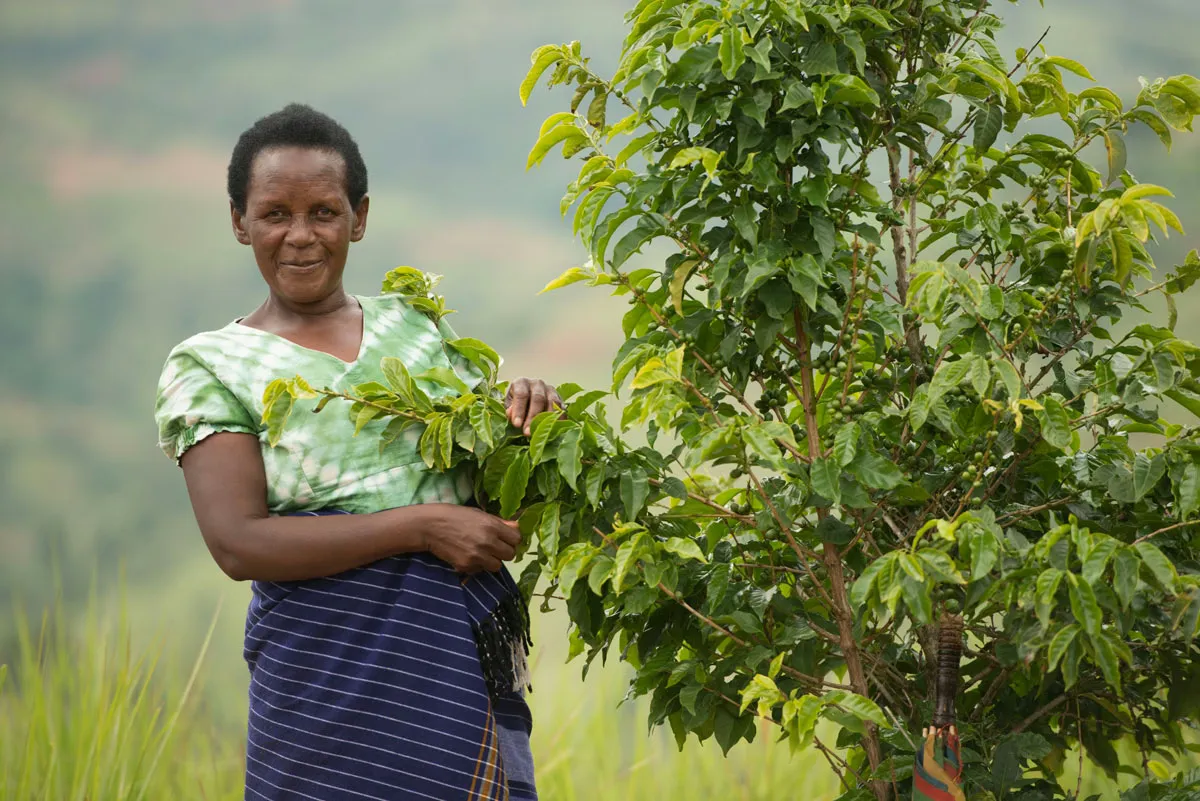
Known as the Land of a Thousand Hills, Rwanda is nearly ideal for Arabica production. Situated just a few degrees south of the equator, its elevation keeps the climate temperate. Most of the country sits between 1,500 and 2,200 meters above sea level, and coffee thrives in the fertile volcanic soil thanks to a reliable rainy season. The harvest season is well defined, typically beginning in late February near Lake Kivu and extending through July at higher elevations in the Northern Province. Although several varieties are grown, Bourbon is by far the most common, accounting for the majority of production.
Through the National Agricultural Export Development Board (NAEB), the government has made coffee a major pillar of its economic strategy. The NAEB directly supports smallholder farmers by supplying seed stock and technical assistance, strengthening coffee and agronomic research and processing, overseeing export quality, subsidizing fertilizer, implementing best practices, and promoting Rwandan coffees.
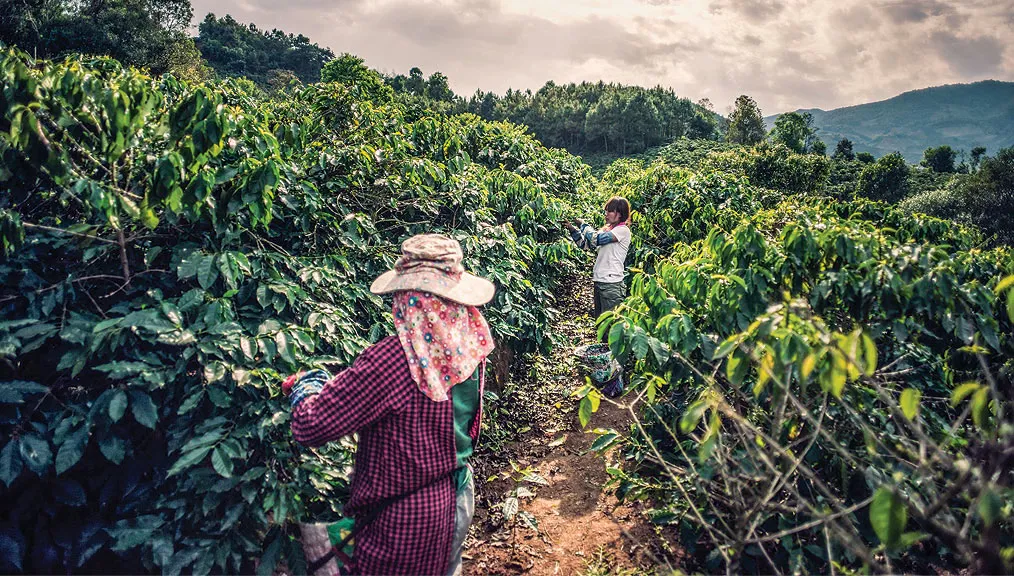
Recent government statistics indicate that the average farm has 183 trees. Most farms devote less than one hectare (2.5 acres) to coffee, and many farmers describe their operations by tree count rather than land area. I've spoken with farmers who own as few as ten coffee trees, while more successful ones might have 500 or 600 plants.
This dispersed production—spread across hundreds of thousands of smallholders in rugged terrain—makes coffee farming and logistics challenging. Rwanda is small and has some excellent highways; you can cross the country in a few hours. But once you leave the primary roads for the villages, hills and mountains make travel difficult. These two factors partly explain why Rwanda's coffee is largely defined by its approximately 215 central washing stations.
From Low-Grade to Specialty
Across East Africa, farmers deliver cherries to washing stations owned either privately or cooperatively. Before the genocide, most Rwandan coffee was processed locally at the farm or community level using a semi-dry method, where coffee is partially dried without fully removing the fruit through fermentation or milling. This low-grade coffee typically sold for less than the prevailing New York C-market price, and all exports were handled by joint private-government ventures.
In 1995, in the immediate aftermath of the genocide, the government opened the coffee industry to competition, and private exporters began operating. It still took several years before Rwanda's modern production system took shape. Starting in 2001, USAID funded projects to rebuild and improve the country's coffee infrastructure through initiatives such as PEARL, which helped construct central washing stations.
Throughout the early 2000s, more washing stations were developed and farmers organized cooperatively. When smallholders gain more direct access to supply chain stages that add value in the international market, they can benefit through higher prices and quality incentives. Washing stations are one such piece. As they became more common during the 2000s, a greater number of smallholder farmers obtained fair market prices for their cherries.
The cooperatives and private companies that own Rwanda's washing stations also control dry milling and export operations. To ensure a level playing field, NAEB annually sets a minimum farm-gate price that washing stations must pay farmers for cherries, based on current New York C-market conditions and the outlook for the coming harvest. For 2014, farmers earn a minimum of 200 Rwandan francs (approximately $0.30) per kilogram for cherries delivered to the washing station. In some areas, multiple washing stations compete for cherries, creating market pressure to pay as much as fifty percent more than the government-established minimum. After harvest and export, farmers can earn premiums if their coffees fetch high prices internationally. With opportunities to earn premiums for high-quality coffees, most washing stations can now isolate and track specific lots.
In the early 1990s Rwandan coffee sold for ten to twenty cents less than the C-market. Now, some winning lots fetch in excess of $23 per pound.
In 2007, Rwanda held its first Golden Cup championship. The following year, Cup of Excellence began holding competitions in the country. Traceability by washing station and close attention to producing exceptionally clean and distinct coffees have allowed Rwanda to showcase outstanding coffees internationally.
The exceptional prices paid for Cup of Excellence-winning lots from Rwanda demonstrate how dramatically things have changed. In the 1980s, none of the country's coffee was classified as specialty; in the early 1990s, its coffee sold for ten to twenty cents less than the C-market; and then came the hellacious year of 1994, when many farmers were killed and coffee plants were uprooted and burned. Now, some winning lots fetch in excess of $23 per pound.
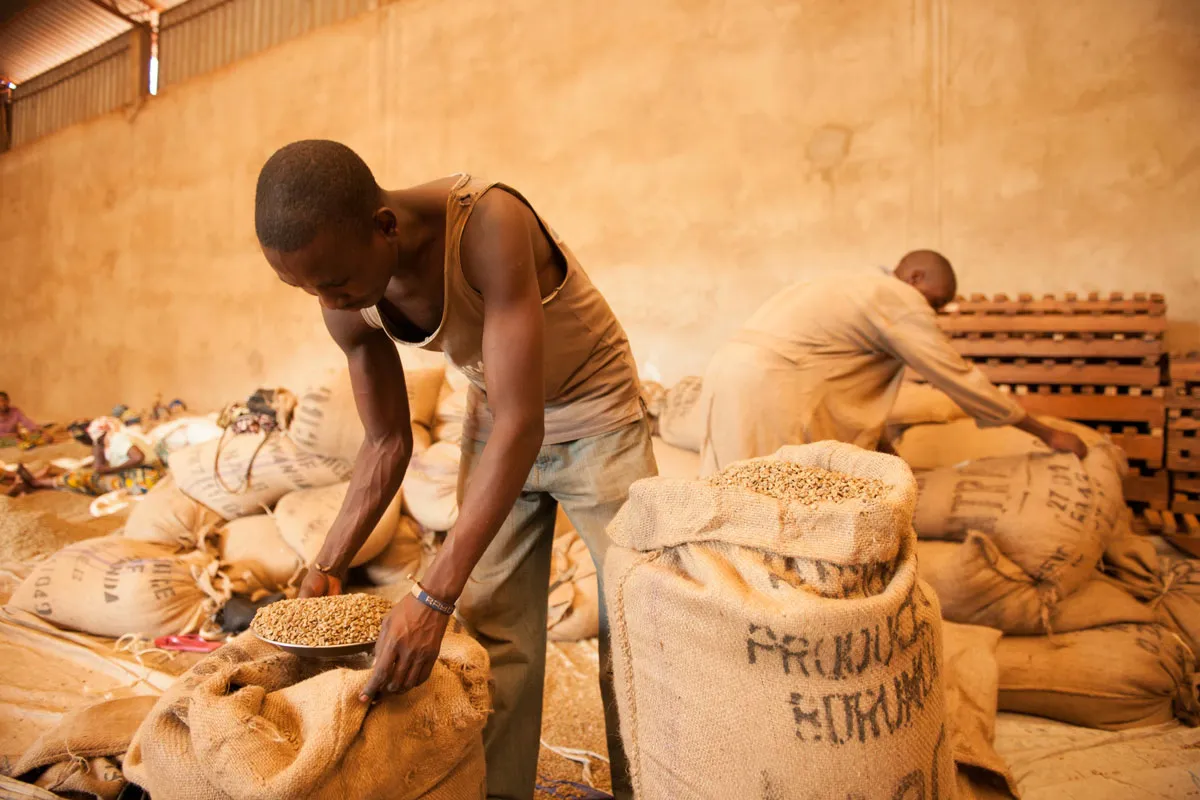
Implementing washing stations was key to improving both coffee quality in Rwanda and the quality of life for those involved in production. These washing stations also paved the way for individuals to develop into coffee professionals, including Rwanda's sixteen active Q Graders.
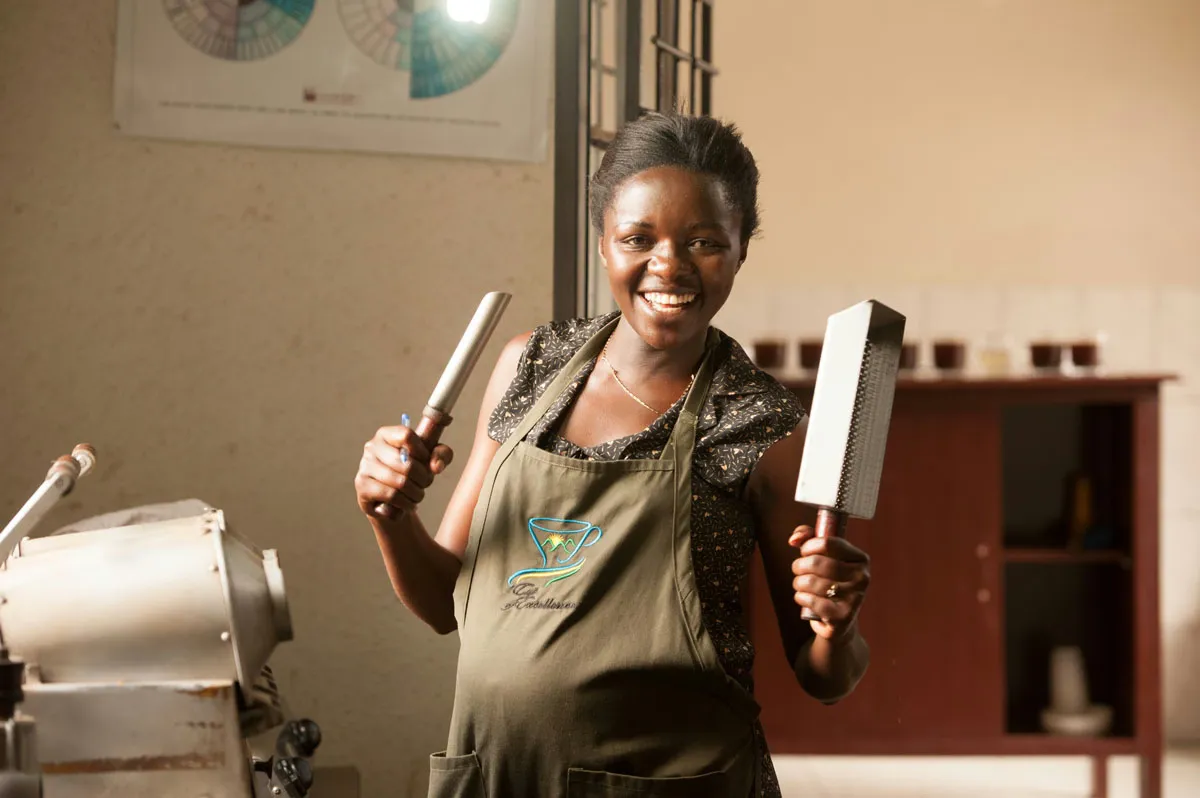
Laetitia Mukandahiro, one of Rwanda's top Q Graders, sample roasting.
Laetitia Mukandahiro is one of East Africa's top coffee cuppers. She approaches her work with calm, quiet, and serious dedication. When Laetitia cups, her professionalism shows in her careful attention to protocol and scoring. After cupping, her huge, warm smile exudes pride in the amazing coffees she evaluates, including Cup of Excellence winners. Laetitia manages quality control for KZNoir, which owns several washing stations and is an exporter based in Kigali. The daughter of a coffee farmer, Laetitia began her coffee career sorting wet parchment at a washing station. In 2005, she and her colleagues were given the chance to try cupping coffees. She finished at the top of her group and was soon hired by a Rwandan coffee lab. Nearly overnight, her income more than tripled. She continued developing her skills, earning her Q Grader certificate. Laetitia has received regular promotions, has been recognized as Rwanda's top cupper in international competitions, and now earns more than thirty times what she made as a sorter at a washing station. Through her work in coffee, Laetitia put herself through school, earning a degree in economics in 2011. She inspires others working in coffee throughout Rwanda.
Persistent Challenges: The Potato Defect and Beyond
Rwanda's coffee industry still faces hurdles. Defects common in East African coffees are a constant challenge. The most concerning defect cited by roasters I work with—and the one that receives the most attention from NAEB—is the potato defect, a distinct wet potato aroma and starchy flavor in the cup. Most current research points to a bacterium as the culprit. Because the bacterium seems most prevalent in coffee damaged by antestia bugs, these bugs have been the focus of investigation.
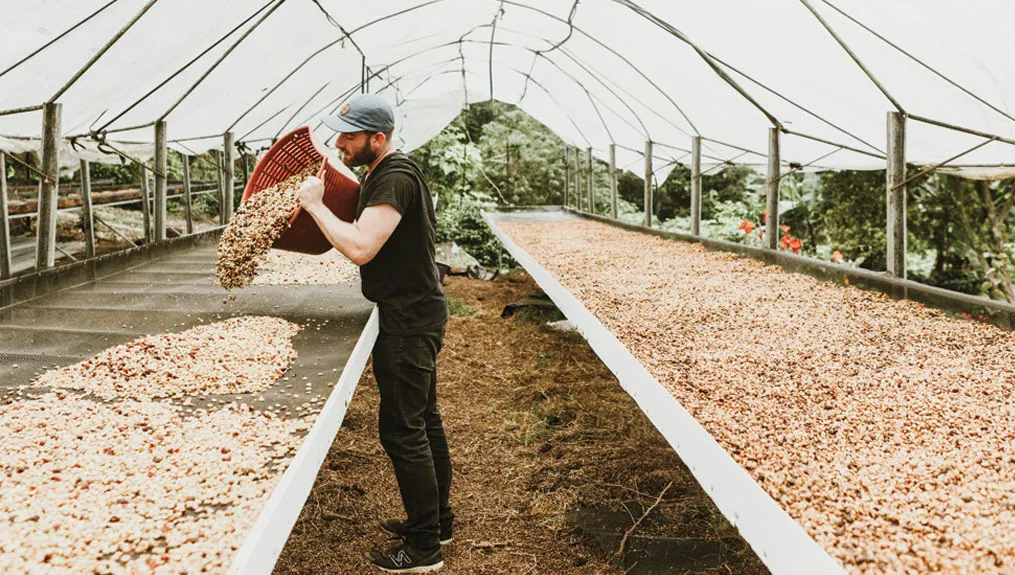
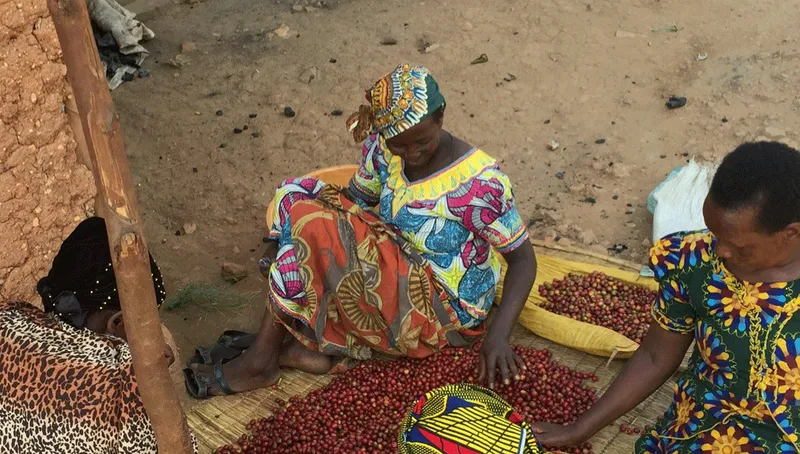
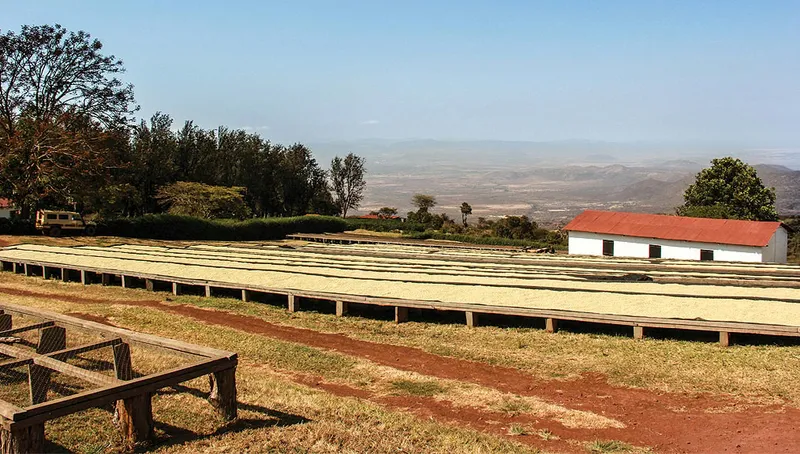
Rwanda is also tackling the potato defect on the ground at the washing station level. As the parchment leaves the fermentation tanks and receives its final rinsing, it is placed on covered raised beds. The prevailing theory is that overly opaque parchment is more likely to exhibit the defect, so while still wet, and before moving to the drying beds, the coffee is hand-sorted.
Laetitia, a Q Grader, earns more than thirty times what she made as a sorter at a washing station.
Then, at the dry mill, after hulling the parchment, the green beans are again hand-sorted to further mitigate the defect. As someone who has cupped a lot of Rwandan coffee over the past decade, I can anecdotally report that these efforts appear to be working. There was a time when I frequently came across defective cups from Rwanda. Now, we still find a few every year in our lab, but it's much less common.
Rwanda has further opportunities to improve coffee quality by improving farmers' quality of life. With such small landholdings, many farmers find it challenging to earn a living from coffee. Among many innovative projects that roasters, importers, exporters, non-governmental organizations, and others are implementing in Rwanda is the Relationship Coffee Institute's undertaking to increase the earnings of over 3,500 women. A key component is training isolated communities of women coffee growers, helping them increase yields, gain better access to domestic and international markets, and improve the quality of their coffee.
All of these projects work to improve coffee quality and reliability, raise producer incomes, and create a new generation of coffee professionals in Rwanda. The fact that Rwanda is now seen as a specialty coffee producer first, and a country recovering from genocide second, is poignant evidence of these projects' impact. It's a heartening sign of how far Rwanda and its coffee growers have come.