Decaf's Long Road: From Marketing Stunt to Specialty Contender
Decaf has spent decades as the punchline of coffee culture, but a small group of roasters and cafés are betting that flavor, not caffeine, will define its future.
By Blake Lee6 min read
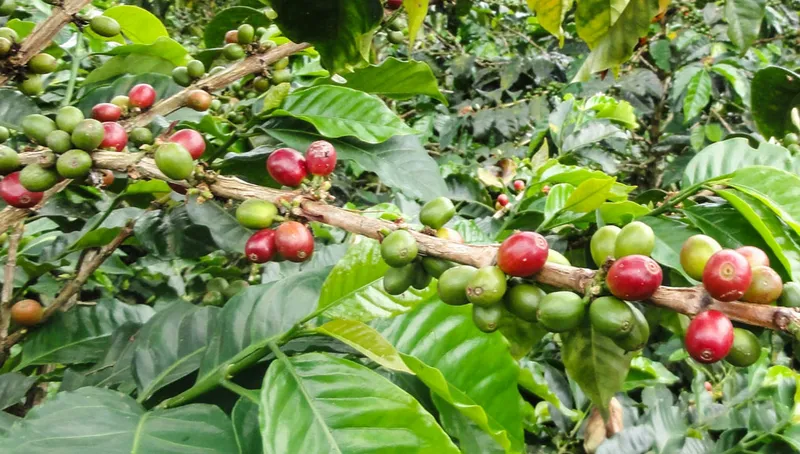
Coffee has long been valued for its pick-me-up effect. As one legend tells it, an Ethiopian goatherd named Kaldi stumbled upon coffee cherries after observing his goats become unusually energetic from eating the fruit of a particular tree. He shared the discovery with a nearby monastery, and word of the energizing fruit began to circulate.
From the 17th-century coffeehouses of Europe to modern blends engineered for extra caffeine, people have continued to seek out coffee precisely for its stimulant content. So how did decaf—coffee with virtually no caffeine—enter the picture? And what led some consumers to campaign against it with slogans like “Death Before Decaf”?
Within the broader history of coffee, decaffeinated coffee is a relatively recent development, spanning just over a century and carrying a complicated legacy of both breakthroughs and setbacks.
The Origins of Decaf
Coffee drinking stretches back centuries, but decaf only appeared on the scene a little more than 100 years ago.
Ludwig Roselius created the first commercially viable decaffeination method in the early 1900s. His motivation was personal: he believed his father, a professional coffee taster, had died prematurely as a result of heavy caffeine consumption. Roselius patented the technique and, in 1906, launched a German company called Kaffee Hag—known in much of the world today as Sanka.
The Sanka name, derived from “sans caffeine,” became a global brand closely associated with the color orange. Restaurants would often use a coffee pot with an orange handle to signal that it contained decaf. This was not the result of a nationwide agreement among restaurants; it was a marketing strategy devised by Sanka after the brand was acquired by General Foods. As a promotional move, Sanka distributed orange-handled coffee pots, matching its distinctive branding, to restaurants across the country.
As decaffeinated coffee gained traction, so did worries about caffeine. A 1932 Sanka advertisement wove a relatable story about coffee’s appealing flavors and the restlessness that could follow, presenting the product as a flavorful alternative without caffeine. Sales of decaf—both instant and brewed—climbed sharply. By the 1980s, nearly 25% of the coffee consumed in the United States was decaf, and brands such as Brim, Sanka, and Nescafe Taster’s Choice became familiar household names.
Conflicting health claims about coffee are hardly new, and decaf became caught up in these anxieties during the 1970s and 1980s. Studies funded by the National Cancer Institute found that trichloroethylene (TCE), a solvent used in decaffeination, caused cancer in rats.
Companies responded by switching to methylene chloride, a solvent still used in decaffeination today, though it has not been free of health concerns. Some brands, including Nescafe, capitalized on fears about methylene chloride by promoting a “naturally decaffeinated” water-based process.
Decades of shifting claims about decaf’s safety, combined with caffeine’s growing popularity, made decaffeinated coffee a target of jokes and anti-decaf marketing. The “Death Before Decaf” mantra eventually became a familiar refrain among consumers—a 1990s Folgers commercial even mocked decaf’s reputation among coffee drinkers. The damage to decaf’s image was done.
Today, the specialty coffee sector is trying to undo that damage by making higher-quality decaf more widely available. Several companies focus entirely on decaf, including Savorista and Decadent Decaf, and in 2020, Cole Torode placed third at the Canadian Barista Championships using decaffeinated and low-caffeine coffees in his routine.
Consumers Push for Better Decaf
A 2018 report from Swiss Water Decaf found that 61% of decaf drinkers actively seek out better-quality decaf coffee and are willing to pay more for it. With millennials driving much of this demand, coffee shops are seeing greater interest in tasty decaf drinks.
Rebel Dog Coffee Co., a specialty coffee company with multiple locations in Connecticut, experienced the decaf surge directly. The company, which offers both decaf and half-caf options on its menu and retail shelves, saw decaf coffee sales nearly triple between 2020 and 2021.
“There’s both an increased demand for decaf coffee and a focus on specialty decaf,” says Kaitlin Higgins, Head of Marketing and Communications at Rebel Dog Coffee Co. “Even before we began roasting coffee ourselves, we always had the ethos of providing excellent options for decaf drinkers. They’re the customers drinking coffee for the flavor, not just the caffeine. A lot of customers are grateful that we offer a great decaf to drink.”
Jenny Benson, Rebel Dog Coffee Co.’s Head of Roasting Operations, echoed the shop’s experiences and also pointed to parallels between specialty coffee and trends in alcoholic beverages. “We’re also seeing this health-conscious and wellness-focused trend with alcoholic beverages through lower ABV drinks, non-alcoholic beers, and mocktail bars. There’s a parallel to the coffee world for lower caffeine options that are still craft, delicious, and fun to drink.”
In a 2018 survey by the National Coffee Association, 62% of coffee-drinking consumers reported that “it is important to limit my caffeine intake.” Decaffeination removes roughly 97% of a coffee’s caffeine content, leaving about 2 mg per cup. By comparison, a typical cup of coffee contains around 95 mg of caffeine.
“Personally, I want to be able to drink coffee throughout the day—it’s a ritualistic thing for me—but I don’t want to be drinking caffeine throughout the day,” Higgins continued.
Benson agreed: “I wanted something a little easier in the afternoon. I’m even finding myself drinking our Session Blend, a half-caf coffee, in the morning to ease into the day too.”
For those not ready to eliminate caffeine entirely, naturally low-caffeine coffee varieties exist, such as Laurina and Racemosa. Daterra Farms, a well-regarded coffee estate in Brazil, also produces a low-caffeine variety called Amarosa, a cross between Coffea Arabica and Coffea Racemosa.
The Business Case for Decaf
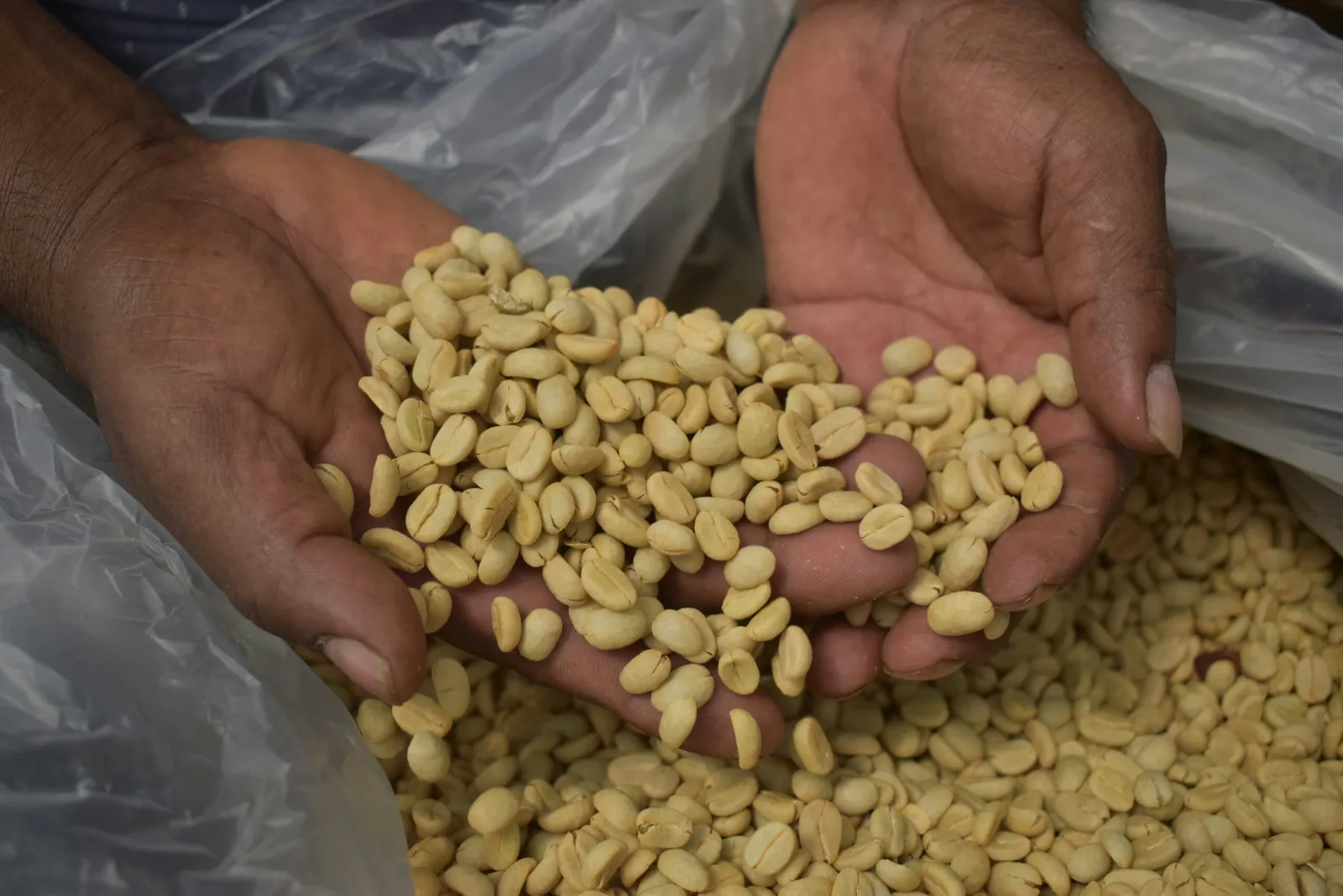
The main hurdle for many coffee companies is the cost of sourcing high-quality decaffeinated and low-caffeine green coffee, particularly given decaf’s current position in the market. Even as demand rises steadily, decaf beverages and beans still represent only a small fraction of annual sales at the average coffee shop. As of 2020, decaf remained the least consumed coffee beverage in the United States.
Benson explained that a quality-first mindset guided Rebel Dog Coffee Co.’s decision to invest more in decaf. “Everything on your coffee menu should be something that you’re behind. With this in mind, we want our decaf to taste good, be a great product, and not be an afterthought,” says Benson. “We see a lot of people limiting caffeine for health reasons, and with wellness trends and more caffeine-conscious customers, I think we’ll continue to see an increase in decaf consumption.”
There is no avoiding the fact that top-tier decaf is expensive, and decaffeination adds an extra step in the supply chain, a cost often absorbed by roasters and coffee shops. “The price was high, but we knew that quality was our most important attribute,” Benson said.
Higgins agreed: “We want to make sure we’re paying more than the C-Market or importer-set prices. And because of that, we have a price range that we work with,” she says. “The decafs are in the higher end of that range, but for us, it’s important to have a high-quality decaf that we’re proud of and feel confident offering to people.”
To that end, Rebel Dog Coffee offers two options for customers limiting caffeine. Speed Limit Decaf is a single-origin Colombian coffee decaffeinated using an ethyl acetate process. Session Blend, the shop’s half-caf offering, pairs the Colombian decaf with beans from the Sierra Azul Cooperative in Chiapas, Mexico, for a lower-caffeine blend.
With one solid decaf coffee as its anchor, Rebel Dog Coffee can offer two retail coffees and a range of decaffeinated drinks in-store—evidence that an economical approach to specialty decaf is possible.
A new chapter for decaffeinated specialty coffee has begun. It may be a slow and steady movement, but Cole Torode captured the shift well in his competition routine: “The future of coffee might be strictly derived from flavor—and not a vehicle for us to get out of bed in the morning.”