Costa Rica as a Coffee Learning Destination: A Practical Guide
An insider's perspective on why Costa Rica suits coffee professionals seeking hands-on harvest experience, with tips on arranging farm stays, budgeting, and navigating local culture.
By Jamie Wilson5 min read
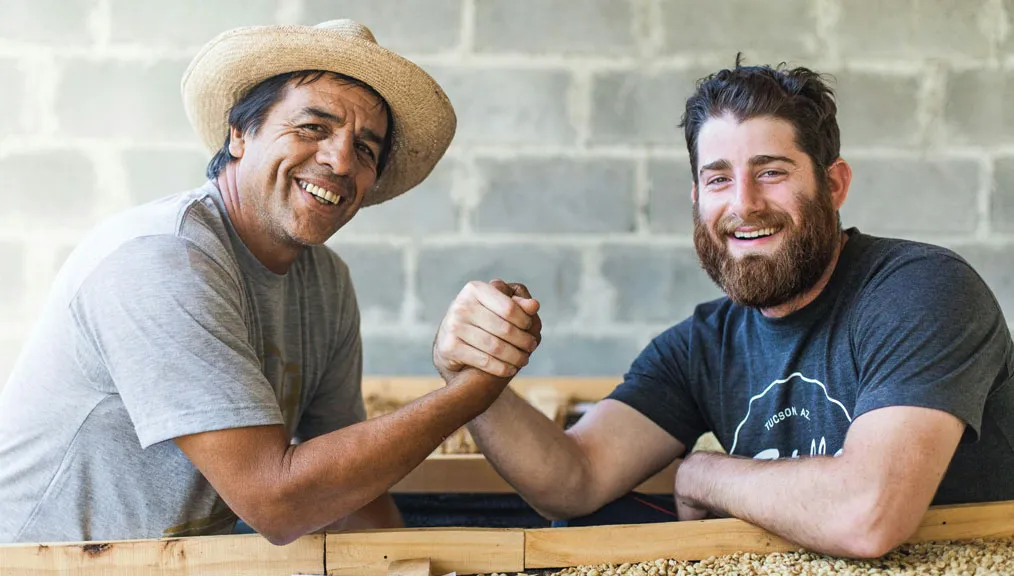
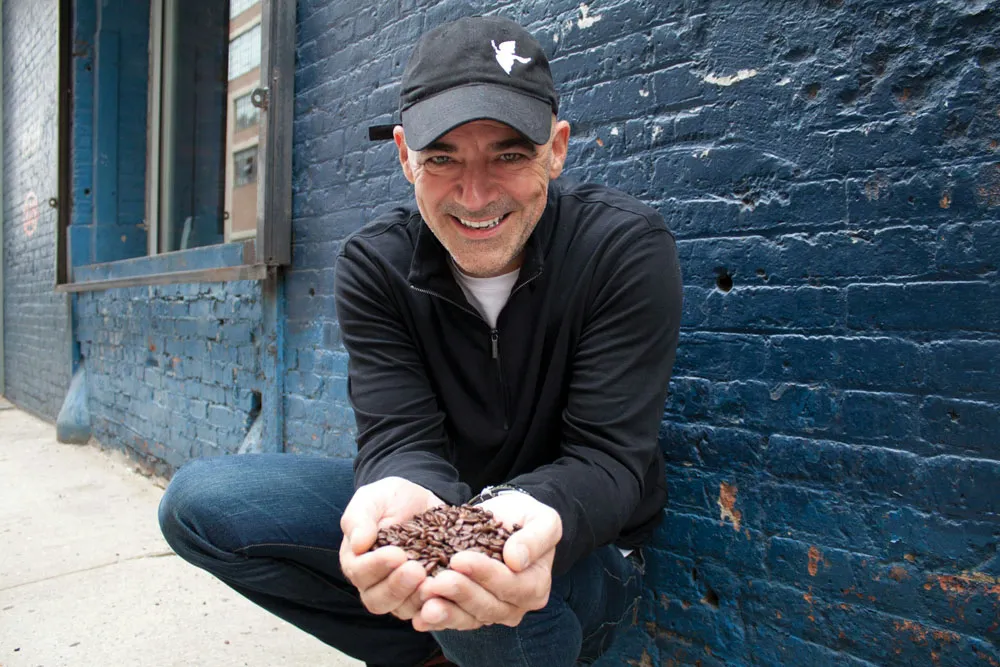
Perry Czopp resides in Costa Rica, where he collaborates with coffee producers Don Eli and the Montero family. Over the coming year, Czopp and photographer Cheyanne Paredes will examine Costa Rica's coffee community from multiple angles: tourism, production, export, and consumer culture. In this inaugural piece, Czopp argues that Costa Rica is an excellent choice for coffee tourism.
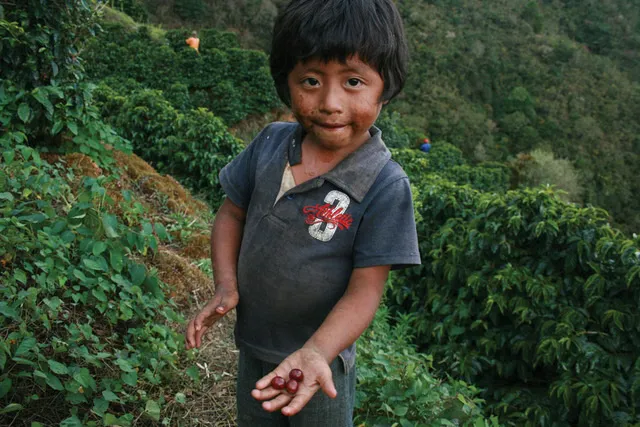
For anyone planning a vacation, Costa Rica offers plenty: scenic sandy beaches perfect for relaxation, protected national parks waiting to be discovered, and vibrant cities with energetic nightlife. But for coffee professionals, the country presents something more: a chance to witness the interconnected stages of the industry's supply chain—from production to export to consumption.
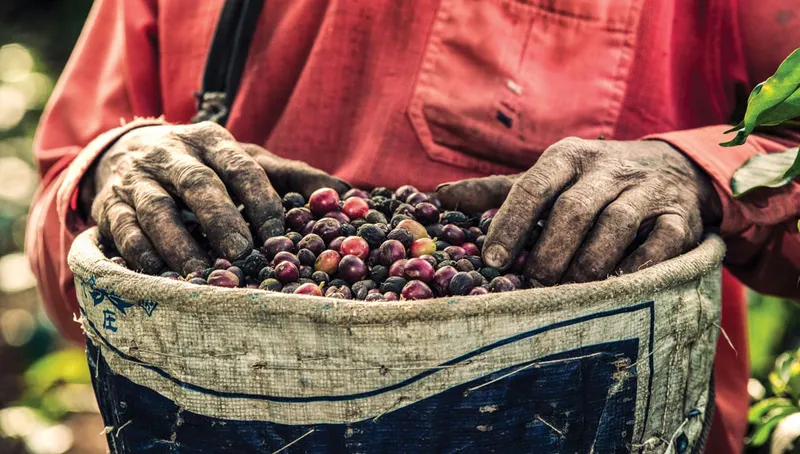
Costa Rica produces exceptional coffee that exemplifies Central American quality. It is a forward-looking nation receptive to engaging with consumers, and it is conveniently accessible from the United States. While over two million tourists visit Costa Rica each year (contributing 15 percent of the country's gross domestic product), the best period for coffee professionals to visit is during harvest, between November and April. These months coincide with Costa Rica's dry season, when rain is unlikely and mild weather offers a welcome escape from the winter conditions farther north—and you also get to observe harvest activity firsthand.
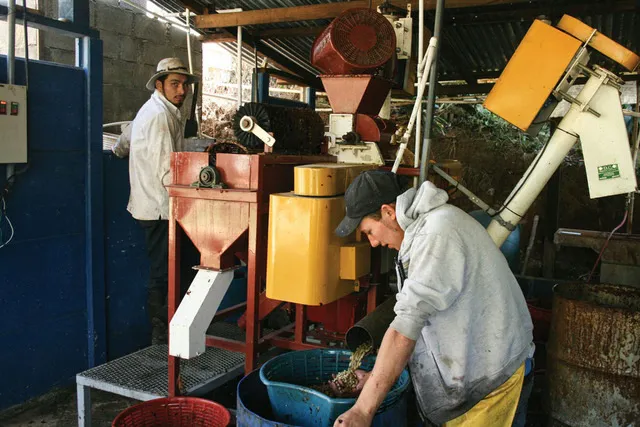
Committing the time and money for an origin trip is not easy, yet it remains a crucial milestone for anyone in the industry. I first started to grasp coffee while working as a barista at a small, independent café. That was eight years ago, and at the time, traveling to origin wasn't feasible. Even as I moved closer to coffee as a roaster three years later, it was still out of reach. But I understood that seeing production firsthand mattered for my career in coffee.
A few years after I began roasting and became more familiar with green coffee and its sources, I entered a regional barista competition. With roasting experience on my barista resume, I wanted to find green coffee that I could both roast and serve to the judges. I worked with Jeff Courson, a green coffee trader, to identify the right coffee for me—we chose Tematica, a typica micro-lot produced by the Montero Family at their micro-mill in Costa Rica. The process of selecting this coffee and preparing for the competition led to correspondence with Carlos Montero, the coffee's producer. Not only did I have an open dialogue with the Montero family, but I also received a direct invitation to visit their farm.
I threw myself into it and bought a plane ticket for a two-month visit while I was between jobs. I spent most of my time working on the farm, but had the chance to explore on weekends. I loved it so much that I decided to move here. I continue to learn something new about the coffee trade every day.
Since my first trip eight years ago, origin trips have become much more common, and contact with producers is far more feasible.
This has been a major breakthrough with a substantial impact on our industry. Given the ease of travel and the willingness of local producers to host guests, I believe Costa Rica can guide coffee development in a positive direction.
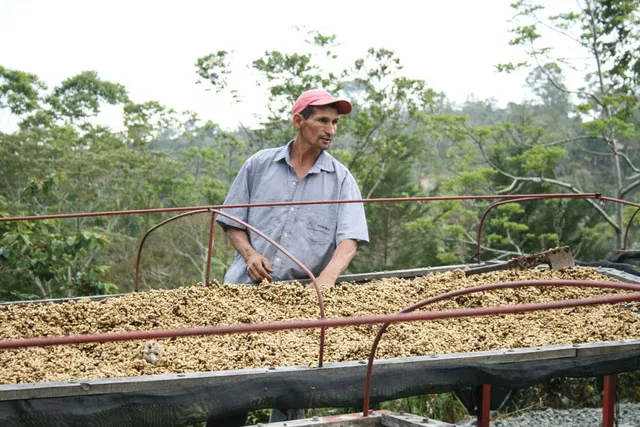
While there are many ways to travel to Costa Rica, I recommend contacting a farmer directly or reaching out to your roaster, importer, or exporter to find a producing family open to hosting a visitor. Once you get in touch with a farmer, ask about their capacity to host visitors and propose a daily or weekly contribution to cover their costs (I suggest starting at around fifteen dollars a day).
Keep in mind that you're going to experience harvest and learn about the coffee growing industry; don't be a tourist who stops at a farm, takes a picture, and moves on. Dedicate at least a week of your time to working on a specific farm, and you'll get much more out of your trip. Three to four weeks is the ideal length for a visit: you can experience an entire processing cycle and still have time to explore the country's volcanoes, beaches, and national parks.
Staying with a producing family gives you far more than a farm or wet mill tour and some photos. You become immersed in the day-to-day life of a producer: the early mornings, late nights, language, food, decision-making, and endless hard work that coffee production demands. Working on a farm also fosters a more meaningful and lasting connection with the farmers you are visiting or staying with, including a deeper understanding of the region, café culture, and overall coffee production.
PRO TIP ONE When booking travel to Costa Rica from the United States, there is no need to worry about filing visa paperwork. Upon arrival, border control will stamp a ninety-day tourist visa into your valid passport. Though uncommon, you may be asked to present proof of your departure from the country. Outside the Juan Santamaría International Airport you can grab a red cab or even use Uber to catch a ride. Both are totally safe and economical ways to get to your next destination.
PRO TIP TWO Knowing common questions and answers in Spanish is great, but many people in the main cities speak some English. I recommend staying in San Jose for a night when you arrive and before you leave, because you can come and go from the airport on your own schedule and have time to enjoy the capital city.
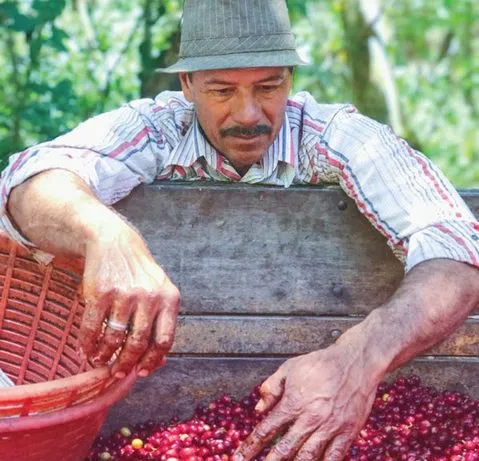
PRO TIP THREE San Jose has a great café culture that conveys the coffee landscape of the country. Start in Barrio Escalante, the hip part of town housing most of the popular restaurants and cafés. There, you can check out Underground Brew Café, Franco, Cabra Negra, and Cafeoteca, all within walking distance from each other. From there you can go through the artsy Barrio California to Barrio Amón and visit the quaint Café Nauta. End up in the heart of San Jose by checking out the Academia Costarricense del Café where they roast, brew, and educate about all that is Costa Rican.
PRO TIP FOUR It is nice to have cell phone service during your stay, so I suggest visiting a Kölbi, Movistar, or Claro store front to get a SIM card and service. Generally the connection works well and is a pretty inexpensive (around twenty dollars) convenience. Having a locally connected cell phone simplifies searching destinations, getting directions, and even posting on social media.
PRO TIP FIVE Be patient, go with the flow, and savor the moment. Everything will get done, but not everything will unfold when you want it to, or when you think it should.