Tiny Footprint, Global Flavors: Inside a 52-Square-Foot Café
How a Toronto coffee bar packs a full menu into a space smaller than some walk-in closets.
By Sam Watson3 min read
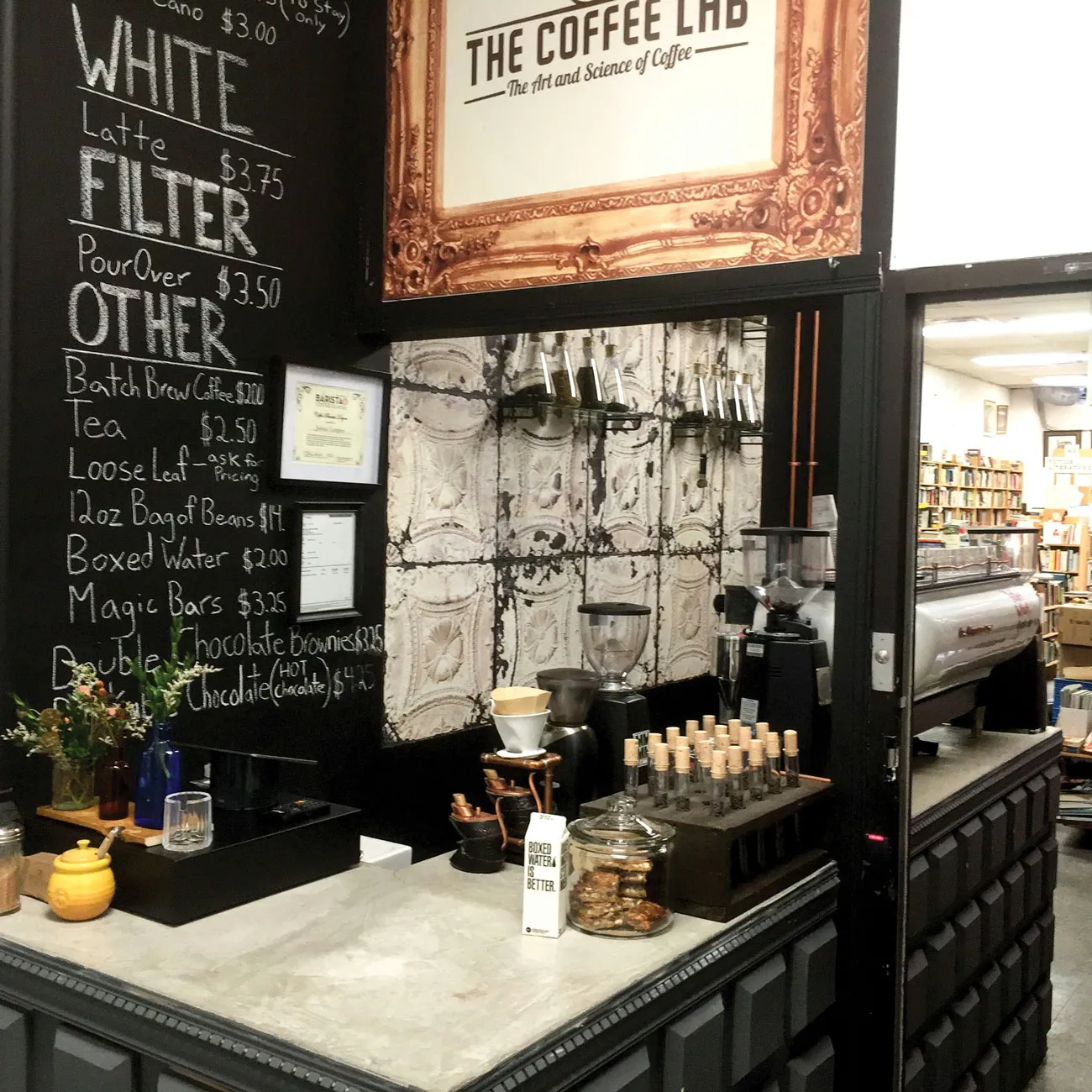
When Joshua Campos responded to a Craigslist listing for a café spot inside a bookstore, the area on offer was roughly half the size of what eventually became the Coffee Lab. Even after doubling the initial footprint, the café still ranks as Toronto’s smallest, at just fifty-two square feet. Some cafés built into Winnebagos have larger floor plans.
Campos set up shop in Willow Books last fall, constructing the café himself. Despite its diminutive dimensions, the space let him expand the menu beyond what he offered at the Coffee Lab’s original location—a booth in a flea market. “When I moved to this space, I was used to a small space,” he says. “The flea market had a very, very tiny booth. I didn’t have a 220 volt, so I didn’t have an espresso machine.” Now, with a refurbished La Marzocco FB70, Campos keeps the menu streamlined and simple: no flavored drinks, and a tightly limited set of preparations.
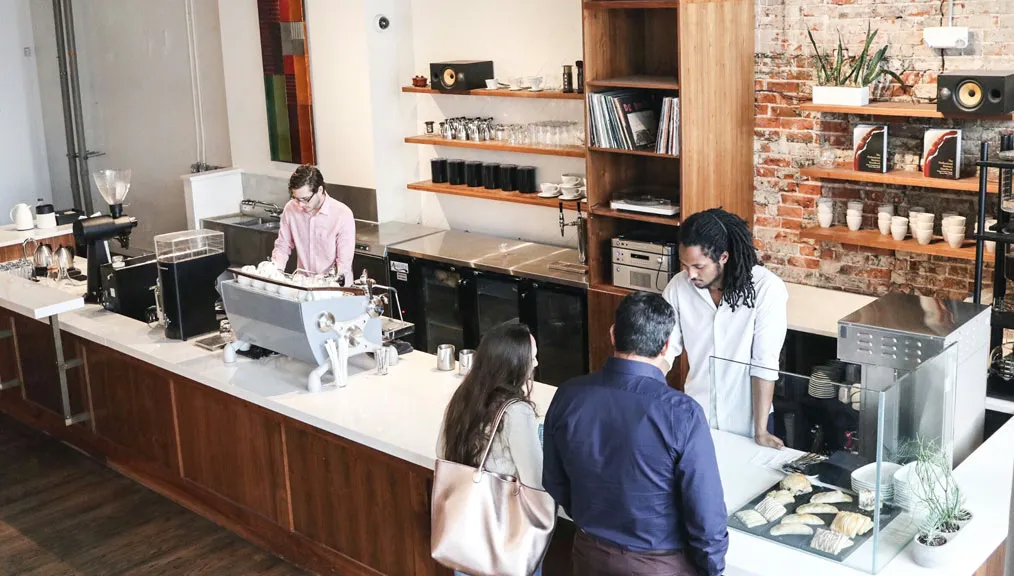
That approach matches the bar’s practical constraints. Nothing in the setup is superfluous. There are no brewers that see use only once a week, no merchandise to organize, and no excess cup inventory. Messes have nowhere to spread, and the refrigerators beneath the bar barely fit. Supplies that won’t fit in the small storage area are kept in Campos’ car. Aside from espresso, every drink at the Coffee Lab is served in a to-go cup, which drastically reduces the amount of glassware and eliminates the need for a dishwasher.
The one area where the Coffee Lab goes big is its coffee selection. Campos rotates his offerings regularly, serving beans from roasters such as Parlor and Anchor. He always has two single-origin espressos available and often three pour-over roasts (decaf and batch-brewed coffee are also on offer). “I always want to have something new to offer the clients, to let them see different roasters, different roast styles, different single origins,” Campos says. For pour-overs, the coffee is pre-dosed into test tubes, letting customers smell each option. “I let their nose decide for them,” he says.
In a space that could fit comfortably—often several times over—into the bar area of some cafés, Joshua Campos demonstrates that a small footprint need not prevent a wide-ranging, sophisticated coffee experience.
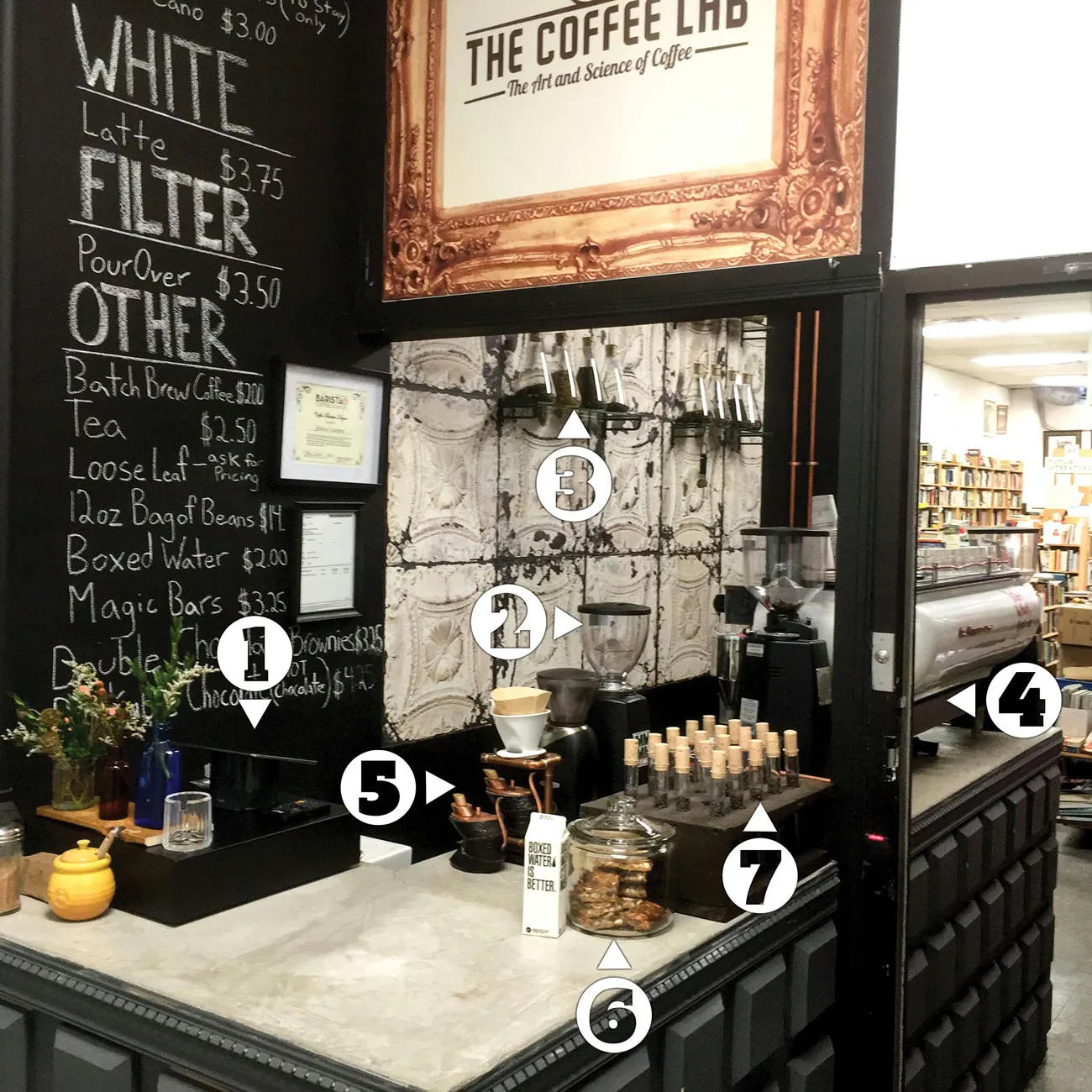
1. Cash Box: With no room for the cash box under the bar, a few strategically placed vases of delicate flowers and a neat condiment set give the black box a touch of class.
2. Grinder Takeover: Grinders eat up a lot of space. Even with a small Baratza Virtuoso for pour-overs and a Mazzer Mini for decaf, the two Mazzer Majors dominate the bar.
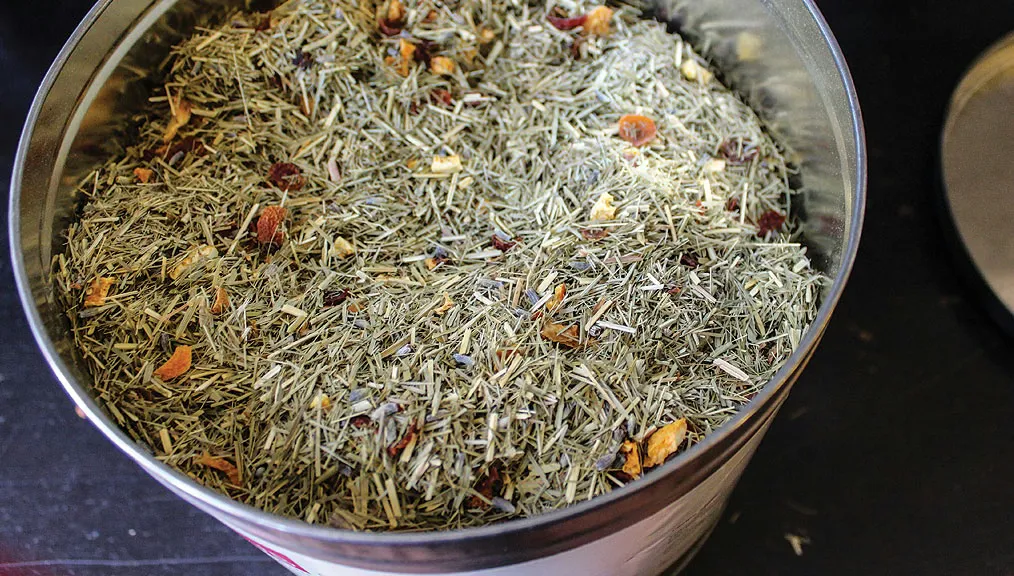
3. Beakers of Leaves: A wall of beakers holds sixteen different loose-leaf teas and tisanes.
4. Revived Espresso: Campos purchased this three-group La Marzocco FB70 used and refurbished it, adding a few copper accents.
5. Custom Kettles: There isn’t much room to build a visual brand, but copper touches like these gooseneck kettles help. Made in Australia, the crocodile-skin cozies add extra flair.
6. Pastries: Campos makes his own pastries, including brownies and magic bars—a concoction that resembles a block of trail mix.
7. Test Tubes: Campos pre-doses pour-over coffee into test tubes, letting customers get a whiff of each of the three rotating offerings before choosing.
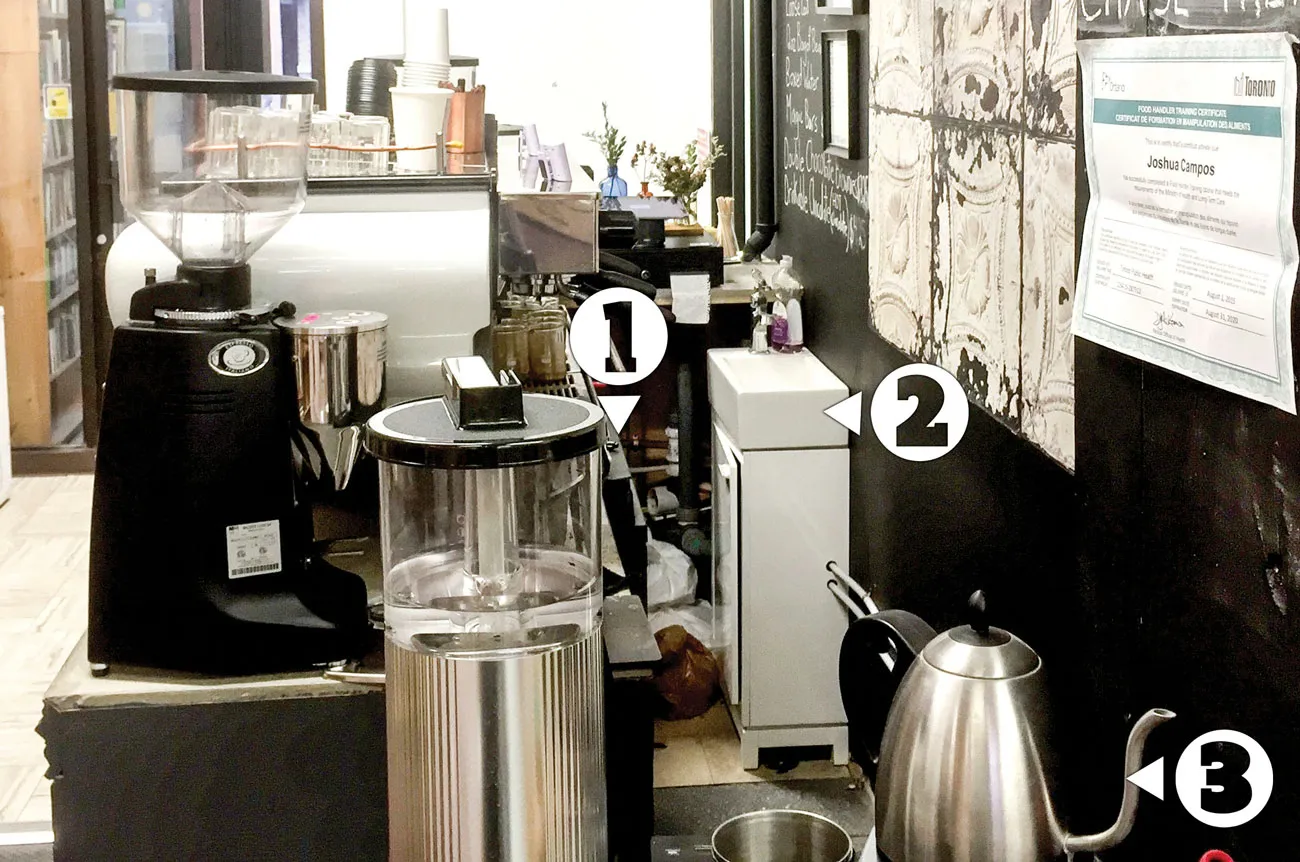
1. Fridges: Two fridges, one with a freezer, barely fit under the bar, which was limited in width by a nearby door.
2. Bird Bath: This tiny sink took forever to find, and measures just six by nine inches.
3. Sidebar: On the only other counter, a Bonavita kettle is used for white and green teas, and a Technivorm Moccamaster handles batch brews.