Istanbul's Coffee Scene Gets a Craft Upgrade
How one roastery is raising the bar for Turkish coffee, from bean sourcing to brewing technique.
By Elliot White3 min read
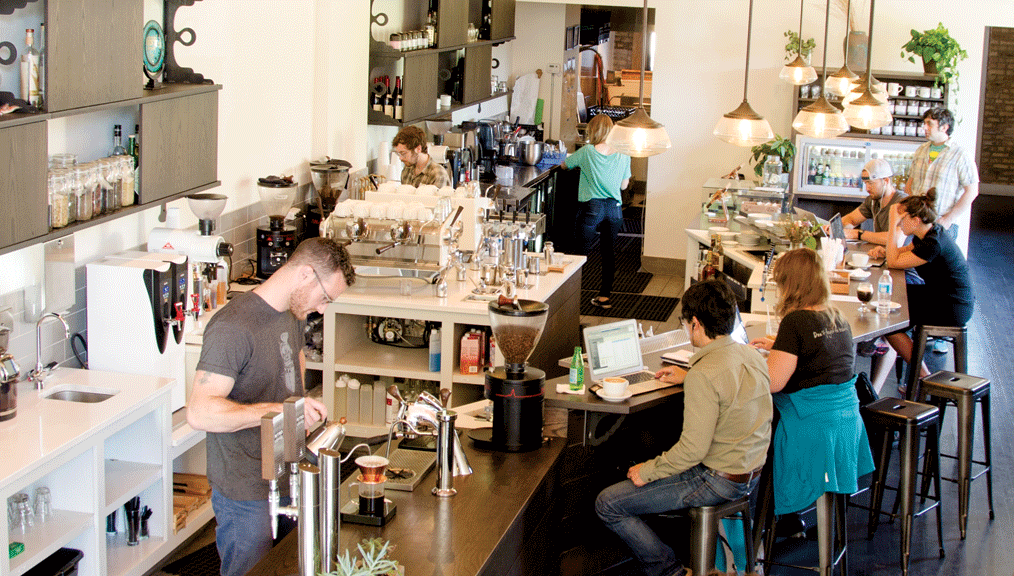
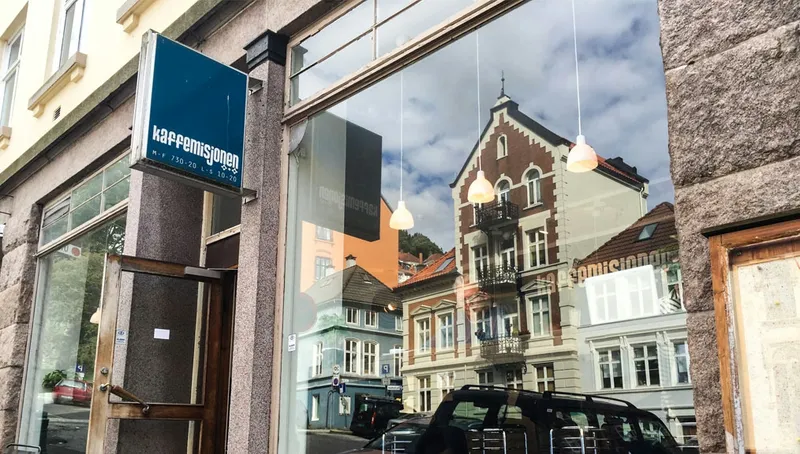
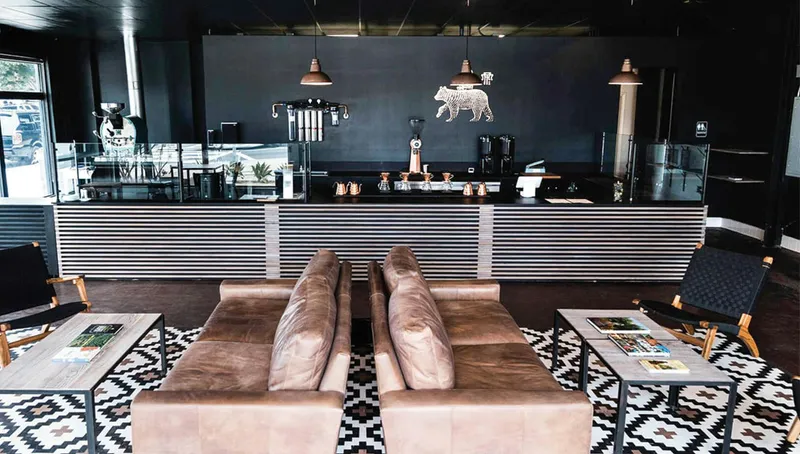
A couple of years ago, finding a café in Istanbul that pulled a respectable espresso was a challenge. Now, a fresh wave of Turkish entrepreneurs is adapting the international craft coffee movement to suit one of the world’s biggest metropolises. At the forefront is Kronotrop, a well-known café in Cihangir—a fashionable district on the European side often likened to Brooklyn. While the café’s impressive equipment lineup (a La Marzocco Strada EP, a Mahlkönig EK 43 grinder, Japanese-style cold-drip towers) grabs attention first, what truly distinguishes Kronotrop is the quality in the cup. The name Kronotrop means “a substance which alters one’s heart rate,” and the team goes to considerable effort to source and roast only top-tier coffees—a difficult task given Turkey’s stringent import regulations.
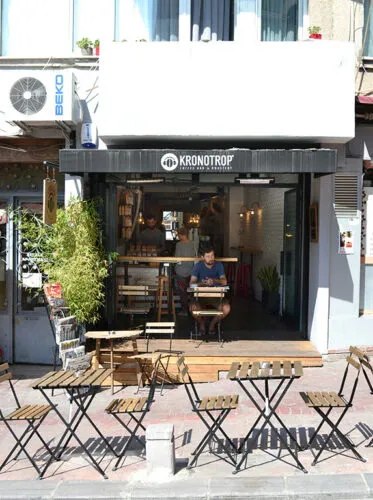
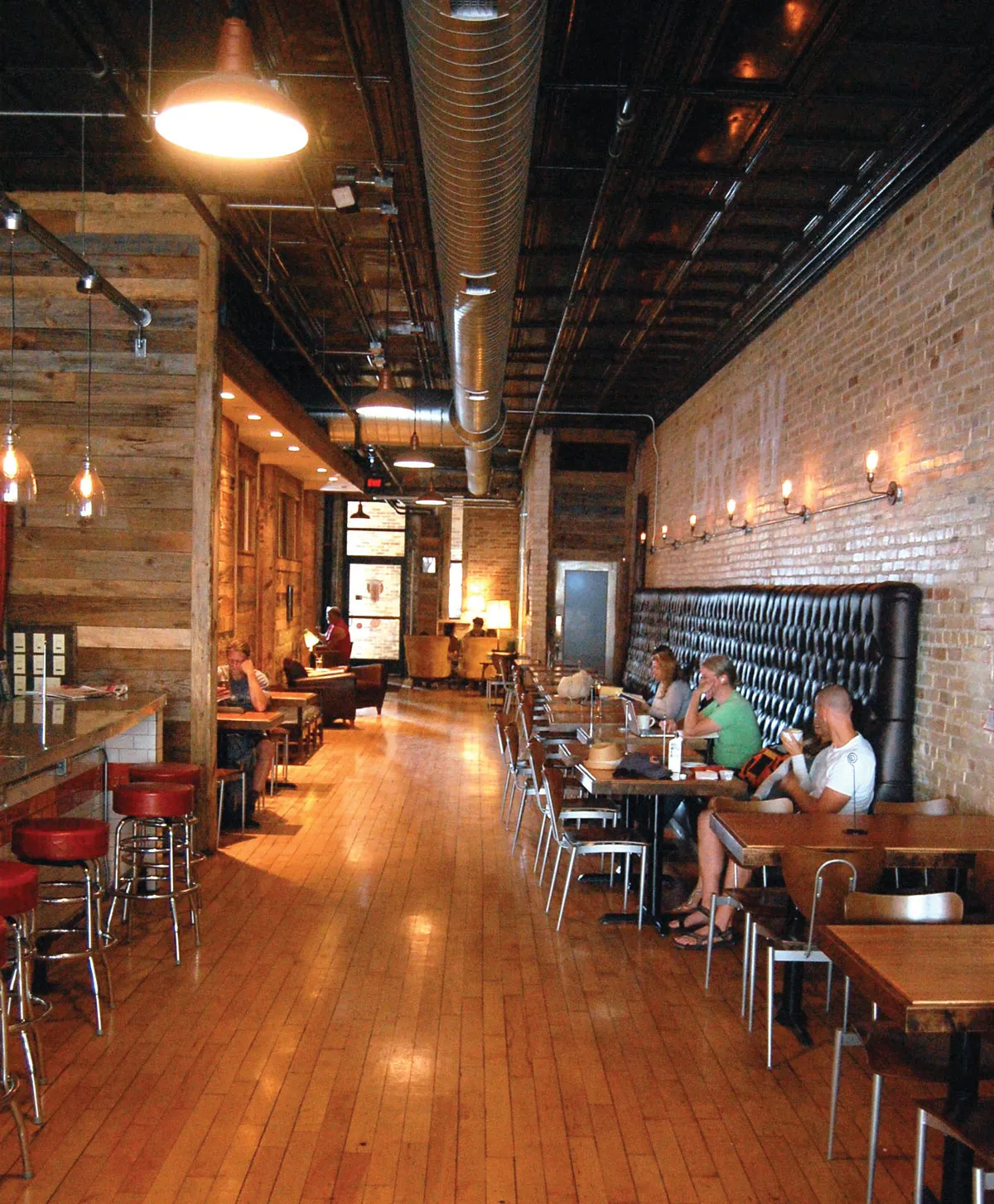
Kronotrop Café in the Cihangir neighborhood in Istanbul.
Behind Kronotrop’s high standards lies the steadfast dedication of founder Çağatay Gülabioğlu. When he launched Kronotrop, Gülabioğlu roasted every batch in-house on a one-kilo Toper Cafemino. Limited by the green coffee he could obtain, his work nonetheless drew the notice of Mehmet Gürs, one of Turkey’s most prominent chefs and the founder of Istanbul Food and Beverage Group. A little over a year ago, Gürs and Gülabioğlu teamed up, and now Kronotrop roasts for all of the group’s restaurants, including the standout Mikla, a Scandinavian-Turkish restaurant that tops Istanbul dining guides from outlets such as the New York Times and the Guardian. Gürs is part of a growing movement of world-class chefs who want a coffee experience that matches their food and wine. He laments that at many fine-dining establishments “the last thing you leave with is crap. Coffee has been left out of the experience.”
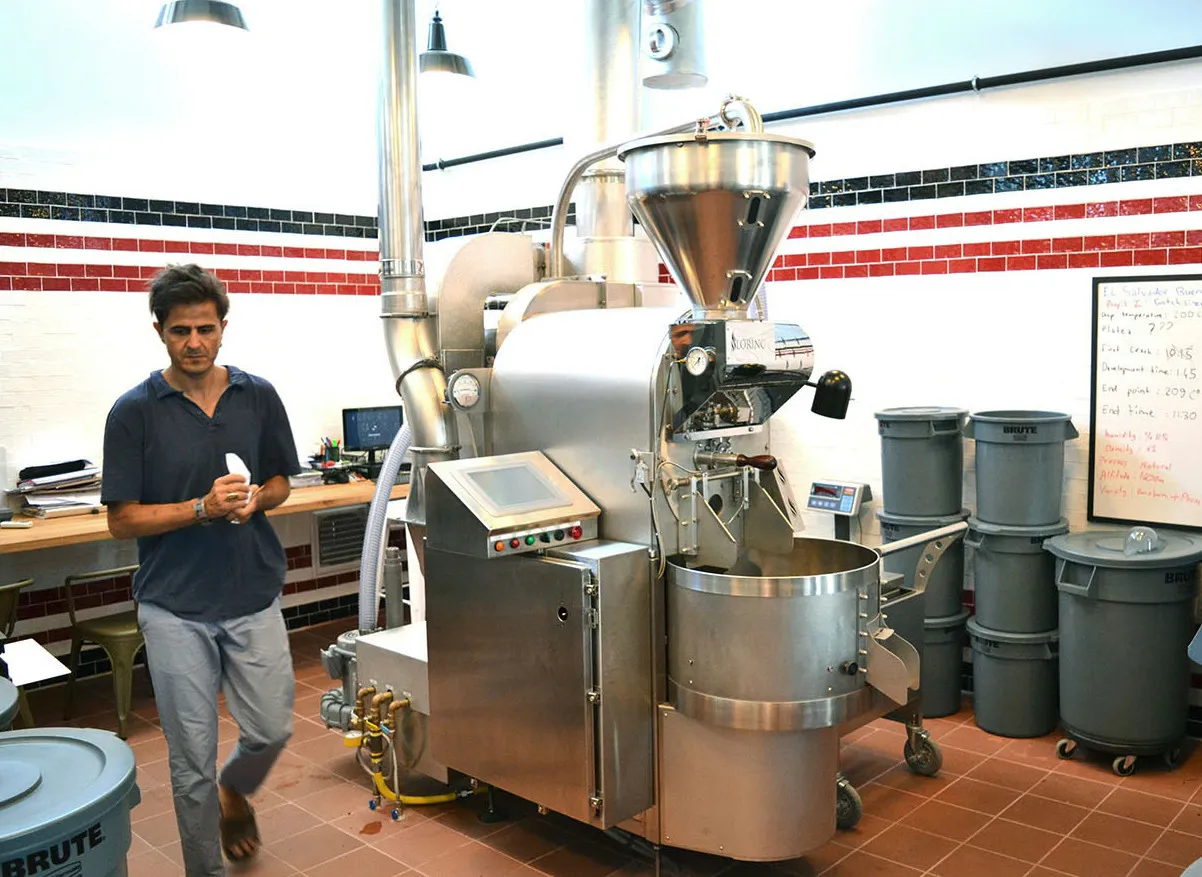
As demand grew, Gülabioğlu saw the need to upgrade his roaster. Turkey has its own roaster manufacturers—Has Garanti, Öztürk, and Toper among them—but after careful research, Gülabioğlu chose to import a Loring S15 Falcon. The California-built machine costs significantly more than local brands, yet it provides digitally programmable roast profiles, a faster cooling system, and lower carbon emissions. The improved fuel efficiency is a particular benefit in Turkey, which relies on neighboring countries for energy.
Kronotrop’s roasting philosophy, much like Gürs’ restaurant, draws from Scandinavian inspiration. Influences such as Tim Wendelboe in Norway and The Coffee Collective in Denmark gave Gülabioğlu a preference for coffees roasted to first crack, though he acknowledges that the Nordic style is too light for Turkish palates. Instead, Gülabioğlu aims to develop each coffee to its optimal sweetness while preserving the enzymatic qualities unique to the bean. Moving to a convective roaster has been a steep learning curve, but Gülabioğlu is confident that Kronotrop’s quality and consistency will improve thanks to the new roaster’s technological capabilities.
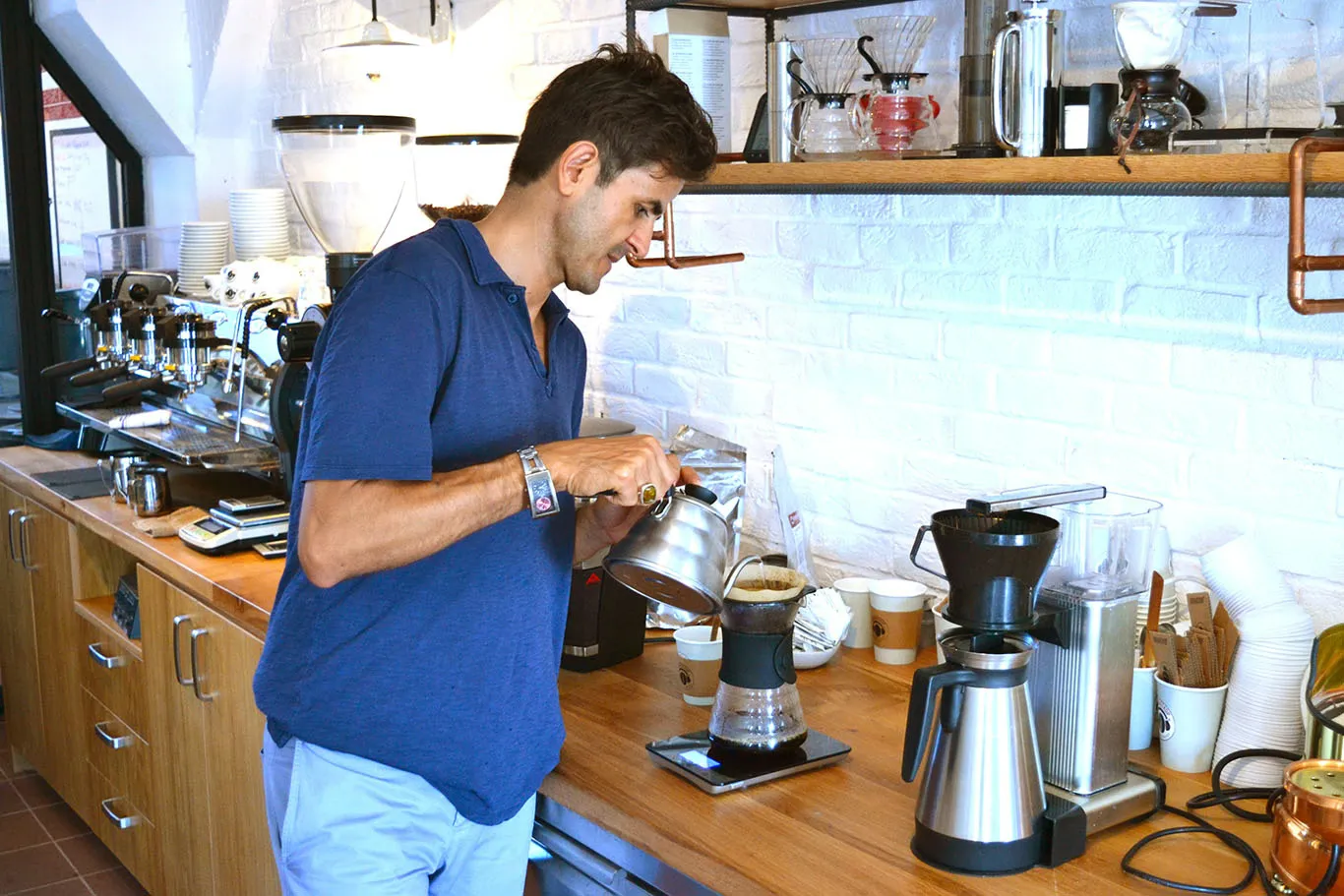
Çağatay Gülabioğlu in the green lab at Kronotrop roaster.
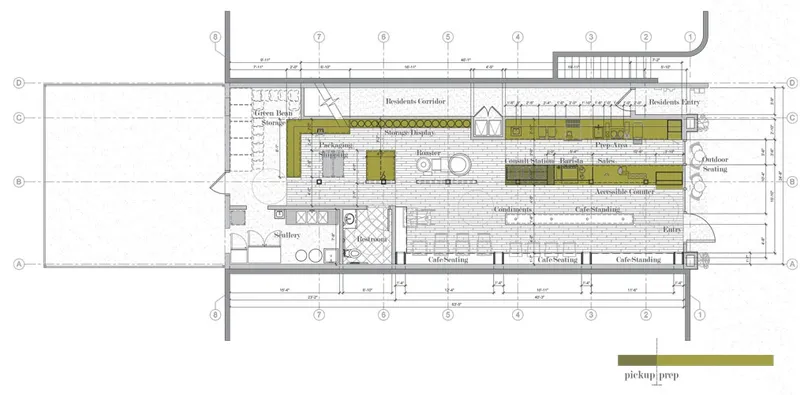
To house the roaster, Gürs converted his former test kitchen in Atatürk Oto Sanayi into Kronotrop’s new roastery and training center. The industrial area sits near the northern edge of Istanbul’s sprawling city limits, yet the facility is a short walk from a metro line. The stark white interior contrasts sharply with the surrounding auto body shops, but visitors will immediately see that the space mirrors the Cihangir café. The same red, white, and black tiles, handmade in Anatolia, surround the roaster, and the training room features the same Strada EP and Mazzer Robur setup for espresso. Perhaps the biggest difference between the two locations is the bags of green coffee, sourced in partnership with American importer Ninety Plus.
The roastery also hosts Kronotrop’s current project: applying Gold Cup standards to Turkish coffee. Traditionally, Turkish coffee is prepared with finely ground coffee heated in a copper cevze. The mixture is poured into a Turkish coffee cup, where the sediment settles at the bottom. Anyone who has tried this method knows it is difficult to master. Complicating matters, most Turkish coffee is made with low-quality Brazilian commodity beans. To help with the project, Kronotrop has brought in 2012 World Cevze Champion Turgay Yıldızlı, who divides his time between Istanbul and New Orleans. Yıldızlı uses a Mahlkönig EK 43 for even particle size and a VST refractometer to measure total dissolved solids. His latest innovation is to pre-chill the Turkish coffee cup to reduce post-pour extraction, which often leads to increased bitterness. In the coming months, Yıldızlı is partnering with Kronotrop to release his own signature line of cevze and coffee cups.
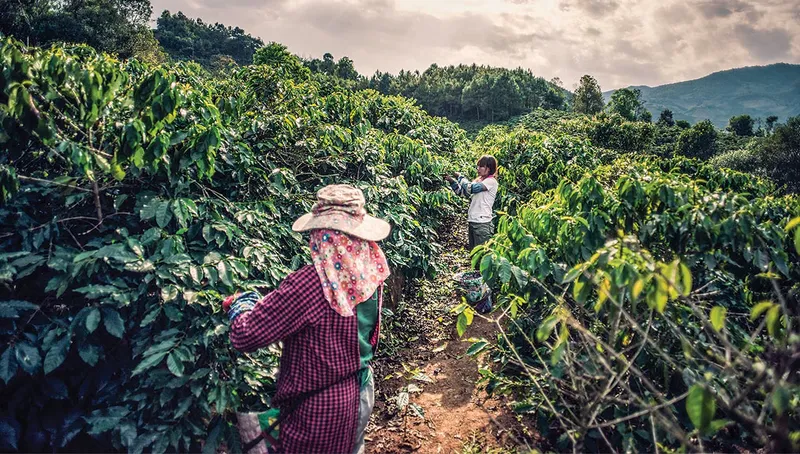
Despite the significant progress, Gülabioğlu remains focused on the future. “Our ultimate goal is to source our own coffee and to go to the farms.” With expansion plans across Turkey in the works, Gülabioğlu’s dream may be within reach.