A Lasting Café Is Built on Values, Not Just Good Coffee
Three years after a pandemic-era opening, two café owners explain how a clear sense of identity shapes daily service, community ties, and the ability to adapt without losing what makes them distinctive.
By Parker Bailey5 min read
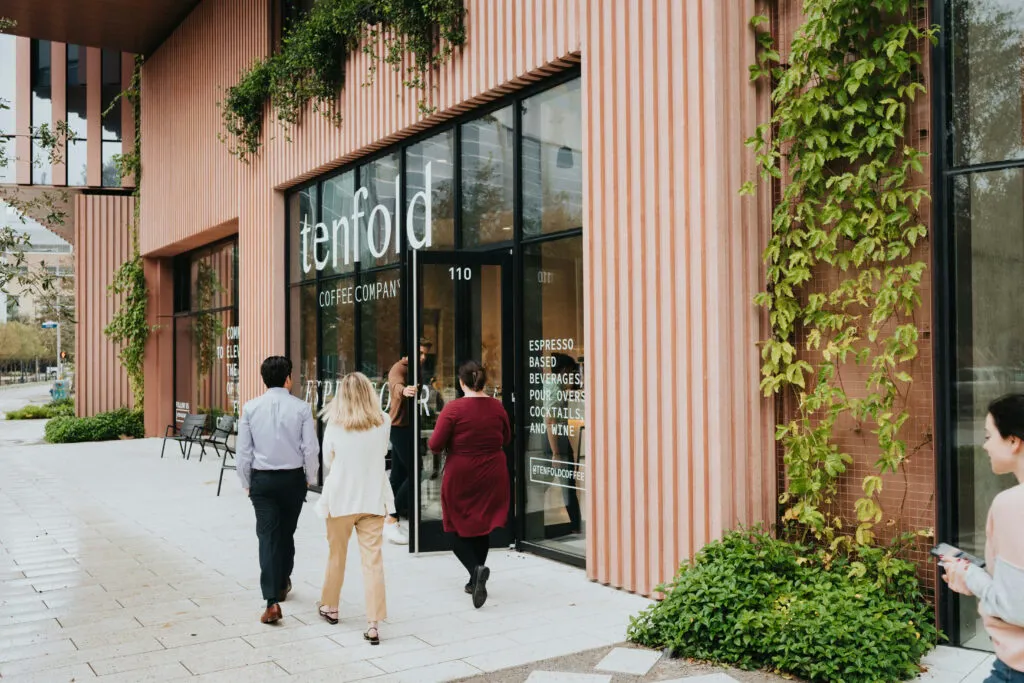
When Tenfold Coffee Company began serving in Houston, Texas, in 2020, its first weeks coincided with hurricanes, a winter freeze, and the upheaval of a new pandemic. After one storm, owner Jacob Ibarra wheeled the coffee cart onto the deck and served customers however he could.
“If I have gas or power and water, I will try to open in whatever capacity I can,” he says. “Even if that means putting the coffee cart on the deck so people just can have some sense of normalcy.”
That approach became a lasting principle: open when possible, meet people where they are, and offer something dependable when little else feels that way. For Tenfold, this captures what brand identity means in practice—less a matter of design than of the feeling customers get when they walk through the door.
Tenfold Coffee
Being noticed, welcomed, and treated as a guest is what builds loyalty over time, and that is difficult for another shop to replicate.
A strong brand identity means operating from a clear set of values that inform everything from how customers are greeted to how the team responds in a crisis. In a landscape shaped by post-pandemic precariousness and rising costs, that clarity can help a business stay true to itself—and adapt without losing its core.
Rooted in Identity
When Tenfold opened, Ibarra had originally planned to emphasize indoor seating and a more traditional service setup. With indoor hospitality off-limits due to the pandemic, he shifted service to the outdoor deck and invited chef friends for pop-ups. What began as a temporary workaround soon became something more. Food drew people in, helped build community, and became part of what customers associate with Tenfold.
Tenfold Coffee
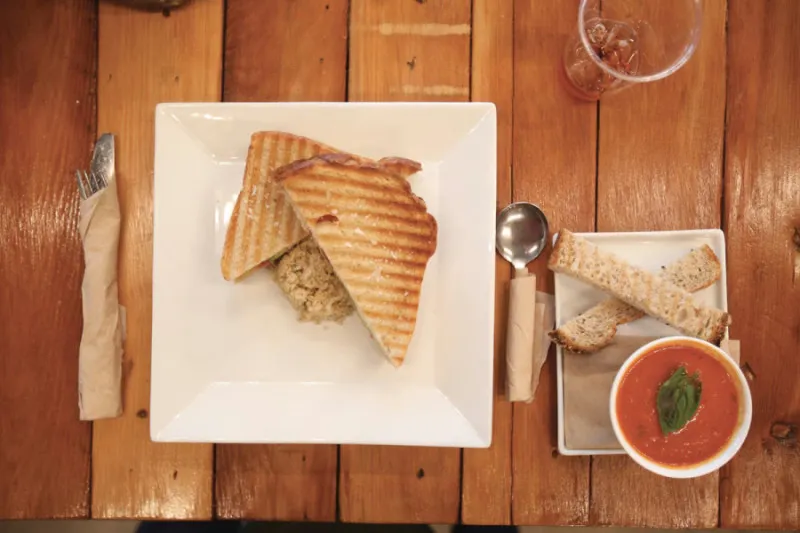
“I’ve recognized that food plays a big part in being in the greater hospitality scene,” Ibarra says. The business keeps its food menu small—items like mousse cups, hot-pressed sandwiches, and savory hand pies—and nearly all of it comes from local chef partners.
Tenfold also supplies wholesale coffee to other area businesses. Ibarra sees these relationships, on both the food and coffee sides, as a way to give people more reasons to connect with them. “I think about our cafe like a house,” Ibarra says. “I want to be hospitable to the people who walk in.”
At Story and Soil Coffee in Hartford, Connecticut, owner Michael Acosta arrived at coffee by a different route. After running his college cafe and spending time visiting coffee-producing countries, he knew he wanted to open a shop that reflected both the global coffee world and the realities of his community.
“Our first shop was in Hartford, which is historically underserved,” Acosta says. “What got me the most excited was building culture and spaces that celebrate everyone who comes in.”
Specialty coffee was not saturated in Hartford, which was part of the appeal. Acosta saw a chance to create a true third place—a spot where people could land between home and work, and where the space itself could grow and change along with them. “You have a vision, you share it, and then things evolve with everything else around us,” Acosta says.
Hospitality That Feels Personal
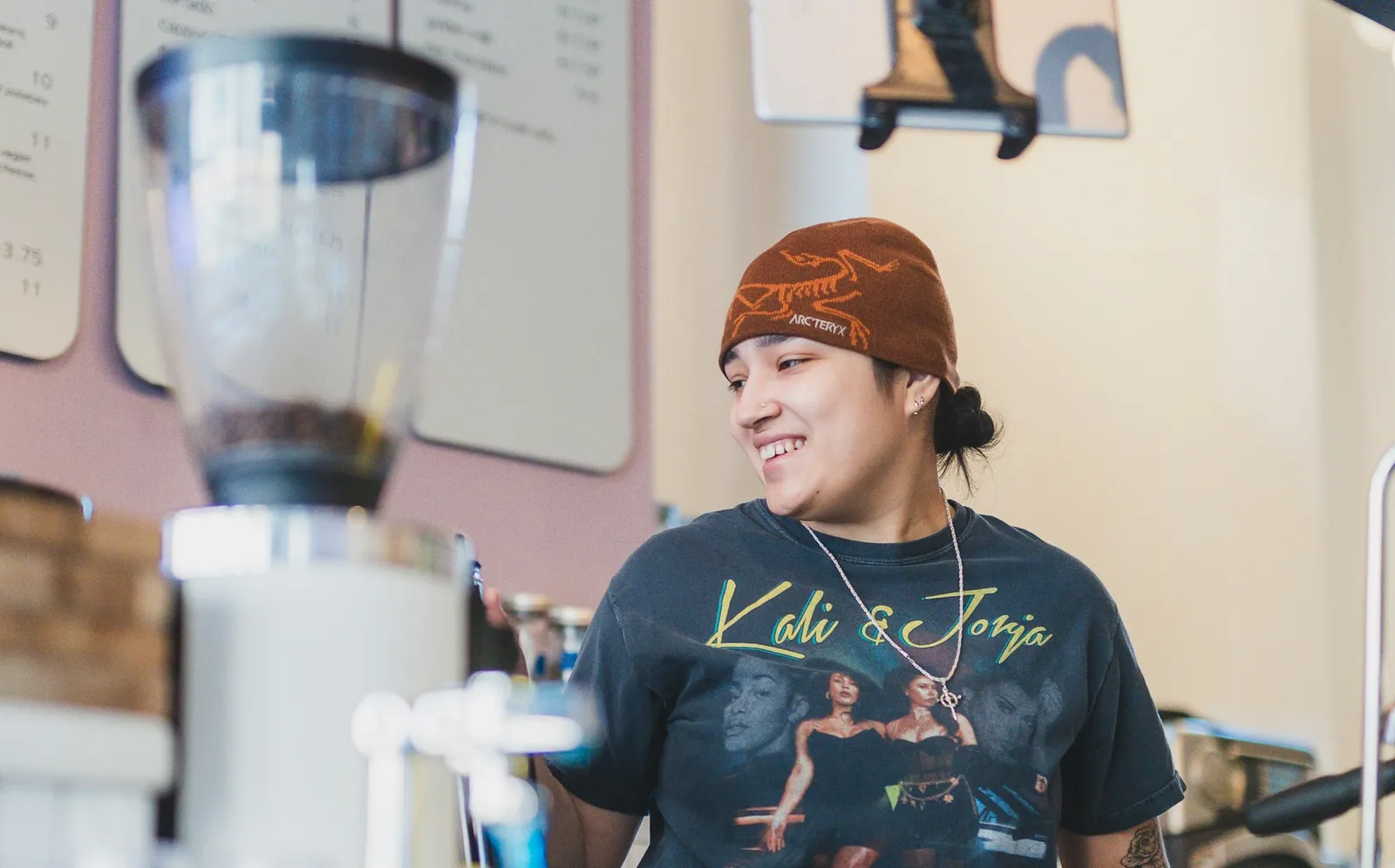
At both cafes, hospitality shows up in small, intentional ways. Service at Tenfold is designed to feel personal. Staff deliver drinks directly to tables rather than calling out names at the bar. Customers are greeted and acknowledged as they come and go. These details, Ibarra says, make the experience feel more thoughtful and less transactional. “It just feels better that way,” he says. “Even if it takes a little longer, it feels more dignified.”
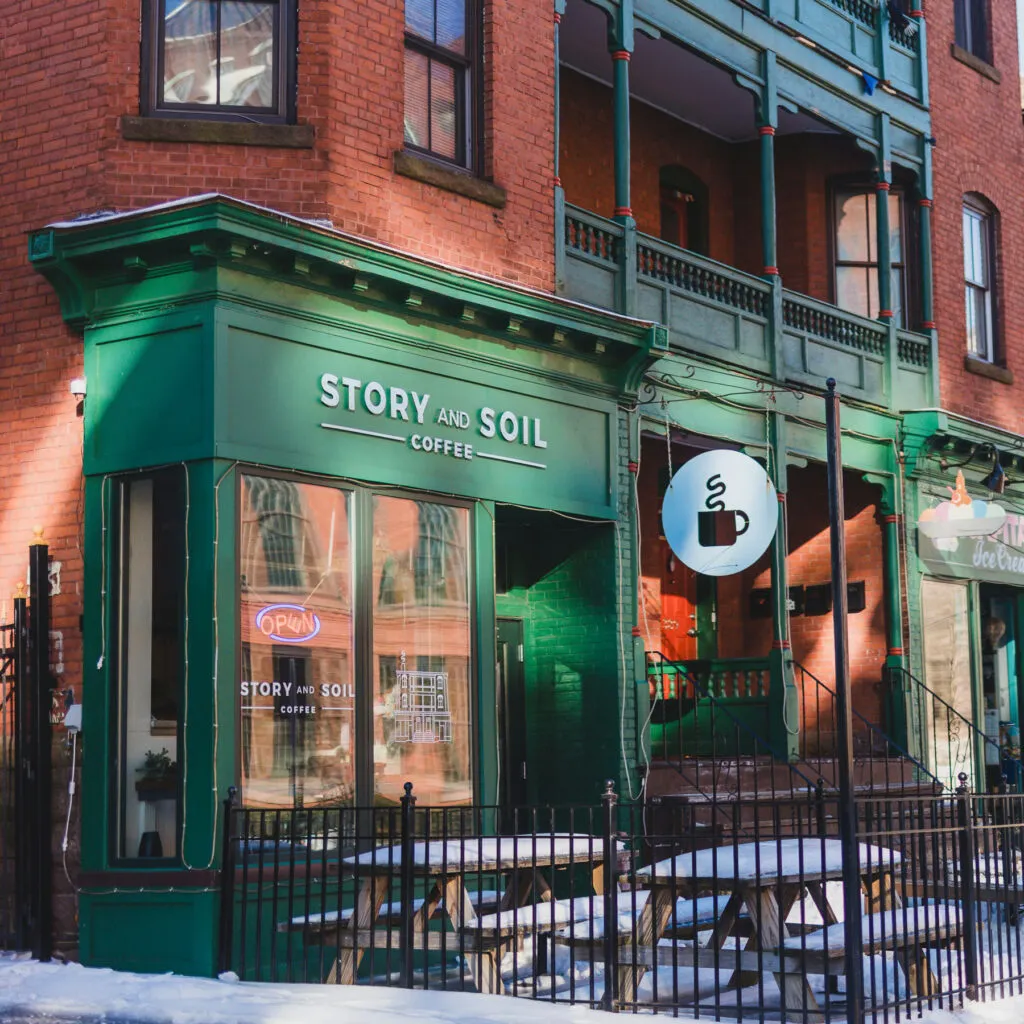
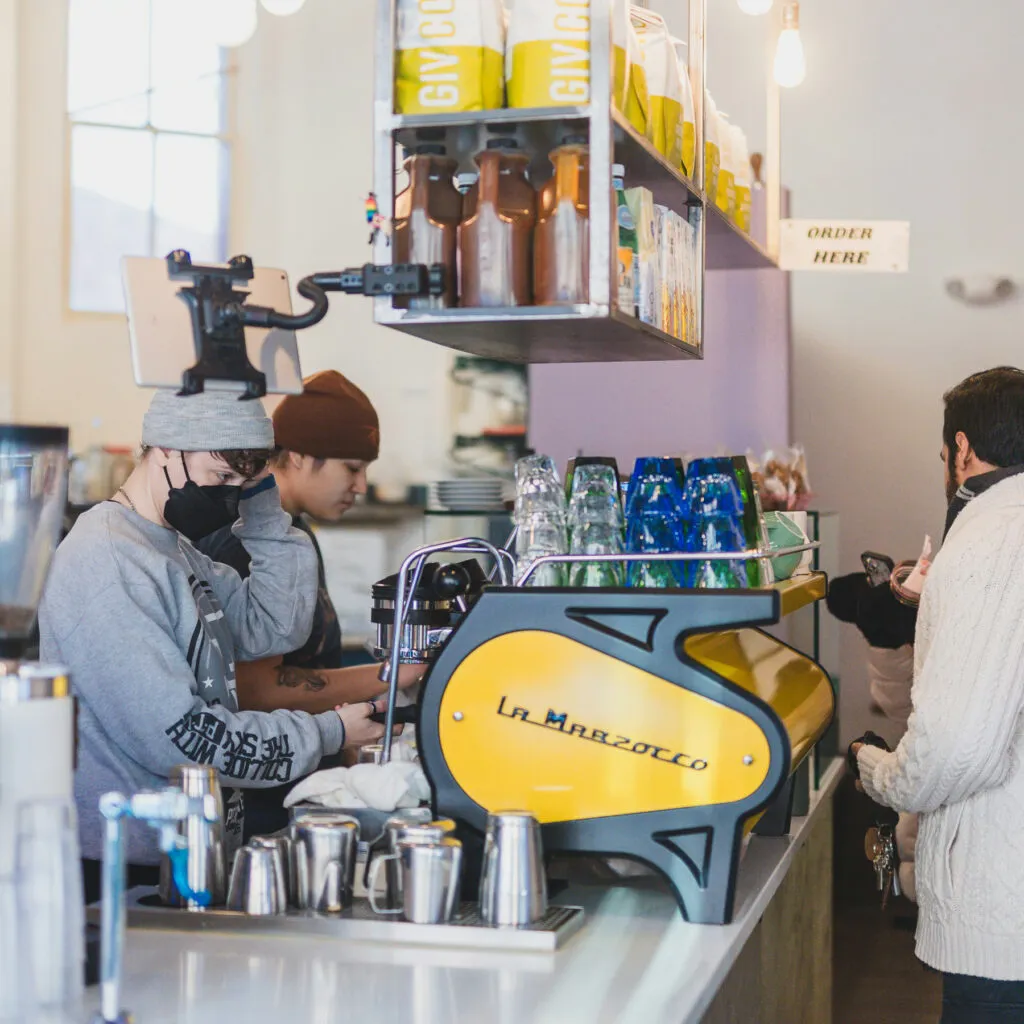
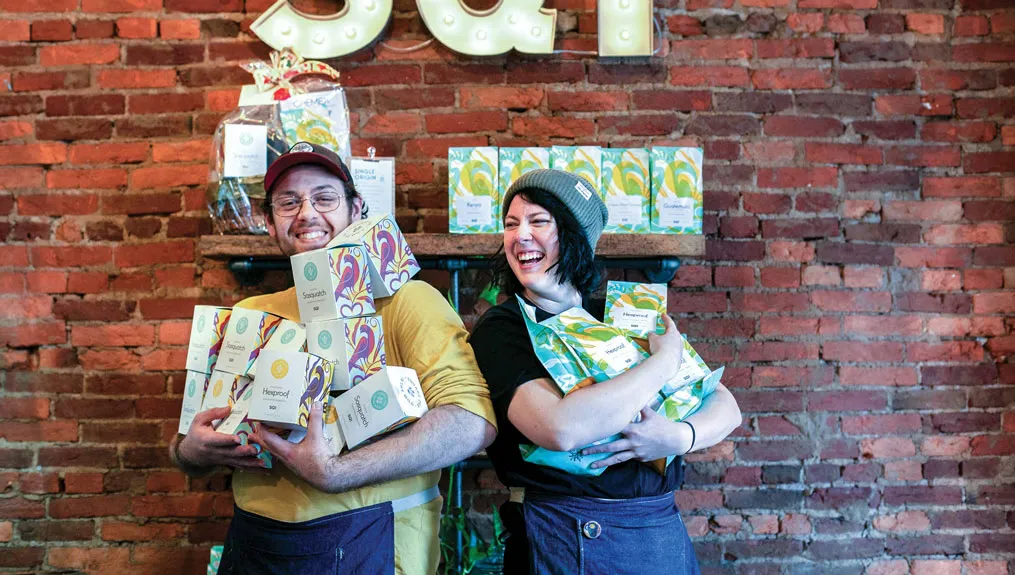
Story and Soil
Ibarra sees these choices as part of a larger effort to create a space where people feel noticed and cared for, even in small ways. In a city like Houston, where dining culture often centers on restaurants rather than cafes, that attention to detail stands out.
At Story and Soil, the team made a conscious decision early on to make the experience feel easy and accessible, especially for people who might feel intimidated by specialty coffee. That choice showed up in how they talked about the coffee, trained their team, and shaped the space to feel comfortable for anyone who walked in the door. The goal was an environment where people felt welcome right from the start, without needing to know all the right terms to order the perfect drink.
Community in Practice
Relationship-building does not stop at the counter. Both cafes have found ways to stay engaged in their communities, whether through events, partnerships, or simply by offering up their spaces.
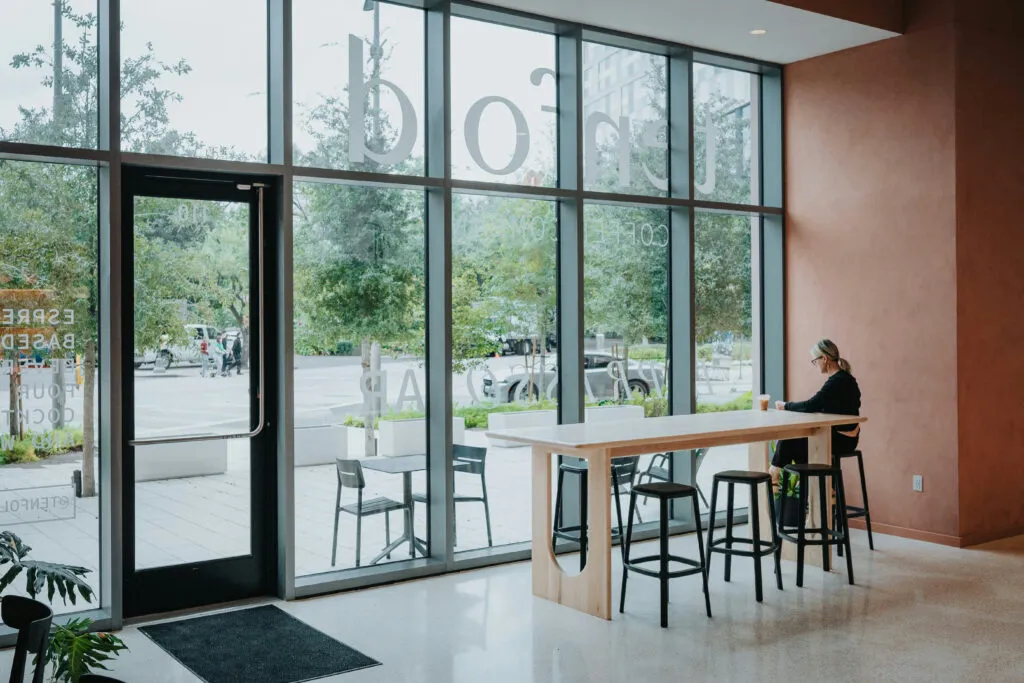
At Tenfold, the deck that began as a workaround during COVID has become a central feature. It is where chefs pop up with meals, nonprofits host gatherings, and neighbors come together for everything from real estate mixers to dance parties. As Ibarra sees it, if the space is not being used, it might as well be shared. “I’ve had quinceañeras, birthday dance parties, people doing monthly meetings,” he says. “We try to be pretty open.”
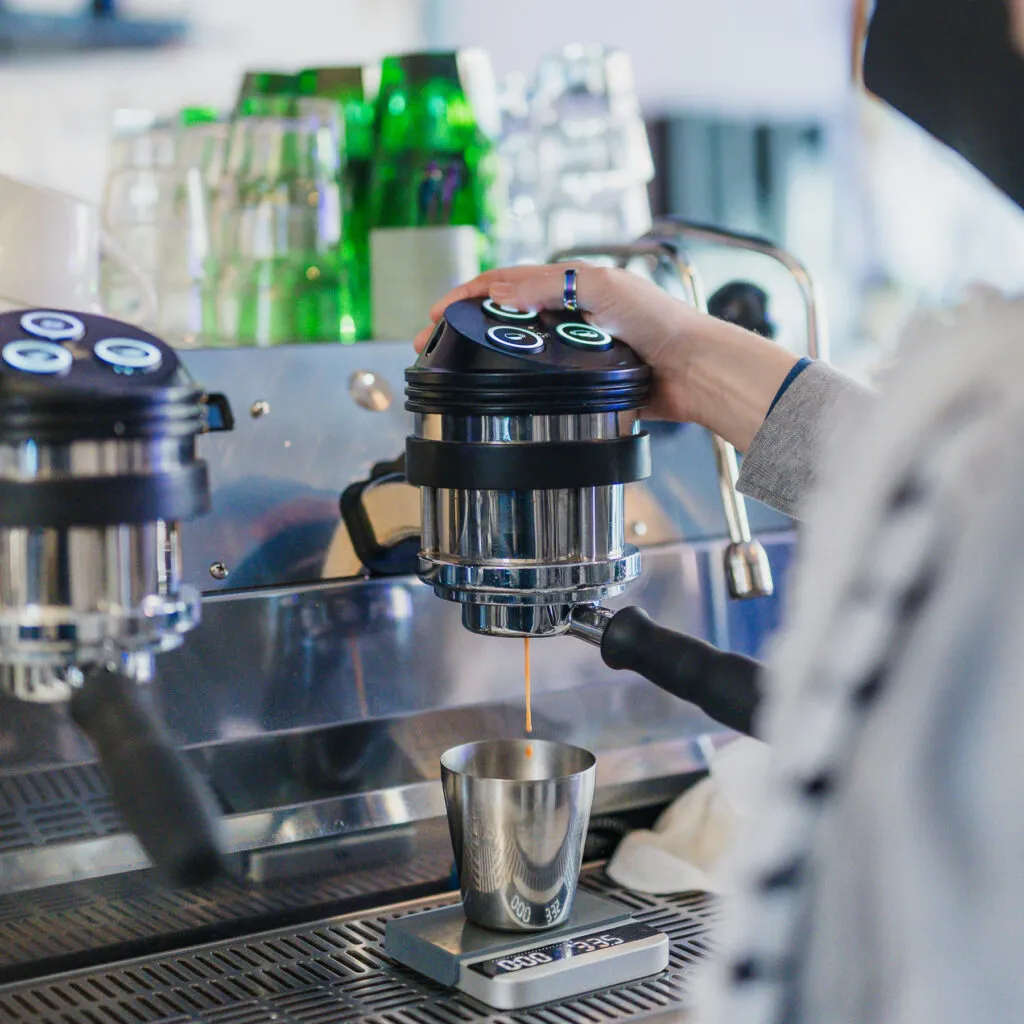
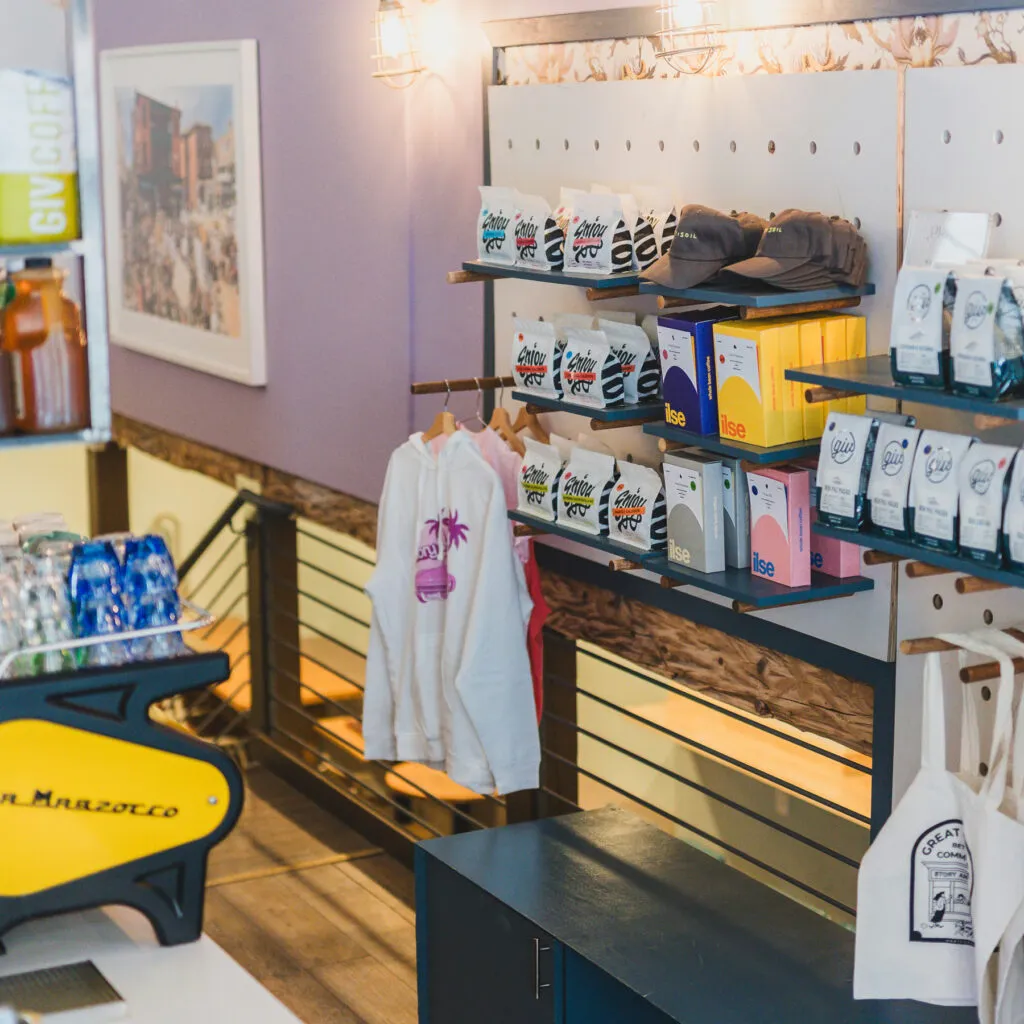
Story and Soil
Events are often just another way to support the people who already spend time at Tenfold. “It’s a good way for people to have another space they can frequent that they may already love,” he adds.
At Story and Soil, events often come together quickly and organically. Some are carefully planned, like its recent fundraiser for Trans Day of Visibility. Others happen with a few days’ notice, sparked by an idea from the community or a quick collaboration. What matters is staying responsive. “We just like working with people,” Acosta says. “If someone has an idea, and it aligns with us, we’ll roll with it.”
Both cafes see their spaces as active parts of the communities they serve. Sometimes that means hosting a DJ night, and other times it means raising money for a cause. At both shops, community involvement is built into the day-to-day operations.
Why Brand Identity Matters
Acosta’s early days in coffee were mobile. He ran a nitro cold brew cart at local markets and events, building relationships that would eventually shape Story and Soil. It gave people an early look at his approach to coffee and service. “We had a really strong foundation for wanting to share fantastic coffee,” he says.
Creative drinks were part of the vision from the start. Acosta says the team wanted to build a vibrant, seasonal menu that felt exciting and a little unexpected. “This idea of destination drinks has really grown,” he says. “At the heart of it, we just want to create fun drinks that get people excited.”
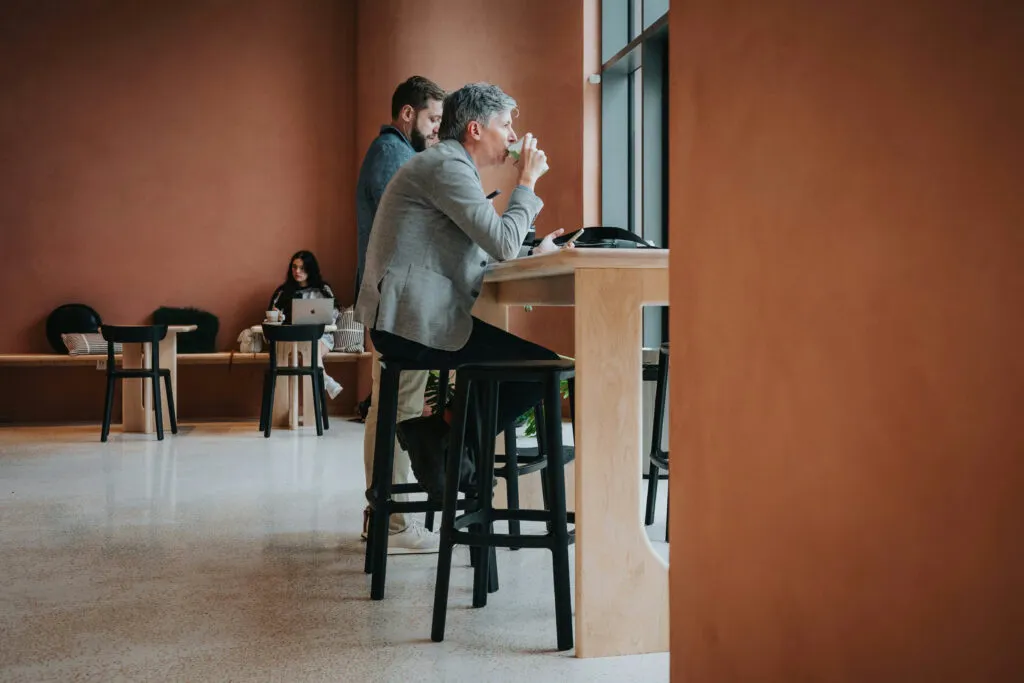
Tenfold Coffee
Now, the team is thinking more intentionally about how the business reflects their values beyond the menu. “We’re just beginning to figure out how we can support causes we care about and show up in ways that align with what we believe,” Acosta says. “That’s part of it too.”
Ibarra describes hospitality as a kind of humility. “You’re literally putting yourself beneath somebody to produce something for them,” he says. He thinks about the cafe as a home, where people should feel taken care of. That outlook shapes everything, from how drinks are served to how the cafe operates.
For Ibarra, that mindset goes beyond good service to how the space makes people feel. “The fundamentals have to be right, but hospitality is the X-factor,” he says.