The Tamp Debate: Is Pressure Still Part of the Espresso Equation?
As espresso technology evolves, some professionals are questioning whether tamping remains necessary—but die-hard advocates and a side-by-side test reveal a more nuanced picture.
By Finley Green3 min read
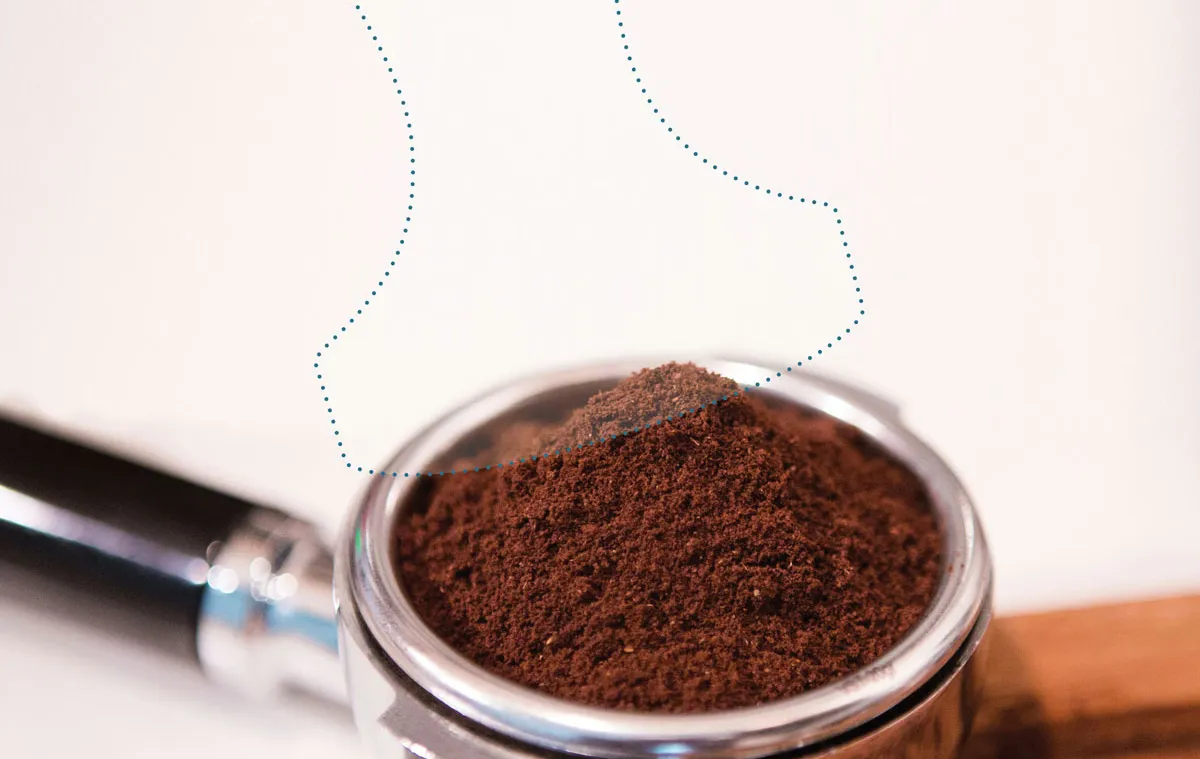
For many baristas, tamping sits alongside grinding and dialing in as a non-negotiable step in espresso preparation. But what if the world’s baristas could suddenly skip it altogether?
That’s a question now circulating among coffee professionals. With machine innovations, brewing technology, and even basic extraction theory continuing to develop and spread across the industry, the relevance of tamping is being scrutinized more than ever.
A Trainer’s Surprising Discovery
Andrew Tucker-MacLeod, a West Coast trainer and educator for Dancing Goats Coffee (formerly Batdorf & Bronson Coffee Roasters), is one barista willing to challenge conventional thinking about tamping—or about not tamping.
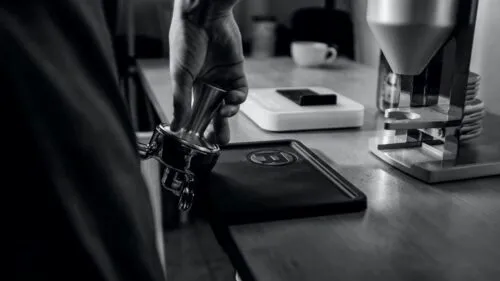
In a recent phone interview, Andrew recalled how he began rethinking the tamp while using a new espresso machine from Nuova Simonelli, the Aurelia T-3. “I was trying to find a setting on my Aurelia T-3, reading the manual, and it said that the way the soft-infusion is set up on their groups, tamping is less of a factor—so that if you end up tamping incorrectly, the pre-infusion sort of works it out.”
Advanced grinder technology, scales, and leveling tools now handle dosing and distribution with growing precision. Yet tamping remains one of the most personal, physical connections a barista has with the coffee. Beyond that, it has long been treated as a functional part of barista technique.
Tamping compresses the ground coffee so it can resist the high-pressure water from the group head. It also leaves a bit of room for the grounds to swell as they absorb brewing water—something they inevitably do.
But is it truly required?
Tucker-MacLeod didn’t take the manual at face value. He ran a few tests and was surprised by the results. “It’s odd,” he says of an experiment in which he didn’t tamp. “You’d expect to pull a shot on the shot and have water gush through the shot. But I got a twenty-five to twenty-eight-second espresso shot without any of the pits or blast-throughs you’d expect.” As the manual suggests, the machine’s soft infusion technique—which Majesty Coffee describes as ensuring that “every nuance of the coffee is represented in the espresso…by settling the coffee in the group head”—appears to compensate for tamping errors, making tamping overall less critical.
He adds one caveat: “The dose size has to be right around the nineteen-gram or twenty-gram dose, though—you can’t overfill the basket. That’s the key.”
The Case for Keeping the Tamper
According to Nuova Simonelli, “tamping pressure is less relevant to a consistent espresso extraction than previously thought,” thanks to the innovative soft pre-infusion feature in its T-3 models. This allows the swelling coffee bed itself to form an even puck and prevent channeling.
Not everyone agrees with the idea of retiring the tamper, though—just ask a tamper manufacturer.
Reg Barber, widely credited with creating the market for handcrafted espresso tampers through his eponymous company, insists tamping will remain alive and well. “Baristas’ style and force have a tremendous impact on espresso extraction,” he says via e-mail. “If a barista is pressing with a great deal of force or has a specific ‘style,’ this will impact extraction as much as the coffee they’re using.”
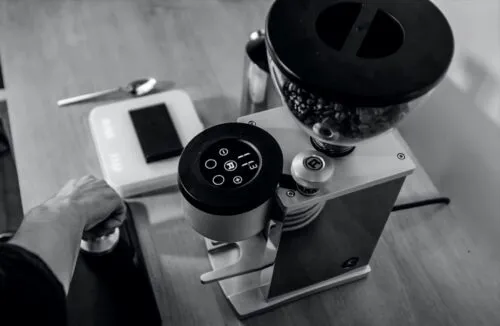
Intrigued, I ran side-by-side tests on a La Marzocco Linea PB. I dialed in a coffee using a recipe of twenty grams of dry grounds, a final shot weight of about thirty-seven grams, and a brew time of roughly twenty-five seconds. After pulling several good espresso shots with standard tamping pressure (usually between 30-50 pounds), I prepared several more shots following the same parameters—minus the tamp.
Extraction time fell within a practically identical range, but the shots were noticeably inferior in taste and mouthfeel. The tamped espresso was sweet with punchy acidity and a persistent crema; the untamped espresso was woody, with a bitter finish and crema that dissipated almost instantly. After extraction, I inspected the spent pucks. The untamped coffee showed far more instances of channeling (holes where water can move through faster), with visible cracks between the coffee cake and the portafilter walls.
Unscientific as it is, running a test on your own machine is probably the most accessible way for the average barista to make an informed decision about tamping, whether for or against. Will the results rewrite how we make espresso? Probably not. There is a strong physical and emotional appeal in the action and development of a unique tamping “style”—and espresso without style is, well, just a boring old cup of coffee.