Centroamericano F1 Hybrid Achieves Historic 90-Point Cup of Excellence Score in Nicaragua
A first-generation hybrid coffee variety has broken new ground by earning a 90-plus score at Nicaragua's premier quality competition, with its winning lot set for global auction.
By Quinn Ross4 min read
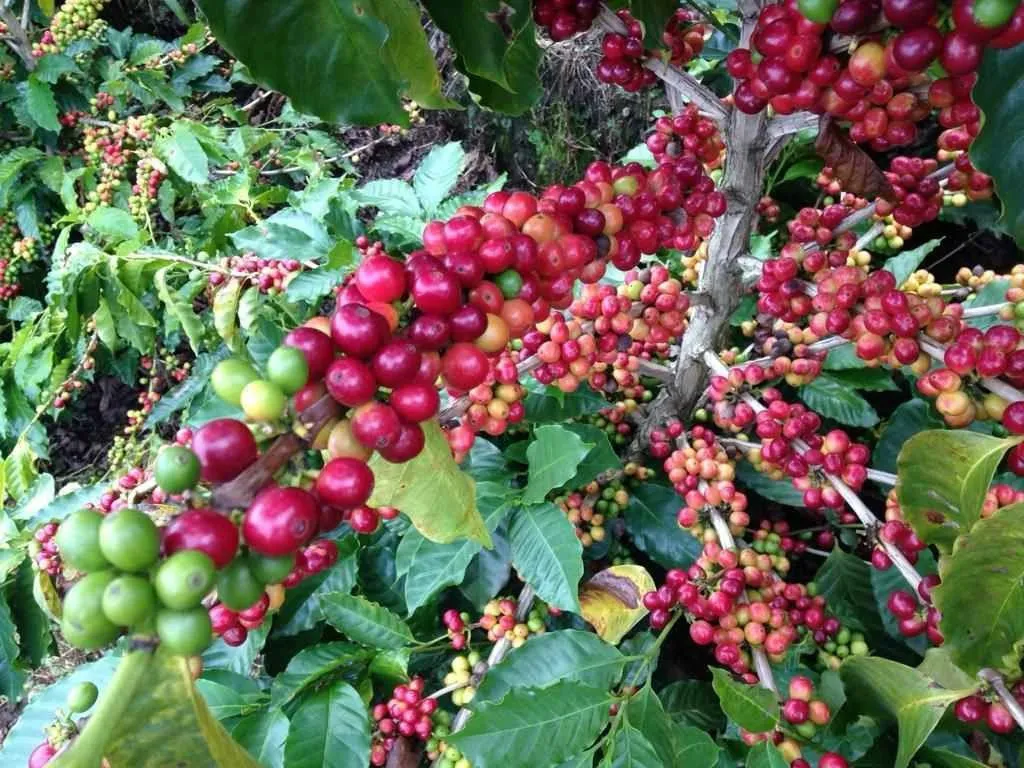
An F1 hybrid coffee variety known as Centroamericano has earned 90 out of 100 points at the Nicaragua Cup of Excellence, a leading global competition and award recognizing high-quality coffees.
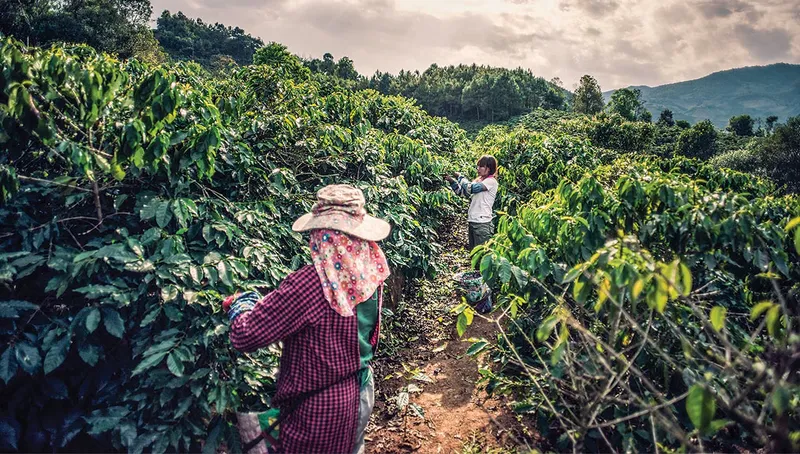
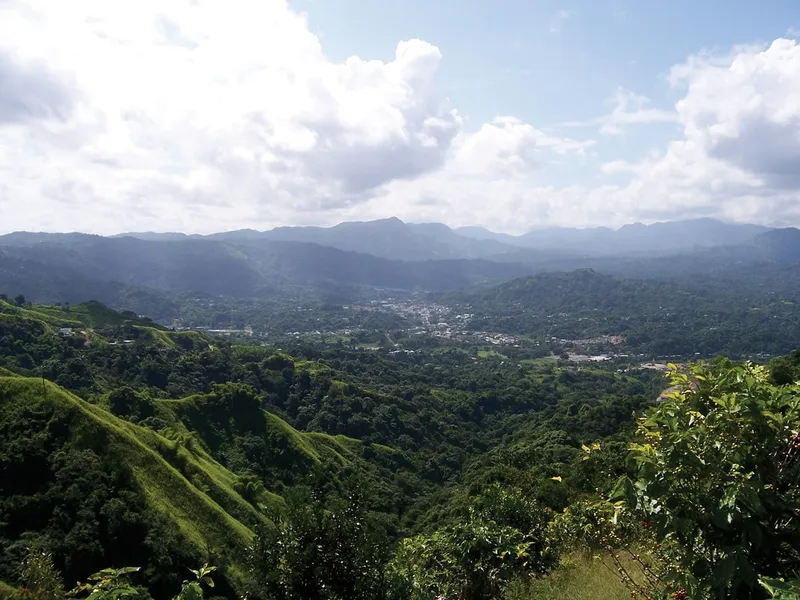
The coffee placed second in the Nicaragua competition and was produced by Gonzalo Adán Castillo Moreno. His farm, Las Promesas de San Blas, sits in the Northern region of Nueva Segovia, close to the Honduran border.
A panel of expert cuppers drawn from nine countries awarded the coffee 90.50 points, which brought it the country's prestigious Presidential Award—a distinction reserved for coffees scoring 90 or higher on a 100-point scale.
Thousands of coffees are entered for Cup of Excellence consideration each year, and the winning lots are sold through global online auctions at premium prices. Twenty-four boxes of 30 kilos each from Mr. Moreno's coffee will go to auction on June 1. A cupping of the winning Nicaraguan coffees is scheduled for May 31 from 11 a.m. to noon at the ACE Lab in Portland, Oregon, with no RSVP required.
This marks the first year that an F1 hybrid variety has placed in a Cup of Excellence competition. F1 hybrids represent an entirely new development in coffee and have only recently become commercially available to farmers—so far only in Central America. They are not yet in widespread production. Testing of F1 hybrid varieties on Nicaraguan farms began as early as 2006, giving farms in the country an early start in developing these coffees.
A variety serving both farmers and coffee drinkers
The 90-point score for Mr. Moreno's Centroamericano stands out particularly because the variety resists coffee leaf rust, a fungal disease that has damaged large areas of coffee production across Central America since an epidemic began in 2012. The variety is also extremely high yielding. In breeding evaluations, it showed production increases of 22–47 percent over standard varieties grown in the region. It was released in 2010 for farmers in Central America and is planted on roughly 1000 hectares there. It is a cross between the Ethiopian landrace variety Rume Sudan and a rust-resistant variety called T5296, which is used primarily in breeding and is not itself in widespread production. The variety was created by a consortium that includes the French research institute CIRAD and PROMECAFE, a regional network of national coffee institutes in Central America. More information about the variety is available in the World Coffee Research varieties catalog.
Combining exceptionally high cup quality with agronomic traits that lower risk for farmers—coffee leaf rust resistance, high yields, and overall vigor in particular—has historically been difficult to achieve. While the agronomic performance of Centroamericano had been demonstrated in numerous field trials, the quality potential of F1 hybrids had not previously been validated by a respected coffee industry institution such as the Cup of Excellence.
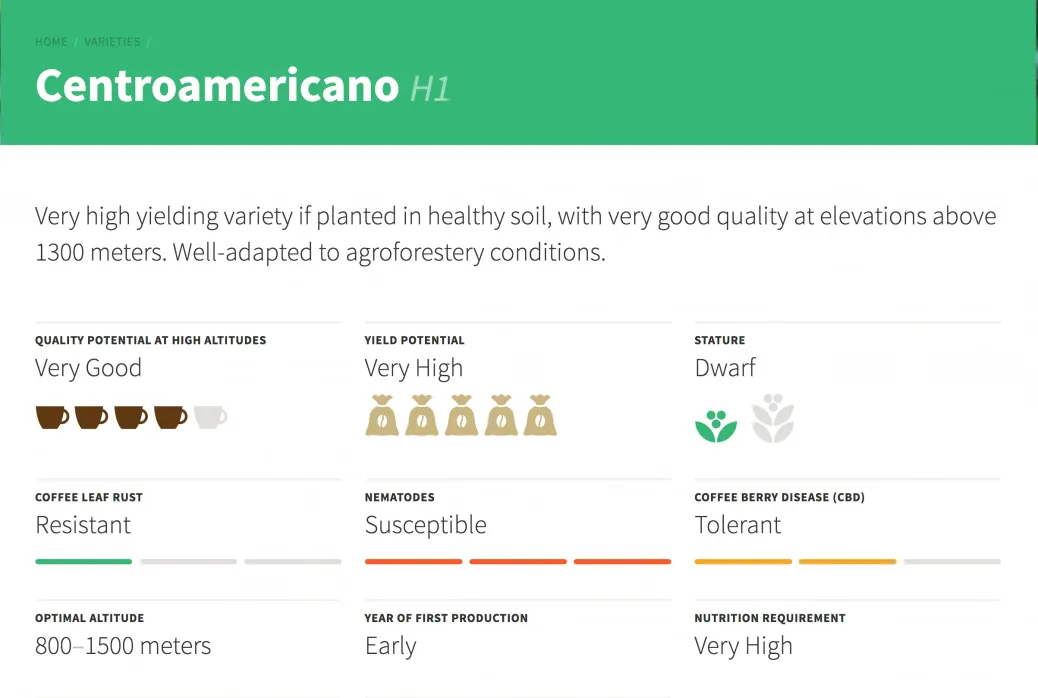
Centroamericano entry in the WCR coffee varieties catalog for Mesoamerica and the Caribbean.
The success of Centroamericano derives from its status as an F1 hybrid. This new group of varieties is created by crossing genetically distant Arabica parents and using the first-generation (F1) offspring. Among the best-known F1 hybrids are maize, or corn, hybrids. Since maize hybrids first appeared, maize production in the United States has risen six-fold over the last 60 years. For decades, crops from tomatoes to broccoli have used an F1 hybrid breeding approach to create high-performing varieties. The approach is new in coffee.
World Coffee Research believes F1 hybrids hold great promise to transform the coffee industry through genetic progress, as they did for maize in the last century, and the organization is pursuing the creation of new F1 hybrid varieties in Central America and Africa. At the World Coffee Research experimental farm in El Salvador, 46 new F1 hybrid varieties are currently being tested.
Strengthening transparency and integrity in coffee
Because very few coffee farmers are certain which varieties they are growing, and to confirm that the 90-point coffee was indeed Centroamericano, World Coffee Research conducted DNA tests on green coffee samples. The positive result marks a major milestone in validating the quality potential of the new variety.
“We couldn’t be more thrilled about this,” says Tim Schilling, CEO of World Coffee Research. “It validates our instinct that F1 hybrids are absolutely essential for the future of coffee. F1 hybrids can combine traits that matter most to farmers—higher yields and disease resistance—with the trait that matters most to consumers—taste. That has always been a tradeoff in the past. Coffee just took a huge leap into the future.”
“The 90+ score from the Cup of Excellence competition in Nicaragua establishes these new F1 varieties as entirely viable at the highest levels of quality,” says Darrin Daniel, executive director for the Alliance for Coffee Excellence. “We look forward to continuing our partnership with World Coffee Research to collect and share information about varieties entered into competition in countries where WCR and the Alliance for Coffee Excellence work.”
Both World Coffee Research and the Alliance for Coffee Excellence are working to establish high standards of integrity and transparency in the coffee industry through programs such as the Cup of Excellence Competition and the World Coffee Research Verified program, which aims to ensure genetic purity and plant health among coffee nurseries.
—World Coffee Research + Alliance for Coffee Excellence.