Roasteries
Beyond the Roast: Building a Private Label Coffee Service
Private label roasting lets coffee businesses offer custom-branded beans, but success requires specific capabilities and careful partner selection.
Section
48 stories · Page 2 of 3
Private label roasting lets coffee businesses offer custom-branded beans, but success requires specific capabilities and careful partner selection.
How a roast-to-order collaboration with a celebrated Italian restaurant began with a meal, a café visit, and an unexpectedly blunt flavor brief.
Roasters can deliberately influence the weight and texture of a coffee in the cup by managing the Maillard reaction, giving them a tool—and a responsibility—when developing profiles.
How one roasting family balanced heritage and market change while staying true to its roots.
Brett Donahue, who oversees roasting at Counter Culture Coffee’s Durham headquarters, explains how the roaster balances large-volume production with quality control, relies on measurement tools to counter subjective bias, and keeps its methods evolving through new team members and long-standing supplier relationships.
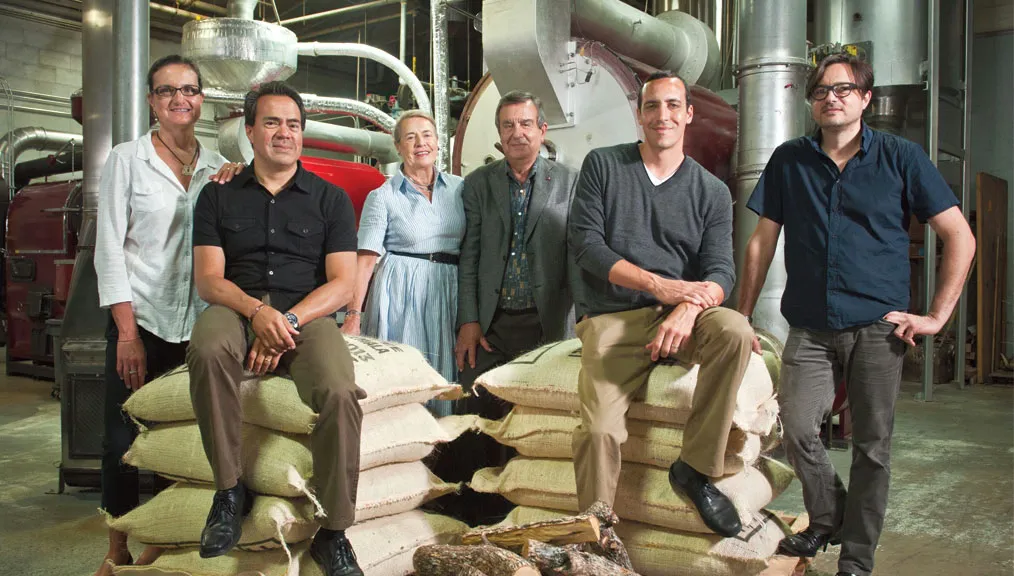
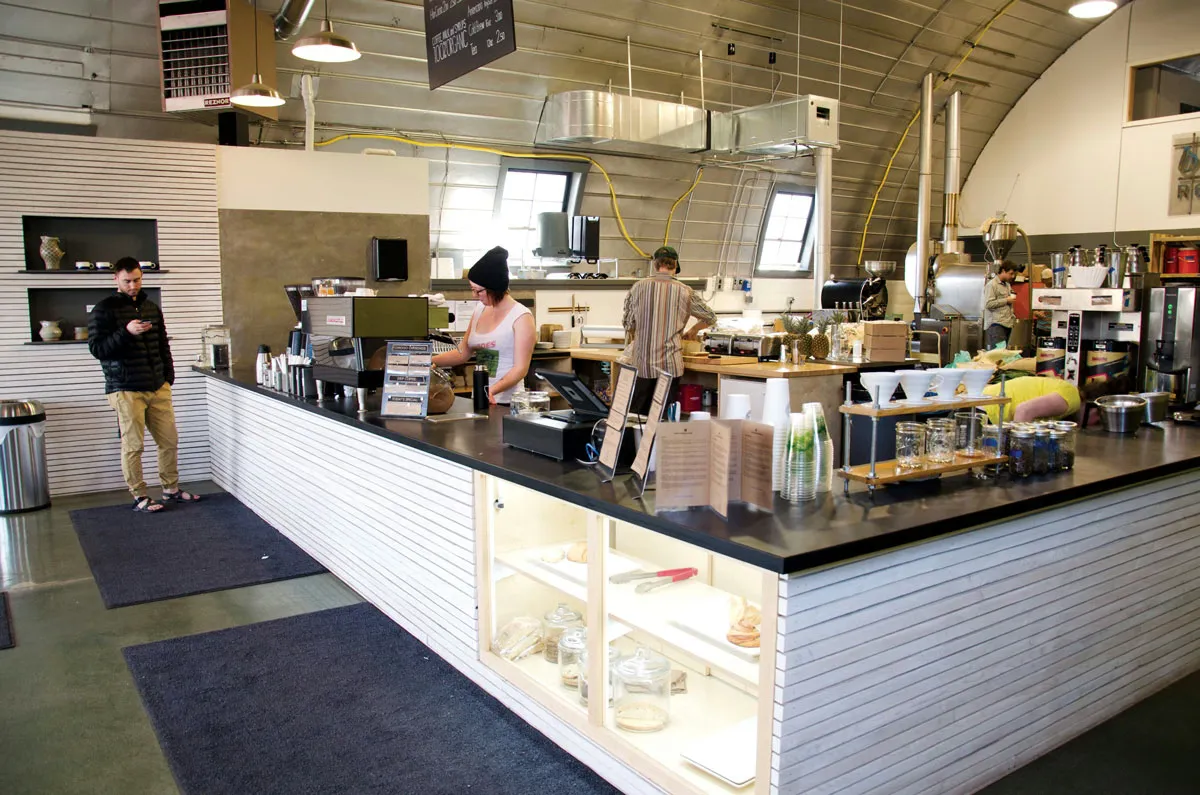
Wine and cheese backgrounds led Matt McQuilkin and Jim Chapman to launch a Missoula roastery in 2010, now operating from a 5,000-square-foot Quonset hut with a focus on organic beans and craft methods.
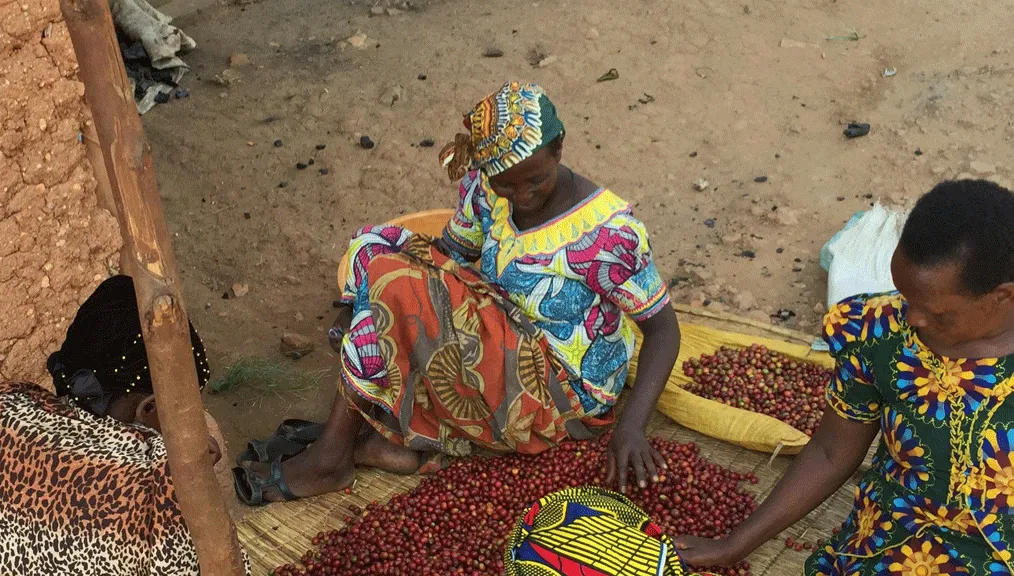
In nations that export coffee, local roasting ventures are creating new consumer markets, adding value at origin, and giving farmers their first taste of their own crop—though equipment, staffing, and unfamiliarity with coffee present real obstacles.
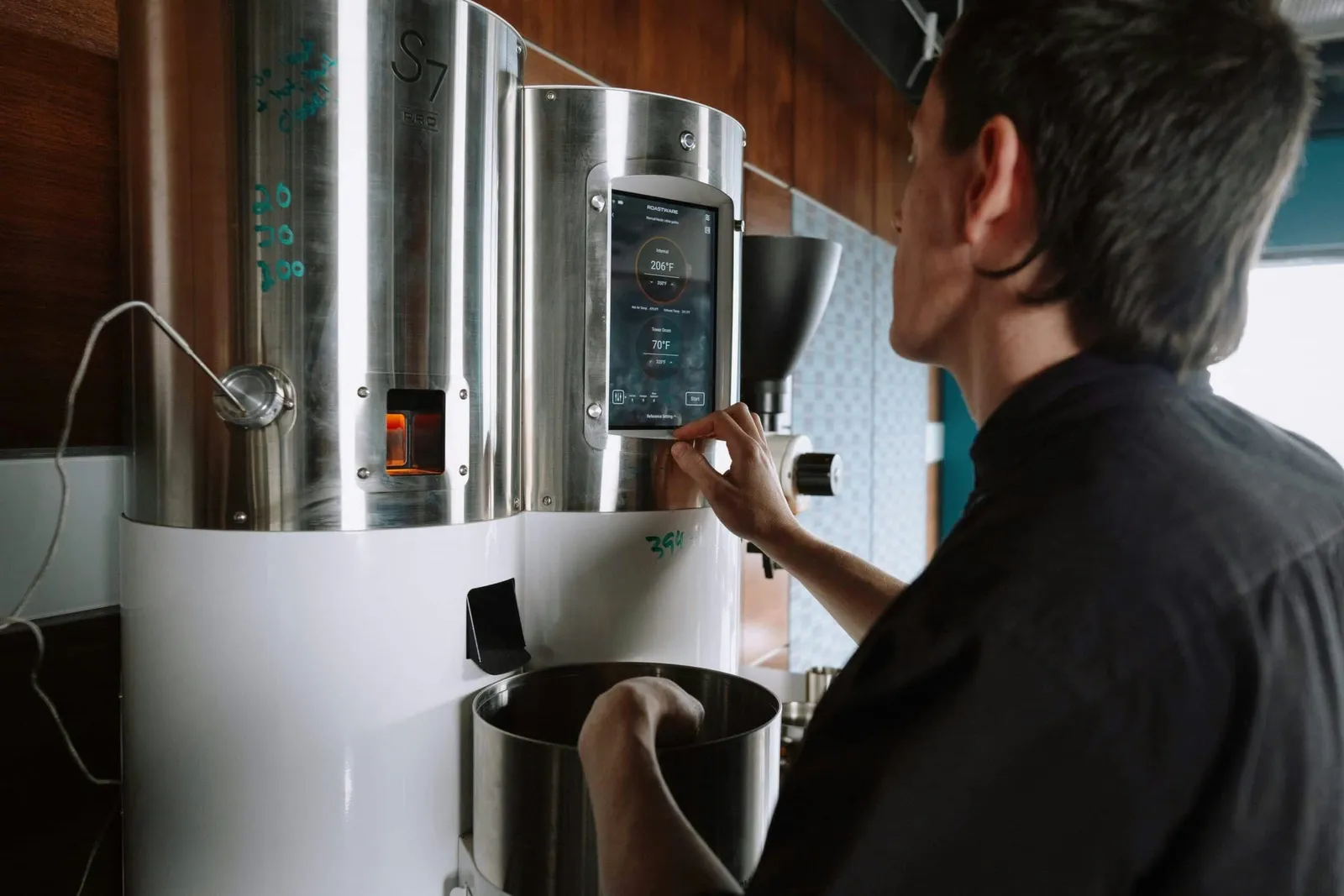
As the specialty coffee sector confronts its carbon footprint, all-electric roasters are drawing interest for their lower environmental impact and simpler operation. Yet with gas still dominant, the question remains whether electric roasting will become a permanent fixture or remain a niche alternative.
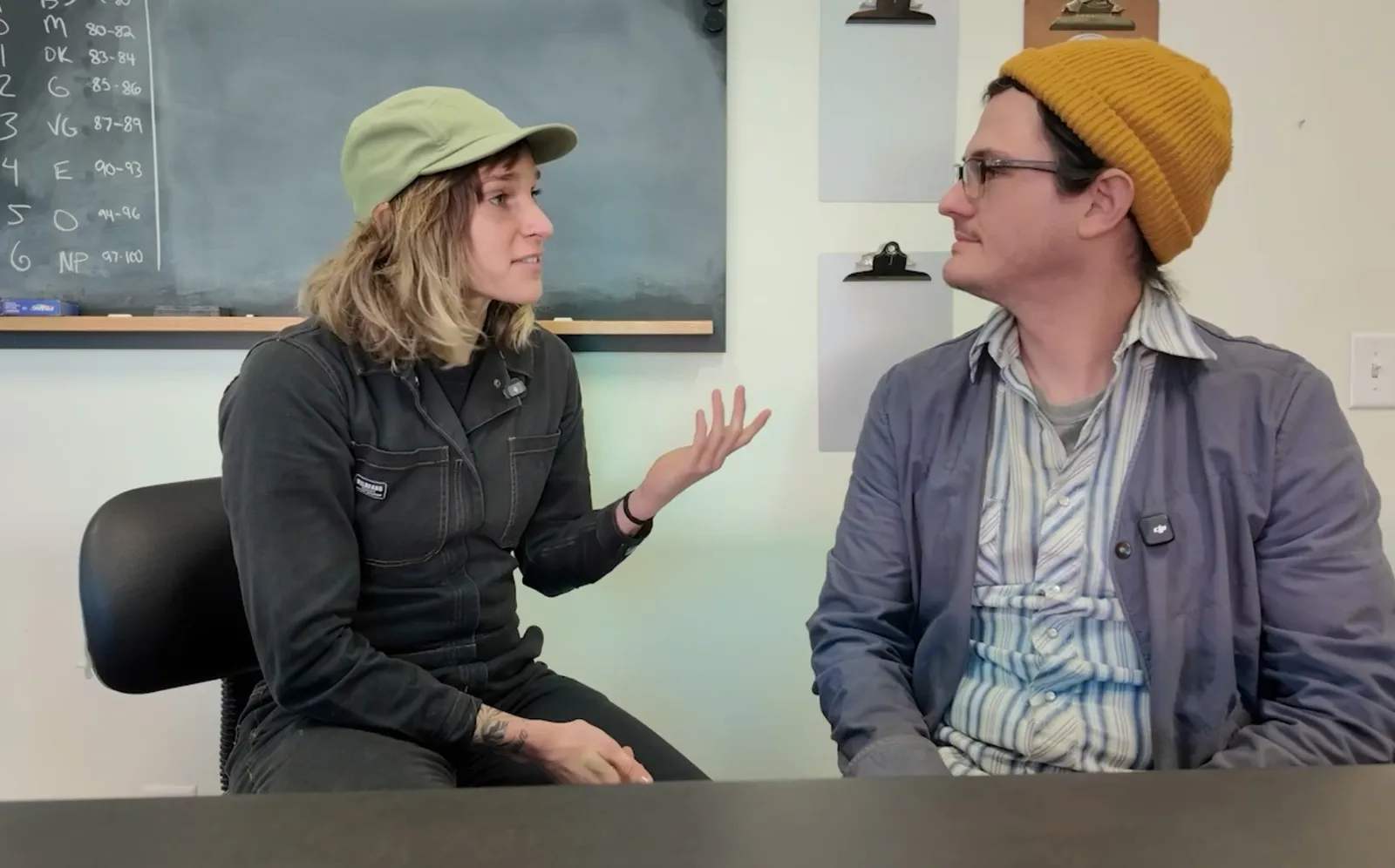
In a conversation with Kat Melheim, Kyle Ramage explains how barista competitions shaped Black & White Coffee Roasters’ green buying, roasting style and pre-roast blending—and why the business was built from the coffees backward.
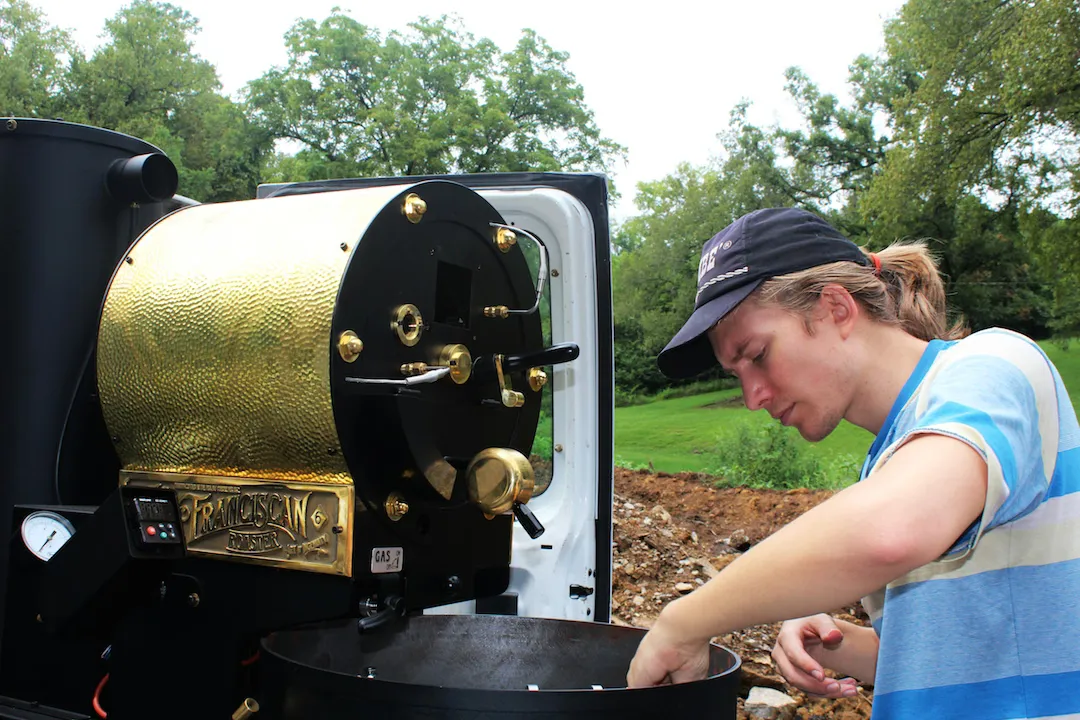
JT Peifer explains how he fit a commercial roaster into a high-mileage Ford van, how he keeps it running through freezing winters, and how earlier ventures in Texas and Kenya led to Feisty Goat Coffee.
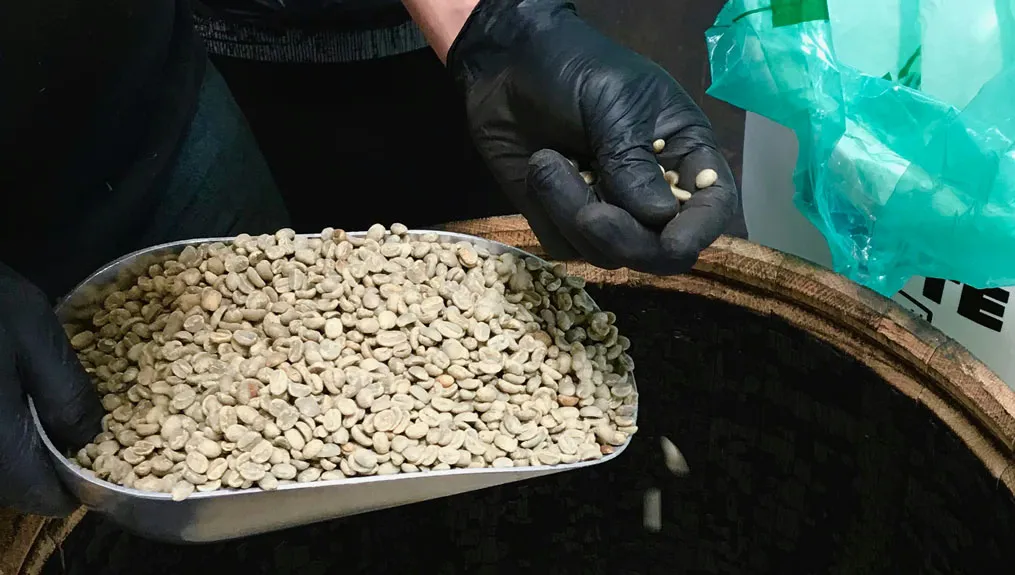
Roasters are putting green coffee into spent spirits casks to build limited-run lots with layered flavor. Here is how the process works, what it means for café menus, and what a barrel actually costs.
How a shared Red Hook roasting facility helped independent coffee companies like Parlor and FAL Coffee find their footing without building their own roasteries first.
A practical look at what buying and restoring an antique roaster actually involves—from inspection and parts sourcing to code compliance and long-term upkeep.
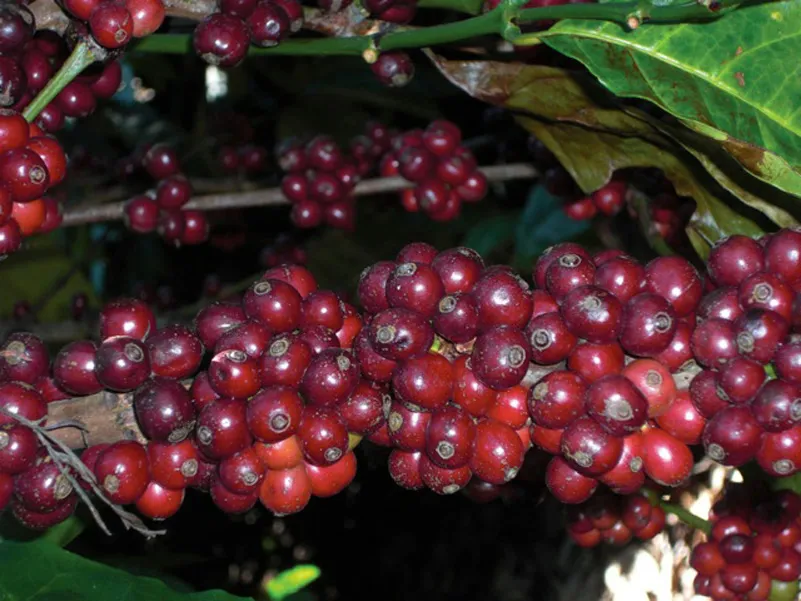
Once dismissed as commodity filler, Robusta is earning renewed attention for its quality potential — and for the structure, sweetness and body it can contribute to a blend.
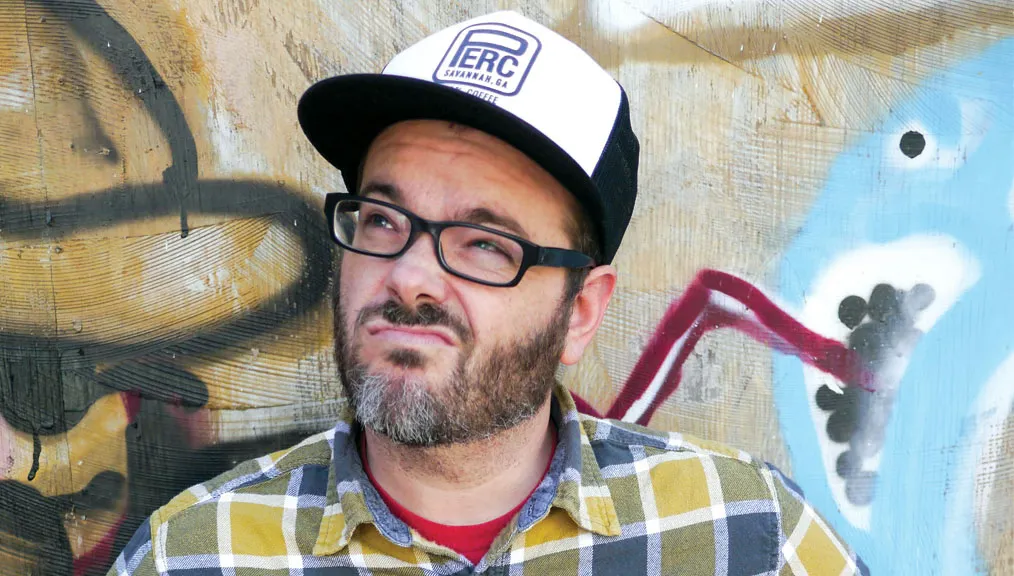
A conversation with the founder of a Georgia coffee roaster about building a brand from scratch in an untested market and learning to share specialty coffee without the attitude.
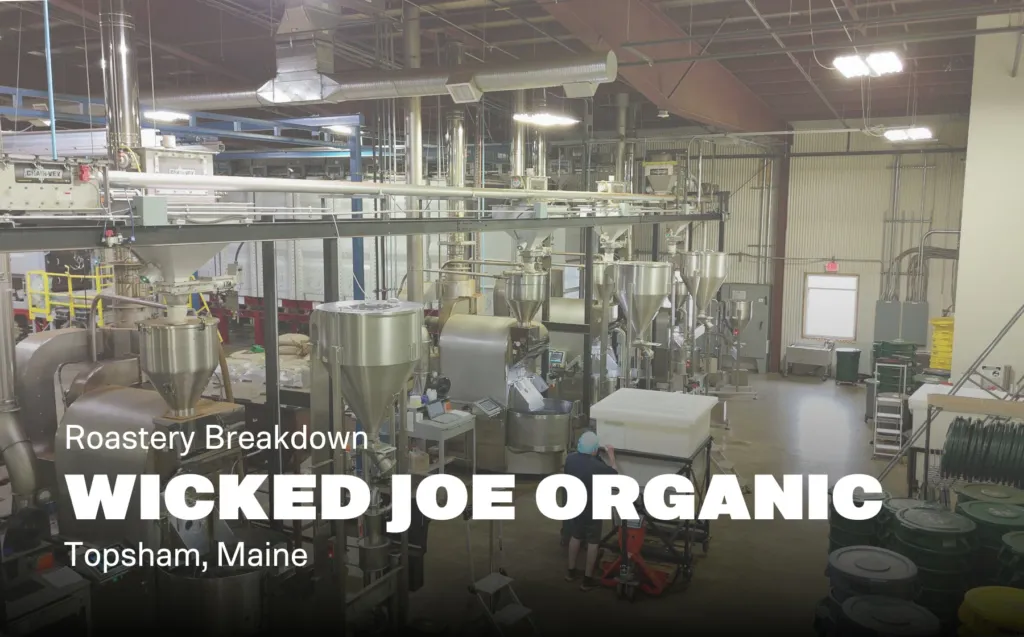
A look inside the Topsham, Maine, operation where solar arrays, automated silos and efficient roasters support a national wholesale and grocery business—and where staying in touch with farmers remains part of the plan.
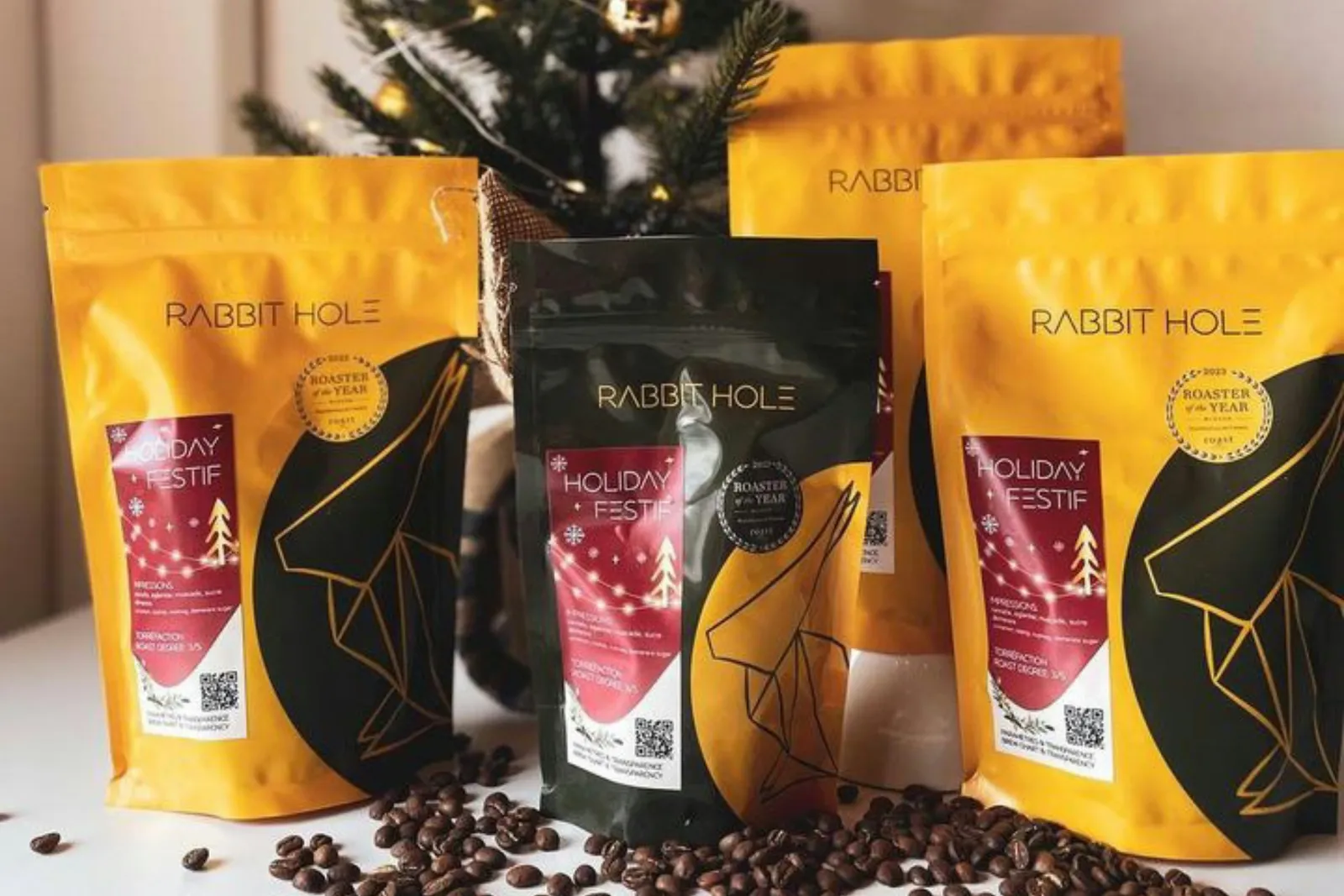
Roasters from three specialty coffee companies explain how they design winter blends that capture the flavors of the season—from mulled wine and baked pie to chocolate and jammy fruit—and how careful sourcing and blending turn a simple bag of beans into a holiday tradition.
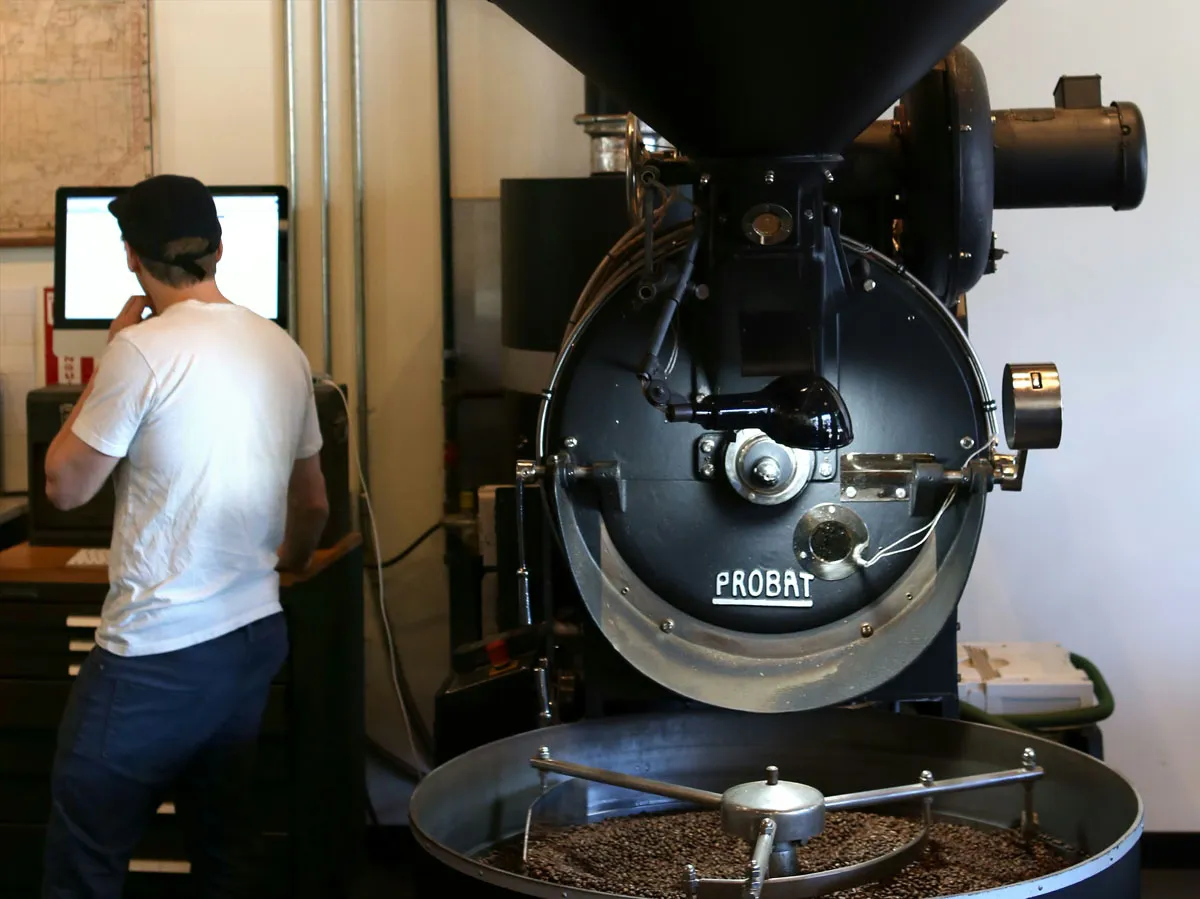
These cast-iron classics from Probat's UG line are coveted for their history and character, but acquiring and maintaining one demands commitment, expertise, and a willingness to get your hands dirty.
Transitioning from café owner to roaster-retailer involves more than passion—it requires careful evaluation of economics, training, equipment, and market positioning.
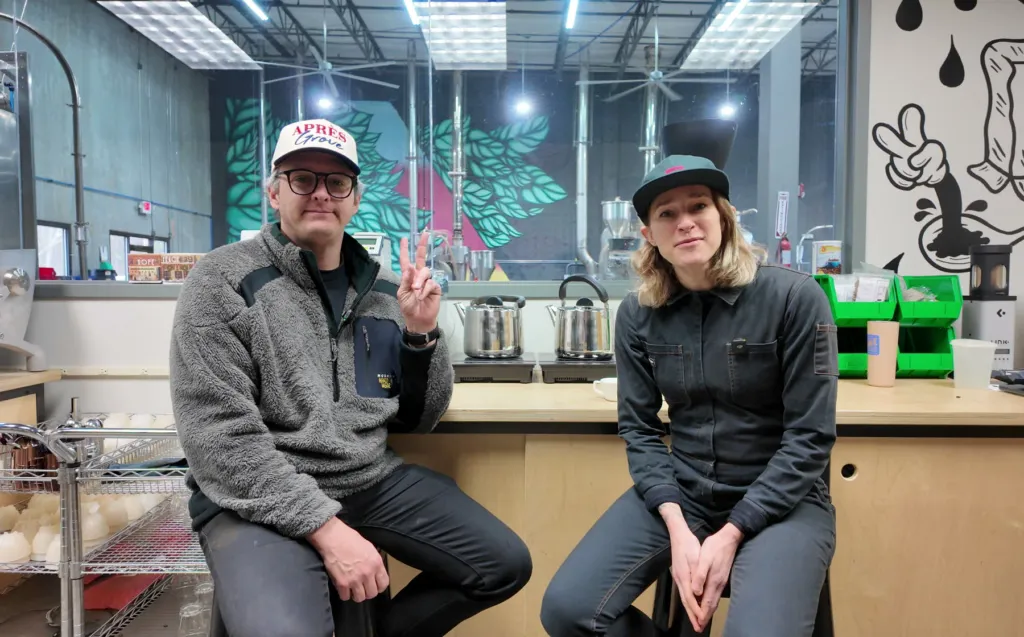
The co-founder of Little Waves Coffee Roasters discusses how a commitment to racial and gender equity, paired with a spectrum of coffees from bright peak lots to crowd-pleasing blends, earned the Durham company a top micro-roaster honor in 2022.