Brewed Alliances: How Coffee and Alcohol Makers Are Joining Forces
Distillers, brewers and roasters are pooling their expertise to create coffee-infused beers and spirits, with collaboration driving both product development and consumer interest.
By Alex Williams5 min read
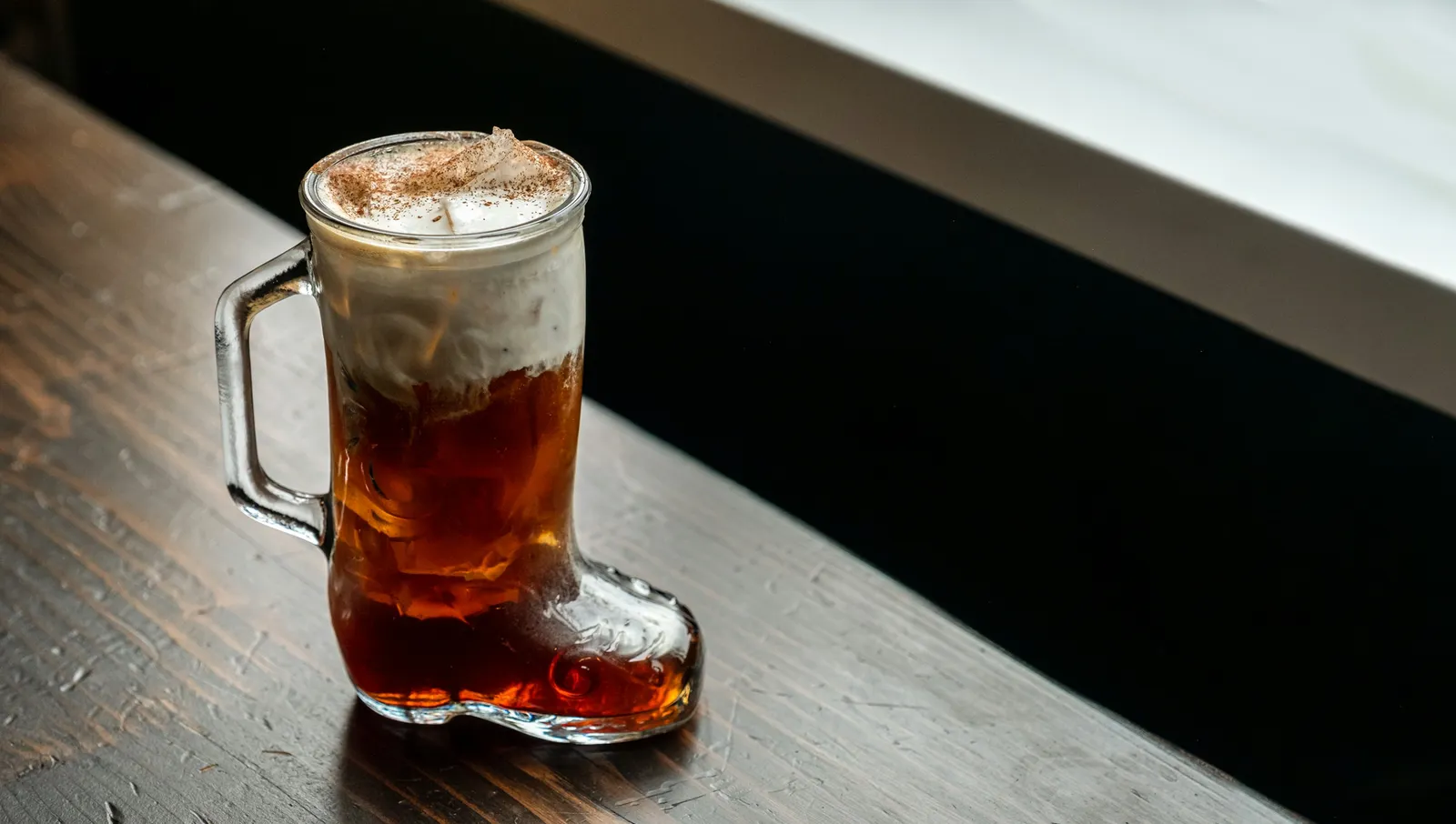
When roasters and alcohol producers join forces, the results can reshape what drinkers find in their glasses.
Coffee has long shared a glass with spirits—the espresso martini being a familiar example. That pairing has moved into the mainstream, and makers of craft beer and spirits in many parts of the world have been refining the artisan drinking experience around it.
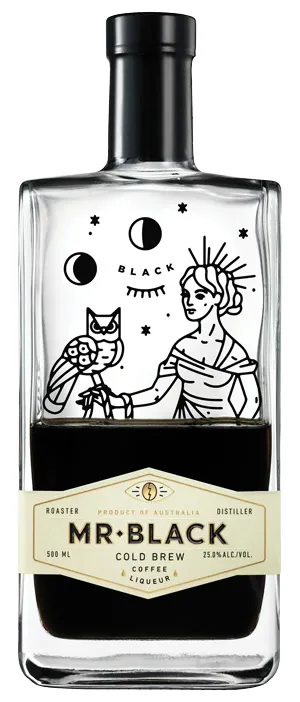
Tom Baker, co-founder of Mr Black, an Australian producer of cold brew coffee liqueur, describes a broader shift in how coffee is perceived. “There is a coffee renaissance happening…and we wanted to take it into the bar,” he says. “As coffee has exploded, so has its role in mixology…now, most bars see the importance of a modern coffee cocktail on their menu.”
Coffee After Dark
Baker frames hard coffee as a way to extend coffee drinking beyond the morning hours—serving the beverage from 3 p.m. into the early hours rather than stopping at 3 p.m. He refers to this as coffee culture's “night shift.”
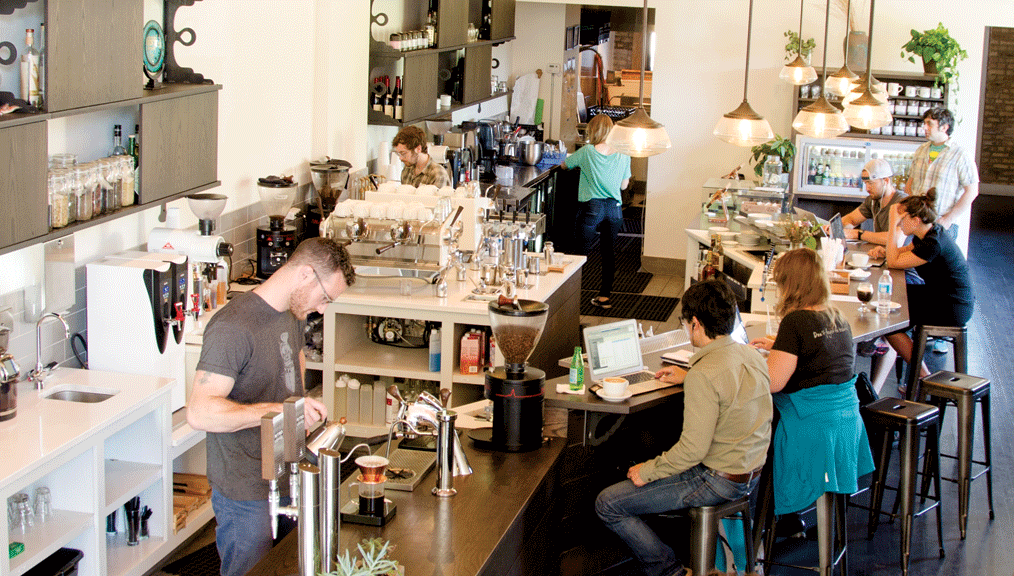
In Portland, Oregon, the café-and-bar hybrid Either/Or gives customers two routes: a cold brew from the barista, or the same cold brew turned into the Uptown Funk cocktail by a bartender, who adds bourbon, coffee liqueur, chocolate and whipped cream. The drink was created by bartender Erica Ramirez.
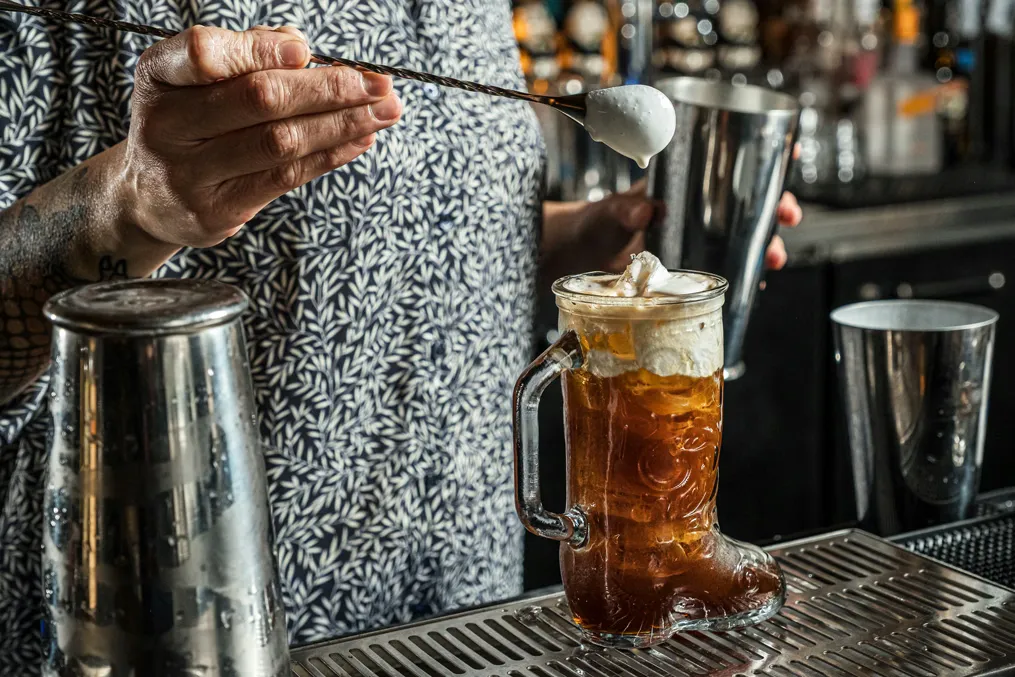
Ro Tam, who owns the hybrid café/bar, argues that coffee made from freshly roasted beans has uses beyond morning lattes and flat whites. The same brews, she says, can lend assertive flavor to craft cocktails, spirits and beers.
“Coffee is so versatile,” says Tam. “Play around with it as an ingredient and see how it complements other flavors.”
Collaboration as a Business Strategy
With cold brew, craft beer and artisan spirits all crowding the market, producers are seeking ways to introduce new products. Alliances linking roasters, distillers and brewers open up possibilities for new releases and for marketing that reaches across audiences.
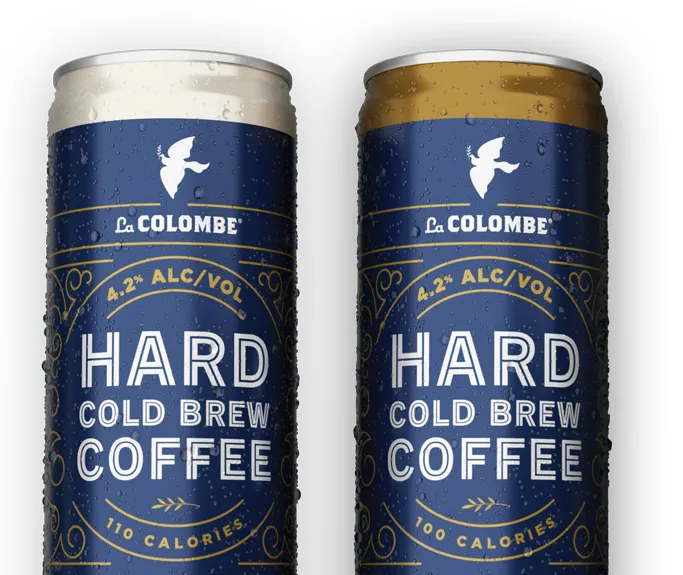
Todd Carmichael, CEO and co-founder of La Colombe Coffee Roasters, described one such product in a press release. “The story of Hard Cold Brew Coffee is really the story of a friendship,” he said. “When two makers and innovators come together something really special can come out of it.”
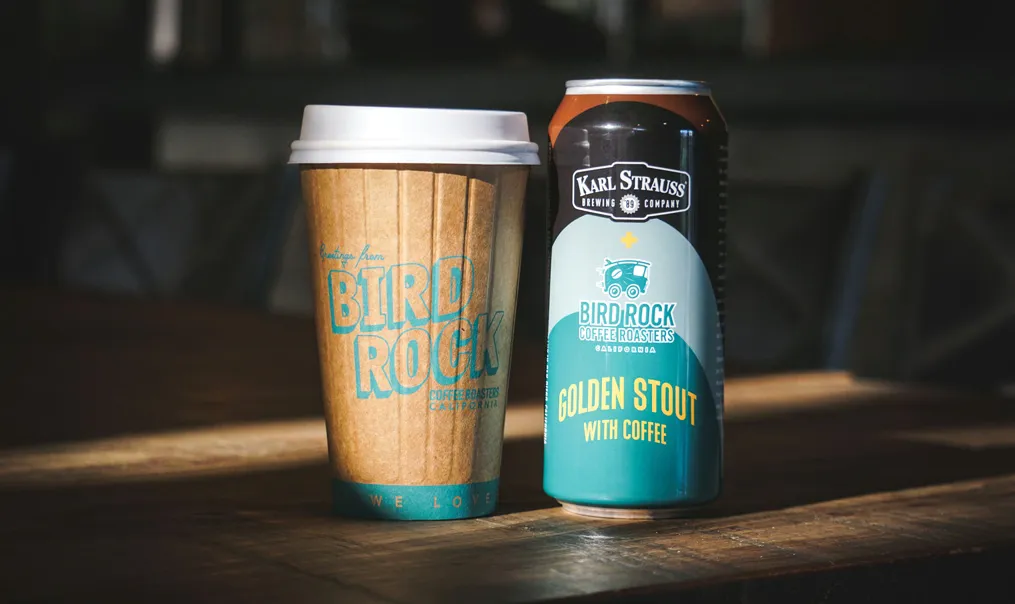
Karl Strauss Brewing Company worked with San Diego-based Bird Rock Coffee Roasters to pick the beans used in Wreck Alley Russian Imperial Stout, a dark beer brewed with cocoa nibs and Colombian coffee beans. Released in 2012, it quickly became a popular offering.
Brian Skarin, communications manager, explains that the company works mainly with local roasters, and that bean selection is a joint process because the roasters are the experts in their field. The brewers supply tasting notes, he adds, which the roasters then use to identify the varietal or blend that fits the beer.
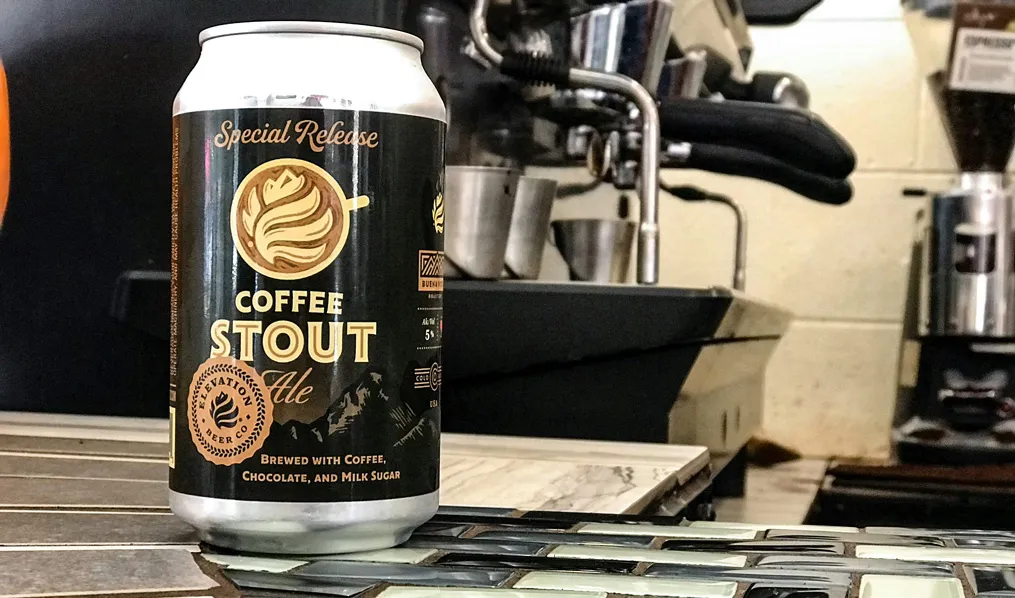
In Colorado Springs, Elevation Beer Company co-founder and director of operations Christian Koch has teamed up with Buena Vista Roastery to select beans and roast profiles for special coffee-based craft beers. These include Elevation Coffee Stout and Oil Man Coffee, a limited-edition version of the brewery's bourbon barrel-aged stout brewed with coffee.
Koch explains the reasoning behind the roast choice: the goal was a big, bold flavor, so the team opted for darker roasts rather than the fruitier, more delicate character of a lighter roast, which he says might get lost in a large dark beer. The roasted malts can bring coffee flavors from the background to the foreground, he adds.
When Mr Black began producing its coffee liqueur, all the beans were roasted by Sydney's Campos Coffee. As output expanded, Baker and his business partner and distiller Philip Moore set up roasting in-house. The coffee in the liqueur is ground, cold brewed and combined with alcohol, then left to distill so the coffee flavors come through. Even so, the distiller continues to rely on partnerships.
For its 2019 single-origin coffee liqueur, Mr Black sourced beans from a Colombian coffee farmer. The limited release uses honey-processed coffee, which is lighter and fruitier than the company's other coffee liqueurs, whose profiles lean toward caramel and chocolate.
Getting the Flavor Right
Bean and roast selection is only the starting point. At Elevation Brewing, the team also spent many hours testing ways to introduce coffee into beer. Koch tried adding cold brew, but the brewery settled on a different method: steeping bags of freshly roasted beans directly in the batch of beer.
“We can taste the beer every day to make sure that we're not extracting too much coffee flavor, and, as soon as we think it's just right, we can pull these beans out of the liquid,” he says. “It gives us more control over the flavor.”
When creating coffee cocktail recipes, Tam takes the flavor characteristics of different beans into account. She uses the floral and fruit notes of Ethiopian coffee in drinks built on bourbon and rum, and draws on the light tomato undertones of Kenyan coffee for a signature Bloody Mary. Still, she regards process as more important than bean choice.
“Cold brew is consistent, and that makes it easier to work with, and, in cocktails, it has a strong punch that shines through the liquor,” she says. “I never use espresso in cocktails because the extraction process makes it harder to get a consistent flavor.”
Tam's view is that hard coffee succeeds when it is palate-driven. Standards for craft beverages are high, and customers expect hard coffees to be made with artisan spirits, craft beer and freshly roasted beans.
Koch sees the collaborations as a way to offer something more refined. “People are looking for a more elevated experience with these collaborations,” he says. “By having partnerships with a roaster where we know the origins of the coffee, we get a better product, and it helps tell a better story about the beer.”
Skarin suggests the partnerships can attract newcomers as well as committed fans.
“There are the beer lovers who already know they want big, bold beers and love it when you throw something interesting at them, and there are coffee lovers who may not be huge beer drinkers, but are converted through that familiar roasted flavor,” he says. “The consumer's level of education around coffee has grown significantly over the last ten years, which helps build excitement around new releases.”
Cover photo by Jordan Hughes.