Approaching the Cupping Table: Etiquette and a Six-Step Tasting Rhythm
A practical guide to cupping manners and technique, from controlling distractions and following table rules to working through fragrance, aroma, break, skim, and repeated slurping as the coffee cools.
By Riley Turner3 min read
Why the Table Matters
Regardless of whether you are new to cupping or have spent years at it, a handful of reminders can help you approach the table with care—and help you guide others who join you.
Begin with the reason everyone is gathered there. Cupping exists so the coffee can be evaluated on its own terms. Anything that pulls attention away from that goal—perfume, cigarette smoke, or voicing impressions before the others have had a chance to smell and taste—is generally disapproved of. Even at a relaxed tasting rather than a formal one, I think of it as a gesture of respect toward the producer and toward the people cupping alongside you.
A few shared housekeeping conventions also help, so that cuppers can concentrate on the coffee rather than colliding with each other: everyone moves from left to right (counterclockwise around the table); cups stay on the table and are not lifted; and each coffee is offered in at least two samples so that everyone can taste.
A Controlled Setting for Fair Assessment
Cupping standards exist to establish a consistent, controlled setting in which coffees can be judged accurately, no matter where in the world the cupping takes place. Detailed standards and best practices are available on the SCA website, which is an excellent resource. In general, I find it useful to picture the process as six main stages, with cuppers moving around the table (left to right) and evaluating the coffee at each one.
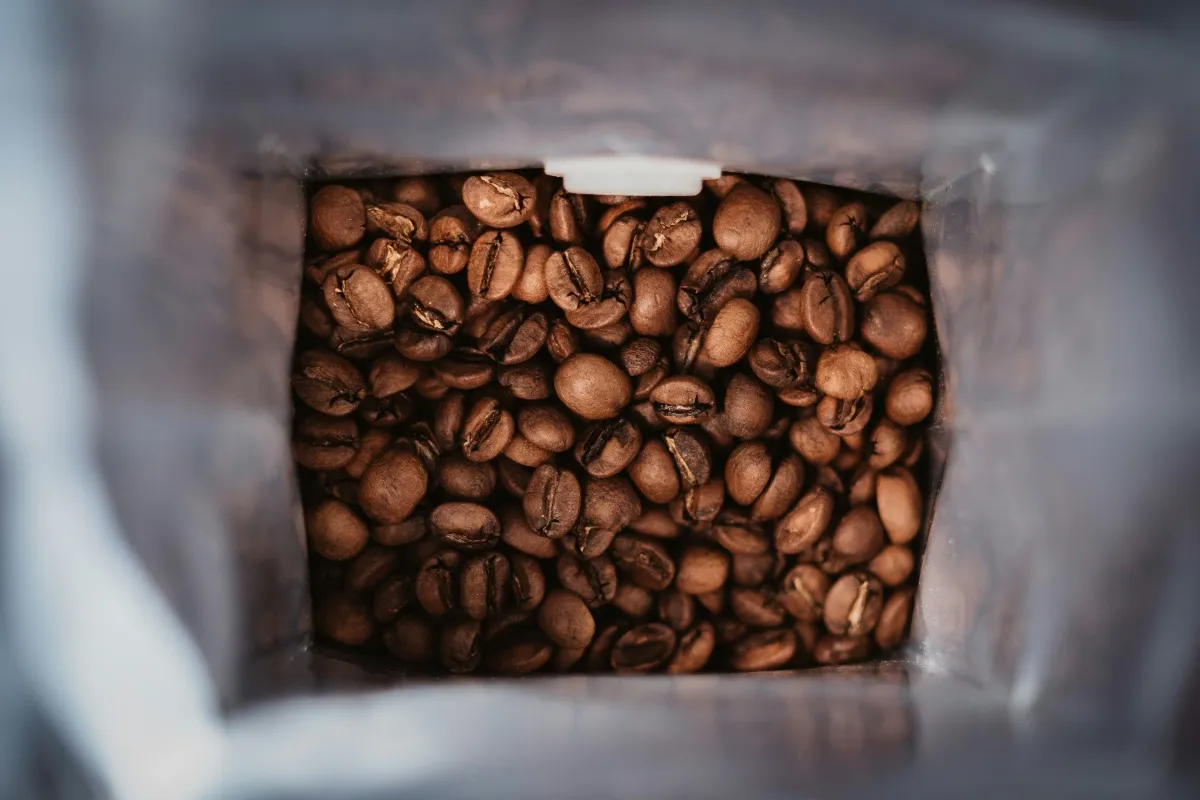
Fragrance. Cuppers smell the dry grounds. Many defects can be spotted here first.
Aroma. After water meets the dry grounds, cuppers smell again. Once brewing begins, the coffee releases a set of aromatic compounds entirely different from its fragrance.
Break. Cuppers break the crust—which forms on its own and holds in a burst of very volatile, delicate aromatics—and put their noses into the resulting cloud. This gives a deep, though brief, glimpse of what the coffee has to offer.
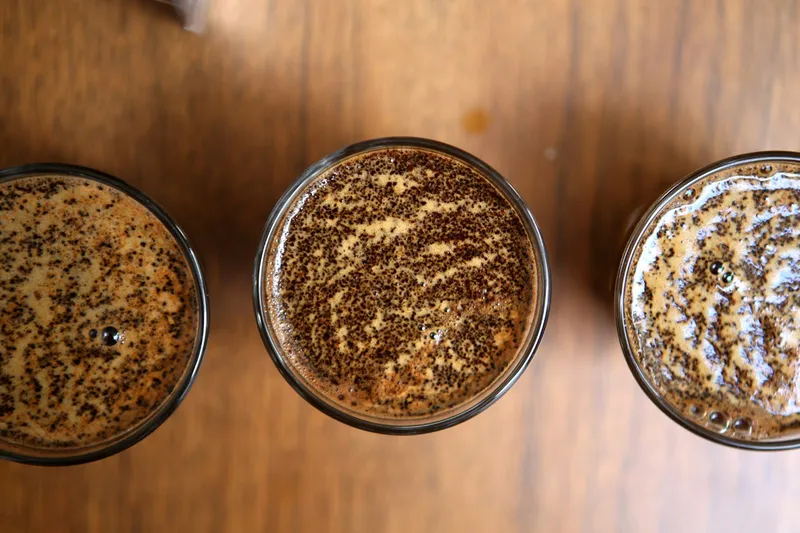
Skim. The foam produced during cupping is part of the brew, yet it reveals little about the coffee (and does not taste very good); in fact, the foam masks the flavor of the coffee beneath it. Cuppers skim it off to reach the liquid below.
Slurp. Set manners aside—slurping is the point. To taste coffee, we take a spoonful and try to "vacuum" the coffee off the spoon as loudly as possible. Slurping accomplishes several things:
- It sprays the coffee across all nerve endings, not only the taste buds.
- It vaporizes the coffee, so we smell it as well as taste it, which leads to . . .
- Retronasal olfaction: beyond being fun to say, slurping engages the sense of smell (olfaction) in reverse, as aromas travel through the nose on their way out—hence "retronasal." This kind of smelling reaches long-term memory more effectively and lets the flavor stay with us longer.
Slurp Again. Tasting coffee at different temperatures is essential. As the coffee approaches the temperature of your mouth, sensitivity rises and different flavors emerge.* It is why inexpensive beer tastes great ice cold and poor coffee tastes better piping hot—the palate cannot tell the difference. A great coffee should taste better and better as it cools.
Honoring the Work
Cupping is among the most distinctive activities we coffee professionals get to do. It can be lighthearted or deeply serious. As long as we stay intent on honoring the hands that prepared the coffee, we are on the right track.