Oats Beyond the Cup: How a Cereal Crop Is Reshaping Food Tech
Oat milk has moved from a niche dairy alternative to a fixture on cafe menus worldwide since 2017, and its influence is now spreading into sheets, pastes, chocolate, and meat substitutes. This piece traces the crop's rise, the supply pressures it faces, and the innovators betting that oats will remain central to plant-based food development.
By Toby Mitchell7 min read
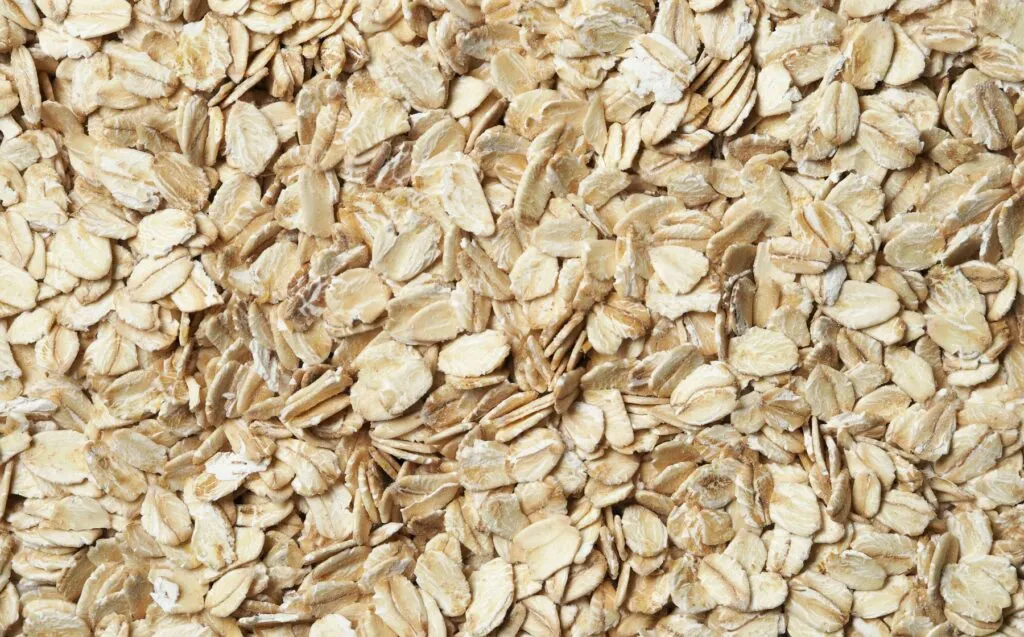
In the span of roughly seven years, oat milk has grown from a niche offering into a mainstream fixture across the U.S., Europe, Asia, and Latin America. The Swedish company Oatly is widely credited with sparking that surge when it brought its product to market in 2017. Demand climbed quickly: in countries including the U.S., Vietnam, Germany, and Sweden, oat milk consumption rose by 50% or more between 2019 and 2020. Momentum has since eased as the mid-2020s market matured, yet global interest in oat milk has not faded, and its value is expected to hit $6.8 billion by 2026.
Annual sales of oat milk have now overtaken those of soy milk, which had long held the leading position. Nicola Spalding, a trends analyst and content writer, explains why: “Oat milk is the most-purchased plant-based milk in the U.K.,” she says. “Oats have a mild, neutral flavor, unlike soy, which often tastes quite “beany”; they’re rich in fiber, especially beta-glucan, and they have good functionality in terms of creaminess and mouthfeel,” she says.
A further factor behind oat milk's uptake is shoppers' interest in choices perceived as more sustainable. Because oats can be cultivated in many parts of the world, local sourcing becomes feasible—and that same adaptability may help address supply pressures linked to climate change.
Within food technology more broadly, the crop's flexibility is opening doors to plant-based uses that go well beyond drinks. Still, with oat milk now available in virtually every cafe, a reasonable question arises: has the category hit its ceiling?
The Ceiling Is Likely Still Ahead
Oat milk lattes, for instance, appeal to many drinkers because the product comes close to dairy milk in both flavor and texture—a contrast with earlier plant-based alternatives.
One barista described the experience on Reddit: “My first experience with oat milk was actually making a non-dairy version of eggnog for my [lactose-intolerant] boyfriend. Let me tell you, the texture made him cry.” That same user also reflected on using oat milk behind the bar: “Not only was my latte art on point but it complimented [sic] every blend of bean we had.”
There’s nothing the dairy industry would like more than to see us go away.
Christian Christensen, DRYK
Consumers are drawn to oat milk partly because its environmental footprint is smaller than that of dairy and some other alternative milks—and the dairy sector has responded. Between 2022 and 2023, dairy milk consumption fell by 4% while non-dairy milk, oat included, rose by 5%. In response, large dairy interests have frequently highlighted figures indicating that plant-based milk sales have plateaued, and have even backed satirical campaigns promoting “wood milk” as a supposed next trend.
Christian Christensen, CEO of the Danish plant-based milk company DRYK, puts it bluntly: “There’s nothing the dairy industry would like more than to see us go away.” (It is worth noting that although oat milk generates fewer carbon emissions than dairy milk, coffee cultivation itself demands substantial resources and emits a considerable share of greenhouse gases.)
More and more brands are courting barista approval, which has led to a proliferation of oat milks engineered to steam well. Oatly, DRYK, Alpro, and Minor Figures are among the larger and smaller players selling oat milks made specifically for baristas, with a higher fat content that produces steadier foam. Ghost Town Oats points out that baristas “were at the forefront and catalysts of the oat milk craze.” The company, founded by three baristas, presents itself as a lifestyle brand built around oat milk, joking that its product “haunt[s] over 500 coffee shops and neighborhood markets across the US and Toronto.”
Oat milk companies have also done much to recast a grain once associated mainly with breakfast as something edgy, even tech-adjacent. Oatly, for instance, has built a reputation for a wry brand voice that engages directly with its “haters,” while Minor Figures hosts its impact reports on a page called Source Files, styled to resemble a computer terminal.
Yet Minor Figures, among others, has not escaped the sourcing difficulties that pushed raw material prices up in 2023, and climate change looks set to keep complicating supply. Even with steady demand, USDA figures show a 24% overall decline in production between 2022/2023 and 2023/2024. Drought has already hit oat harvests and caused shortages, particularly in Canada, the third-largest producer after the EU and Russia. Researchers have started investigating drought-tolerant oat varieties.
In parallel, efforts are underway to commercialize the existing oat supply for a broader array of consumer goods. Food tech firms are already applying modern processing methods that can preserve oat quality in storage and enhance the texture and nutritional profile of oats destined for future foods.
What Else Can Oats Become?
So what else can “oat” mean? Oat-based goods are appearing in a surprising range of forms and food categories—and there is little reason to think they won't eventually turn up in cafes.
Oat Milk in Sheet and Paste Form
The Germany-based Veganz Group and U.S.-based Milkadamia both sell printed oat milk sheets, designed to make oat milk easier for households to prepare. “You put them in a blender with water to transform them into milk, which also means they’re customizable, because you can make everything from oat paste to cream to milk,” says Spalding.
With the increased awareness of ultra-processed foods and the growth in clean eating, I wouldn’t be surprised if oats continue to gain popularity as a nutritious, whole-grain food.
Nicola Spalding, trends analyst and content writer
Separately, the U.K.-based MYOM has created an oat paste it markets as “suitcase-friendly” oat milk—carry it in a bag, mix it with water, and you get something resembling oat milk. According to the company, the product is shelf-stable and cuts down on packaging, which in turn reduces transport emissions.
Dairy-Style Products
Beyond milk itself, oat-based butter and cream cheese are increasingly pitched to vegans as dairy substitutes. Examples include Oatly’s plant-based Creamy Oat Spread and Miyoko’s Creamery Oat Milk Butter.
These plant-based items show little sign of waning in popularity. While some consumer reviews point to their high prices, they could eventually sit alongside plant-based creamers in cafe fridges as a standard vegan choice for bagels and other light fare.
Chocolate
Oatly and DRYK are among the brands offering chocolate oat milk as an alternative to conventional chocolate milk. That is not the only way oats and chocolate combine, though. The U.K.’s H!P Chocolate arrived in 2021, at the height of oat milk's popularity, promoted as “plant-based” and “next-generation chocolate” because it uses oat milk rather than dairy milk. The brand lists sustainability and the pursuit of better vegan options among its founding motivations.
Some are pushing further, asking whether chocolate itself can, in a sense, oat. The German startup Planet A Foods has developed what it calls “cocoa-free chocolate” under the name ChoViva, blending roasted oats with sunflower seeds to build flavor complexity. The startup has already partnered with major German brands to use ChoViva in products such as muesli and candy.
Meat Alternatives
The Swedish startup Millow has created a meat substitute made up of about 50% mycelium (the root structure of mushrooms) and 50% oats. “We chose oats as a cornerstone of our products not only for their exceptional nutritional benefits but also for their abundant availability and sustainability in Scandinavia,” says Dr. Coralie Hellwig, Millow’s co-founder and chief product officer.
“By marrying these premium oats with mycelium—a transformative ingredient that enhances texture and flavor—we’ve crafted a hybrid product that is nutritious, versatile, and environmentally friendly,” she adds. Vegan burgers are already on some cafe menus, so an oat-based version is hardly far-fetched.
Will Oats Keep Their Lead?
As consumers grow more attentive to the health and environmental consequences of what they eat, oats hold promise. “With the increased awareness of ultra-processed foods and the growth in clean eating, I wouldn’t be surprised if oats continue to gain popularity as a nutritious, whole-grain food,” says Spalding.
Spalding notes that “plant-based funding has slowed down considerably over the past 12–18 months,” but she points to companies such as Millow, Veganz, and the Singapore-based Oatside—which calls itself “Asia’s first full-stack oat milk producer” and recently closed a $35 million series B round—as examples of firms still attracting investors in a crowded field.
Down the road, oats may face commercial rivalry from crops with comparable versatility and sustainability credentials, such as peas, hemp, or even buckwheat. Pea and hemp milks are already sold, and pea protein has made its way into food tech applications including plant-based meats.
For now, oats clearly remain fertile ground for innovation, whatever talk of a ceiling suggests. “We believe oats will continue to play a pivotal role in the future of food technology,” says Hellwig. “Their unique combination of nutritional value, sustainability, and affordability makes them an indispensable ingredient in the ongoing plant-based revolution.”