Cup Names: Genuine Bond or Brand Stunt? Café Owners Weigh In
After a major chain said it would bring back handwritten names on cups, we asked independent café operators whether the practice is a meaningful personal touch or just a marketing flourish.
By Elliot Lee4 min read
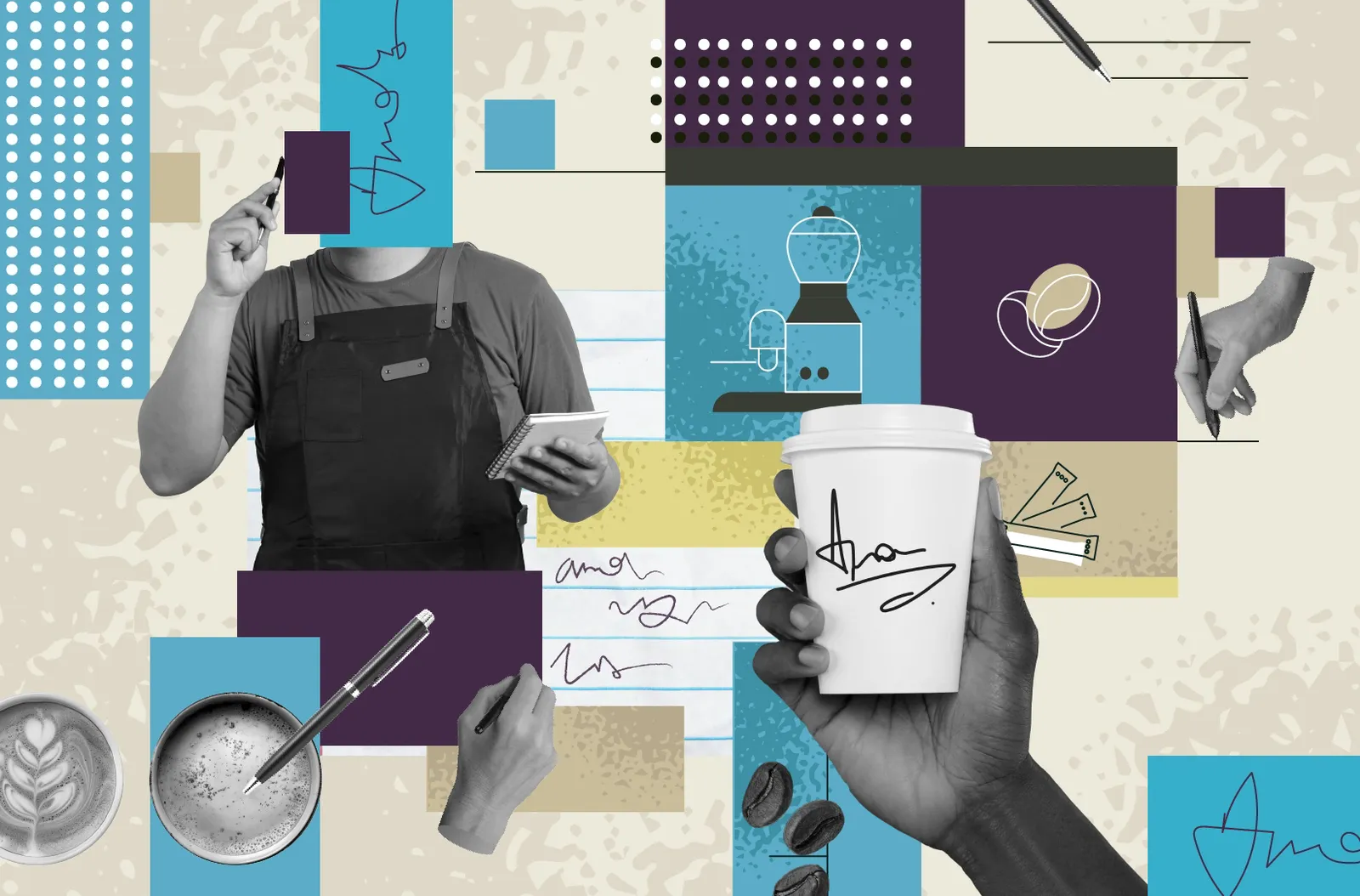
A major coffee chain recently revealed plans to revive the practice of baristas writing customers’ names on cups. The initiative, championed by incoming CEO Brian Niccol, aims to add a personal feel to the multinational’s service and reverses the printed-label system that was adopted during the COVID-19 pandemic.
But does a scrawled name on a cup actually change the experience for most customers? Is it a sincere nod to human connection, or merely a performative trick from a large corporation? We spoke with leaders at independent coffee shops around the country to hear their perspectives.
Digital Tickets vs. Handwritten Names
Many coffee businesses—particularly those with several locations or those that take orders through mobile apps or websites—rely on digital ticketing built into their point-of-sale software. These tickets carry the customer’s name, and printed versions stay with the order as it is prepared. For such operations, adding a handwritten name to the cup can be an unnecessary extra step.
“For Klatch Coffee, printed stickers versus writing the name isn’t really the important distinction,” says Holly Perry, the company’s Director of Retail. “What’s important are factors like baristas taking the time to remember the names of their repeat customers, and getting to know them as a person, not a transaction.” While Klatch baristas typically do not write names on cups, they may jot “happy birthday” or “congratulations” for regulars after conversations with them.
At Academic Coffee Company in San Jose, owner Frank Nguyen and his team have relied on a digital ticketing system for the past seven years, allowing baristas to view incoming orders and stay organized. “When it gets busy, we write names on cups using scentless markers so that orders don’t get mixed up,” he says. “Our baristas know most of our customers by name, though, so we rarely get a mix-up.” (Starbucks is known for using Sharpies, but scentless markers are preferred by some because they do not interfere with aroma or the drinking experience.)
Nguyen says the Starbucks announcement leaves him unimpressed. “Most cafes have been doing that forever,” he says. “So it does seem a little gimmicky that they’re choosing to do it now.”
Analog Ways in Brooklyn and Manhattan
Devoción Coffee, with five cafés across Brooklyn and Manhattan, keeps things analog. “We still call out customers’ names the old-fashioned way,” says founder Steven Sutton. Baristas write guest names on order tickets, but not on the cup itself. “We still do a controllable volume of business as a boutique coffee shop. That allows us to just call out a customer’s name aloud and not worry about them getting the wrong order or taking the wrong cup,” he adds.
Sutton sees the Starbucks move as an attempt to be more personable and intimate. “I’m actually not sure of the benefit of writing it on the cup versus printing the ticket and calling out the name, but I do agree calling someone’s name makes it a better experience.”
From Handwritten Cups to Printed Tickets
Ryan Castelaz recalls writing names and drawing small pictures on cups when he founded Discourse Coffee in Door County, Wisconsin. After the company relocated to Milwaukee and its volume grew, it switched to Square KDS for order tickets. “I both hate the look and feel of printed tickets on cups,” Castelaz says. “It’s an unfortunate textural experience to hold, and the psychological interpretation is that of mass-market, assembly-line coffee.” He believes the Starbucks move is intended to feel nostalgic and authentic, though he is somewhat skeptical about how it will unfold and whether it will influence sales.
“I feel like this move comes at a precise contrast to what Starbucks has become,” he says. “Many Starbucks consumers chose Starbucks due to their ability to make endless customizations to their orders. Will the written name be above the printed tickets of these customizations? Simultaneously, Starbucks had set a sub-four-minute drink time goal, which feels in stark opposition to this initiative. I’m curious to see how this all plays out.”
Balancing Speed and Connection
Many specialty drinks at Discourse are quite elaborate, and during peak hours the shop has two baristas on staff. One barista pulls shots, preps cups, and expedites orders, while the other steams milk, pours, and garnishes. This division allows the second barista to spend a special moment with the guest, even at high volume. Although they no longer write names on cups, the baristas often draw cute pictures during slower periods. And, as Castelaz notes, they always call guests by name, look them in the eye, and wish them well when they collect their drinks or food.
“We love taking a moment to connect with our guests about the drink they are about to experience, explaining the layers of flavor they are to expect with each sip,” Castelaz says. “This brief moment of authentic connection allows us to instill an element of heartfelt sincerity to the guest experience, while adding a richness to the taste experience by providing a road map of flavors and aromas to be on the lookout for.”