How a Young Roastery Is Cultivating Specialty Coffee in the Ozarks
A husband-and-wife roasting team in Northwest Arkansas pairs education and in-house sourcing with a hands-on coffee experience.
By Drew Rivera4 min read
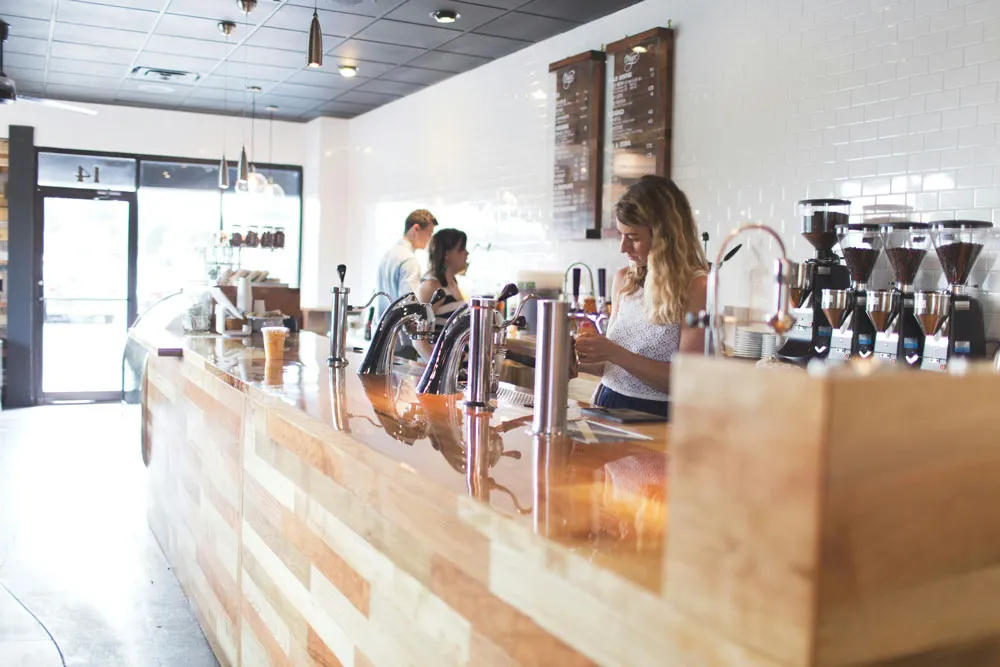
Specialty coffee remains a fairly recent arrival in Northwest Arkansas. The area is perhaps best recognized as the corporate home of Walmart and Tyson Foods, yet the Springdale metro also functions as a cultural hub for the state. The University of Arkansas sits in Fayetteville, a comparatively progressive city; Bentonville holds the newer Crystal Bridges Museum of American Art; and the southern edge of the Ozark Mountains draws anglers and visitors interested in notable cave systems.
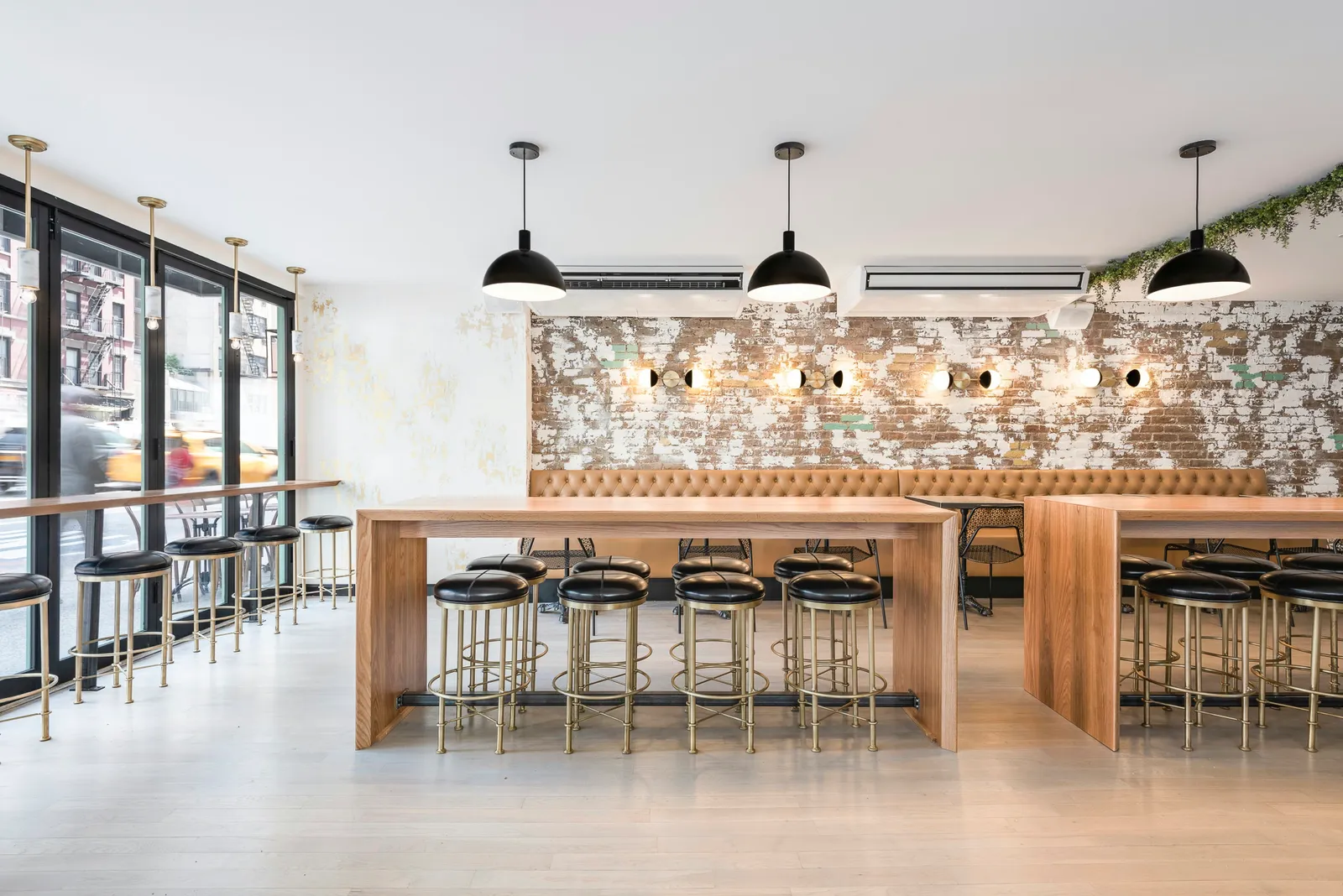
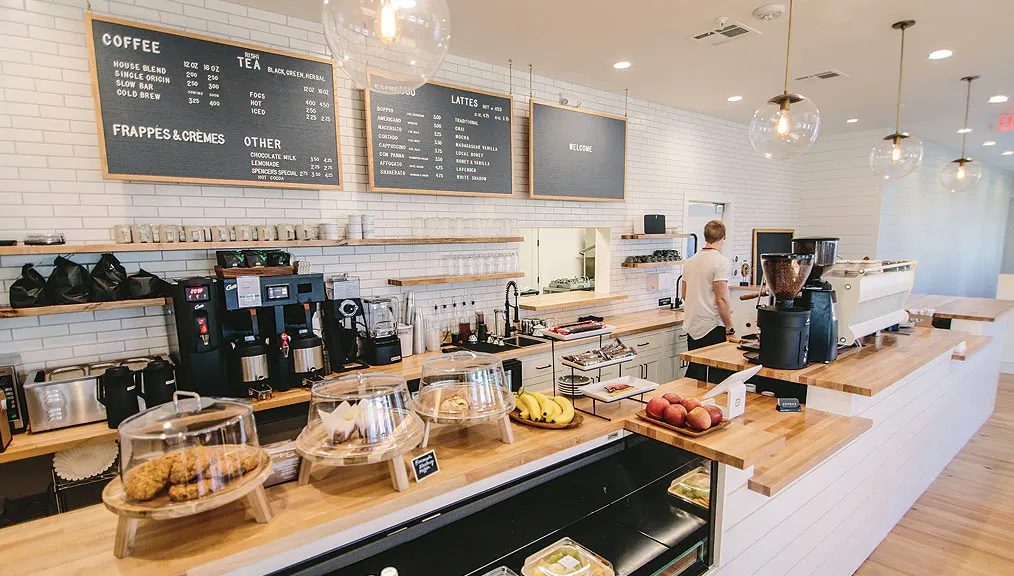
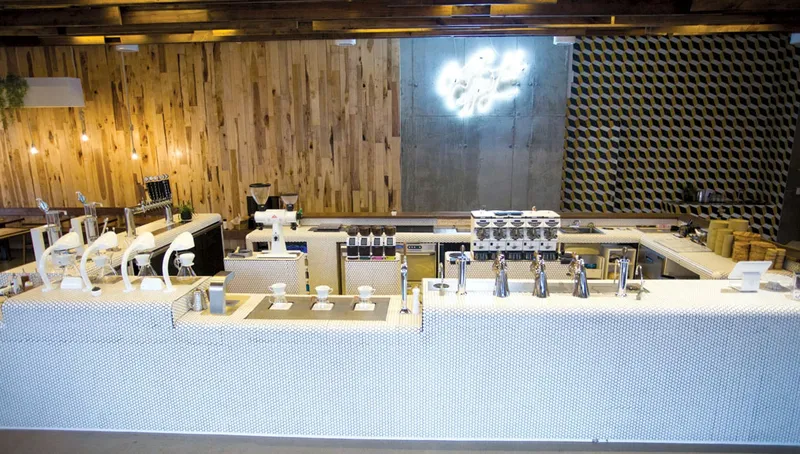
Younger, adventure-minded residents appear to be gravitating toward this lively region, and that expanding population has supported a growing third-wave coffee scene. Onyx Coffee Lab, with shops in Springdale and Fayetteville, is building on that momentum by serving carefully roasted coffee in rooms shaped by contemporary Ozark design—a stitched copper bar and reclaimed local church wood among the details.
Owners Andrea and Jon Allen are both only 30, yet they already operated a prior business, Anonymous Coffee Roasters. The husband-and-wife pair started Onyx two years ago and have since worked to build local appreciation for specialty coffee, running classes at their roastery and holding themed cuppings each week. Through these efforts, Onyx is positioned to introduce the region to an engaged, craft-focused approach to coffee.
Our website spoke with the Allens about their goal of strengthening Northwest Arkansas’ specialty coffee community through education and their seed-to-cup philosophy—along with good coffee.
Q: In what ways is Onyx Coffee Lab different from a typical coffee shop?
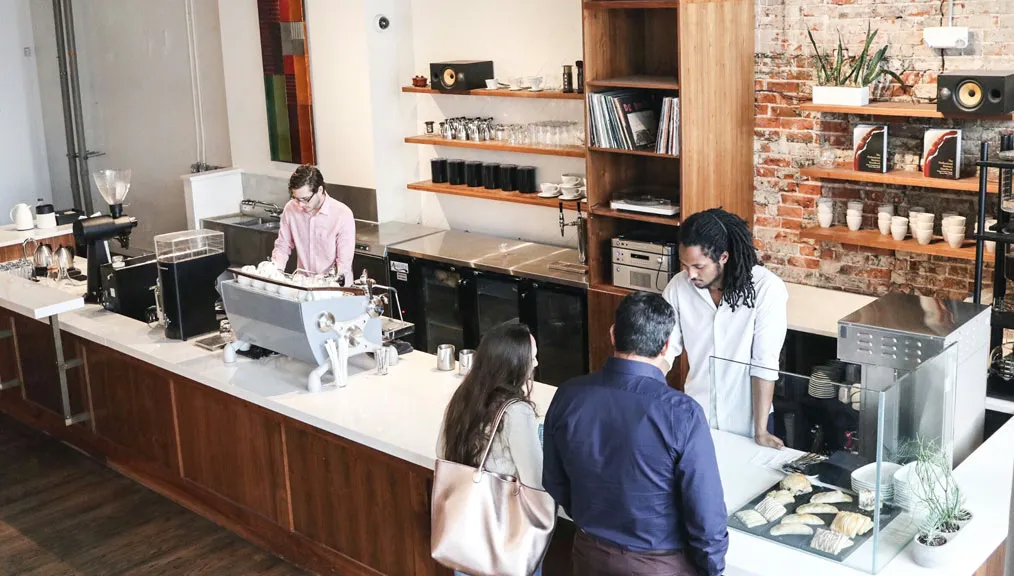
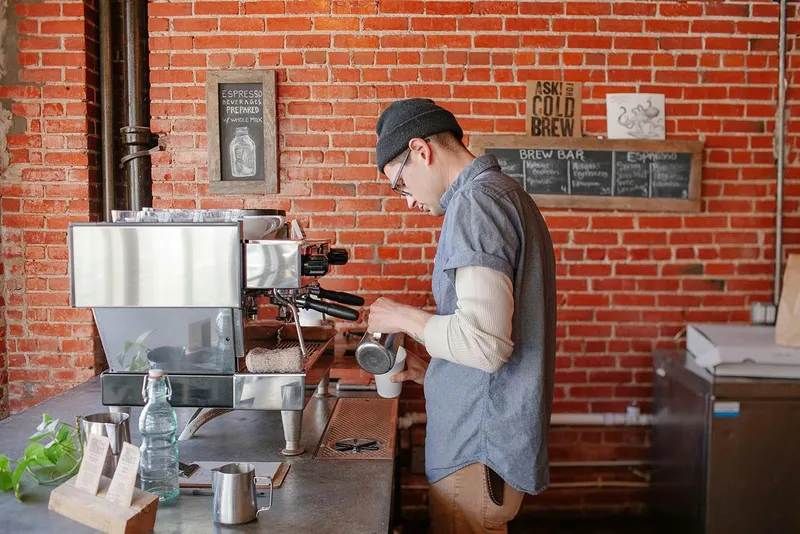
Jon Allen: It’s a coffee bar, and we serve traditional drinks much as other shops do. But we also do a great deal of sample roasting, and I consult frequently for importers. I’m a Q Grader, so sourcing is handled entirely in-house. Our roaster sits out front, the way it would in a roaster-retail shop, and we hold plenty of classes there too. Rather than simply opening a bag and finding coffee already there, customers get a window into part of the roasting process; as we sample, roast and cup, they can watch that whole process unfold. It felt more like a lab, and our idea was the place where science and art meet—that’s what we wanted the customer to experience as well.
Q: What is the third-wave scene like in Northwest Arkansas?
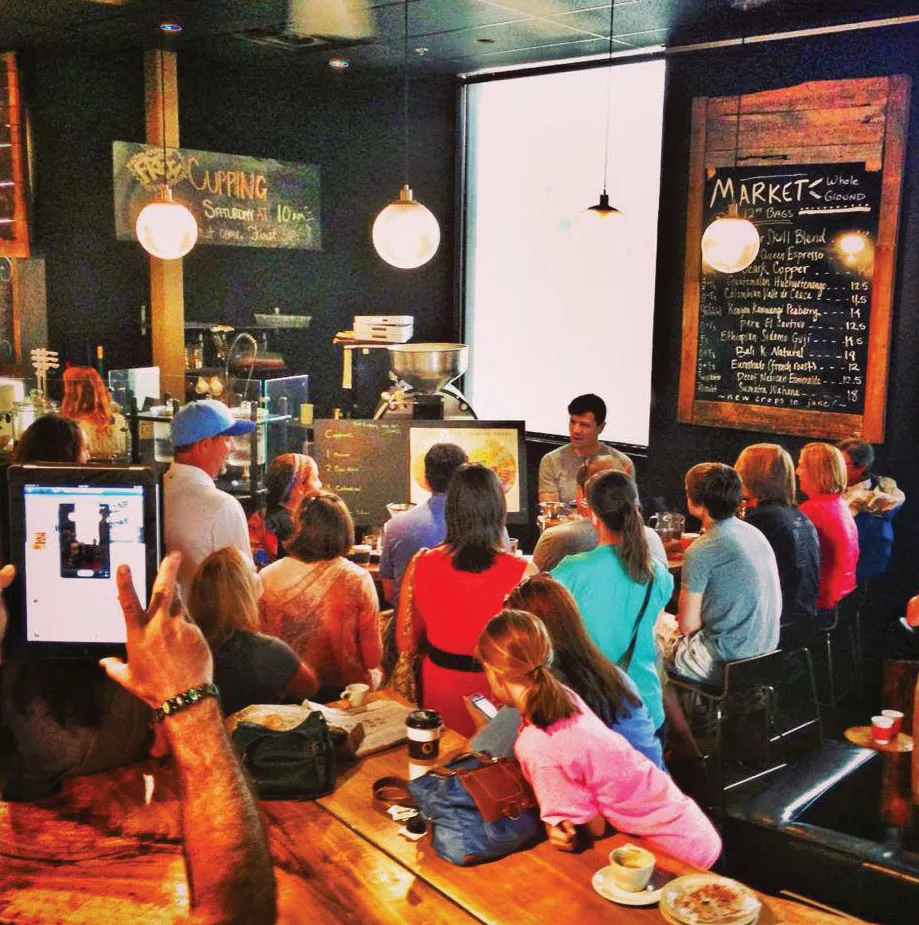
Andrea Allen: Third wave is new to our area. There are many coffee shops and some roasters around town, but they lean more traditional. As far as modern roasting and manual brewing go, we’re probably one of the first third-wave shops here. It’s been enjoyable to do it in this region, and our customers have shown real interest in what we’re doing and how it’s different. In that respect, our public cuppings have been genuinely fun, informative and educational for them.
JA: Looking at the population here, there’s still plenty of room to grow. Northwest Arkansas is an interesting area because three of the largest companies in the world are based in this small town [Walmart, Tyson and J.B. Hunt Transport Services], so you get a strange mix of big urban money and a hippie-farm style. People are fairly open-minded, and there’s enough culture to support those who try something that may cost a little more or be a little more refined.
Q: What comes next for Onyx?
AA: In the next year or so, we’d like to find a larger multi-use space for roasting and production. We’re somewhat outgrowing our space at the Springdale store, so we’re looking for a location that could house the roaster and offer more room for green bean storage and training. I’m active in the Barista Guild of America, and I’m very interested in trying to bring some SCAA education to our area, because I think there’s a lot of interest in those organizations around here. Right now, taking a class is really expensive because the camps and expos are mostly on the coasts. We hope [the roastery] can eventually serve as a training lab.
JA: We’re trying to get a lot of our baristas involved in [the Barista Guild], but when you’re centrally located it’s extremely difficult to be heavily involved. Still, we were involved, and it helped shape what our business is today.
Q: It sounds as though you’re committed to strengthening specialty coffee across the region, not only at Onyx.
AA: I personally believe that if every shop in our area had access to more education and higher-quality beans, it would actually benefit everyone. More public education would happen around questions like “… why does this coffee cost $4.50 when I can get coffee for $1 at a gas station?” If everybody raised their standards, it would help all the shops do better.
JA: I think that’s really starting to reach the Midwest, and we’re hoping it will have a big outpouring in Arkansas … the Kansas City [Mo.] coffee scene becoming quite a bit bigger has helped influence or at least make it acceptable for other surrounding areas to join that scene, whether it’s going back and forth to barista competitions or latte art throwdowns. We’re about to host our second throwdown, and it’s been great to see all the cafés in the area come out and really just support the industry as a whole. All of that reflects on the producer at the end of the day—you know, why maybe the cost here is a little higher. That chain of sourcing starts to make sense in a heartbeat when you see how many hands are involved in the coffee to begin with.