Making Twitter Work for Baristas: Education, Promotion, and Genuine Engagement
A practical look at how baristas can use a short-form social platform to learn from industry leaders, promote their cafés, and build a professional presence without overdoing self-promotion.
By Reese Hayes2 min read
Why Baristas Should Participate
A short-form social platform known for brevity can serve as a surprisingly effective marketing and networking tool for coffee and tea professionals. The people and businesses already leveraging it include retailers, roasters, wholesalers, green coffee buyers, tea blenders, and beverage writers. Baristas, too, can gain a lot from maintaining a thoughtful profile and engaging with others—whether they want to showcase latte art, draw attention to their café, or raise money for professional projects.
Being active on such a platform means joining a conversation that never really stops. Coffee and tea lovers around the world are constantly brewing, tasting, and posting about their favorite drinks at all hours. Baristas who take part in that ongoing exchange can stay relevant, remain in people’s minds, and keep up with a shifting industry.
We spoke with Emily McIntyre—coffee and tea writer, barista, and contributor to our site—about how she gets the most out of the platform. “Twitter allows a new barista in Anacoco, Louisiana, to ask a World Barista Champion a coffee question, or contribute a valid perspective to a worldwide debate,” she says. Yet the advantages go beyond instant contact with peers. Below are a few suggestions for making the most of this digital gathering place.
Learning from the Community
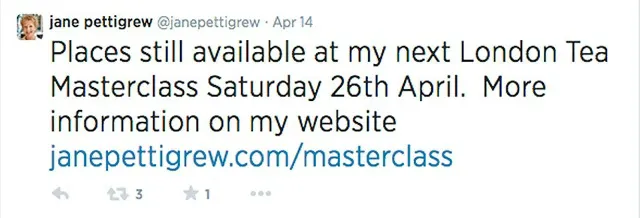
Many of the most respected thinkers in coffee and tea maintain an active presence on the platform. You might follow a link to Oliver Strand’s newest article on third wave coffee, or check the schedule for Jane Pettigrew’s next Master Class—either way, a feed filled with industry leaders offers constant learning opportunities. You can pick up techniques from fellow baristas, discover coffee culture in other countries, stay involved with the Barista Guild, and even get recommendations for a standout micro-lot coffee or a second flush Darjeeling.
Promoting Your Work and Your Café
No matter what people claim, this platform is very much about visibility and being heard. Everyone has something to promote—themselves, their employer, or a cause they care about. For baristas, that often means the café where they work. Posting attractive drink photos and tweeting about menu specials are just a couple of ways to increase foot traffic (and tips) by tweeting actively. Alternatively, you might want to promote yourself—or rather, establish your expertise—so that when opportunity comes looking for the next great roasting apprentice, you’re the first person who comes to mind. Or perhaps you’re a barista with a plan that requires startup capital. In that case, and in general, a good rule for the platform is to give more than you receive.
“Re-tweets and sharing others’ content is essential, as is interacting with others in a value-adding way,” Emily says. Tweets should be thoughtful, friendly, and genuine. Excessive self-promotion tends to put people off and won’t attract new followers or retweets. The larger the following you build, the more momentum your crowdfunding campaign will have when the time comes to buy that new coffee truck—or your first Loring roaster.
Stay tuned for the next column on the barista’s role on Twitter.