From First Hello to Final Sip: Sharpening Your Skills as a Sensory Guide
Practical, low-pressure approaches to deepen your sensory know-how and lead customers toward drinks they’ll genuinely enjoy.
By Jordan Turner4 min read
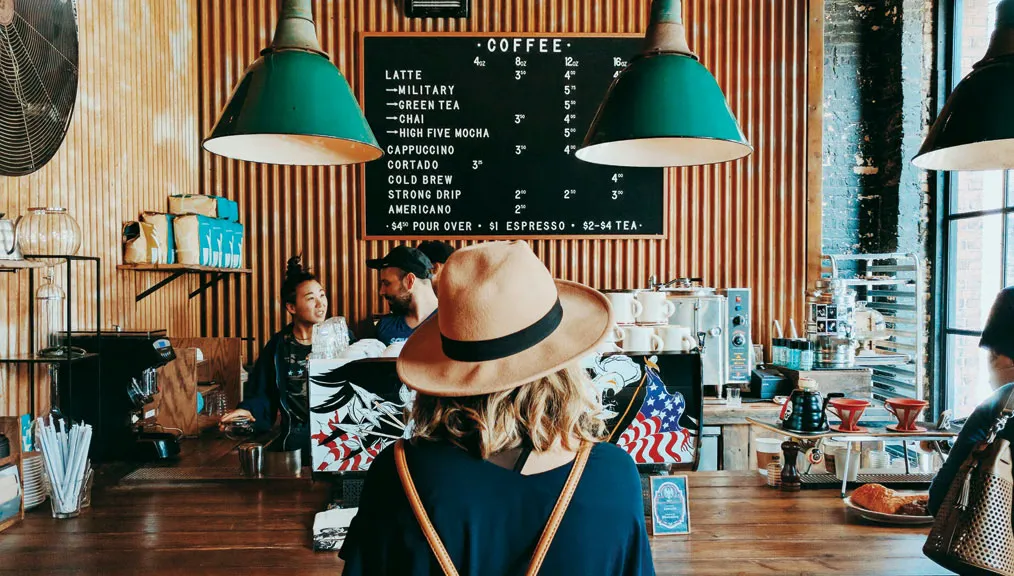
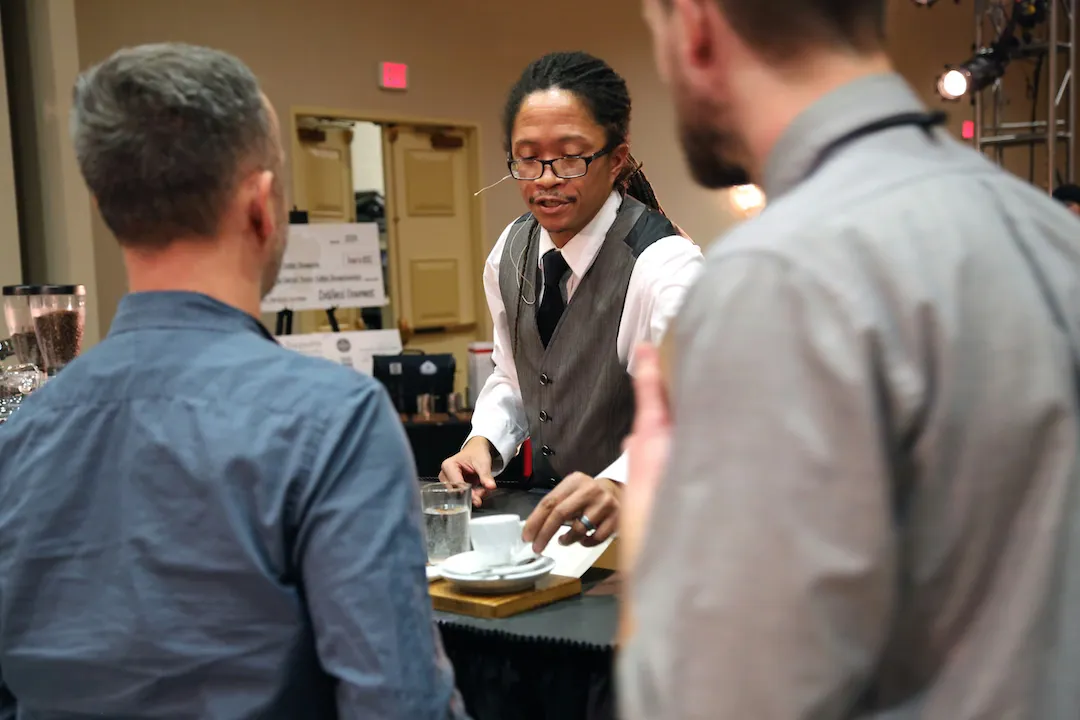
Barista: Hi there! How’s your day going?
Guest: Pretty good, thanks!
Barista: What can I get started for you?
Guest: Not sure yet—what would you suggest?
Variations on this exchange happen every day in cafés everywhere, and it’s a prime moment to connect. Whether the person is a first-timer or a regular, those opening words can either pull them in or send them heading for the door.
In many shops, the person behind the bar has to juggle several roles at once: greeter, brand ambassador, product authority, and attentive listener who can pick up on cues and meet customers at their level. Entering a café is, in a sense, the start of a sensory trip. Your aim is to make sure the final stop is a smooth ordering experience and a drink that hits the spot.
Below are some approaches to steer that trip by building rapport, posing good questions, and expanding your sensory vocabulary.
Building the Right Drink
Even though customers know more about coffee than ever, every specialty café operates like its own little culinary world with distinct conventions.
When you ask people what they enjoy, it pays not to presume:
- That every customer wants a full guided tour of the menu.
- That they will share your tastes or gravitate to whatever is trending.
- That they even grasp what they’re asking for.
Most people come in with a single aim: they want something tasty that fits their preferences—and helping them find it is your job. A few tactics can help customers zero in on what they want:
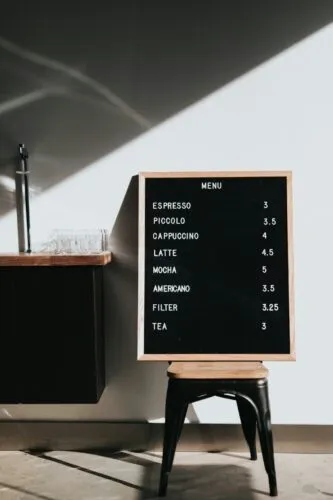
Orient guests to the menu. A brief rundown of what you offer can make the choices feel less overwhelming. Once you know which broad category they’re after—a classic espresso drink, something flavored, or brewed coffee—you can narrow things down with more specific options and descriptions.
Set your own tastes aside. It doesn’t matter that you think drinks with Ecuadoran cocoa are the best thing going, or that nothing beats the wild berry and floral notes of a natural Ethiopia Sidama. Your customer might dislike chocolate or prefer a nutty coffee with cream and sugar. Even when they ask, “What’s your favorite?” I like to turn it around with, “What do you usually enjoy?”
Practice neutral descriptions. As a sensory guide, think of yourself as leading customers on a flavor journey. When they ask, “What does X taste like?” avoid answers like, “Oh, it’s really good!” or worse, “It’s not my favorite.”
Instead, aim for plainer descriptors. “Our lavender honey latte is a mildly sweet drink featuring local wildflower honey with a light floral taste,” or “Our Ugandan pour over is an earthy coffee with molasses and cocoa notes roasted medium-dark.”
Training Your Senses
Part of matching customers with drinks that meet their expectations is having a solid command of sensory descriptors. There are many ways baristas can grow more confident in their sensory abilities and more skilled at guiding customers.
Set up coffee cuppings. Knowing SCA cupping protocols is useful for those pursuing Q Grader certification. Even so, you can adopt a simplified version of the SCA’s outlined protocols to help build your sensory vocabulary.
Arrange a table with a range of coffees and challenge yourself—and your coworkers—to identify them correctly, with discussion encouraged along the way. This exercise can help you learn to recognize each coffee’s qualities and get ready to talk with customers.
Keep it fresh by varying the cupping theme—try a session focused on light roasts, various washed coffees, or all African beans. Consider swapping coffees with nearby shops or trusted colleagues. If your shop roasts, ask about ordering samples to gain exposure to coffees not in your current lineup.
For more advanced practice, pick several single-origin coffees and blend them with one base coffee. For instance, you could use Mexico, Ethiopia, and Guatemala coffees for the cupping, with a coffee from Sumatra as the base. Cuppers can then challenge themselves to identify the origin along with the common denominator.
Seek out sensory opportunities. Smell and taste everything! You should be familiar with all the drinks on your menu and your beans prepared using various brew methods. Consider periodic pastry pairings, and try tasting chocolate, spices, and various fruits so you can focus on the differences between each—is the acidity of a peach the same as the acidity of an apple, for example. Le Nez du Café or other aroma kits are also great learning tools.
Triangulation cuppings—where three cups of coffee are set together, and two cups are the same and one different—are fun and easy to set up. This is more challenging than it seems, and the more similar the coffees, the tougher the exercise.
You can also delve into the science of tasting. For example, super taster test kits allow people to discover if they can detect various, often bitter, compounds. These kits, which are usually inexpensive, help you understand your taste sensitivities, often genetically determined, and also drive home the point that others may experience tastes differently.
Be a lifelong learner. An academic approach to coffee helps promote continual learning and professionalism. Our industry is constantly evolving, especially when it comes to sensory topics. Become familiar with the new Sensory Lexicon and Flavor Wheel. Read trade publications and books on coffee. You could even start a book club and discuss ideas with your coworkers! There are also helpful online resources, including apps and how-to videos.
Finally, keep the sensory realm accessible and encouraging for everyone. Things always taste better when people enjoy the experience!
Cover photo by Patrick Tomasso
Teresa Pilarz is an SCA specialized instructor and chief caffeinator at Espresso Elevado.