The Craft Behind a Barista's Fifteen Minutes on Stage
Eden-Marie Abramowicz of Intelligentsia shares how flavor expectations shape the competition routine that took her to the national stage.
By Jordan Scott3 min read
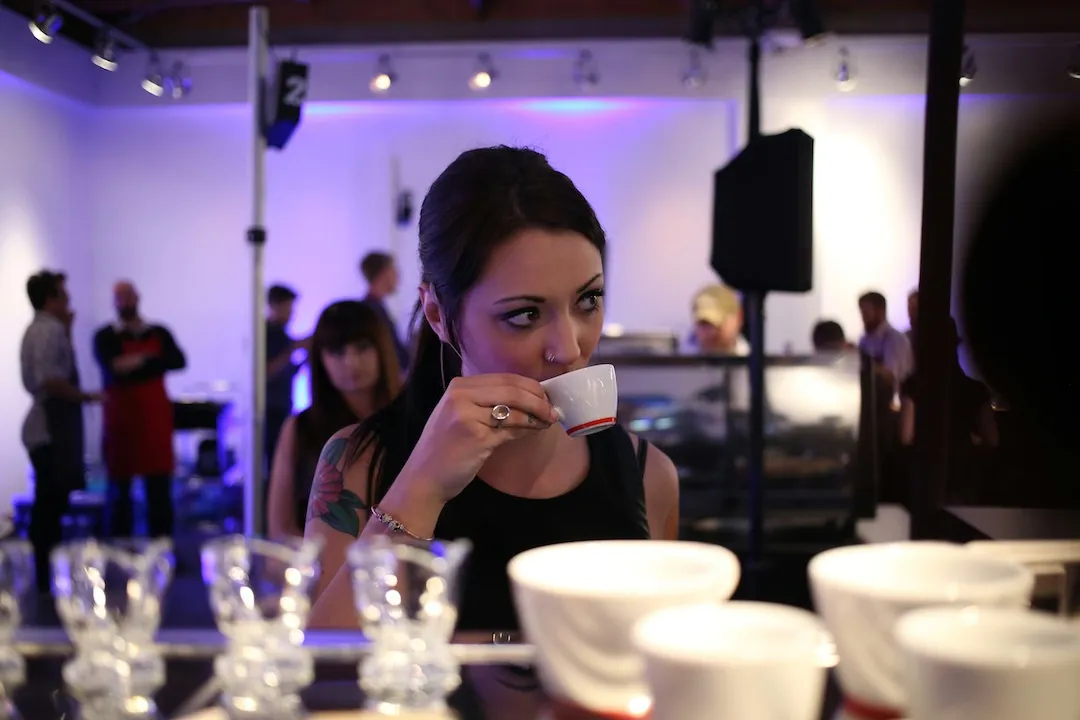
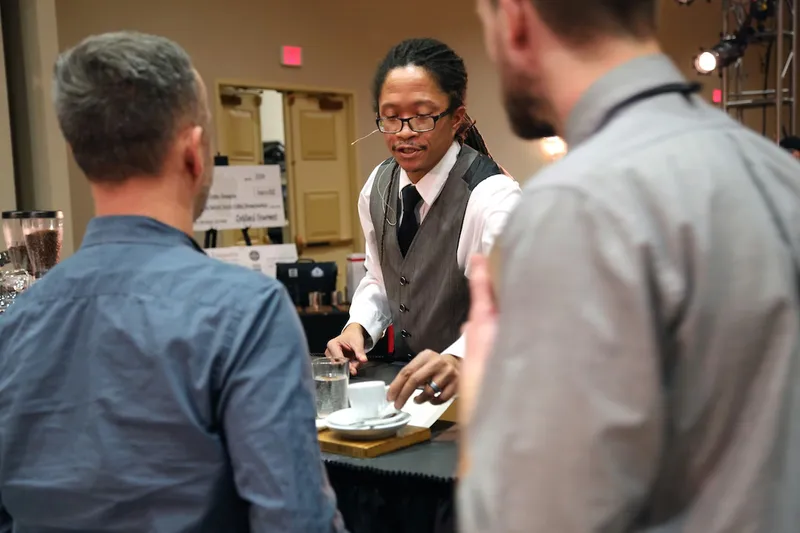
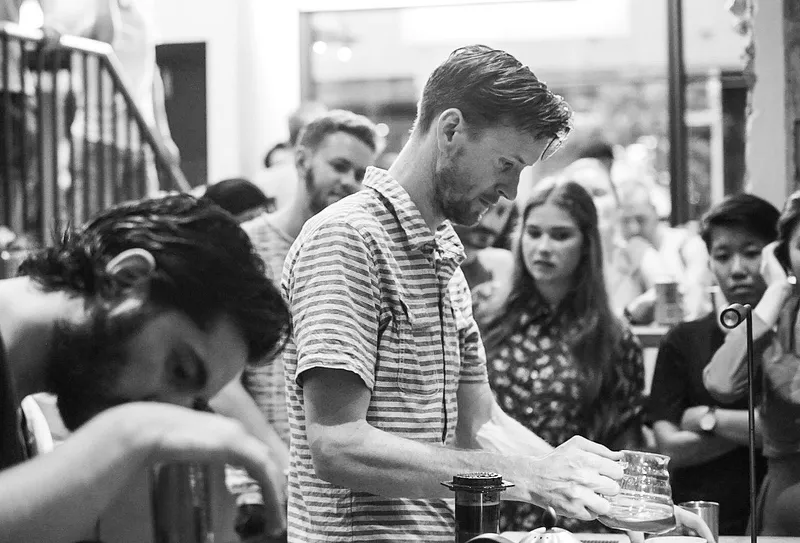
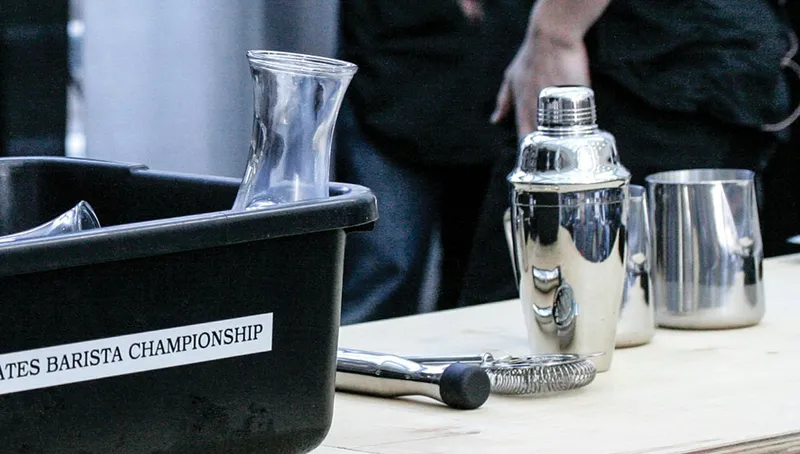
The US Barista Championship offers an annual look at coffee’s more serious side. When competition season arrives, baristas set aside their familiar aprons, dress professionally, leave their customers for a time, and enter a space of interactive expertise. There, a standout signature drink and a flawless rosetta can turn them into stars.
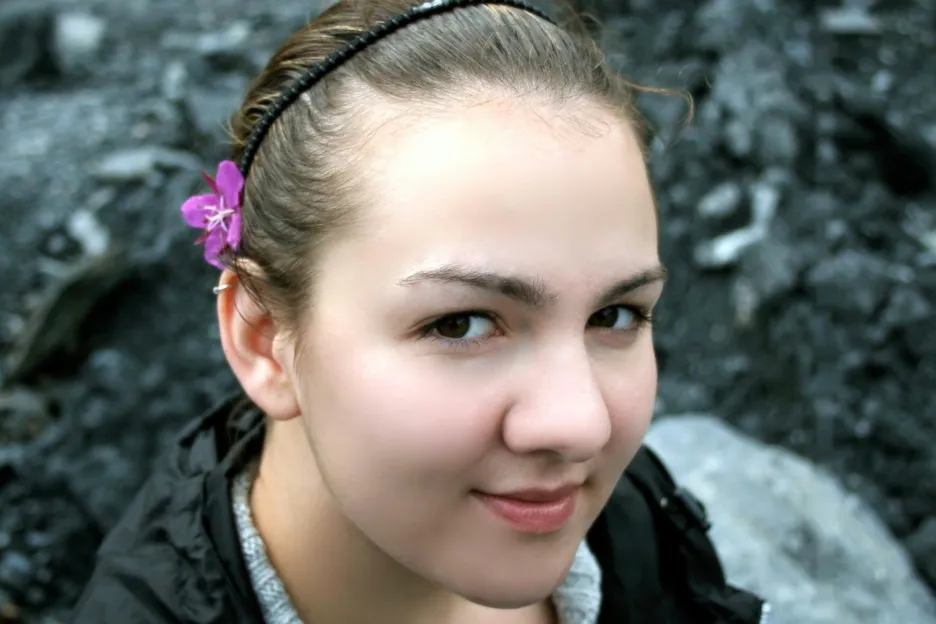
Intelligentsia’s Eden-Marie Abramowicz has been involved in coffee competitions since 2010, both as a competitor and as a judge. The twenty-three-year-old took second place in this year’s Big Western southwest regional—she won the same competition last year—which earned her a spot at the USBC, the country’s most prestigious coffee showdown. As manager of Intelligentsia’s Silver Lake location in Los Angeles, Abramowicz trains throughout the year for competition, always looking for flavors and ideas that can become a memorable fifteen-minute performance. Beyond prestige, she is after inspiration at the highest level of the craft. Below, she explains why she takes the stage and walks us through the beverage that gave her a shot at a national title. —Regan Crisp
The most difficult part of competition is figuring out what you will discuss with the judges. Many of my topics come from interesting conversations with my staff and customers. Their questions push me to learn more about a particular subject, and I turn that subject into a routine. The real task is deciding how to serve tasty drinks that reinforce the topic you have chosen; the signature drink must be an enjoyable recipe and also a deeper explanation of the question you raised.
This year my topic was flavor descriptors. I grew interested in how they shape expectations and the overall experience customers will have with the coffee. When we cup coffees blind, we are pushed to taste different things and to find vocabulary we do not always use. But if someone tells you that you will taste three specific things, you are strongly influenced. You will find it easy to pick out those flavors in the cup.
To illustrate this idea at the Big Western, I used Takesi from Bolivia, believed to be the highest-grown coffee in the world. I began by giving a lot of information about the beans. Coffee professionals can hear specifications and statistics and form expectations from them. For example, if someone says Kenya, we automatically expect a certain taste—high in acidity, blood orange, currant. The question I wanted to address was: What if it defies our expectations? Does that disappoint us? Or could the unexpected be cool and great to experience?
I set out a tray of sixteen different ingredients representing flavors that I felt a coffee professional would expect from a Bolivian coffee. Before serving the judges anything, I asked, “I gave you a lot of information on this farm. What do you expect?” They were able to choose one flavor. I knew their choices would influence how they tasted and what they perceived in the cup. I then took whichever ingredients they selected and used their expectations to create the final signature drink.
I look for competition ideas all year. We have a competition season, but the rest of the time is when I develop my palate. I go to the farmers’ market every week to try new produce and find new flavors and ingredients, such as fresh dates. We all know dates as caramelized, soft, sugary things. But before that stage, fresh dates are full of tannins, crispy, and share a lot of similarities with coffee. Or finger limes, which are tiny limes with almost caviar-like bubbles inside. They are sweet and delicious and have a really interesting texture. I seek out unusual things like these, and from them I draw inspiration.
We have competition season, but the rest of the time is when I’m developing my palate.
Competing demands a lot of time and hard work. But it excites me to bring new ideas back to my staff and customers at my shop—whether it is the routine I have been working on, which changes how I communicate with customers and how I train my baristas to communicate, or the inspiration I find watching other competitors: the flavor descriptors they use, their coffees, their ideas about hospitality.
It is nice to be in the top six, because you get to perform your routine that much more. But truthfully, if I did all this work and no one got to see it, it would still influence how I am at work, how I interact with the staff, and how I interact with customers. Competing helps me think about what we do day in and day out from a different perspective. Competition makes me step back and look at our work on a deeper level.