Coffee Activism, Part 2: Forging a Path Ahead
Born as a grassroots movement in the United States, coffee activism has since expanded into an international force uniting professionals across the sector. Part Two examines the organizations and individuals in the United Kingdom and Australia working to make the industry more inclusive.
By Dakota Foster11 min read
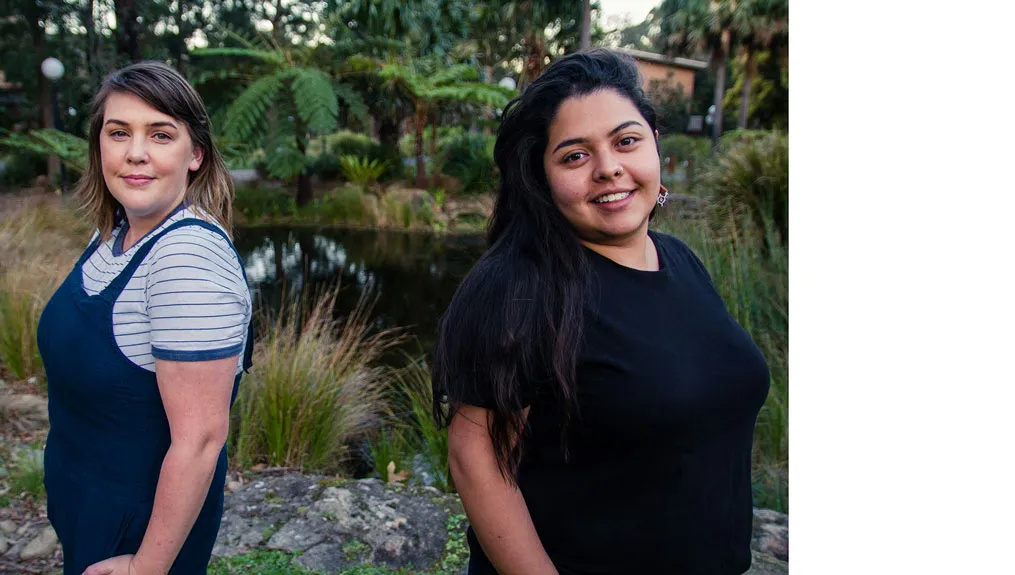
What began as a grassroots movement in the United States has grown into an international force that connects people across the coffee sector. In the wake of #MeToo, coffee professionals have come forward with their stories, and those accounts have helped fuel efforts against sexual assault, intimidation, and harassment. As with any movement seeking change, broader participation improves the odds of disrupting the status quo. This is Part Two of Coffee Activism.
Organizing for Change
The U.K. coffee industry is established, respected, and professional—yet for a long time it has left out women, people of color, LGBQTI+, and non-binary people. The Kore Directive, a London-based nonprofit, was founded to support women in coffee and to push back against that exclusion. It held its soft launch on November 15, 2018, at Volcano Coffee Works (VCW) in Brixton.
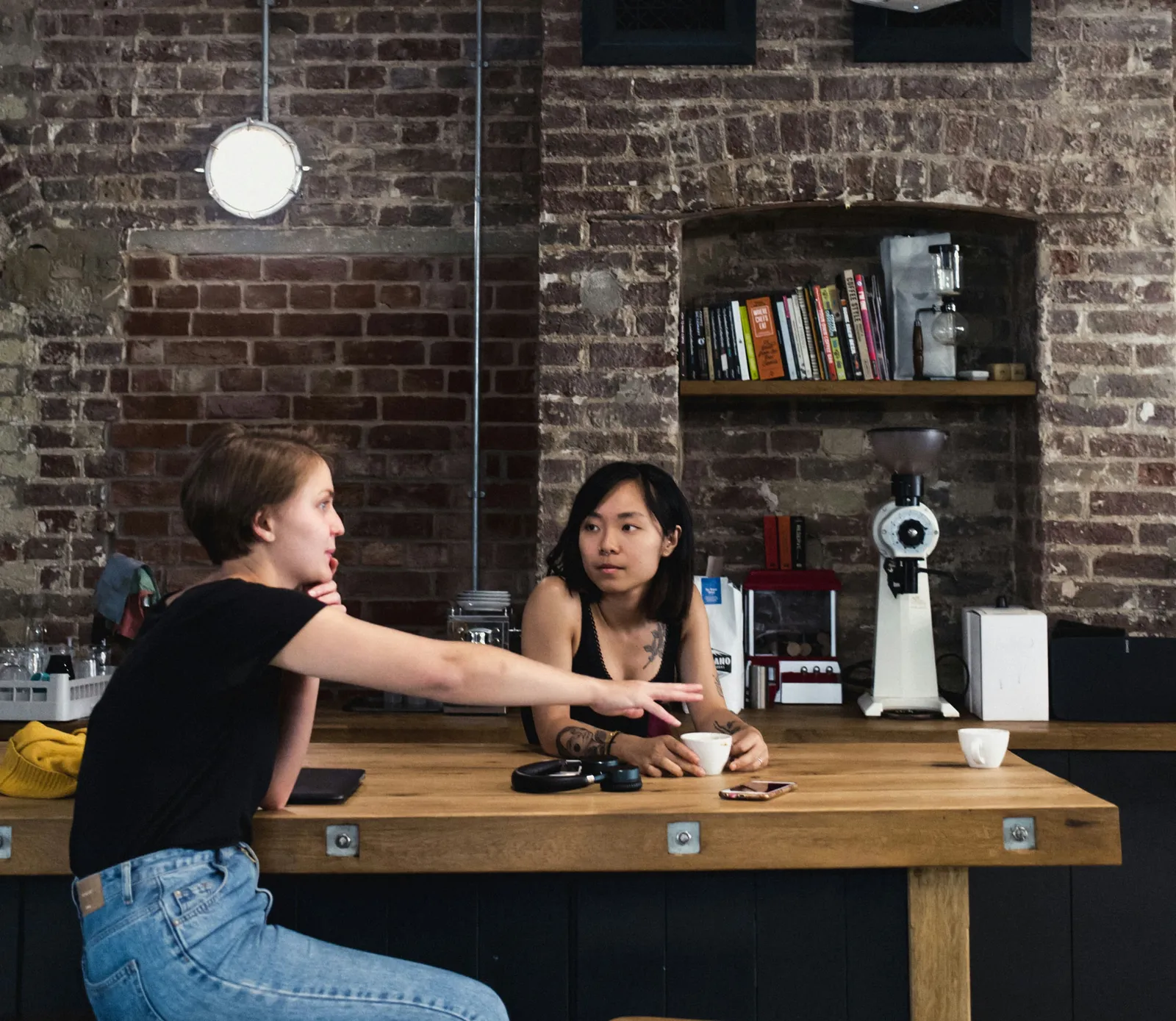
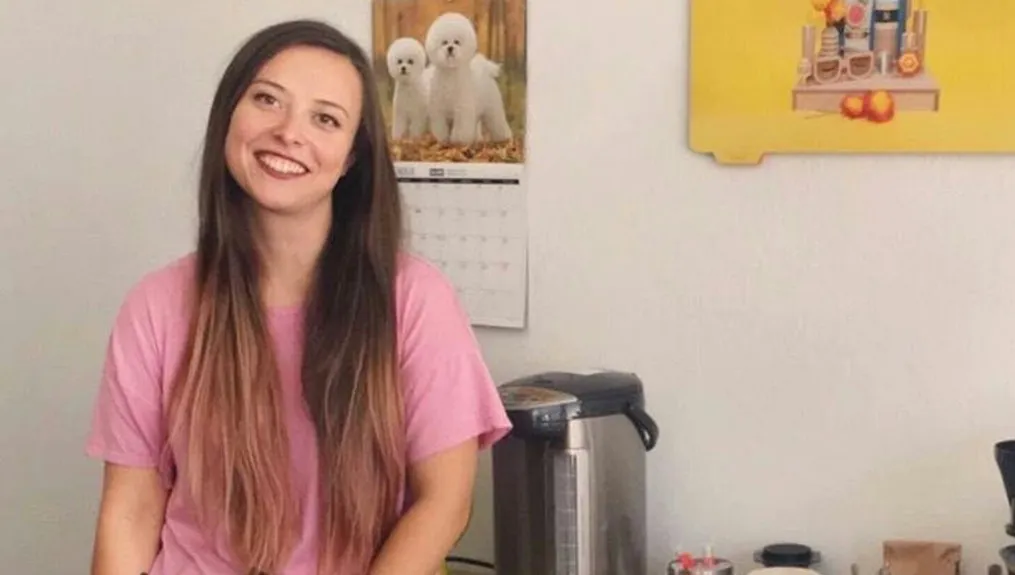
Above, The Kore Directive founder Sierra Burgess-Yeo
"Our soft launch was a blast—it was incredible to see people coming together and to have a largely womxn-centric atmosphere at the venue," says Kore founder Sierra Burgess-Yeo, who is also a barista and manager at the Department of Coffee and Social Affairs' Facebook Headquarters. "I think most people felt it most keenly through the cupping and the networking, and that it was a natural, neutral space for all of us to get to know one another."
Yeo started Kore after feeling "angry and upset" about the state of the industry, and she wanted to "make sure these feelings had some positive impact."
The organization has two strands. One is a monthly social gathering where coffee professionals of any gender meet and network; these events also feature panel discussions or guest speakers on a range of topics concerning women in the industry. The other strand consists of practical workshops in which a small group of women learn various skills. Yeo says the Specialty Coffee Association inspired this side of the work, because many of its courses are "quite inaccessible and expensive—we wanted to provide an alternative."
The first event was a no-waste latte art competition held at VCW with Oatly on January 10. Other planned events center on conversations about coffee and mental health and on how female competitors prepare for coffee competitions.
Yeo adds that although gender equality in coffee is beginning to be discussed and people are having more informed conversations, the U.K. industry remains very much in the early stages.
"It comes down to cultural difference and down to the fact that we just don't talk about it as much," she says. "It is quite systemic and quite insidious; there aren't many open conversations. As far as I know, this is the first of its kind [in the U.K.], which is really quite shocking."
"We want the Kore to be stable, routed, and organically grown," adds Yeo. "We want this to be around over the long term and hopefully, this is something that we will be able to give back to the community."
Power and Influence
While Kore was beginning to challenge traditions in the U.K., another organization was taking shape in Australia. SAME CUP held its official launch on November 16, 2018, in Sydney. The group works to improve the success, empowerment, and visibility of women and LGBTQI+ people in the Australian specialty coffee scene.
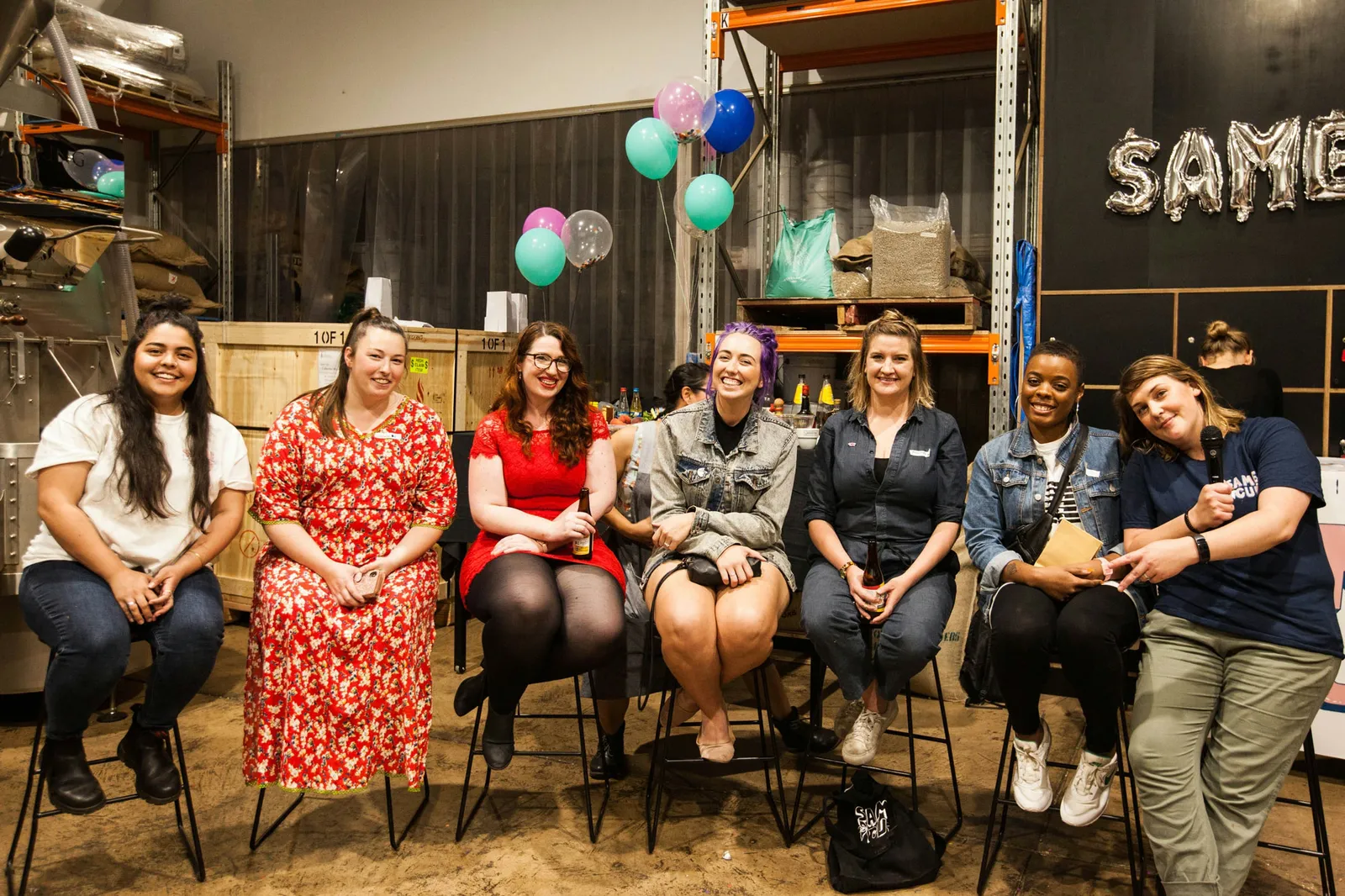
SAME CUP launch party: (from left) Shirin Demirdag, Jessica Gough, Georgina Lumb, Priscilla Fischer, Aislinn Cullen, Michelle Johnson, and Demelza Jones.
Led by Demelza Jones, formerly an account manager for Five Senses Coffee's New South Wales team, SAME CUP brings together events, competitions, spaces, and parties that encourage success through networking, education, and personal development.
"The launch party was as much about celebrating the coming together of a supportive coffee community as it was about giving ourselves space to really hone in on what we want SAME CUP to become in the future," says Jones.
The evening featured networking, discussions, and an "Iron Chef"-style signature beverage throwdown. Jones says that "the competitors all had a great time exploring the possible flavor combinations and methods in a competitive environment that was far less stuffy than the normal comp scene."
Panelists Georgina Lumb, Jessica Gough, Aislinn Cullen, Michelle Johnson, and Priscilla Fisher addressed training, entrepreneurship, café ownership, green bean buying, social commentary, and roasting.
"We had amazing feedback from the panel discussion featuring some of the most incredible women in coffee," says Jones. "Attendees commented that they felt inspired, encouraged, and motivated after hearing experiences that reflected their own."
During the event, Jones set up an interview room where attendees were invited to share their coffee-industry experiences on camera. Reviewing the footage, she noticed several recurring themes.
"Nearly every woman mentioned 'being taken seriously' as a struggle while others also identified ageism and blatant sexism as their experiences," she says. There were also personal accounts of hardship, including how some "had to fight to find opportunities to break into entry-level coffee roles either as a person of color or a trans-woman," Jones says.
By the end of the night, it was clear that SAME CUP was needed. Jones describes the organization as "future-oriented," with an aim to look ahead with "positivity, by necessity."
"We are now, more than ever, committed to the goal of bringing diversity to positions of power and influence in the industry," she continues. "That is the future we want and already we are hearing echoes throughout the community about this shared vision."
Jones' 10-year plan centers on sustained visibility, equality, and awareness. She wants to create a SAME CUP certification so that cafés, corporations, competitions, and events are held accountable for how they run their businesses; they could then purchase the certification to show their dedication to inclusivity and diversity in their work culture. She also has plans for a traveling event that would educate and connect women and queer people in rural areas through coffee.
"I want more diversity in positions of influence and power in coffee," she says. "I want more diversity visible for everyone starting in coffee, so people can go, 'Look at that woman in coffee, I want to be like her.'"
Leadership
When Sasha Jade saw Jones' Facebook post seeking advice on starting SAME CUP and asking the industry whether it was needed, Jade joined up and became a corporate sponsor.
"Anyone promoting that it isn't a fair game for women in coffee is great," she says. "The more that people pop up, and the more women that jump into those positions, and are pushing those ideas, I think the better chance that change will happen faster."
Jade, founder of Sydney's Fat Poppy Coffee Roasters, is a specialty coffee veteran in Australia. She notes that the current wave of coffee activism reflects what is taking place across many industries because of the political climate.
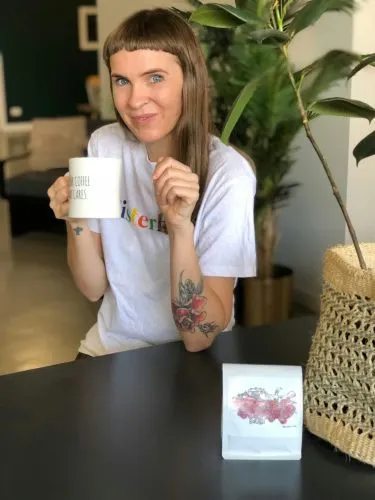
Fat Poppy Coffee Roasters founder Sasha Jade.
"If we look across the globe, you see women everywhere rising up, protesting, marching, organizing, and trying to build power, to get [sexual harassment and intimidation] to stop," says Jade.
"I don't think the coffee industry is unique to that. I think because we are a heavily male-dominated industry, it makes sense that the coffee industry, maybe like Hollywood, is feeling that a lot," she continues. "I think when you have a large proportion of men in a workplace those gender issues really perpetuate more….Over the last few years women are feeling more empowered to speak out, mostly because they realized they are not alone in their experience."
Jade says women have endured in silence for too long and have been too afraid of being accused of playing the gender card.
"Once you play the gender card, you think everyone's going to be like, 'You don't deserve to be here. You only got the job because you're female,'" she says. "So women are overworking to prove their worth."
By the time she started her business in 2012, Jade had already spent roughly a decade in the industry, working across specialty coffee sectors including training, teaching, roasting, buying, and quality control, and she had spent two harvest seasons on a coffee plantation.
"When I went to start Fat Poppy, I had this realization that in the ten years I've worked in diverse roles in coffee I've never actually had a female boss," she says. That realization showed her how much the absence of female leadership had affected her, and from then on she was determined to launch Fat Poppy and apply everything she had learned across the supply chain.
"I was absolutely terrified, and not terrified of the feeling of, 'I don't have enough coffee knowledge,' but terrified of being like, 'Can I actually start a business? Do females actually start a business?'" she says. "And I think particularly when I started in 2012, there wasn't so much of, 'Yeah, go women!'"
Although the men she worked under inspired, encouraged, believed in, and educated Jade, she says the one thing they could not teach her was that "women could be bosses too." "I didn't have any hands-on experience or inspiration from any other women in my career that I could follow."
At that point, Jade says, she had "a lot of confidence with coffee knowledge, but with no confidence that I, as a woman could be a female boss." Despite the self-doubt, she went ahead.
"I decided I had to do this to prove to myself that I could," she says. "[And] with the hope that in the future, simply because I am a woman in a position of leadership who started a company in coffee, that other women would follow and draw inspiration from what I did."
Jade's guiding conviction is that "if you can't see it, then you can't believe it," which she says has driven Fat Poppy.
"I think as a consequence of being in business, the women who've walked alongside me or who know me, have drawn inspiration, and so it's like, 'If she can do it then maybe I can too,'" she says.
Looking ahead, Jade is building a social enterprise that will provide hospitality training for refugees.
"The idea came from feeling lucky to be born in a country full of opportunities," she says. "Even as I say, 'Hey, I'm a woman and it's been hard, and I have definitely had self-doubt,' ultimately, I'm still lucky that I'm in a country where I'm allowed to have those opportunities."
Be Bold
Floozy Coffee Roasters, based in Newcastle, Australia, set out to fill a gap in coffee—the shortage of visible women roasters.
"We just wanted to shake things up," say the two Floozy founding members, Kristy Mujana, aka Kmac, and Priscilla Fisher, aka Cill. "Floozy is outwardly branding itself to be into diversity."
Combining their passion for coffee with Kmac's industry knowledge as a former café owner, the two created Floozy's bright pink brand. Bold, loud marketing and an active social media presence made Floozy stand out and be recognized for what it was: a brand that supports women throughout the value chain.
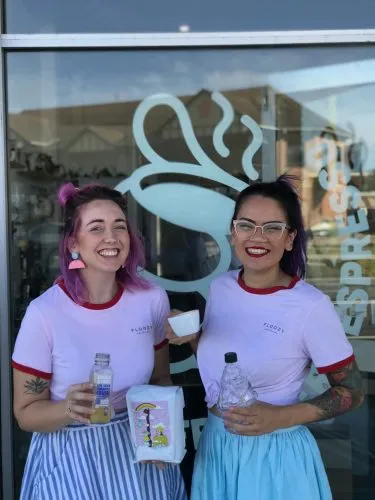
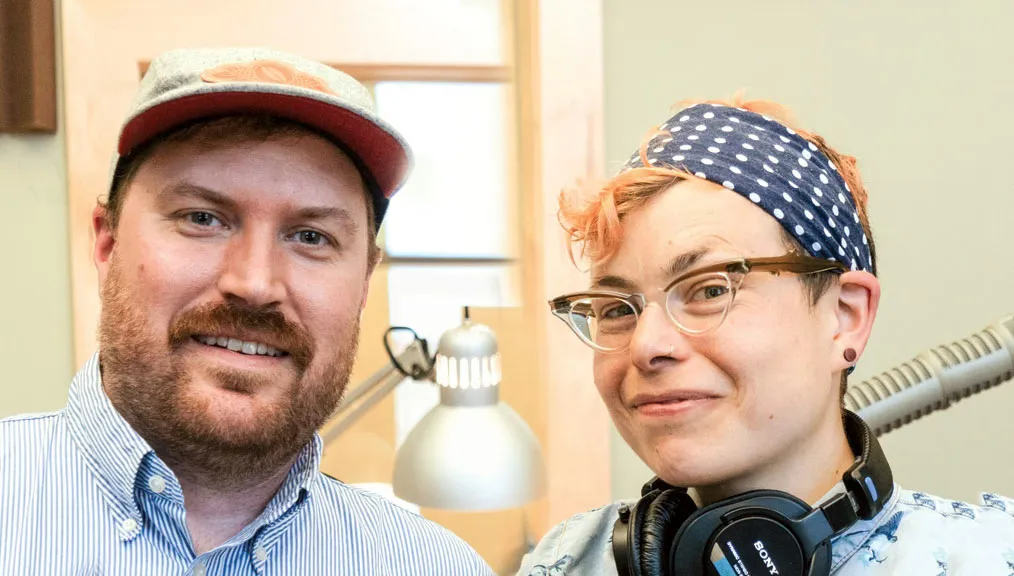
Floozy founders Priscilla Fisher, aka Cill (left), and Kristy Mujana, aka Kmac.
"When we first started, we really expected that only women would get behind our brand," says Cill. "We really just thought, this is so pink, and it's so girly, and men won't buy it, and that's okay."
That assumption proved wrong: the first 10 or so cafés to stock Floozy were all owned by men.
"They were just like, 'Yes! This is what the industry needs,'" says Cill. "And we were really surprised, we didn't think dudes were going to buy it."
Since launching Floozy 18 months earlier, the founders set an important intention: recognizing inequality at the origin level.
"It's only since starting Floozy that we also realized how much inequality there is at origin too," says Cill. "Initially, we came into it thinking, 'We want female roasters to be a thing,' and as we learned more, it became, 'We want female single origins to be a thing.'"
Competitions are another area where Floozy wants to support women further.
"We had our first Floozy-representing competitor competing in the National Barista Championships in Canada," says Cill. "That's been a goal as well, and it's cool to be at a point now where we can support, because obviously women in competition, whether it be baristas or brewers or whatever, is so under-represented."
Expanding their offerings is also a focus this year. For the past 18 months, Kmac and Cill had been renting roasting space from others, but they were soon to have their own roaster in Newcastle.
"[The roaster] has just landed in Australia, we've got a loan, and it'll [soon] get installed," says Cill. Floozy's new roasting space will also serve as a training ground for women who want to learn to roast.
"We are at a point now, where we are in a position of power in our business," says Cill. "I've just submitted my master's, where I did some research into women and land rights in coffee producing countries, and in a few different ways we've built this brand up. We have this global recognition, so we are in that position now where we can reach out to the younger generations that are coming through."
Doing the Research
While working on her master's, Cill also began collaborating with the International Women's Coffee Alliance (IWCA) to compile gender-segregated data at origin, since such research does not currently exist.
"You can't really implement any effective development policies, if you don't know the demographics of the people you are trying to reach," she says. "We don't really have much of an idea of how many women are producing coffee, and what kind of land they have access to, or what they own, or their access to credit."
IWCA advances women's empowerment in the international coffee industry by supporting a global network of independent, self-organized, self-governing organizations, and it is severely underfunded. Floozy has therefore been organizing fundraisers, including helping to create a program for International Women's Day on March 8, when more than 30 cafés across Australia raised money for IWCA's Research Alliance.
"We are severely under-resourced," says Ruth Ann Church, IWCA board member and Research Alliance Chair. "So the fact that Floozy and other roasters and cafés are fundraising on our behalf, supporting research and broader goals of livelihood improvement, is tremendous."
Through their collaboration, Floozy and IWCA are working toward a stronger future for women in coffee.
"This is finally a time where women are uniting in their stories," says Floozy.
As women and marginalized professionals in coffee keep uniting, the future of specialty coffee looks bright.
"The more diverse voices we have, the stronger specialty coffee will be," says Jones.
"The ball has started rolling," adds Jade, "and there's no stopping it."
FIND MORE INFORMATION ON THESE ORGANIZATIONS:
Fat Poppy Coffee Roasters
Floozy Coffee Roasters
International Women's Coffee Alliance
The Kore Directive
SAME CUP
Click here for a list of more resources and organizations for coffee professionals around the world.