At This Austin Cafe, Inclusion Is Brewed Daily
A coffee shop in Austin has turned everyday operations into a statement of support for LGBTQIA+ employees and patrons, offering paid leave during protests, fundraising for trans youth, and a living wage.
By Jordan Evans6 min read
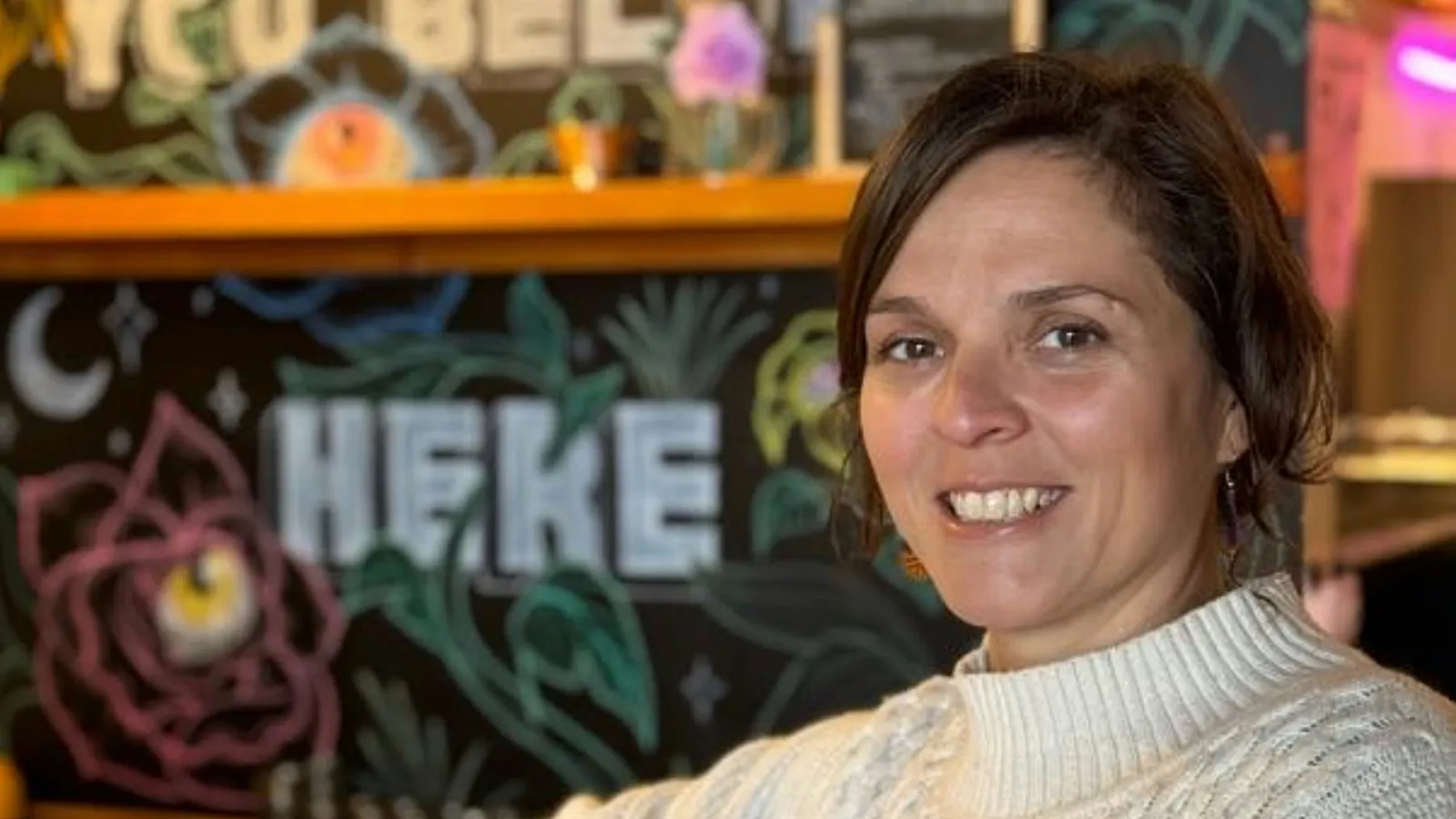
When Randi Hensley watched the results of the 2016 US presidential election come in, she felt her coffee shop needed to do more than quietly signal its support for marginalized groups.
Epoch—pronounced e-pock—had been a fixture in Austin, Texas’s North Loop neighborhood since 2006, and had long backed women’s rights, the LGBTQIA+ community, and other groups facing discrimination. But the rising threats during the Trump administration pushed Hensley to take a louder, more visible stand inside the shop.
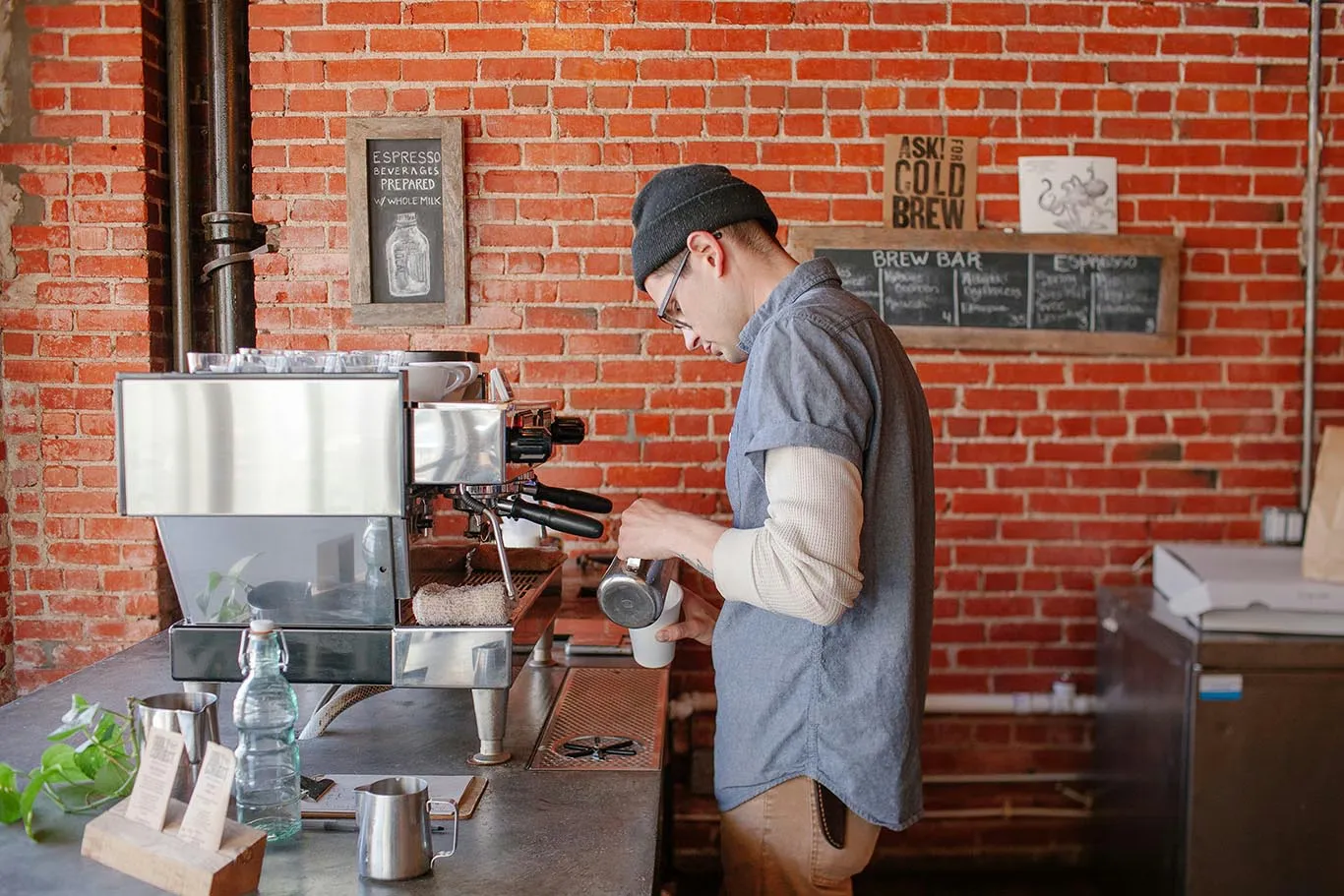
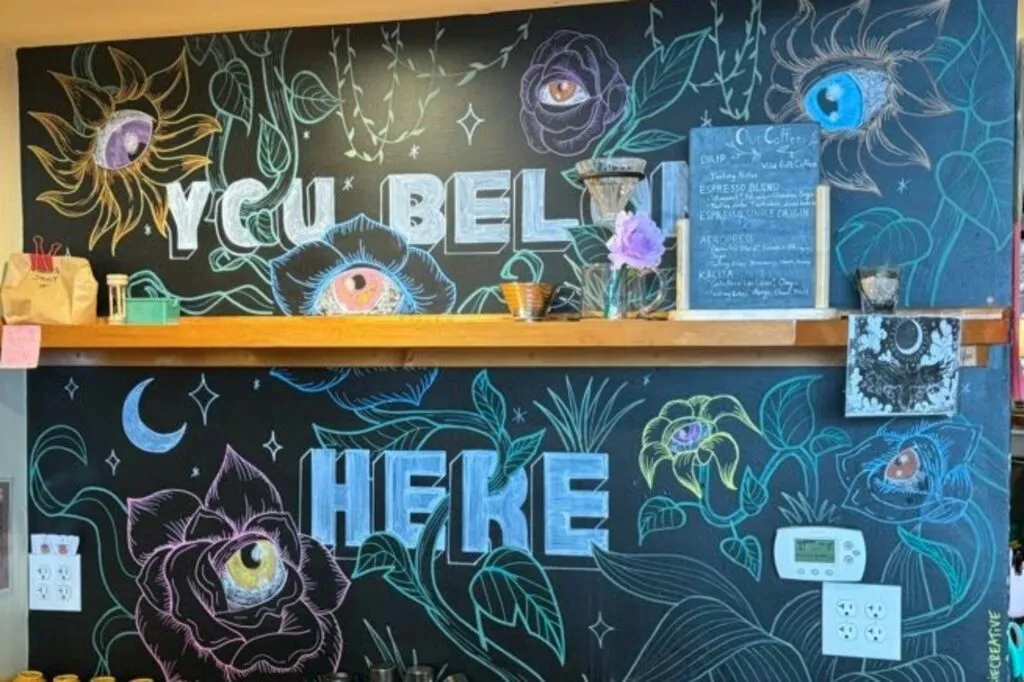
Step through Epoch’s door and the message is unmistakable. A pride flag fills the window. The store’s unofficial motto, “You Belong Here,” is printed on a bandana draped over the espresso machine and appears on the entrance door.
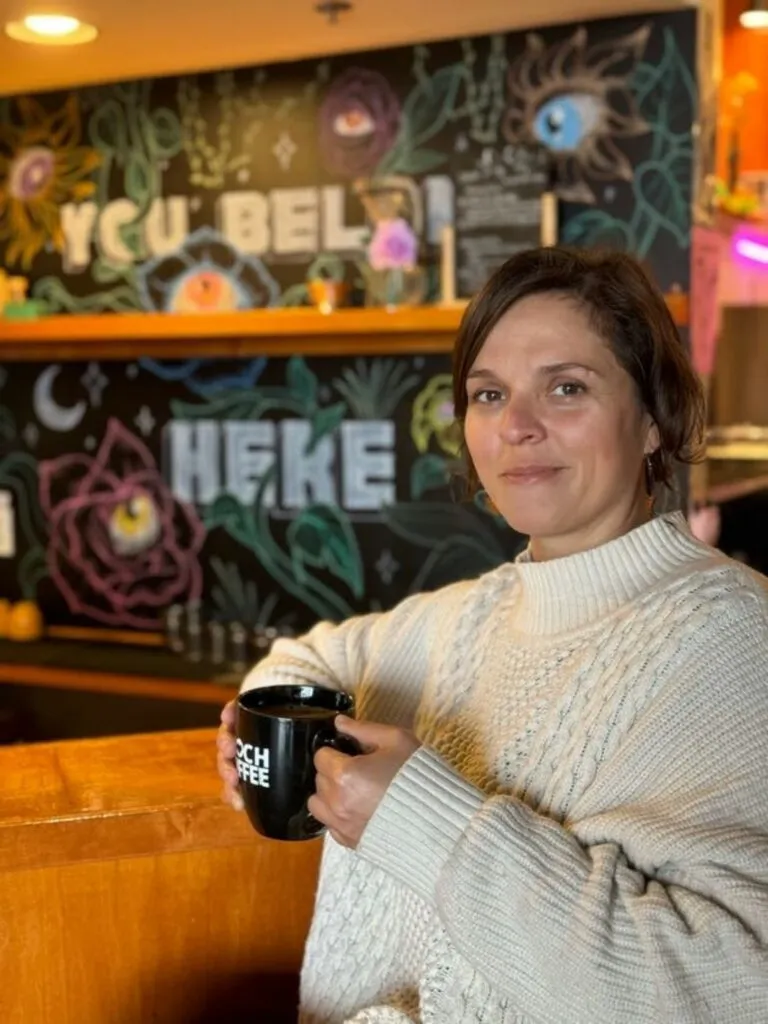
Randi Hensley
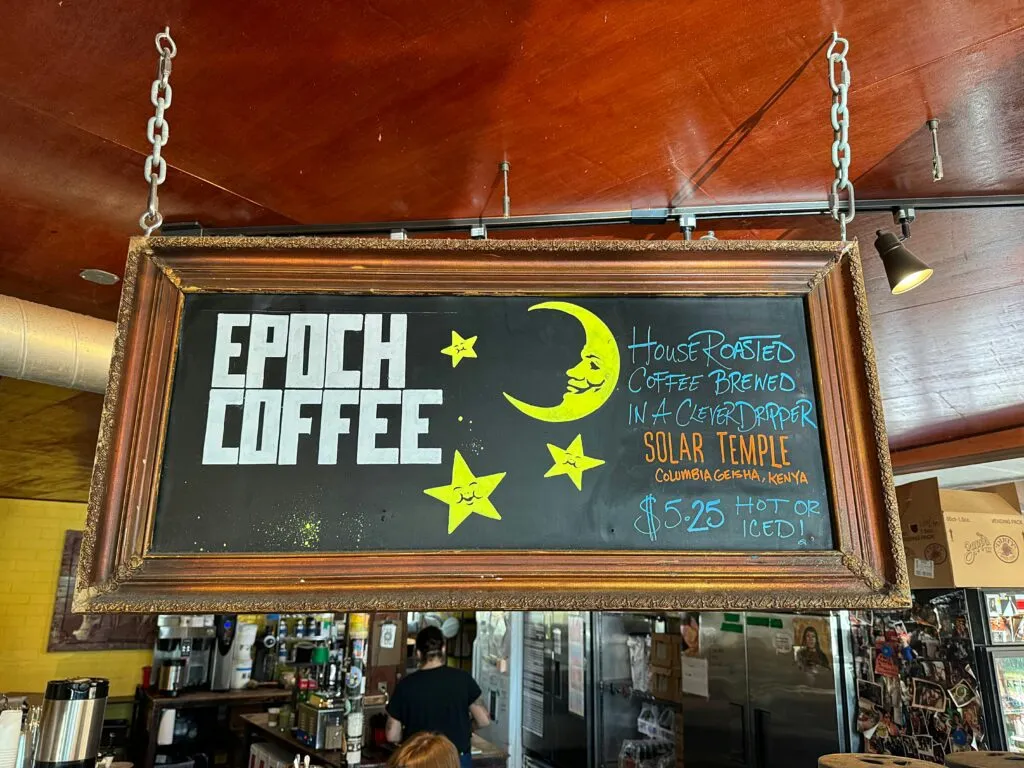
Epoch now roasts its own coffee and operates three retail locations across Texas’s capital. Hensley co-owns the business with Chris Clarkson, who also serves as head roaster, along with Kevin Gary and Joe Rodriguez. Together they have built Epoch into a place that explicitly welcomes everyone. The shop regularly hosts fundraisers for local causes and gives staff time off during demonstrations—such as the protests earlier this year against anti-LGBTQ+ bills passed by the legislature.
We spoke with Hensley and Schyler Renee, general manager of Epoch’s Far West neighborhood location, about the shop’s principles, how it supports its staff, and how it has sustained a legacy of backing marginalized communities—while still serving excellent coffee.
What is it like to work at Epoch, and how does the shop put its values into practice?
Renee: More than half of the employees here are queer or trans. Even without that, the values I’ve picked up from working here are deeply community-oriented. Coffee shops have historically been gathering places where people talk and exchange ideas. Epoch loves its employees fiercely, but it also loves this community, which grows more queer every day.
Epoch does a lot of fundraising for queer and trans organizations, including Out Youth, a trans youth group in Austin. When legislation banning gender-affirming care for trans children passed, Epoch created a drink special and donated the proceeds to Out Youth.
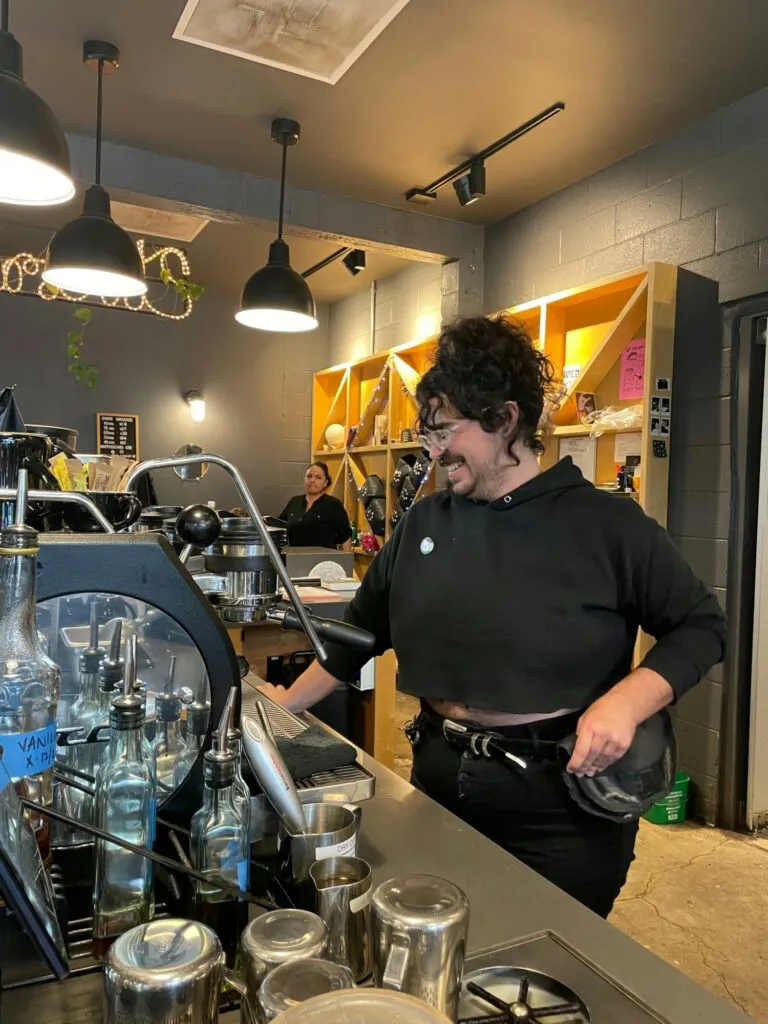
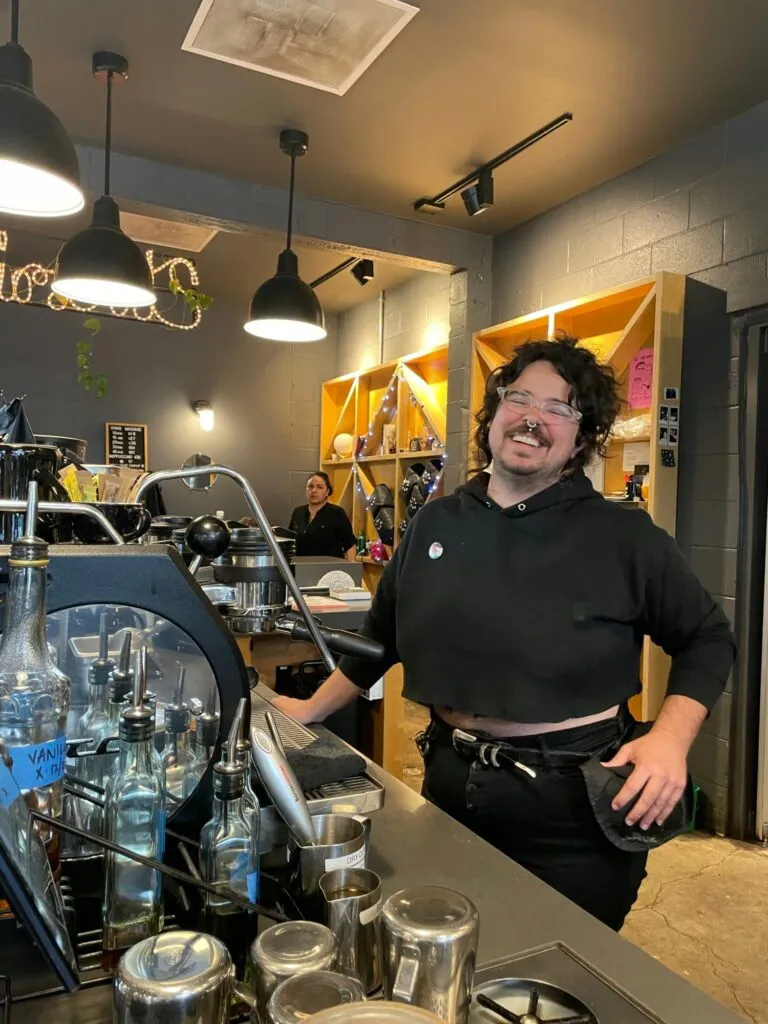
And that’s not all. Epoch supports people like me who are visibly trans. I’m very gender variant, and they didn’t just welcome me—within 30 days I was promoted to assistant manager, and within a year I became general manager of their third location.
They value their employees, queer or not, and they foster an environment where you can truly be yourself. It’s hard to put into words how much Epoch has done for the queer community because it’s woven into everything they do.
What has Epoch done to be a safe space for the LGBTQIA+ community?
Renee: Many companies claim to support queer and trans people but don’t follow through. Randi actually cares—she goes above and beyond to take care of you. She’s amazing. This is the first workplace where I haven’t been afraid to let my whole self show, and that comes through in my customer service and how I connect with regulars.
Schyler Renee
Hensley: We’ve always wanted to be a place that supports the queer community and anyone who wants to express themselves fully. That’s been a core value since we opened.
I do think we’ve become more vocal because it’s more necessary than ever—especially given the recent attacks on trans people in the last legislative session. We are unapologetically in favor of people living their lives as their fullest, most authentic selves, and Epoch will always be a safe place for that.
The 2016 election was a turning point. I remember working the shift after Trump was elected: people were really afraid and hurt and needed a safe place. It was essential for me and Epoch to present ourselves as that safe place during this administration and beyond.
What advice do you have for other shops that want to build a safe space?
Renee: Take classes and listen to your queer employees. Educate yourself on queer and trans rights and pay attention to what’s happening in the world. Understand that if you’re not part of that community, you might not grasp everything, and you may need to ask questions—don’t be afraid to ask.
But also remember that asking your employees for that information can be taxing, so try to find information on your own first. Respect your employees’ pronouns. You won’t know everything, and that’s okay. There’s always room to grow.
Hensley: I’ve always had many queer friends, and while I’m 100% certain they taught me everything I know about being a good ally, I don’t remember it happening purposefully. It comes from being around people who are queer, who are trans, whom I love and care about. Epoch is a better coffee shop and community hub when people can come as they are.
On education, the main thing is to listen to people and hear what they need. It’s easy to detach from what’s happening around you—take the current issues in the Texas legislature—but if you’re a person being targeted, that’s not easy. It will affect your work and how you feel at your job. Anyone in a leadership or privileged position should think about how what’s happening in the world affects the people we care about and work alongside. That takes empathy.
Have you ever faced backlash for being vocal about your values?
Renee: If someone is transphobic or discriminatory toward our staff, we’re more than willing to kick them out, and the managers will back you up. If I’m here, as a manager, I’ll talk to that person or customer and explain exactly why they’re no longer welcome.
Luckily, because we’re very open about being queer and trans-friendly, people who don’t share our values tend not to visit. But I wouldn’t say that’s deterred customers; it’s brought more people in because they know we’re a safe space.
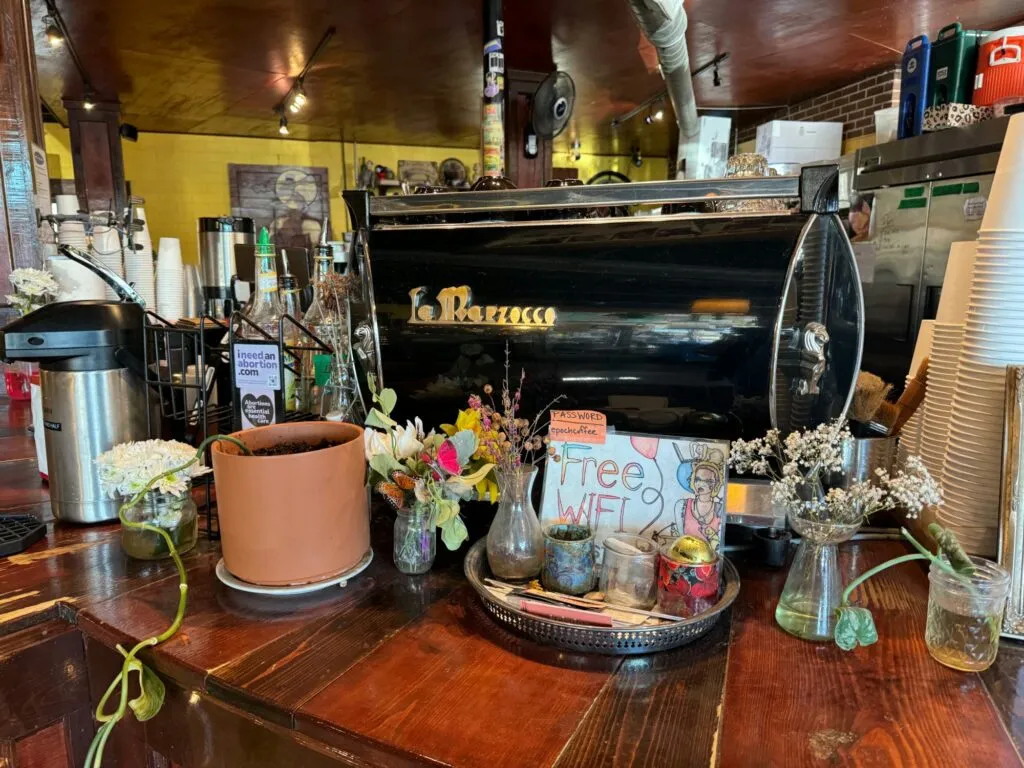
Hensley: We sometimes receive backlash for taking a political stance or supporting women’s rights—that’s happened in the past. We have internal conversations about safety, but for us it’s been more important to be unapologetically who we are and to be on what I believe is the right side of history.
There’s an idea that barista jobs are always temporary, part-time gigs. While that may be true for some, you have staff who have been with you for years. How do you cultivate an environment where people are always learning and growing in their careers?
Hensley: Our staff ranges from career baristas who want to stay in coffee to people who plan to move on after school or after figuring out their next steps. We try to support both groups. We offer classes on topics like customer service, tea, latte art, and espresso theory. We hope these classes help people do their jobs better while they’re with us, and that they can use those skills if they seek a job in another city or coffee shop.
We also guarantee all employees make at least $21 an hour. We offer paid time off after a year, sick time that starts immediately, a 401k plan, and health insurance. We provide dental and vision insurance fully paid by us, as well as maternity and paternity leave.
We’ve also prioritized anti-harassment training through SAFE, a local organization that does outstanding work in our community. My hope is that anything we do at Epoch raises the bar for what people can expect at their jobs going forward.
We asked for advice on building a safe space, but is there a guiding principle you follow when the answers aren’t clear? How do you calibrate your internal compass?
Hensley: The sentence I always return to when making a decision is, “We take care of each other.” We take care of our staff, our community, and the world at large. If a decision doesn’t align with that sentence, it’s not something we need to do.
It’s like the Maya Angelou quote: “If you know better, you do better.” Be open to learning new things, being wrong, and adjusting. If I hear something isn’t working for my staff, it’s essential to listen to what they have to say. Everyone at Epoch has a background in barista work—we didn’t come to this as business people looking to make a lot of money; we came as baristas looking to open a shop where we would want to hang out and work.
If you look closely, there are many opportunities for growth. Adjust to situations as they arise, and don’t dig in too hard on one way of thinking.
This interview has been lightly edited for clarity.