Where Coffee Meets Greenery: Hybrid Cafés That Sell Bouquets and Houseplants
Across the globe, café owners are pairing espresso with potted plants and fresh flowers, turning ordinary retail stops into relaxed gathering places. Two U.S. shops show how these dual businesses are staffed, stocked, and enjoyed.
By Skyler Adams6 min read
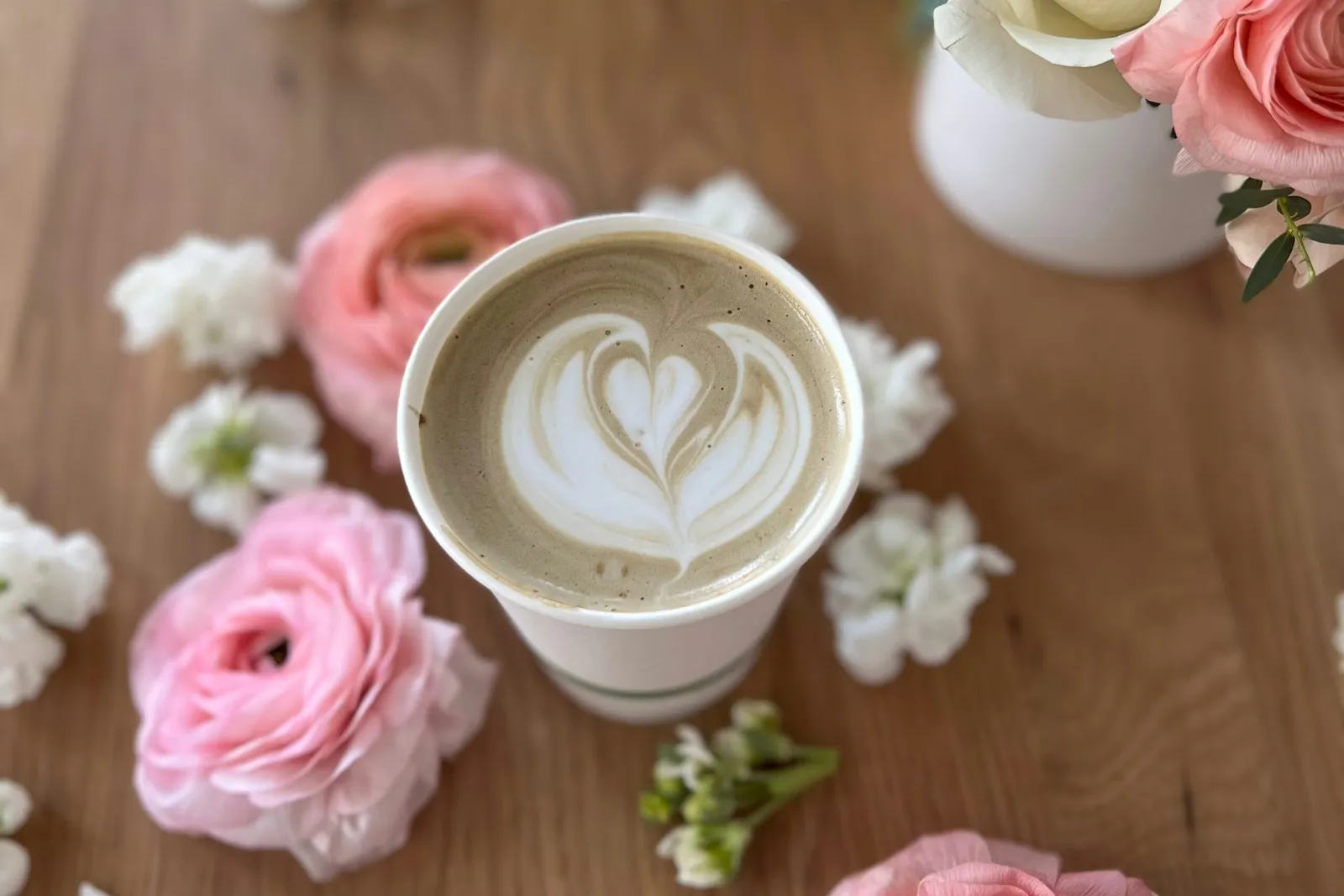
Jessica Han has long felt a pull toward both flowers and coffee. For years, she arranged bouquets for friends and family back in her hometown of San Jose, California, treating floral design as a side hobby for birthdays and other celebrations. Only when strangers began noticing her work did she consider that this passion might become something larger.
She pictured a place where her two interests could sit side by side. Plenty of people warned her that opening a retail business was a gamble, but Han was set on making the idea real.
She began modestly, running pop-up shops and workshops, and gradually grew her reputation and customer base until she felt ready to commit fully. That is how Bloomsgiving came about—a concept that combines a flower and plant shop with a café.
Around the world, coffee, plant, and flower businesses are increasingly sharing a single roof. Customers can order a latte while looking over floral arrangements and trailing pothos. Owners with a strong aesthetic sense are weaving the natural appeal of flowers and plants into their interiors and their menus, and in the process they are creating destinations that reshape what a traditional retail experience looks like.
A Growing Appetite for Houseplants
Houseplants are hardly new, yet their popularity has surged in recent years, particularly with Millennials and Gen Z. Whether it is a leafy monstera or a tiny succulent, many people are trying to bring a piece of the outdoors inside.
The pandemic clearly accelerated this trend. The Greenhouse Management 2020 State of the Industry report found that 71% of North American greenhouses recorded higher plant sales in 2020, and the National Gardening Association identified 18- to 34-year-olds as a driving force behind the boom.
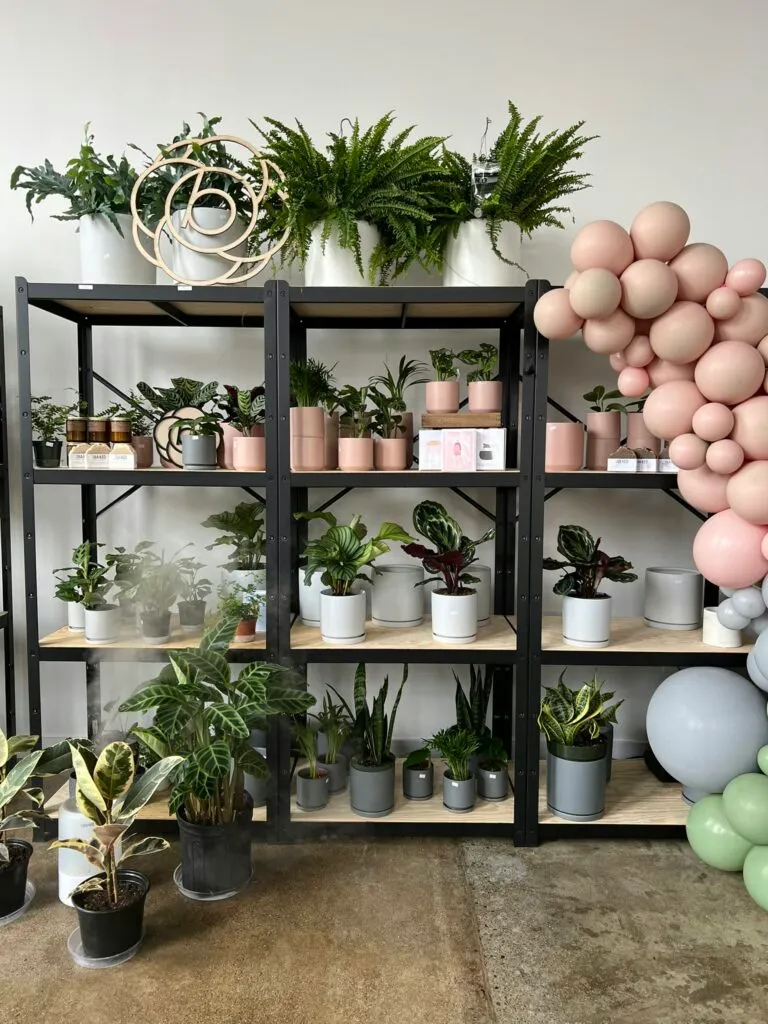
Bloomsgiving
Online plant sellers may be convenient, but most Americans still buy their plants in person—at home improvement centers, garden centers, and similar brick-and-mortar shops. Perhaps shoppers want a closer look before deciding, or perhaps they simply enjoy carrying home a plant they chose themselves.
Launching during the pandemic, at the height of plant mania, was not easy for Bloomsgiving. Han signed the lease in fall 2019 and then spent more than a year on the buildout; the store finally opened in December 2021. She acknowledges that opening during the pandemic was intimidating. “Luckily, people were starting to go out again when we were ready to open, but it was risky and scary for me to open up during that time,” she says.
Han understood that she needed to grasp the coffee business to get Bloomsgiving off the ground. She had plenty of plant experience but had never worked in coffee. So she went to a local roaster to learn, and that roaster—Academic Coffee—ended up supplying the shop’s beans.
Running a combined coffee and plant store, however, means selling—and understanding—two very different industries. Does a team need expertise in both to make the model work?
Finding the Right Division of Labor
At Bloomsgiving, Han assembled a team of experienced baristas who also care deeply about plants. “Houseplants got big during the pandemic, so I was lucky enough to hire people that already had a huge interest in houseplants and a coffee background,” Han explains.
Maypop Coffee & Garden Shop, in the St. Louis suburb of Webster Groves, Missouri, handles things differently: its coffee and garden areas are kept distinct. Grant Eschman, who manages the café, says co-founder and general manager Laura Tetley initially oversaw both sides. It soon became clear that one person could not reasonably carry both.
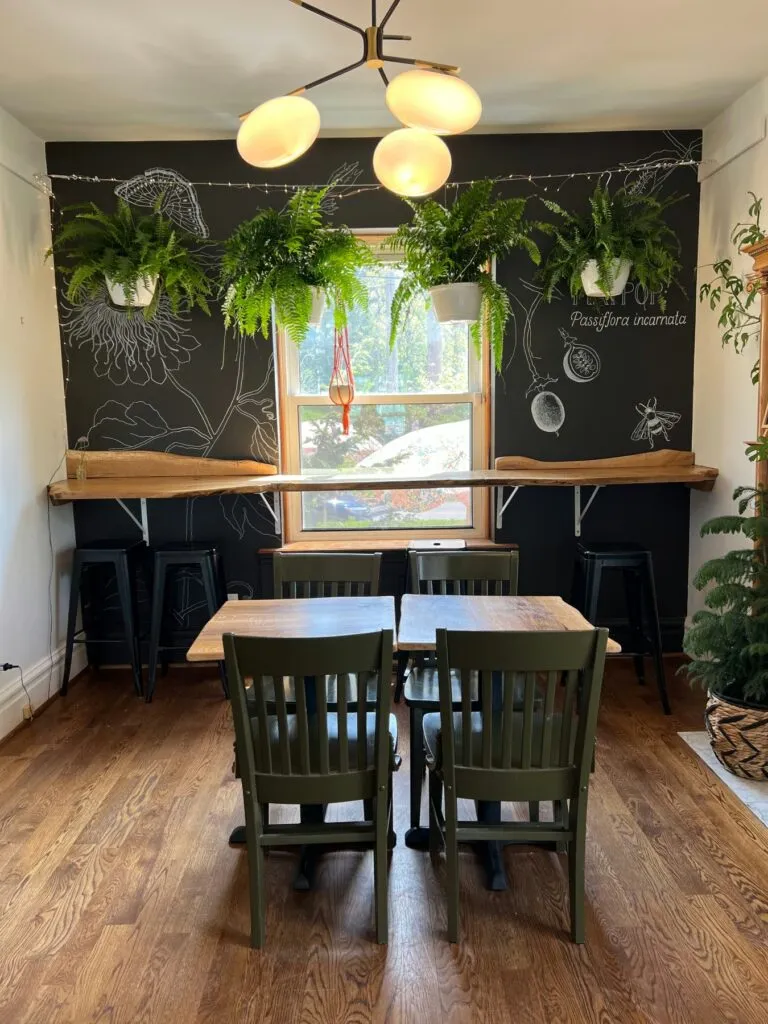
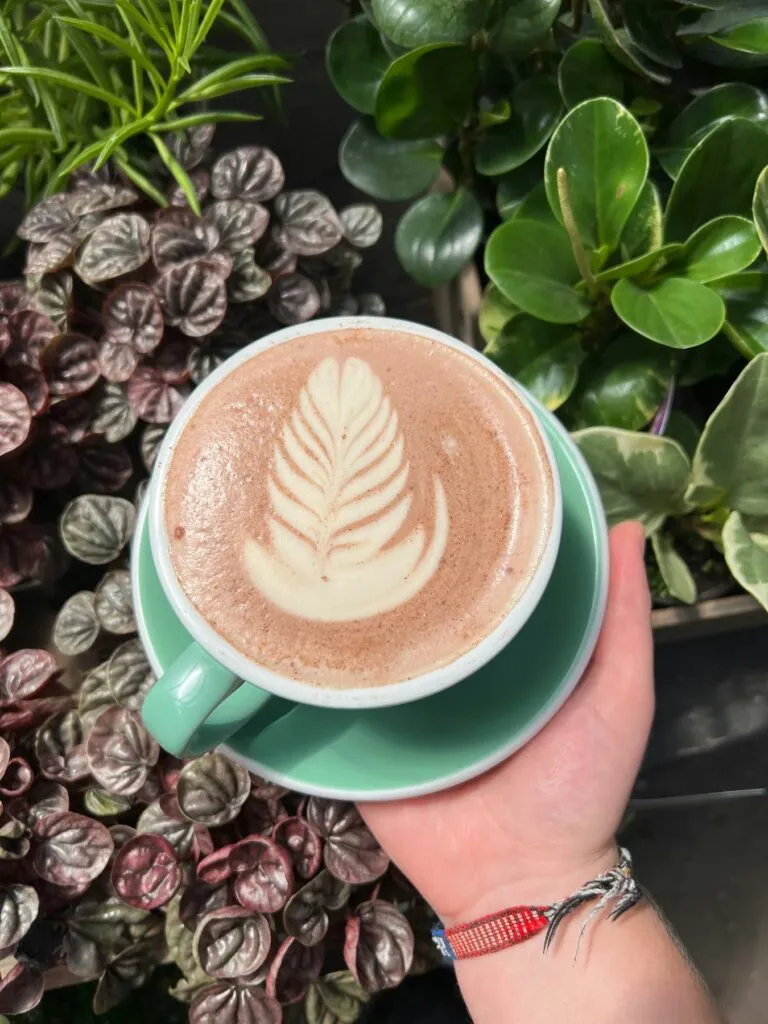
Maypop
Eschman now runs café operations, which lets Tetley concentrate entirely on the greenhouse. The arrangement functions well, and Eschman is glad to have eased her load. “I saw what she was doing before, and it was a lot,” he says.
“I had five years of experience in specialty coffee before this,” Eschman adds. “And I also have my own garden experience. So when I saw this position, I thought it was perfect because I can put those skills together.”
Customer flow is another question these hybrid shops have to weigh. Do they see different busy periods than a standard café or garden center?
Han says it varies by day. “We’ll get a rush after lunch, and it will be purely coffee sales,” she says. “But on the weekends, it’s mixed with a lot of plant and coffee sales.” Flowers, though, bring in steady revenue for Bloomsgiving no matter the hour or the day. “People are constantly buying flowers to send to people for their birthday gifts and anniversaries,” Han adds.
Beyond fresh-cut flowers and potted plants, many hybrid cafés are finding inventive ways to let florals shape their coffee menus.
From the Garden to the Cup
When a shop sells both plants and coffee, the garden often leaves its mark on the drink list. Bloomsgiving has developed signature items such as an espresso tonic made with rose, orange, and tonic water. It also serves familiar drinks with floral accents, including lavender-infused lattes and beverages finished with dried rose petals. Han says customers especially like adding a small sprig of flower to their drink or slipping one into the cup sleeve.
At Maypop, working seasonal plants into the café menu is a priority. “In January, we had a lot of rosemary because it was following Christmas. We made a rosemary and molasses latte that was really popular,” Eschman says.
Maypop’s best-selling drink is the honey lavender latte, which Eschman calls “pollinator-friendly”—meaning it uses ingredients that support pollinators such as bees, whether through conscious beekeeping practices or by providing habitats that help them thrive. The drink reflects the shop’s sustainability commitment while bringing the garden’s freshness and beauty into the cup.

Bloomsgiving
Eschman says Maypop recently introduced a lemon and mint cold foam to mark the start of summer. The addition suits the busy season because it is quick and simple to make and can go into a range of drinks to lift their flavor.
Eschman remembers a project from the previous year with particular enthusiasm: a spicy mocha recipe created for October. “The chilies that I used were grown here on the premises, which was fun for me,” he says. He is continually searching for ways to bring fresh, seasonal ingredients into Maypop’s menu.
Right now his attention is on summer planning and on finding creative uses for the shop’s surplus of basil leaves. Yet cafés that double as flower shops offer more than coffee, food, or bouquets—they are also forging a new kind of community gathering place.
A Place to Linger
Han talks warmly about the community that has taken shape at Bloomsgiving. “People will stick around and chat,” she says. Some customers drop in for a quick coffee, while others linger to ask about the plants and to share how the ones they bought are doing. “We love that we’re building a community of people,” she adds. The sense of connection runs deeper because the shop sits in the same neighborhood where Han and her family live.
At Maypop, Eschman says, the layout invites customers to wander. “A lot of customers grab a to-go coffee and take their time perusing plants,” he says. “We also have a couple of seating spots in our greenhouse itself, which is always popular.”
Han says customers tell her they value the shop’s calm atmosphere and the mingled scents of flowers and coffee. “They say it feels so different from other coffee shops, where everything seems more rushed.” In a business that depends heavily on volume, buying coffee for a quick recharge can feel hurried, and customers are seldom encouraged to slow down and take in their surroundings. At hybrid coffee and plant shops, they are invited to do just that—literally stop and smell the flowers.