Barista Contest Rules Revised: Plant Milks Now Permitted on the World Stage
The Specialty Coffee Association has updated its competition regulations to let baristas use plant-based milks, a major policy shift that follows years of advocacy and debate.
By Alex Lee3 min read
Major Rule Overhaul for International Coffee Competitions
The Specialty Coffee Association (SCA) unveiled revised regulations for the 2023 Athens World Coffee Championships on December 22nd, 2022, and among the most talked-about changes is a new allowance for plant-based milks in the World Barista Championship (WBC). According to an SCA statement, these updates represent the most substantial rule revisions since before the pandemic. Prior to this change, competitors had been restricted to cow’s milk only since the competition began in 2000.
The announcement followed months of activism spearheaded by Mikolaj Pociecha, head roaster and director of quality at Suedhang, a coffee roasting company based in Tübingen, Germany. Pociecha had circulated an open letter addressed to SCA Germany—the body overseeing coffee competitions in the country—demanding that competitors be permitted to use alternative milks. The letter was prompted by his disqualification for using oat milk at the 2022 Frankfurt Coffee Festival.
“The rules are contrary to our ethical compass,” the letter states. “They discriminate against people with vegan diets, give a false image of the barista profession, humiliatingly force participants to work with animal products on a public stage and imply a huge waste of resources.”
The letter went on to threaten legal action against the organization unless the rules were changed—an ultimatum that drew considerable public backlash in the comments section. Still, when the news broke, attention turned to Pociecha.
“My social media just exploded the minute [it happened],” Pociecha said. “I’ve always viewed the association as a very progressive one, and I’m very grateful for all the innovation and ideas that come out of it every year. This was a very logical step for me.”
What the WBC Involves
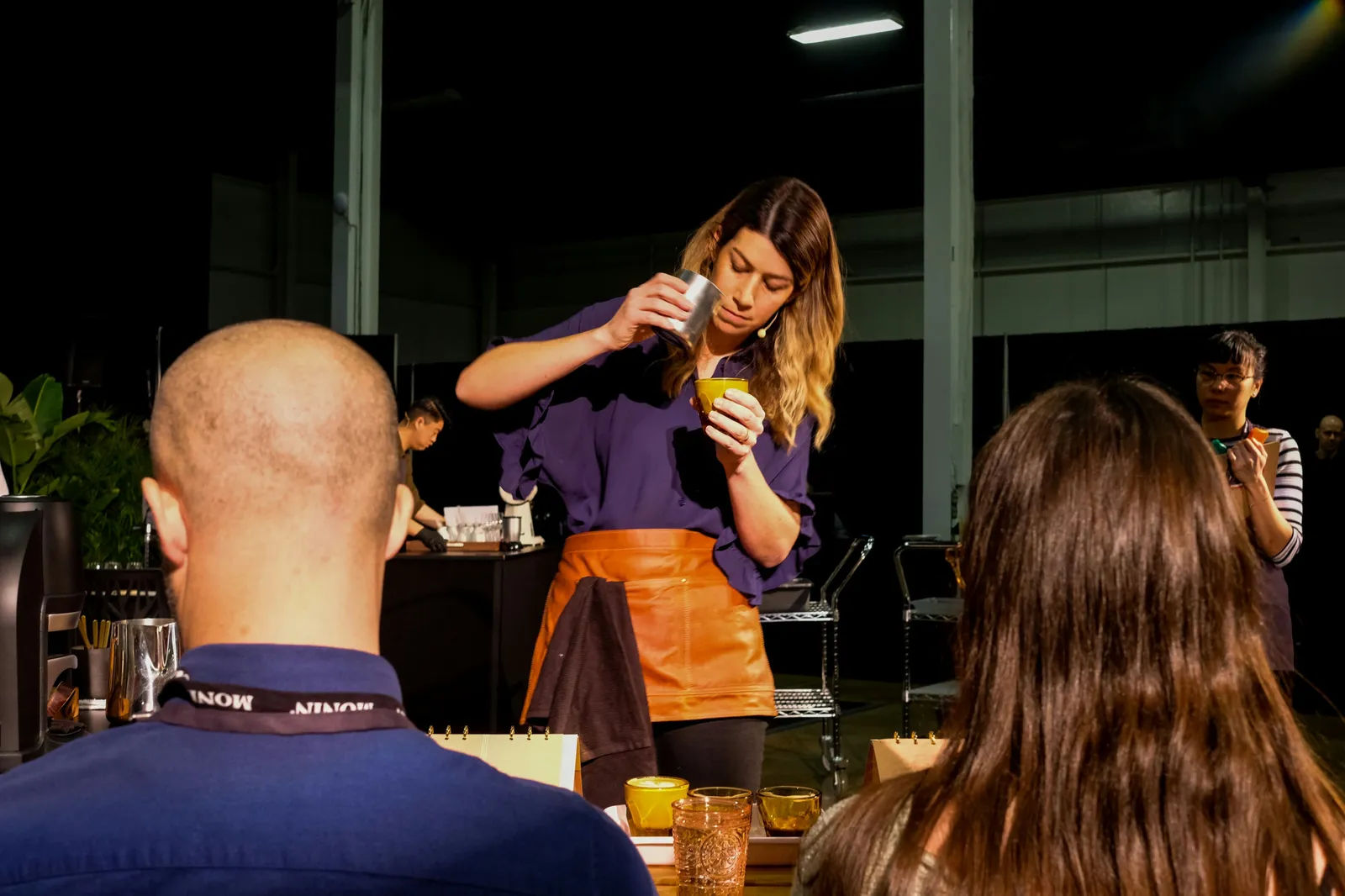
The WBC describes itself on its website as “the preeminent international coffee competition,” drawing more than 50 national champions who compete for the title of world’s best barista. Held annually, the event requires competitors to first win a national barista championship, then represent their country on the global stage. During competition, baristas prepare four espressos, four milk-based drinks, and four signature beverages (any espresso-based drink where coffee is the predominant flavor) for a judging panel that assesses both sensory and technical skills. The competition stage is closely followed and has served as a source of new ideas and innovations that spread across the industry.
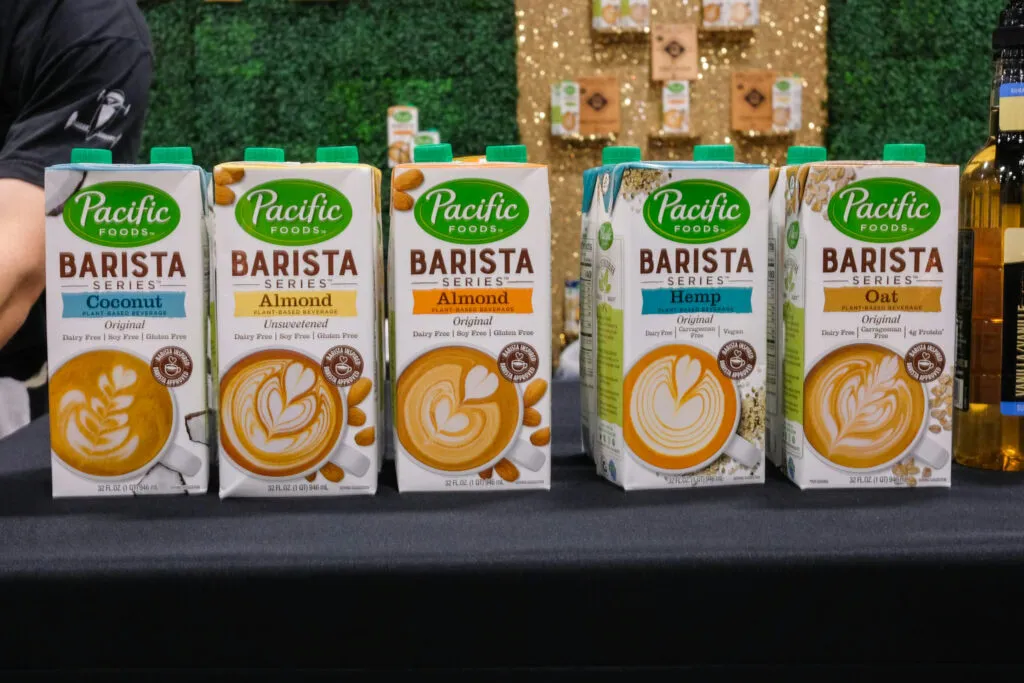
Under the new rules, barista competitors may use any commercially available animal or plant-based milk for the milk beverage course, provided it contains no added ingredients or flavors. Competitors are also now allowed to select a group head temperature ranging from 90.5 to 96 degrees Celsius (195–205 degrees Fahrenheit). Previously, group heads were set to a fixed temperature that could not be adjusted.
Scoring System and Other Revisions
Another significant update is the introduction of a new scoring system and scoresheets for both the WBC and the World Brewer’s Cup Championships (WBrC). The new system is designed to separate two types of sensory analysis: descriptive (tasting notes such as brown sugar or strawberry jam) and affective (whether the coffee tastes good or bad). This aligns with an ongoing SCA project to revise the existing cupping form and protocols into a more comprehensive coffee value assessment tool.
Other changes include a semi-finals round in the WBrC and opening sponsorship bids to fully-automatic espresso machines for the 2024 World Latte Art & World Coffee in Good Spirits Championships.
While the expanded milk options have drawn particular attention, rule changes are a regular occurrence, arriving every few years. They typically stem from feedback provided by past competitors and reflect the evolving nature of specialty coffee—but there is no indication that the new milk rule resulted from Pociecha’s letter.
The updates were planned and implemented by the Competitions Strategic Committee (CSC), a volunteer group with extensive industry and competition experience from around the world. Most of the recently announced revisions had been in development for years but were paused to address the impact of the pandemic.
Joshua Edens, a volunteer on the committee, said the decision on plant-based milks had been a long-running conversation among judges, competitors, and industry members.
“It’s clear that other milks beyond traditional cow’s milk are a reality within the industry and should have a place in competitions,” she said. Edens continued: “It’s our goal to give the competitor and the competition’s format the most ability to succeed and expand and be a reflection of the coffee community.”
Although the new rules do not automatically apply to national stages, Edens is hopeful the announcement will create a model for future competitions.
“The conversation around when these changes will trickle down is still in discussion,” they said. “It’s the goal and intention [of the CSC] that competition bodies have as much support as possible in this transition.”