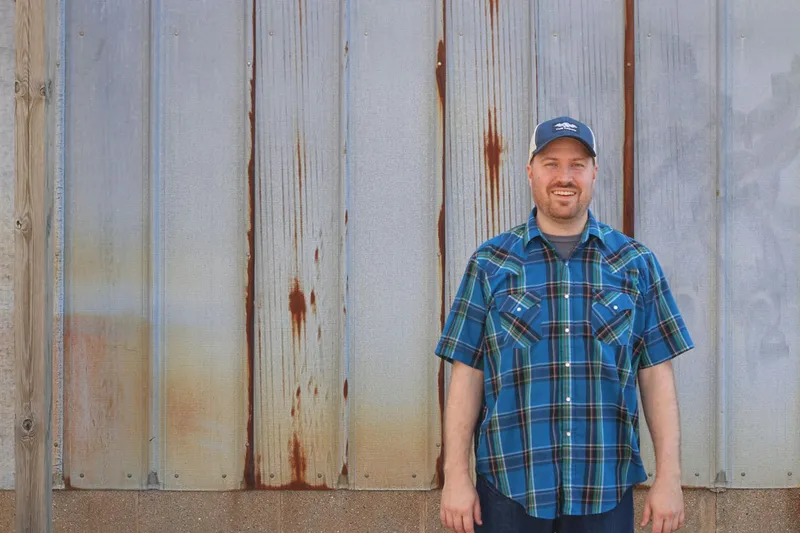
How Ted Stachura Shapes the Coffee Program at Equator Coffees & Teas
From manual lever espresso machines to green coffee buying, Ted Stachura reflects on the path that led him to direct the coffee program at a Bay Area roaster known for its tiger branding and farm-level work.
By Cameron Evans3 min read
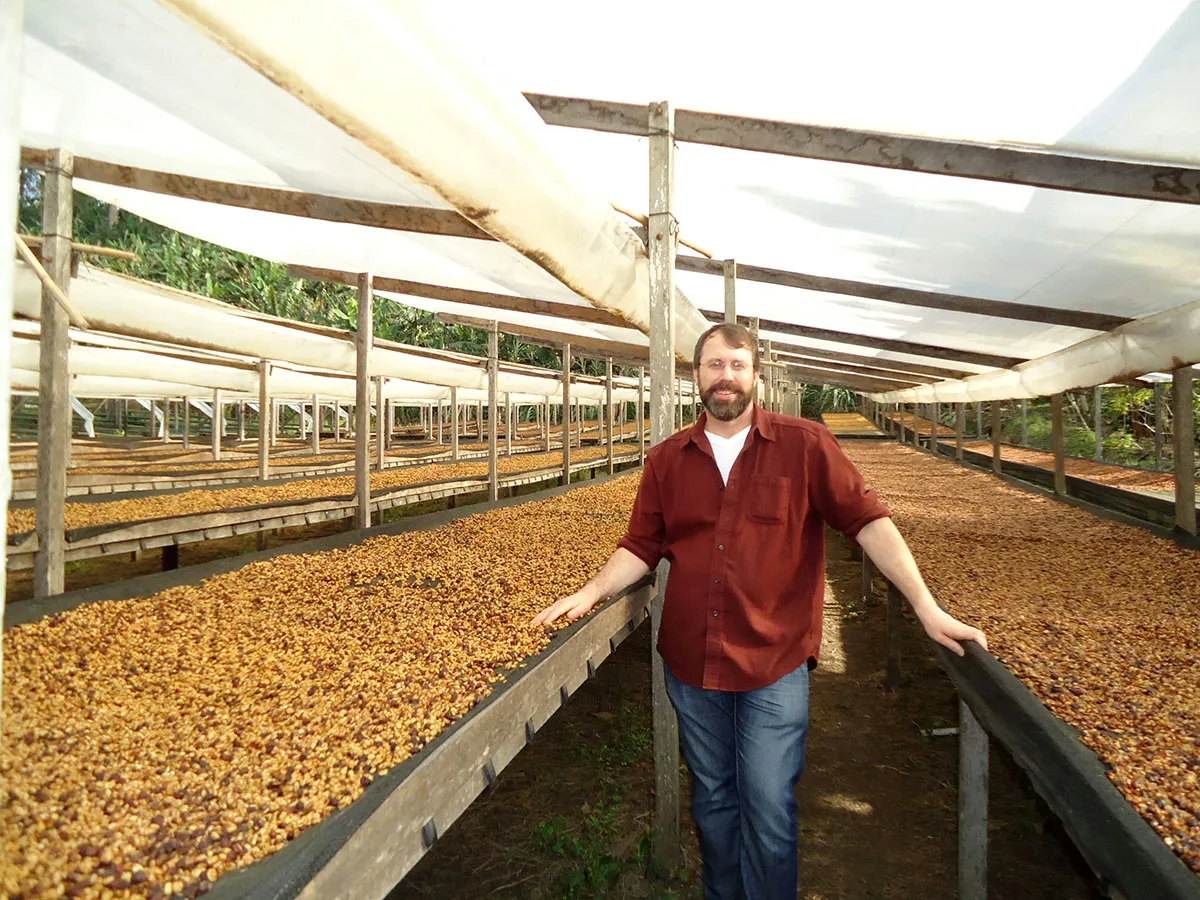
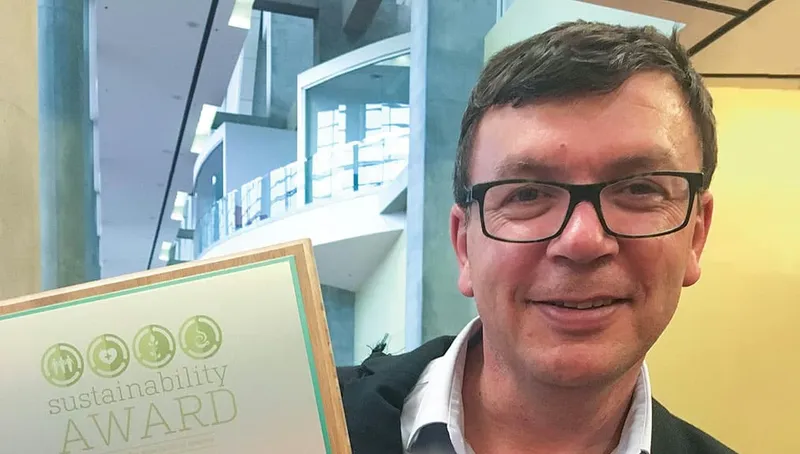
Equator Coffees & Teas has built a reputation in the Bay Area that extends well beyond its distinctive red packaging and tiger logo. Over roughly two decades, the company—founded and led by co-owners Helen Russell and Brooke McDonnell, with Ted Stachura serving as director of coffee—has earned awards, remained a steady presence in industry events, and worked directly at the farm level to support sustainable, high-quality production. Stachura recently discussed his route into coffee, the positions that prepared him for his current role, and how he selects the coffees Equator offers.
Learning espresso the hard way
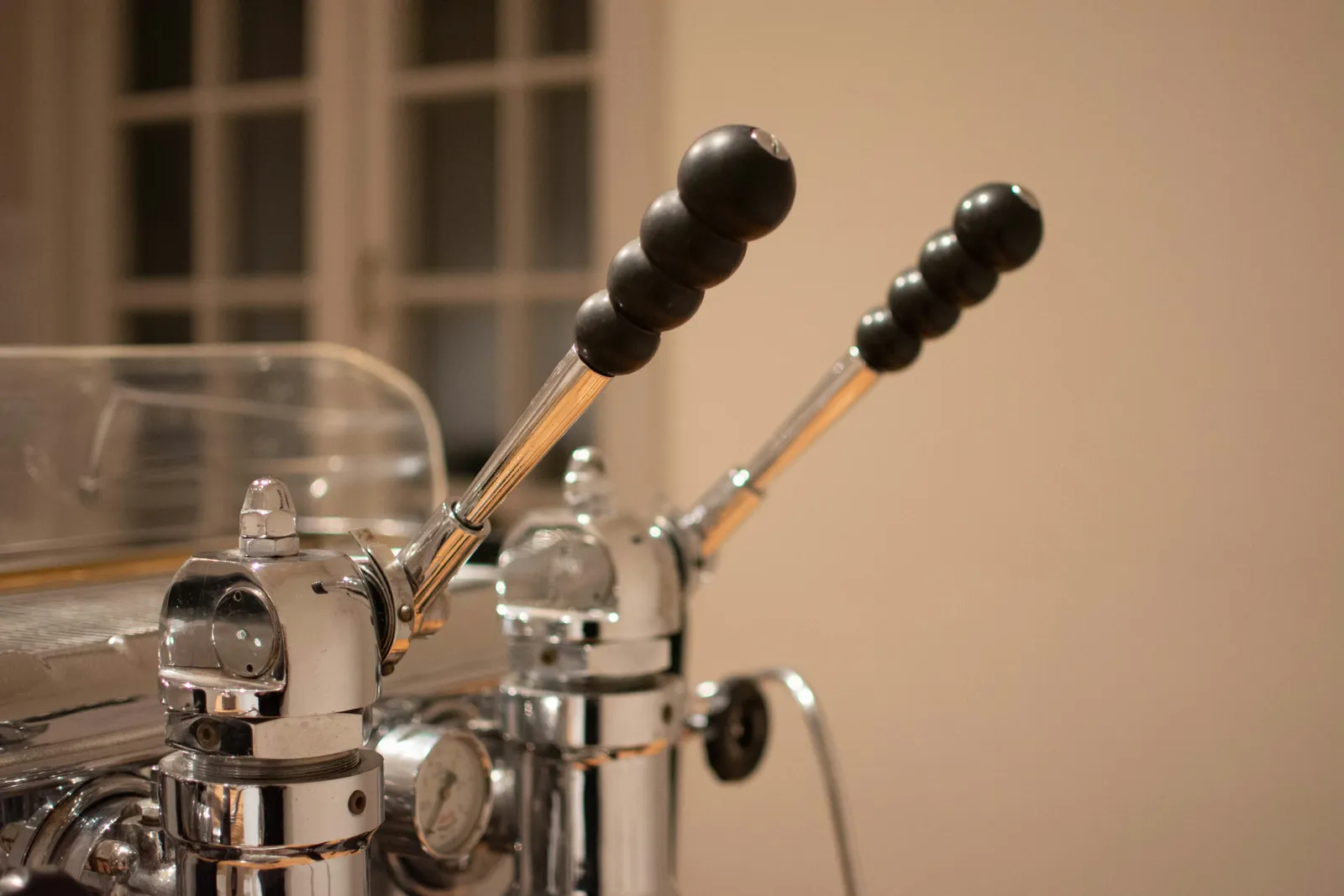
Stachura's first work experience came early, during high school in the Bay Area. He held a series of food-industry jobs until 1991, when he learned to make espresso on a manual lever machine. "At the end of a shift, you felt it—you were literally pulling shots all day," he says. He recalls working with large milk pitchers and serving very few straight espressos.
At that time, he notes with a laugh, the word barista was not in common use—in fact, using it was an invitation to ridicule. Title aside, Stachura became enamored with café culture and worked several coffee jobs over the following years.
From cafés to roasting and buying
His move into specialty coffee followed a familiar pattern. "I knew my career path would move toward coffee, but I didn't know much outside of the café environment at the time. The deeper I got into it, the more I realized its complexity, which led me to work at Peet's Coffee & Tea," then one of the few specialty coffee roasters in operation. He stayed twelve years, taking on tasks ranging from managing new cafés and training staff to opening retail locations. Most of his time there was in the coffee and tea education department, where he served as content developer and program manager during his final years.
His next position was as assistant to Kenneth Davids, the well-known coffee consultant and founder of CoffeeReview.com. In that role he supported consulting clients and also contributed reviews, research, and presentations. "It was with Kenneth that I learned about coffee roasting and buying, which led me to Equator where for the past three and a half years or so I've been the director of the coffee program overseeing green coffee purchasing, roasting, and quality assurance."
Balancing wholesale blends and single origins
At Equator, Stachura says his coffee philosophy is "complicated by the tradition I inherited, working at a company that's been around nearly twenty years. Equator is very open to evolution, which I really appreciate. We're always looking at everything we do and evaluating it critically. Our goal is to continually improve in all aspects of what we do, from green purchasing to roast profile development."
The company aims to keep the lineup of high-quality wholesale blends on which it built its name, while also roasting rotating single-origin, special, and micro-lot coffees for online retail and for its locations—soon to number three. Wholesale roasts span light to dark depending on what clients want, though they generally land around second crack, either shortly before or shortly after.
"On the other hand," Stachura says, "our single-origin program is dynamic. It's exciting and hard to maintain because we are bringing so many new coffees in all year round. Especially in early summer, when we are getting a lot of arrivals from Central America and Africa, marketing gets challenging because we want to tell the story of each coffee. Sometimes some really outstanding coffees get lost in the mix."
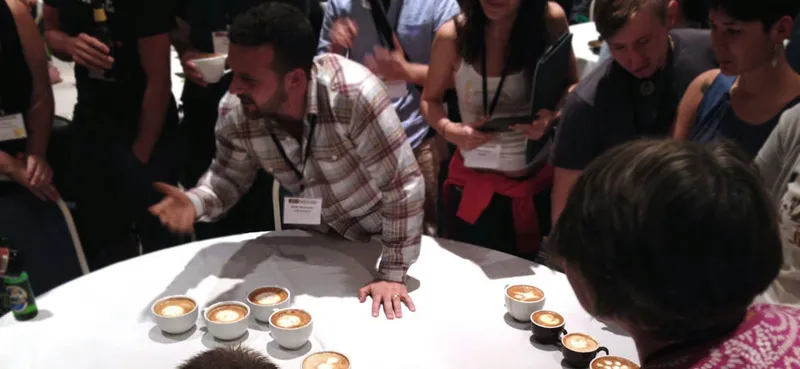
If the buying approach had to be summed up in one sentence, Stachura puts it this way: "Bring in a wide variety of great coffees from as many different origins as we can—that are interesting to us on the cupping table."
A standout Panama lot
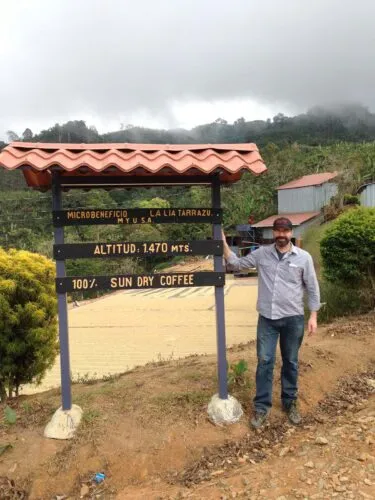
One example he cites is the Mama Cata Panama, among his favorite coffees Equator offered that summer. "We tasted these coffees Caturra, Catuai, and Gesha blind on the cupping table, and they really stood out to us. So we bought them. Months later the Mama Cata Gesha won in the washed Gesha category of the Best of Panama competition, which didn't surprise us at all. The Mama Cata is in the Boquete region, just over mountain from our coffee farm, Finca Sophia."
Discoveries at the cupping table, along with a lasting enthusiasm for coffee and café culture, remain strong reasons to build a career in this industry.