Glitter Cat Barista's Digital Turn: Widening Access to Coffee Competition Training
When in-person training became impossible, this coffee-competition prep program rebuilt itself online—launching home-based contests, a scratch-and-sniff challenge, and remote workshops that reached participants far beyond its original roster.
By Jamie Evans5 min read
As the world has tried to leave the COVID-19 pandemic behind, plenty of organizations have gone back to gathering in person. Book clubs, lectures, latte art throwdowns, barista competitions, and conferences on nearly any topic are all enjoying an in-person revival.
Yet COVID-19 continues to circulate widely, and for immunocompromised people and those with preexisting conditions, in-person gatherings can still be out of reach. Beyond that, many people with disabilities or financial constraints—groups that did not always have easy access to in-person gatherings before the pandemic—discovered community through online events during lockdowns, and are now watching that access disappear.
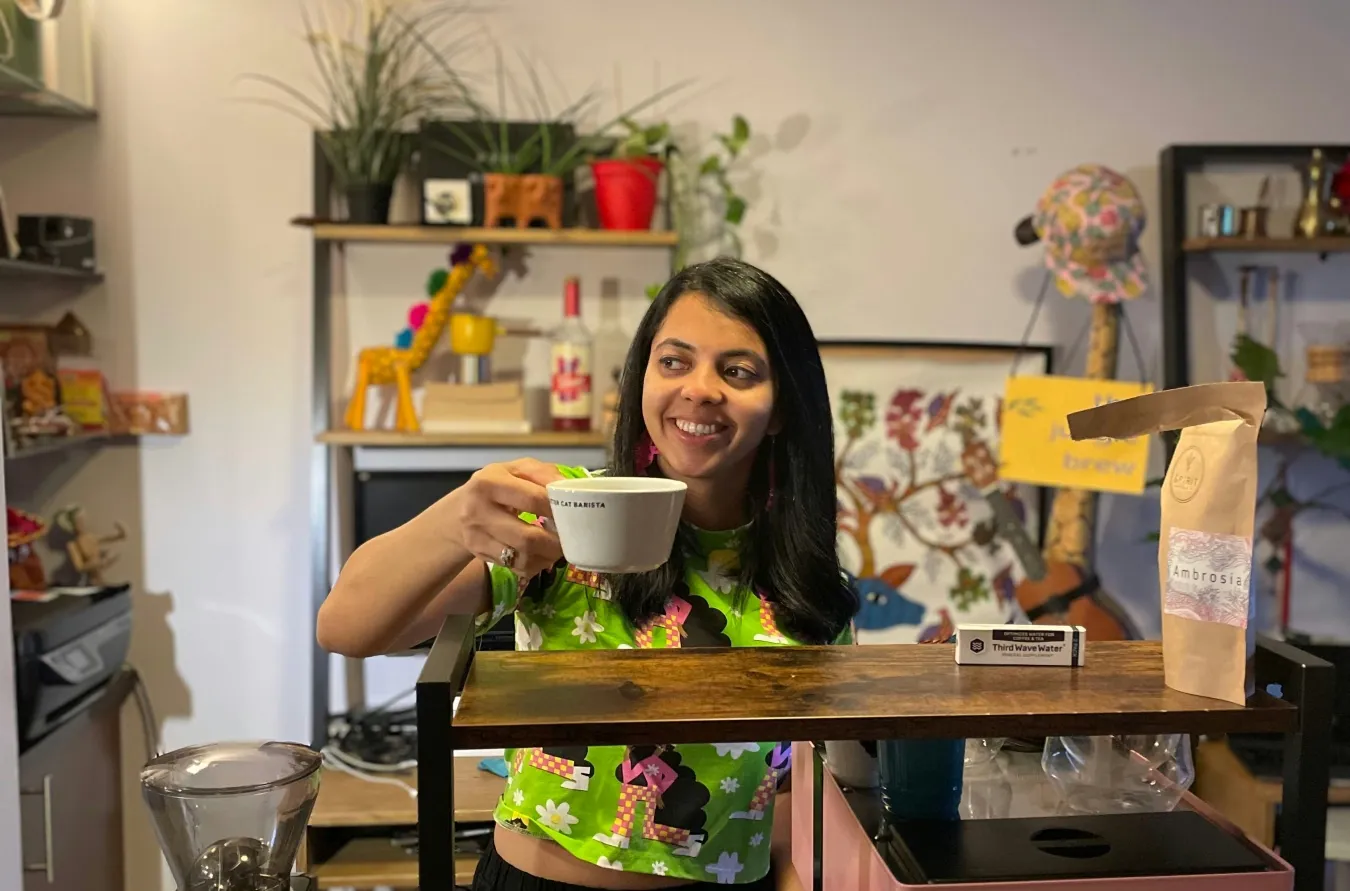
Glitter Cat Barista began as a set of in-person bootcamps designed to help people with marginalized identities get ready for coffee competitions. Once it became evident that in-person events would stop, the Glitter Cat team did not postpone its programming; instead, it reworked the entire format into an online competition that brought energy and delight to participants' social feeds. The shift to a digital platform did more than keep Glitter Cat's events going—it allowed the organization to broaden its programming beyond competition prep.
In-Person Beginnings, a Virtual Pivot, and Then Both
Veronica Pearl, founder and Chief Glitter Officer of Glitter Cat Barista, has worked in coffee for ten years. The idea for Glitter Cat took shape after she placed second at the 2018 United States Barista Championship, an annual coffee competition, which raised her profile considerably across the industry.
"I knew I had a platform even without winning, and I also knew I couldn’t compete again if I didn’t do everything I could to address the lack of representation in the United States Coffee Championships," she says. "So I started asking everyone who would listen to help me put on a competition training program for people of marginalized identities. People were enthusiastic and ready to help make it a reality."
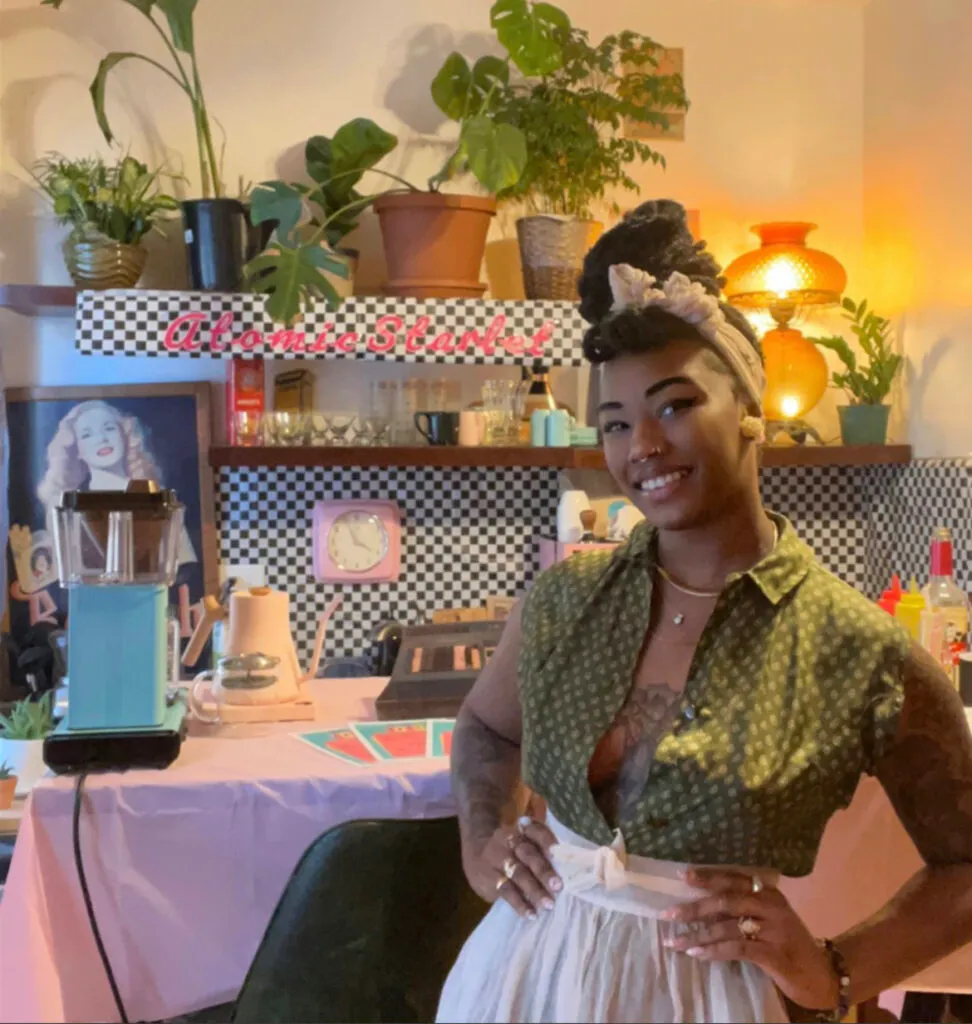
And help came. Several past winners of the US Barista Championships have benefited from coaching and resources such as complimentary coffee and practice spaces that not every competitor can obtain. Glitter Cat works to close that gap by offering quality training to competitors of marginalized identities. At the 2022 Barista Championship, two of the top three finalists were former Glitter Cat participants—evidence of the program's effectiveness.
When the pandemic arrived, the Glitter Cat team weighed pausing its work, but ultimately treated the constraints of lockdown as a chance to grow.
"We had built a name on in-person training and community events," Pearl says. "Not only was it clear that there was a need in our community for competition when it wasn’t safe to gather in person, but it also became evident that we could do a lot more to be accessible in our education and competition opportunities by doing virtual events. By putting on our digital competitions, we reached more people and dismantled many ideas behind what makes a competitor and a coffee professional."
Among the online offerings were two digital competitions: the DiGiTiTiON (2020) and its follow-up, the DiGi2TiON (2021-2022). The name blends "digital," "glitter cat," and "competition." Moving to a digital format let the team reinvent the events from the ground up—because the 2021 coffee competitions had been postponed, Glitter Cat devised its own structure and judging process.
"The DiGiTiTiON was our take on the six United States Coffee Championships (Barista, Brewers, Roasters, Tasters, Latte Art, and Coffee in Good Spirits) with a few quirky twists that made it more fun both to compete and spectate," she says. "For the DiGi2TiON, we completely restructured, creating a three-round competition over three months, testing competitors’ palates, creativity, and stamina."
For both events, equipment and supplies were shipped to competitors across the US. The organization did not limit itself to coffee contests, either: it also devised a scratch-and-sniff competition called the SNiFF-i-TiTiON, mailing game boards to nearly 4,000 people in 60 countries, with participants able to send in answers online.
Glitter Cat also widened its competition focus to encompass workshops and educational offerings. "Most recently," Pearl says, "we held digital workshops for people competing in the United States Barista and Brewers Cup competitions for the first time."
Digital Doesn't Mean Simple
Pearl points out that virtual events are no less demanding to run than in-person ones. Organizers should first assess how much time, energy, and resources they can realistically commit. "Virtual events require design, management, creativity, and so much planning," she says. "Planning and executing the DiGiTiTiON required three months of work, 5-6 days a week, between 6-12 hours a day. The DiGi2TiON required six months [work at that pace]. For a final product that is accessible and appealing to people participating and watching, you’re really busting your booty."
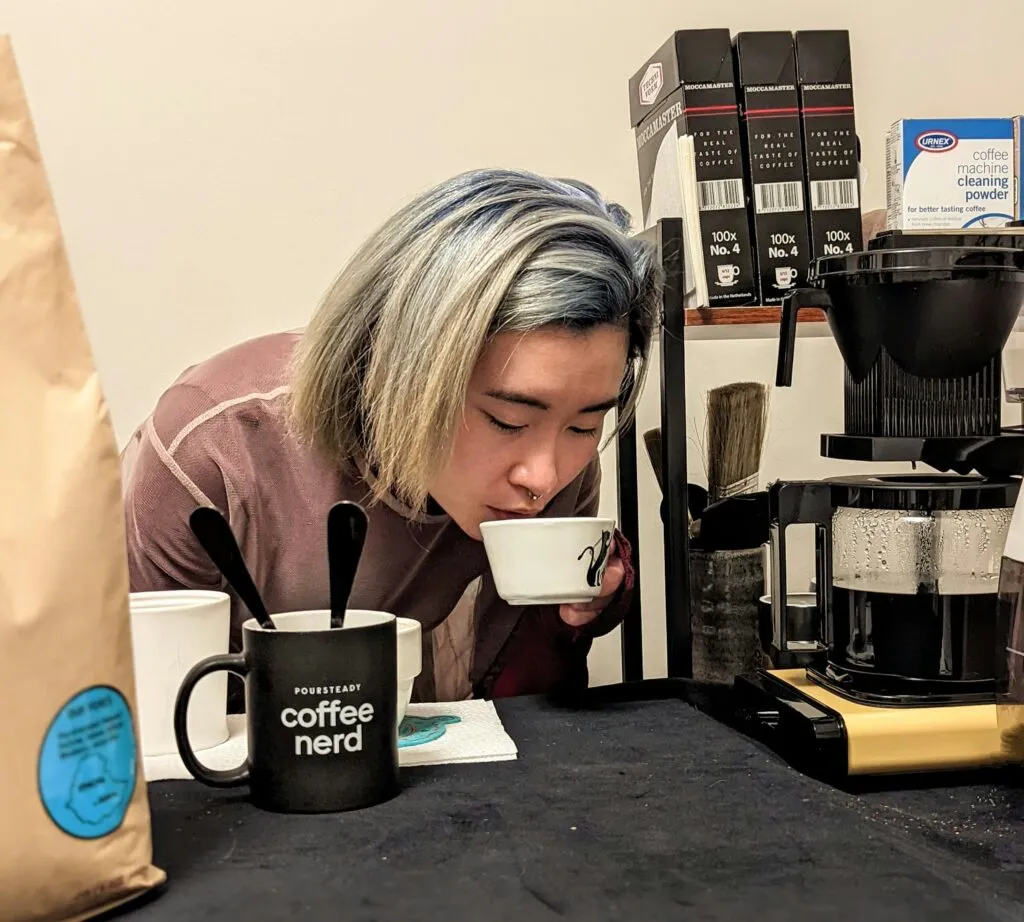
She also advises organizers to line up as much support as they can. "You truly can’t do this yourself. When we won the Sprudgie Award for Outstanding Event for the DiGiTiTiON, we shared that award with over 100 people, between participants, judges, emcees, and volunteers. It would have been unbearable to try and do it ourselves with occasional help from our cats."
Glitter Cat is bringing back in-person events, but it is not giving up its virtual ones. "We will continue to have digital events as an essential component of our programming because everybody deserves knowledge, access, and community," says Pearl.
As an example, she notes that none of the 2022 United States Coffee Championships events were live-streamed. "This suggests that the United States Coffee Championships are predominantly for those physically and financially able to attend those events in person. That’s a huge step backward in accessibility. We will continue to try to set an example for digital accessibility while advocating for better practices from our industry’s governing bodies."
Even with Glitter Cat returning to in-person programming, Pearl emphasizes how essential digital spaces are—and have long been. "Quite simply, digital events remain important because of accessibility," she says. "The past three years have magnified the fact that many people are being left out of community and career opportunities because of disability, neurodivergence, wealth and resource disparities, geographical location, and so many other circumstances that keep people marginalized and overlooked in a growing industry."
Glitter Cat demonstrates that online events can be every bit as engaging and immersive as face-to-face ones, and that organizations accustomed to live events can make the switch. "Digital events are a way for us to get more information, more opportunities, and more fun for a wider range of people. Reaching people where they are is essential whether or not there’s a pandemic."